


The Witcher 3: A Legacy Reimagined
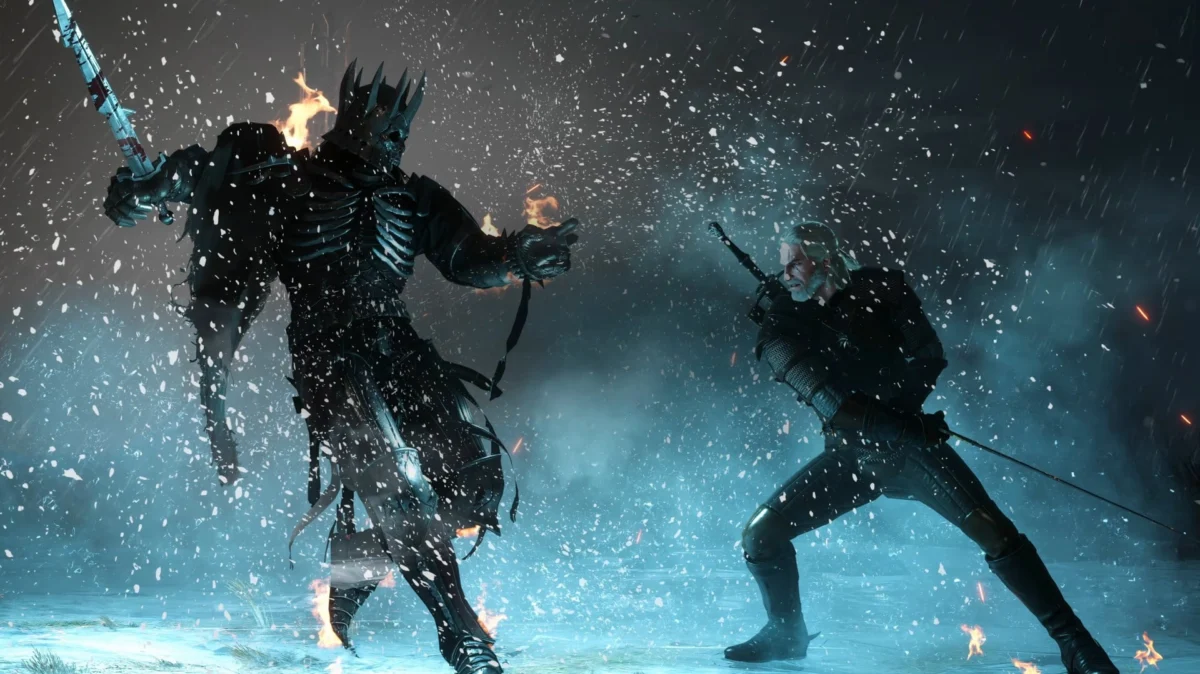
The Witcher 3: Wild Hunt, initially launched in 2015, quickly cemented its status as a masterpiece in the action RPG genre. Developed by Polish studio CD Projekt Red, the game garnered universal critical acclaim, winning numerous Game of the Year awards and setting new benchmarks for open-world design, narrative depth, and character development. Players were captivated by the grim yet beautiful world, the morally complex choices, and the compelling story of Geralt of Rivia, a professional monster slayer searching for his adopted daughter, Ciri. Its two major expansions, Hearts of Stone and Blood and Wine, further enriched the experience, adding dozens of hours of high-quality content that many considered on par with full-fledged standalone titles.
The game’s commercial success was equally monumental, selling tens of millions of copies worldwide across various platforms. Its impact extended beyond sales, influencing countless subsequent open-world games and solidifying CD Projekt Red’s reputation as a developer of meticulously crafted, story-driven experiences. The announcement of a "Remastered" version, or more accurately, a comprehensive next-generation update, signals a renewed effort to introduce this seminal title to a new generation of players and allow veterans to experience it with modern technological advancements. This initiative follows a period where CD Projekt Red has been keen to demonstrate its dedication to quality and player goodwill, particularly after the challenging launch of Cyberpunk 2077. The studio has consistently reiterated its focus on improving and supporting its existing titles, and this Witcher 3 upgrade stands as a testament to that philosophy.
Key Enhancements and Technical Overhauls
The upcoming Witcher 3: Remastered is not a separate game but rather a substantial update applied directly to the existing game client. This approach, confirmed by a Community Director at CD Projekt Red, ensures a seamless transition for the vast player base. The core of this remaster lies in its comprehensive technical overhaul, designed to leverage the capabilities of current-generation consoles like the Xbox Series X and Series S.
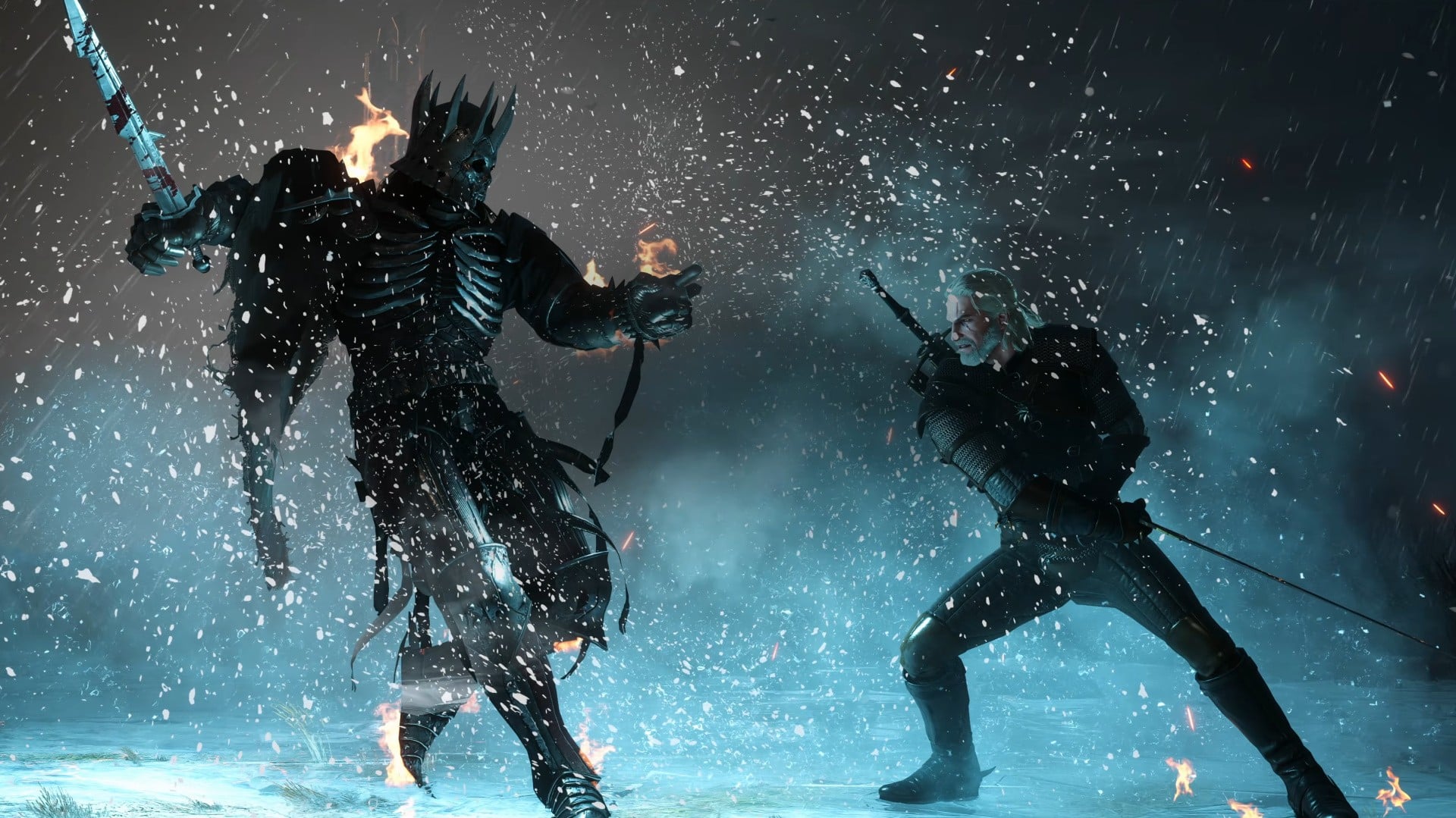
Among the most anticipated enhancements are significant graphical improvements. While specific details on every single upgrade are still being drip-fed, industry expectations and trends for next-gen updates suggest a suite of visual enhancements. These likely include the implementation of ray tracing for more realistic lighting, shadows, and reflections, drastically improving the game’s atmospheric immersion. Textures are expected to be upscaled and refined, offering greater detail to character models, environments, and equipment. Players can also anticipate higher resolutions, with 4K support on compatible displays, paired with smoother, more consistent frame rates, targeting 60 frames per second on both Xbox Series X and Series S. Environmental details, such as foliage density, draw distance, and weather effects, are also slated for upgrades, making the Northern Kingdoms feel even more vibrant and alive. Furthermore, load times, a common pain point in open-world games, are expected to be significantly reduced thanks to the faster SSDs in current-gen consoles.
Beyond raw graphical power, the remaster is also poised to introduce quality-of-life improvements. While not explicitly detailed, these could encompass subtle user interface (UI) and user experience (UX) tweaks, new camera options for a more personalized perspective, and general performance optimizations that go beyond frame rate, such as improved enemy AI pathing or more dynamic NPC behavior. These enhancements are crucial for a game that, despite its timeless quality, still bears the marks of its original 2015 release. The collective aim is to present The Witcher 3 in its most visually stunning and mechanically refined form yet, ensuring its continued relevance in a rapidly evolving gaming landscape.
Seamless Progression: Saves, Achievements, and Skill Resets
One of the most significant pieces of information for existing players is the confirmation that the remaster is treated as an "update to the existing game." This crucial detail means that players will not have to start their adventures anew. Any existing save files from previous generations of Xbox will transfer directly to the remastered version. This continuity is a major relief for those who have invested hundreds of hours into Geralt’s journey, meticulously crafting their builds and completing every quest. The ability to pick up exactly where they left off, or to revisit a completed save with all the new graphical fidelity, adds immense value to the free upgrade.
Similarly, the status of Xbox achievements will remain intact. Players who have already dedicated themselves to unlocking every achievement, from completing all Gwent quests to finishing the game on the Death March difficulty, will see their hard-earned accolades preserved. This ensures that the effort put into the original game is recognized and carries over, eliminating the frustration of having to re-earn accomplishments in a new version. This contrasts sharply with some other "definitive edition" releases, such as the Mafia: Definitive Edition upgrade, which sometimes treated the enhanced version as a separate game, requiring players to start from scratch and re-unlock achievements. CD Projekt Red’s approach prioritizes player convenience and respect for their time investment.
However, one notable change confirmed by the Community Director is the revamp of the skill tree. With the remaster, players’ existing skills will be reset, allowing for immediate redistribution. This decision is a thoughtful one, acknowledging that new gameplay mechanics, balancing adjustments, or simply the passage of time may have led players to reconsider their preferred builds. The skill tree reset provides a fresh opportunity for both returning veterans and new players to experiment with different abilities, explore new synergies, and optimize Geralt’s combat and sign usage for the enhanced experience. This strategic reset aligns with the overall goal of revitalizing the game, encouraging players to delve back into its intricate systems with renewed interest. It allows for adaptation to potential new enemy behaviors or revised combat encounters that might accompany the graphical and performance updates.
Unlocking New Possibilities: Console Modding Integration
A truly groundbreaking addition coming with The Witcher 3: Remastered is the integration of console mods. Historically, extensive modding capabilities have been largely confined to the PC platform, offering players an unparalleled level of customization and content creation. While some console games have introduced limited mod support, a title of The Witcher 3‘s scale and complexity receiving full mod support on consoles is a significant development. The announcement that console mods will arrive simultaneously with the remaster on September 29th opens up a vast new realm of possibilities for Xbox players.
This feature is expected to be delivered through an in-game mod browser, similar to systems seen in games like Fallout 4 or Skyrim. This would allow players to easily browse, download, and activate user-created content directly from their console. The potential impact is immense: from new quests, weapons, and armor to visual overhauls, gameplay tweaks, and entirely new character appearances, mods can dramatically extend the game’s lifespan and replayability. For CD Projekt Red, embracing console modding is a strategic move that not only empowers the player community but also taps into the creative energy of its most dedicated fans. It fosters a vibrant ecosystem around the game, ensuring that fresh content and experiences remain available long after the official updates cease. This commitment to community-driven content reflects CD Projekt Red’s long-standing appreciation for modders, who have contributed significantly to the longevity of their PC titles. The challenge will be ensuring stability and compatibility across different console hardware while providing a robust selection of curated and quality-checked mods.
CD Projekt Red’s Approach to Remasters
CD Projekt Red’s strategy for The Witcher 3: Remastered stands out in an industry increasingly populated by remasters, remakes, and next-gen upgrades. By offering the update for free to existing owners, the studio is prioritizing player goodwill and acknowledging the loyalty of its fan base. This contrasts with some publishers who opt to release enhanced versions as separate, full-priced products. CD Projekt Red’s decision to treat it as an update, rather than a new SKU, reinforces the idea that this is an enhancement of an already complete product, not a re-monetization of past success.
This approach aligns with CD Projekt Red’s broader philosophy of long-term game support and commitment to their IPs. Following the post-launch efforts to improve Cyberpunk 2077 and the continuous development of new projects within The Witcher universe, this remaster serves as another pillar in their strategy to rebuild and maintain a strong relationship with their community. The "update to existing game" model also simplifies the process for players; instead of buying a new disc or digital license, they simply download a patch. This removes friction and encourages maximum adoption of the enhanced version.
The mention of "Just For You" deals for The Witcher 3 – Complete Edition on the Xbox Store, alongside its inclusion in the Xbox Disc to Digital feature for Xbox Insiders, further illustrates CD Projekt Red’s multi-pronged approach to maximizing the remaster’s reach. While rewarding existing players with a free upgrade, they are also actively working to attract new players to the Complete Edition, which includes the base game and its critically acclaimed expansions. The integration with Xbox’s experimental Disc to Digital feature, albeit exclusive to Insiders for now, shows an forward-thinking embrace of evolving console functionalities, ensuring The Witcher 3 remains accessible and relevant across various ownership models.
Broader Implications for Players and the Industry
The launch of The Witcher 3: Remastered carries significant implications for both players and the wider gaming industry. For players, it represents an opportunity to re-engage with a beloved title with fresh eyes and significantly improved fidelity. Returning players can revisit Geralt’s epic journey with enhanced visuals and smoother performance, potentially discovering new details or appreciating the world in a way previously impossible. New players, especially those who joined the gaming world with current-generation consoles, will have the definitive version of The Witcher 3 as their entry point, experiencing the game at its pinnacle. The free nature of the upgrade also ensures that the community is not fragmented between old and new versions, fostering a unified player base.
From an industry perspective, CD Projekt Red’s approach reinforces the trend of "live service" mentality extending even to single-player, narrative-driven games. By continually updating and improving their titles, developers can extend their lifespan, maintain player interest, and generate positive word-of-mouth. The free upgrade model, while seemingly sacrificing immediate revenue from a paid remaster, generates immense goodwill, which can translate into future sales of other CD Projekt Red titles or merchandise. It also sets a high bar for other developers considering next-gen updates for their own acclaimed games.
The inclusion of console modding is particularly noteworthy. It could pave the way for more widespread mod support on consoles, challenging the traditional divide between PC and console gaming experiences. If successful, it might encourage other developers to invest in console mod ecosystems, enriching the content available to console players and empowering a broader base of creative individuals. This move could democratize game content creation and consumption, fostering a more dynamic and interactive relationship between developers, players, and modders.
Looking Ahead: The Future of The Witcher Universe
The Witcher 3: Remastered serves as more than just a technological upgrade; it acts as a crucial bridge to the future of The Witcher franchise. CD Projekt Red has already announced several new projects set within the beloved universe, including "Polaris," which is understood to be the beginning of a new trilogy, "Sirius," a game developed by Molasses Flood with multiplayer elements, and "Canis Majoris," another full-fledged Witcher title being developed by an external studio.
By reinvigorating The Witcher 3 with this comprehensive update, CD Projekt Red ensures that the foundational game of the modern Witcher era remains at the forefront of players’ minds. It keeps the lore, characters, and gameplay mechanics fresh and relevant, generating renewed interest and excitement for the upcoming installments. For players unfamiliar with the series, the remaster offers an accessible and premium entry point into the rich world of monster hunting and political intrigue, building a new audience that will be primed for the future saga. The enhanced experience, coupled with the legacy of the original, positions The Witcher 3: Wild Hunt to continue its reign as a genre-defining title, firmly cementing its place in gaming history while simultaneously paving the way for its successors. The September 29th launch is therefore not just an update, but a pivotal moment in the ongoing journey of Geralt of Rivia and the expansive world he inhabits.