


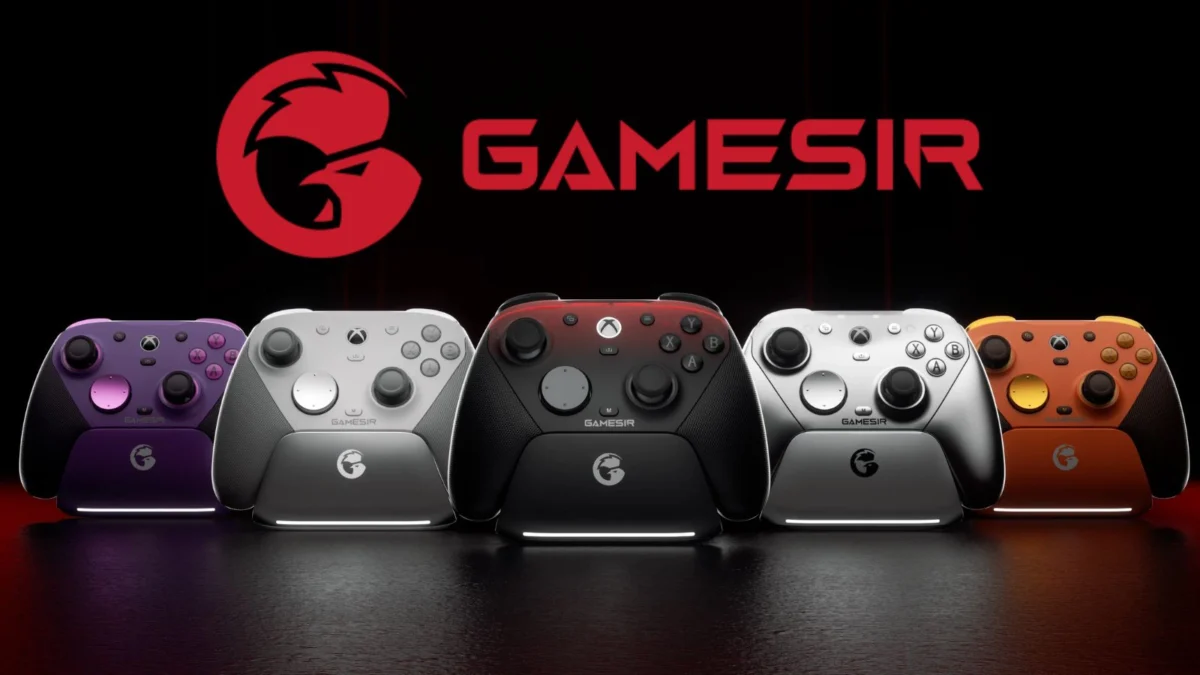
The competitive Call of Duty scene is facing a significant controversy as professional players reportedly consider a widespread boycott of GameSir controllers, citing concerns that the hardware may offer an unfair advantage. The manufacturer, GameSir, has issued a firm denial, asserting that its products are legitimate and do not contain any built-in cheats or illegal modifications. This developing situation highlights the ongoing tension between technological innovation in gaming peripherals and the need to maintain a level playing field in esports.
GameSir has rapidly gained traction within the professional Call of Duty community in recent times. Its controllers are lauded for performance-enhancing features such as high polling rates, which contribute to reduced input lag and more responsive gameplay, and customizable button mappings, allowing players to tailor controls to their specific preferences. These attributes are highly sought after by esports athletes striving for peak performance in a highly competitive environment. However, it is precisely some of these advanced features that have now brought the company under scrutiny.
The core of the controversy revolves around specific functionalities present in certain GameSir controller models, notably turbo modes and programmable macros. Turbo modes allow a single button press to be registered multiple times rapidly, mimicking a rapid-fire effect without the player physically pressing the button repeatedly. Programmable macros enable players to chain together a sequence of inputs with a single button press. Critics argue that these features can automate complex actions or create advantages that go beyond standard gameplay mechanics, potentially infringing upon the spirit of fair competition.
The discussion reportedly reached a critical point with CDL (Call of Duty League) players, who are allegedly discussing the implementation of a "gentlemen’s agreement" (GA). A GA in esports is a voluntary pact among players or teams to refrain from using certain equipment, software, or strategies deemed unfair or disruptive to the competitive integrity of the game. If enacted, such an agreement would effectively ban the use of GameSir controllers in professional matches, forcing players to revert to alternative hardware.
The potential ramifications of a widespread GA are substantial. It could lead to significant disruption in professional play, requiring players to adapt to new equipment under pressure and potentially impacting team strategies and performance. Furthermore, it raises questions about the oversight and regulation of hardware in professional esports circuits and the process by which such controversies are resolved.
GameSir’s Response and Offer of Transparency
In direct response to the growing concerns and reported discussions among CDL pros, GameSir has issued a public statement aimed at addressing the allegations head-on. The company has vehemently denied that its controllers provide any form of built-in cheats, specifically refuting claims of anti-recoil or auto-aim functionalities.
In a statement released via the social media platform X, GameSir acknowledged its awareness of the situation: "Recently it has come to our attention that several CDL pros are considering a GA against GameSir controllers, suspecting our controllers include built-in cheats." The company was clear in its rebuttal, stating, "We want to state clearly: GameSir controllers are 100% legitimate, standard hardware. We do not support or offer cheats or illegal mods, including anti-recoil and auto-aiming. And we welcome organizer inspections."
To further bolster its claims and foster trust, GameSir extended an open invitation to professional players and league organizers. The manufacturer offered to provide sample controllers for thorough testing and inspection. This proactive approach aims to allow interested parties to examine the hardware directly and verify the company’s assertions about its technology. GameSir emphasized its commitment to complete technical transparency, encouraging players and officials to delve into the internal workings of their devices.
"For any CDL pros interested in our controllers, our team is more than happy to provide sample units and complete technical transparency," the statement continued. The company specifically highlighted two of its popular PC controller models for potential testing: the Tarantula Pro 8K PC controller, characterized by its symmetrical analog stick layout, and the G7 Pro 8K PC controller, which features an asymmetrical design reminiscent of the Xbox controller.
The company concluded its statement by reiterating its core values: "Integrity is and always will be our top priority. We welcome everyone to test and verify our controllers and really appreciate your trust and support." This offer signifies GameSir’s confidence in its products and its willingness to engage constructively with the competitive community to resolve the dispute.
Background and Chronology of the Controversy
While the precise timeline of when these concerns first surfaced is not publicly detailed, the recent discussions surrounding a potential GA indicate that the issue has escalated to a point where the competitive integrity of Call of Duty is being actively debated by its top players. The popularity of GameSir controllers in the professional circuit would have grown over a period, likely stemming from their adoption by individual players or smaller teams who found them beneficial. As more players began to utilize these controllers, the perceived advantages may have become more pronounced, leading to broader discussions and eventual consideration of collective action.
The mention of "8K" polling rates in the controllers offered for testing is also noteworthy. Polling rate refers to how frequently a device reports its status to the computer. A higher polling rate, such as 8K (8000 Hz), means the controller communicates with the system 8,000 times per second, significantly faster than the standard 125 Hz or 1000 Hz found in many conventional controllers. This drastically reduced input lag can translate into quicker reactions and more fluid in-game movements, a critical factor in fast-paced titles like Call of Duty. While high polling rates are generally accepted as a legitimate performance enhancement, when combined with features like programmable macros, the cumulative effect on gameplay balance becomes a point of contention.
The esports industry, particularly at the professional level, operates under strict rules and regulations designed to ensure fairness. Governing bodies and tournament organizers often have specific policies regarding permissible hardware and software. However, the implementation and enforcement of these rules can be complex, especially when dealing with third-party peripherals that may offer advanced customization options. The current situation underscores the challenge of defining the line between acceptable technological advancement and unfair exploitation of game mechanics.
Broader Impact and Analysis of Implications
The controversy surrounding GameSir controllers has several significant implications for the esports landscape:
- Erosion of Trust and Player Autonomy: The very idea of a gentlemen’s agreement suggests a degree of distrust in existing oversight mechanisms. Players are resorting to self-regulation to maintain competitive integrity, which can be a sign of either a robust player community or a perceived lack of action from official bodies.
- Technological Arms Race: The continuous pursuit of technological advantages in gaming peripherals is an inevitable part of the industry. However, this creates an ongoing challenge for esports organizations and governing bodies to stay abreast of new developments and to create clear, enforceable guidelines. The GameSir situation exemplifies how innovations that are legitimate in a consumer context can become problematic in a professional competitive setting.
- Impact on Manufacturers: For peripheral manufacturers like GameSir, such allegations can be damaging to their reputation, even if proven unfounded. The swift and transparent response from GameSir is crucial in mitigating potential long-term damage to their brand image within the esports community. Their offer for inspection is a strong move to regain credibility.
- Precedent for Future Cases: The way this situation is resolved could set a precedent for how similar issues are handled in the future. A thorough investigation and clear ruling by official bodies, or a well-communicated player consensus, would provide valuable guidelines for other game titles and hardware manufacturers.
- Player Skill vs. Hardware Advantage: At its heart, this debate is about the balance between player skill and the advantages provided by hardware. While players are expected to master their tools, the line is drawn when those tools are perceived to automate or significantly augment skills that should be developed through practice and dedication. Features like rapid-fire macros, by definition, bypass the need for precise timing and execution by the player, leading to the core of the "unfair advantage" argument.
The Call of Duty League, along with its parent company Activision Blizzard, will be closely monitoring this situation. Their involvement or statement on the matter will be critical in determining the outcome. If a GA is indeed implemented, it would likely require official sanctioning or at least tacit approval from the league to be fully effective and to prevent potential disputes. The offer from GameSir to allow inspections provides a clear pathway for the league and its players to investigate these claims thoroughly. The integrity of professional Call of Duty hinges on a fair and transparent resolution to this burgeoning controversy.