


Anaheim, California – BlizzCon 2026, the annual celebration of Blizzard Entertainment’s iconic franchises, commenced today with an opening ceremony that delivered a cascade of monumental announcements. Under the stewardship of Xbox, the event, held in Anaheim, California, showcased a strategic vision for the future of its beloved intellectual properties, highlighted by the official unveiling of Diablo V and a groundbreaking new StarCraft title. These reveals, alongside significant updates for Diablo IV, Overwatch, Warcraft III: Reforged, and World of Warcraft, underscore a concerted effort to expand audience reach and innovate within established universes.
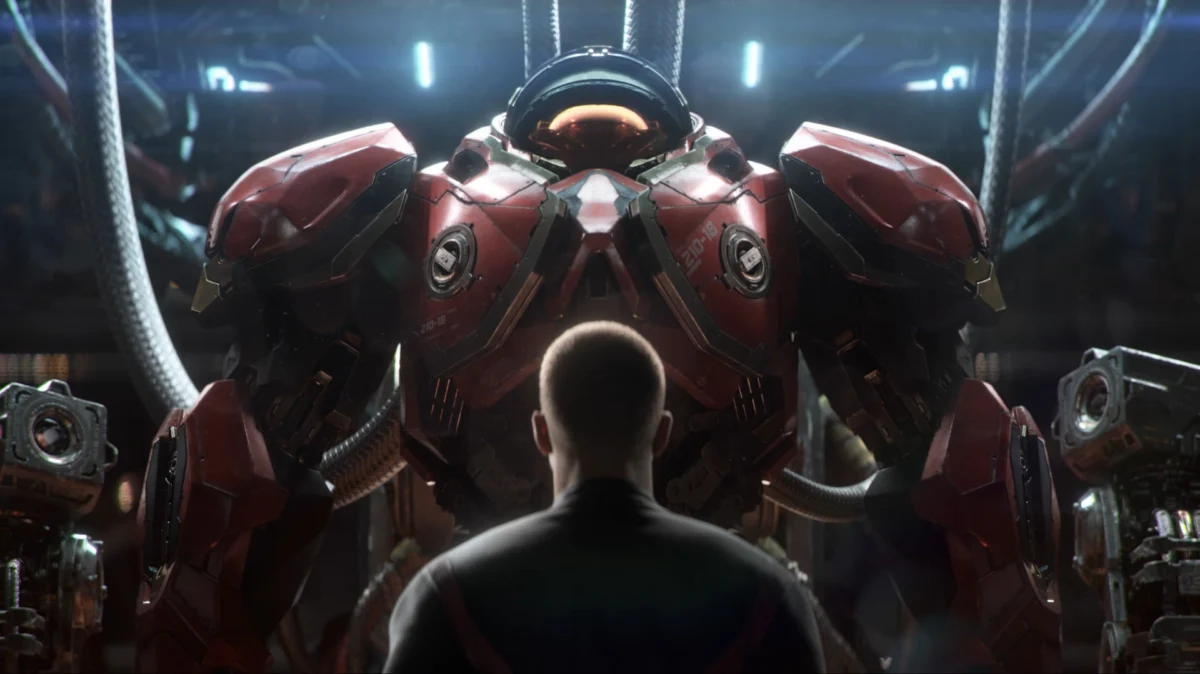
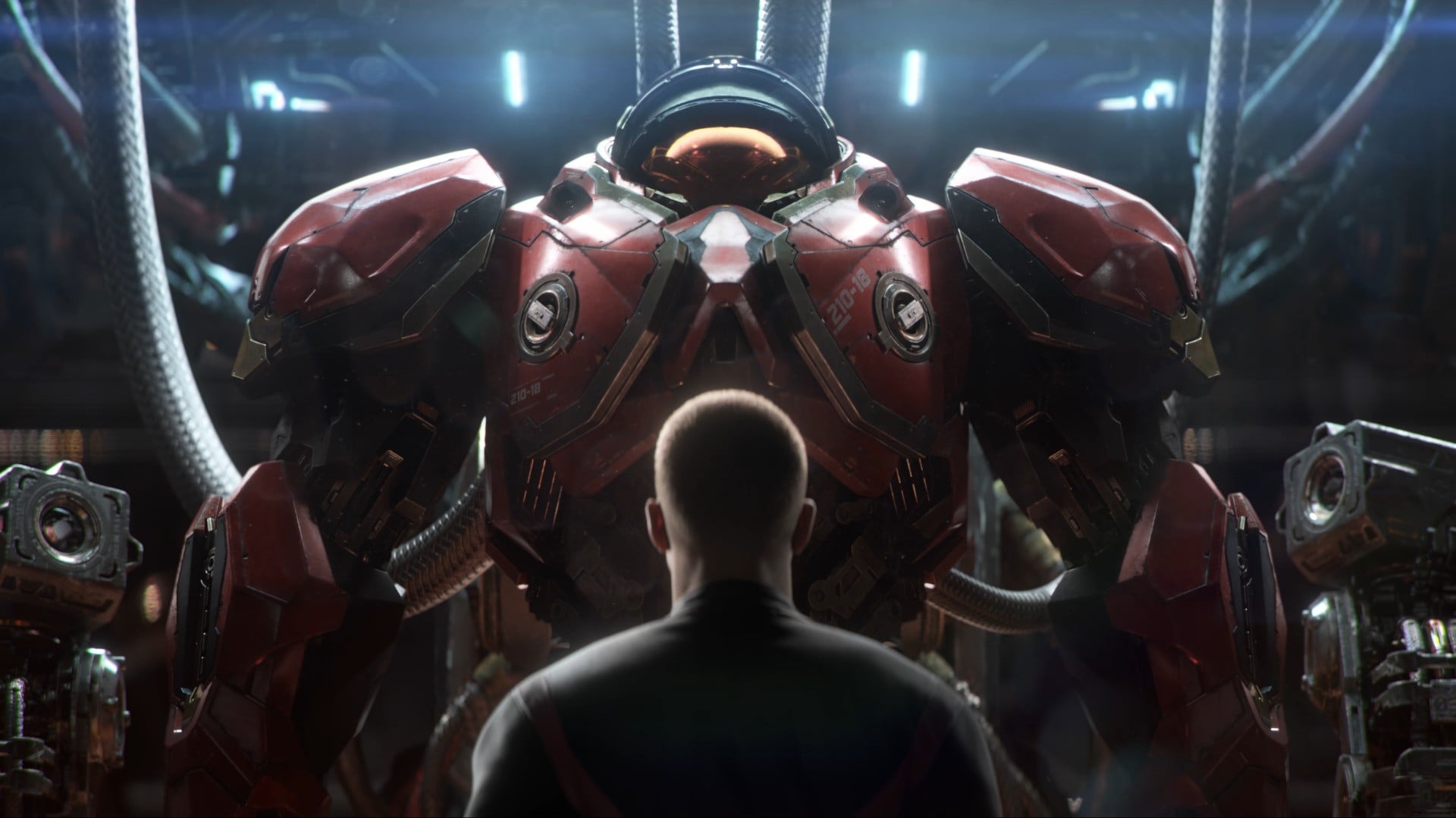
The most impactful revelations centered on two of Blizzard’s most venerable series. Diablo V is officially in development, targeting a 2029 release window. This highly anticipated sequel promises to plunge players into a narrative unlike any before, exploring a Sanctuary grappling with the aftermath of a catastrophic defeat. Even more surprising was the announcement of a new StarCraft game, slated for 2030, which marks a radical departure from its real-time strategy (RTS) roots, instead embracing an open-world shooter format. Crucially, Xbox clarified that this new StarCraft experience is unequivocally destined for consoles in addition to PC, a significant strategic pivot for a franchise historically synonymous with PC gaming.
A New Dawn for StarCraft: Open-World Shooter Confirmed for 2030
The announcement of a new StarCraft game sent ripples through the gaming community, not only for its existence but for its dramatic genre shift. Abandoning the real-time strategy format that defined its predecessors and solidified its legendary status in esports, the 2030 title will immerse players in an original open-world shooter experience. This strategic pivot represents a profound evolution for the franchise, signaling Blizzard Entertainment’s intent to broaden StarCraft‘s appeal beyond its traditional, highly competitive RTS fanbase.
For decades, StarCraft has been lauded as a titan of the RTS genre, with its intricate unit micro-management, macro-economic strategies, and compelling sci-fi lore. Titles like StarCraft: Brood War and StarCraft II: Wings of Liberty have cultivated a dedicated global community and a thriving esports scene. The decision to reimagine the franchise as an open-world shooter suggests a response to evolving market trends, where immersive, narrative-driven action games often command a larger audience. This move could potentially introduce the rich universe of the Terrans, Protoss, and Zerg to millions of new players who may have found the complexity of RTS games daunting.
Xbox’s explicit confirmation of console availability for the new StarCraft title further solidifies this strategy. As an Xbox-owned entity, Blizzard is clearly aligning with Microsoft’s broader vision of cross-platform accessibility, aiming to leverage the vast console player base. This decision contrasts sharply with the PC-centric release patterns of previous StarCraft iterations and positions the game as a potential flagship console title for the Xbox ecosystem. While details on gameplay mechanics, specific protagonists, or narrative arcs remain sparse, the promise of exploring the "farthest reaches of the stars" in an open-world setting offers tantalizing possibilities for environmental storytelling and player agency within the iconic sci-fi universe. The year 2030 provides a substantial development window, suggesting an ambitious project designed to meet contemporary expectations for open-world titles, from vast explorable areas to robust progression systems.
Diablo V: A Post-Apocalyptic Vision for 2029
Following the immense commercial success of Diablo IV, which shattered sales records upon its 2023 launch, the confirmation of Diablo V for Spring 2029 was met with enthusiastic anticipation. The most striking detail shared about the next installment in the venerable action RPG series is its audacious narrative premise: "after the loss. Sanctuary has fallen. Diablo has won." This stark declaration signals a dramatic shift from previous Diablo titles, which typically revolve around the eternal struggle against the Prime Evils and the eventual, if temporary, triumph of humanity.
Diablo V promises to explore a world where the forces of Hell have achieved a decisive victory, leaving Sanctuary ravaged and its inhabitants broken. This narrative direction opens up unprecedented storytelling opportunities, allowing the developers to delve into themes of survival, desperation, and the profound psychological impact of overwhelming defeat. Players will likely find themselves navigating a bleak, post-apocalyptic landscape, grappling with the remnants of civilization and the existential question of "what we become when the world we knew is gone." This premise suggests a darker, more introspective journey than past entries, potentially focusing on smaller, more desperate acts of heroism or the grim realities of living under infernal rule.
The four-year development window for Diablo V indicates a significant undertaking, likely leveraging and expanding upon the robust engine and live-service foundations established by Diablo IV. Fans can anticipate advancements in graphics, gameplay systems, and perhaps even more dynamic world interactions to reflect the fallen state of Sanctuary. The explicit mention of a new narrative starting point, where "the series has never let us stand," guarantees a fresh perspective for long-time fans, challenging their understanding of the Diablo universe and its cyclical conflicts. This bold narrative choice could redefine the stakes and emotional core of the franchise, offering a truly unique experience within the beloved dark fantasy world.
Expanding Sanctuary: Diablo IV’s Ongoing Evolution and Switch 2 Debut
Even with Diablo V on the horizon, Diablo IV continues to receive substantial support and expansion, affirming Blizzard’s commitment to its live-service model. The imminent arrival of the "Season of Hell’s Legacy" on September 15, 2026 (this Tuesday), is poised to celebrate 30 years of the Diablo franchise with a wave of nostalgic and challenging content. This anniversary season will see the return of the Prime Evils, including the Lord of Terror himself, Diablo, alongside the beloved scholar Deckard Cain. Players can expect new challenges in the form of Nightmare Rifts, anniversary rewards, and gear inspired by every era of the series, providing a rich tapestry of content that honors the franchise’s extensive history.
Looking further ahead into the first half of 2027, Diablo IV will introduce the Amazon as its next playable class. Wielding her signature javelin, the Amazon is a classic fan-favorite character from Diablo II, known for her versatile combat style encompassing ranged projectile attacks and close-quarters spear skills. Her inclusion signifies a continued effort to expand character diversity and gameplay options within Diablo IV, catering to players seeking fresh combat experiences.
In a significant move for console players, it was also revealed that Diablo IV will be available on the upcoming "Switch 2" console at its launch. This expansion to Nintendo’s next-generation platform broadens Diablo IV‘s reach considerably, allowing a new segment of players to experience the dark fantasy action on a portable yet powerful device. This cross-platform strategy aligns with Xbox’s broader initiative to bring its marquee titles to as many players as possible, capitalizing on the potential for increased sales and community engagement across different ecosystems.
From Screen to Stream: Diablo Animated Series on Netflix
In a testament to the growing trend of transmedia adaptations within the gaming industry, Blizzard Entertainment announced a partnership with Netflix for a new animated Diablo series. While details regarding the series’ specific plot, animation style, or release window were not disclosed, the collaboration with Netflix, a global streaming giant, highlights the immense narrative potential of the Diablo universe beyond its interactive gaming format.
This announcement follows a pattern of successful video game adaptations on Netflix, such as Castlevania and Arcane (based on League of Legends), which have demonstrated the appetite for high-quality animated content derived from popular game IPs. The rich lore of Sanctuary, with its eternal conflict between angels and demons, complex characters like Lilith and Inarius, and sprawling history, provides fertile ground for compelling storytelling. A Diablo animated series could explore facets of the universe not fully delved into within the games, offer origin stories for key figures, or present entirely new narratives set within the apocalyptic world. This expansion into television not only serves to entertain existing fans but also acts as a powerful marketing tool, potentially drawing new audiences into the Diablo game franchise by introducing them to its captivating world through a different medium.
Overwatch’s Evolving Battleground: New Hero, Reworks, and Story Conclusion
Overwatch, Blizzard’s team-based hero shooter, received significant updates, reflecting its ongoing commitment to a dynamic live-service model. Season 5 introduces a new Support Hero named Doctrine, described as a life-draining, vampire-inspired healer who commands bat-like drones. Players attending BlizzCon can experience Doctrine firsthand, with a limited-time trial period for home players also available. This addition promises to shake up the meta, offering new strategic possibilities for healing and utility within team compositions.
Alongside Doctrine’s debut, major reworks for fan-favorite heroes Sombra and Roadhog were announced. These reworks are designed to refresh gameplay, address balance issues, and potentially re-invigorate interest in these characters, providing new challenges and opportunities for players. A new map, Watchpoint: Grimsvotn, will also be added, expanding the diverse array of battlegrounds available in Overwatch.
Season 5 also marks a significant narrative milestone, concluding "The Reign of Talon," the first year-long story arc in Overwatch history. The developers teased that this conclusion "does not end quietly," promising a dramatic climax to the ongoing conflict between Overwatch and the terrorist organization Talon. This focus on long-form storytelling indicates a deeper commitment to the lore and character development within the Overwatch universe, providing more context and motivation for the game’s ever-expanding roster of heroes and villains. Further plans for the year will be detailed in the next Overwatch Spotlight in February 2027, ensuring a continuous stream of content and narrative progression for the dedicated player base.

Warcraft’s Enduring Legacy: Reforged DLC and World of Warcraft: Forever
The Warcraft universe, Blizzard’s foundational fantasy IP, also received substantial attention, spanning both its classic RTS roots and its enduring MMORPG. Warcraft III: Reforged, the remastered version of the beloved real-time strategy classic, surprisingly received its first new campaign content in over 20 years with the immediate release of "Warcraft III Reforged: Forsaken Kingdom" on Xbox and PC. This DLC invites players to "raise your tattered banners" and command forces in new battlefields, fighting alongside both familiar and new heroes. This unexpected content drop is particularly noteworthy given the mixed reception of Reforged upon its initial launch, suggesting a renewed commitment to the title and an effort to build upon its legacy. The addition of new campaigns, particularly after such a long hiatus, is a significant gesture towards the dedicated Warcraft III community.
For the monumental MMORPG, World of Warcraft, two major announcements solidified its future trajectory. "World of Warcraft: Forever" was unveiled, scheduled for launch on November 4, 2026. This title, potentially representing a new era or a significant evolution of the World of Warcraft experience, promises a new playable race, unseen powers, and untrodden lands for players to explore. An early beta for WoW: Forever will commence on September 17, 2026, accessible to those who pre-purchase the "Skyborne Epic Pack" or the "Warcraft Forever Collection."
Further enriching the World of Warcraft saga, the "The Last Titan" expansion was confirmed for release in 2027. While details were sparse, this title suggests a continuation of the overarching narrative involving the Titans and the cosmic forces shaping Azeroth. These announcements collectively indicate a robust long-term plan for World of Warcraft, demonstrating Blizzard’s commitment to maintaining the game’s position as a cornerstone of the MMORPG genre through continuous innovation and narrative expansion. The simultaneous focus on a potential new iteration ("Forever") and a traditional expansion ("The Last Titan") suggests a multifaceted strategy to cater to both existing veterans and potentially new players.
Microsoft’s Strategic Hand: Cross-Platform Future and IP Diversification
The overarching theme of BlizzCon 2026 was undoubtedly the visible influence of Microsoft’s ownership. The explicit confirmation of the new StarCraft game for consoles, the Diablo IV launch on "Switch 2," and the general emphasis on broader accessibility for Blizzard’s titles clearly illustrate a strategic alignment with Xbox’s ecosystem vision. This represents a significant shift for Blizzard, historically a PC-centric developer, and underscores Microsoft’s intent to leverage these powerful IPs across multiple platforms to maximize reach and revenue.
Industry analysts suggest that this strategic pivot is a calculated move to diversify Blizzard’s portfolio, not only in terms of platforms but also in genre. The StarCraft genre shift, in particular, highlights a willingness to innovate and experiment with beloved franchises to attract new audiences, potentially capitalizing on the immense popularity of open-world action games. Furthermore, the robust content pipeline for Diablo IV and Overwatch, coupled with the ambitious plans for World of Warcraft and transmedia efforts like the Diablo Netflix series, paint a picture of a revitalized and well-resourced Blizzard Entertainment. This renewed energy, backed by Microsoft’s financial and technological might, positions Blizzard to reclaim its status as a leading innovator in the gaming industry.
A Look Ahead: BlizzCon 2026’s Industry Impact
BlizzCon 2026 has set a clear trajectory for Blizzard Entertainment’s future, one characterized by bold departures, sustained live-service support, and strategic cross-platform expansion. The announcements, spanning highly anticipated sequels, genre-redefining experiments, and extensive content updates, promise a vibrant and evolving landscape for fans of the Diablo, StarCraft, Overwatch, and Warcraft universes. With release windows stretching into the next decade, the event provided a compelling roadmap, demonstrating that under Xbox’s ownership, Blizzard is poised to embark on an ambitious new chapter, aiming to both honor its legacy and forge new frontiers in interactive entertainment.
[source news.xbox.com]