


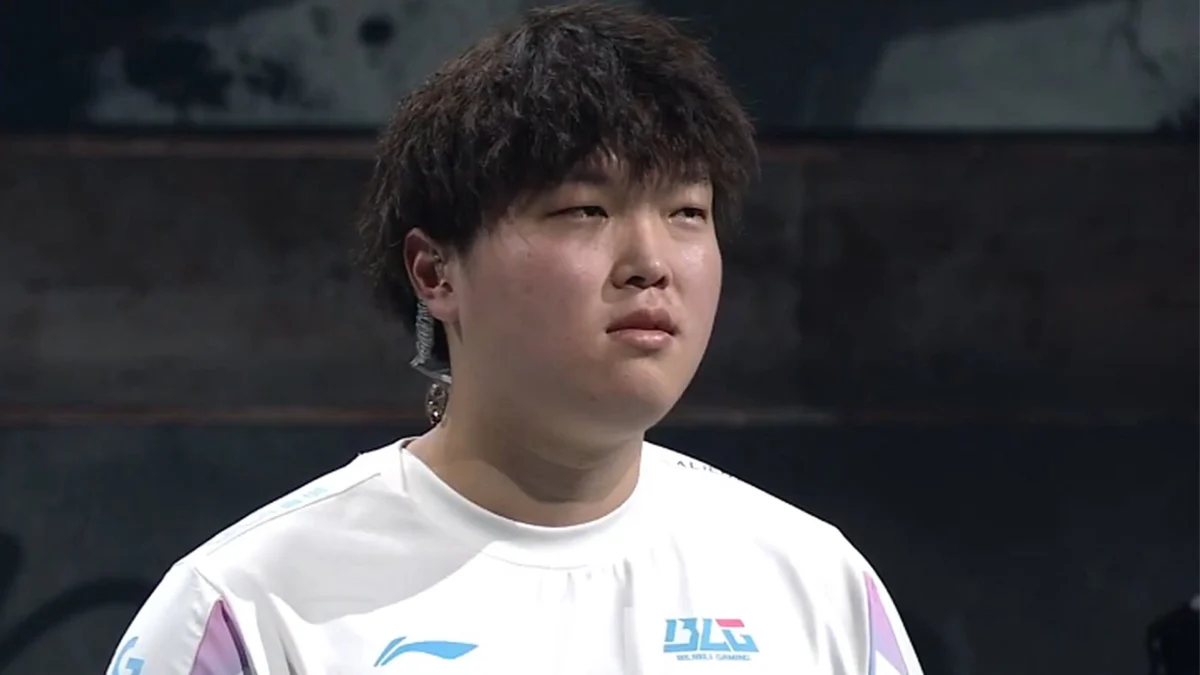
The League of Legends Pro League (LPL) has levied significant penalties against Top Esports player Chen "Bin" Zebin and his team, Billibilli Gaming (BLG), following an incident where Bin allegedly refused to engage in mandatory high-fives with fans after a decisive victory against EDward Gaming (EDG). The ruling, issued by the LPL administration, underscores the league’s commitment to maintaining professional conduct and ensuring a positive fan experience, even in the face of celebrated in-game achievements. The financial repercussions for both the player and the organization highlight the seriousness with which the league treats contractual obligations and player-team-fan interactions.
The incident occurred on Wednesday, June 3rd, after BLG secured a dominant 3-0 sweep over EDG in a highly anticipated LPL matchup. While the victory itself was a cause for celebration for BLG and their supporters, the post-match ceremonies became the focal point of a league investigation. According to the official statement released by the LPL, Bin’s failure to perform the expected on-stage interactions, specifically the high-five gesture towards the audience, was deemed a breach of his contractual obligations as a professional player within the league. This omission, however minor it may seem to some, was interpreted by the LPL as a disruption to the match’s conclusion and a negative impact on the enthusiasm and viewing experience of the spectators.
Chronology of Events and LPL’s Investigation
The LPL’s disciplinary process began shortly after the match concluded. The league, acting on reports and observations of the post-game proceedings, initiated a formal investigation into Bin’s conduct. This process involved reviewing footage of the match’s conclusion, consulting league regulations, and potentially gathering statements from relevant parties, including team management and on-site event personnel.
The investigation, as detailed in the LPL’s statement, also extended to the supervisory and management practices of Billibilli Gaming. The league concluded that the team’s internal management of player behavior and pre-match preparation was "inadequate." This finding suggests that BLG may not have sufficiently briefed or prepared its players on their mandatory post-match responsibilities, or that their oversight in ensuring these responsibilities were met was lacking. The LPL’s stance implies a shared responsibility between the player and the team in upholding league standards.
Following the conclusion of the investigation, the LPL rendered its verdict, announcing a multi-faceted penalty. Bin himself was fined a substantial sum of ¥150,000 (approximately $22,000 USD). In addition to the financial penalty, he was subjected to public criticism and mandated to undergo "relevant training and education." This educational component suggests the LPL’s intent to not only punish but also to reinforce professional conduct and awareness among its players.
Billibilli Gaming was not exempt from sanctions. The team was fined ¥50,000 (approximately $7,300 USD) and issued a public reprimand. This dual penalty for the player and the team underscores the LPL’s view that player conduct is intrinsically linked to team management and organizational accountability. The substantial fines, particularly for the player, reflect the league’s position that even seemingly small deviations from expected behavior can have significant consequences when they pertain to contractual agreements and fan engagement.
LPL’s Official Statement and Rationale
The LPL’s official statement, as conveyed through its official channels and later reported by various esports news outlets, was clear in its justification for the penalties. The league articulated its expectations for professional conduct, stating, "Players should strictly adhere to professional conduct and maintain a positive attitude both on and off the field, respecting the competition and the audience." This statement frames the high-five incident not merely as a missed gesture, but as a failure to demonstrate respect for the competition and the individuals who support it.
Furthermore, the league addressed the broader implications for team management. The statement emphasized the need for clubs to "comprehensively improve their management mechanisms to prevent similar incidents from recurring." This directive signals a proactive approach by the LPL, aiming to prevent future breaches by ensuring robust internal policies and practices within all participating organizations. The concluding remarks, "We hope that all league personnel will learn from this incident, adhere to professional standards, and cherish every viewer," reinforce the league’s overarching goal of fostering a professional and fan-centric environment.

Background of Player-Fan Interaction in Esports
The incident involving Bin raises broader questions about the evolving nature of player-fan interactions in professional esports. In many established sports leagues, post-match engagements such as acknowledging the crowd, signing autographs, or participating in ceremonial gestures are integral parts of the fan experience and often stipulated in player contracts. The LPL, as one of the premier League of Legends leagues globally, has established its own set of expectations to formalize these interactions.
The high-five, in particular, is a universally recognized gesture of camaraderie and appreciation. In the context of a live esports event, it serves as a direct and immediate way for players to connect with their supporters, acknowledging their presence and shared enthusiasm. For fans who have invested time and often significant financial resources to attend matches, these moments of direct interaction can be highly valued. The VIP ticket section, as suggested by some fan reactions, often implies a premium experience that includes enhanced access or interaction opportunities, making the omission of a high-five in such areas particularly noteworthy.
The LPL’s contractual obligations for players likely encompass a range of on-stage and off-stage behaviors designed to uphold the league’s image and foster positive relationships with its fanbase. These obligations can vary in scope but often include media appearances, promotional activities, and, crucially, post-match fan engagement protocols. Bin’s alleged failure to comply with these specific protocols, regardless of his performance in the game, placed him in violation of these established league rules.
Fan Reactions and Broader Implications
The LPL’s decision has elicited a spectrum of reactions from the esports community. On social media platforms like X (formerly Twitter), opinions have been divided. Some fans expressed disbelief, questioning the severity of the punishment for what might be perceived as a minor oversight. Comments such as "This is a prank, right?" reflect a sentiment that the penalty might be disproportionate to the offense.
Conversely, a significant portion of the fanbase and observers have supported the LPL’s decision. These individuals argue that Bin, as a professional athlete, has a responsibility to adhere to the rules and contractual obligations set forth by the league and his team. The argument that fans, particularly those in premium seating areas, have paid for a certain level of interaction, adds weight to the LPL’s stance on fan experience. The statement, "VIP is probably hella expensive, and fans paid extra for that interaction," encapsulates this perspective, highlighting the perceived value of these engagement opportunities for paying spectators.
The financial penalties, totaling ¥200,000 (approximately $29,300 USD) when combined for the player and the team, represent a significant financial commitment. For the player, ¥150,000 is a substantial portion of his potential earnings, and for the team, ¥50,000 serves as a tangible consequence for management oversight. These figures are not arbitrary; they are calibrated to serve as a deterrent and to underscore the league’s seriousness.
The long-term implications of this ruling extend beyond this single incident. It sets a precedent for how the LPL will enforce its regulations regarding player conduct and fan interaction. Teams will likely face increased scrutiny regarding their internal management practices, and players will be expected to maintain a higher level of awareness regarding their responsibilities. The LPL’s emphasis on "training and education" for Bin also suggests a forward-looking approach, aiming to cultivate a more professional and fan-attuned generation of esports athletes.
Furthermore, this incident highlights the growing professionalization of esports. As the industry matures and attracts larger audiences and investments, the expectations for player behavior and organizational conduct mirror those of traditional sports. The LPL’s actions align with this trend, demonstrating a commitment to maintaining a polished and professional league image that can attract and retain sponsors and fans alike.
As of the reporting of this article, neither Bin nor Billibilli Gaming has issued a public statement directly addressing the LPL’s fine and reprimand. The silence from the player and the team may indicate an acceptance of the LPL’s decision or a period of internal deliberation on how to best respond. However, the LPL’s official statement stands as the definitive account of the incident and the subsequent disciplinary actions, leaving little room for ambiguity regarding the league’s expectations for its participants. The incident serves as a potent reminder that in the high-stakes world of professional esports, performance on the Rift is only one facet of a player’s overall responsibility.