


Valorant esports is poised for a significant evolution in 2027 with the introduction of a revamped VCT (Valorant Champions Tour) structure. This upcoming season will feature a series of open qualifying tournaments preceding the annual kick-off event, alongside Masters and Cup competitions. This shift aims to inject a renewed sense of unpredictability and accessibility into the professional Valorant landscape.
Under the new system, eight established partner teams will retain their automatic qualification slots for major VCT events. However, they will now be joined by four teams emerging from the open qualifiers, a move designed to foster a more dynamic and meritocratic competitive environment. This alteration is anticipated to bring a fresh wave of talent and unexpected outcomes, a prospect that has resonated with both fans and players alike.
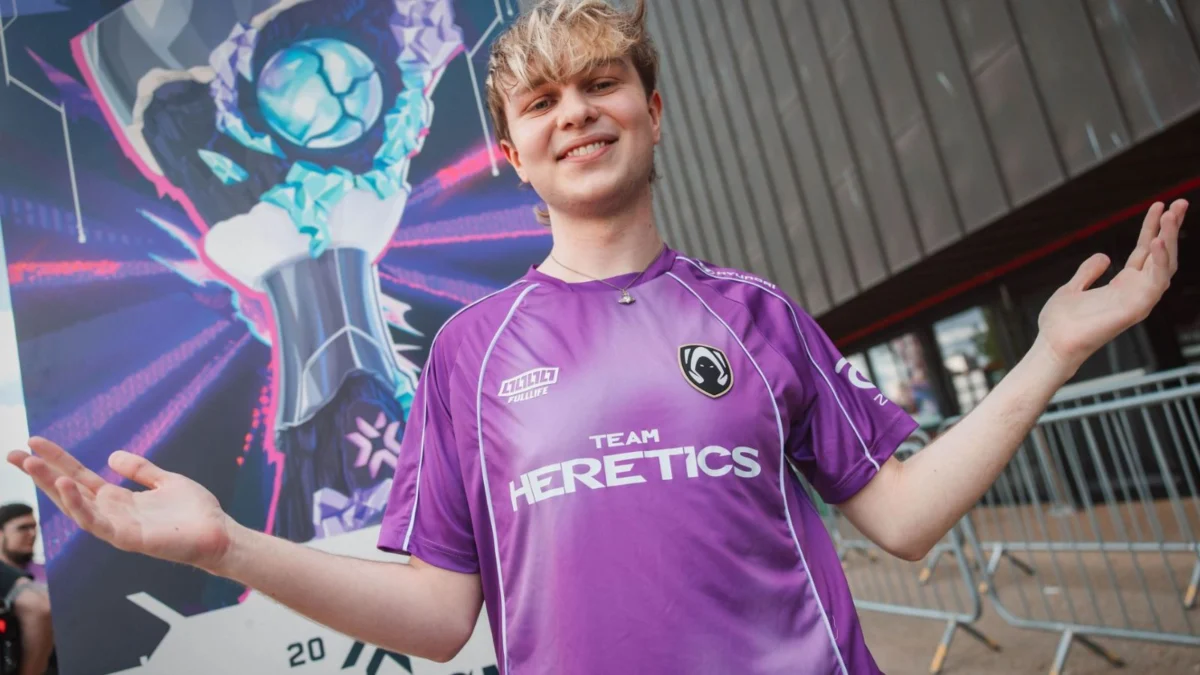
Benjy "BENJYFISHY" Fish, a prominent figure in the Valorant scene and a key player for Team Heretics, shared his perspective on these forthcoming changes with Dexerto. "It will put more eyes on tier 2 and unknown players, which I think is always good," Fish stated. "It will cause a lot of upsets and unknown players getting to prove themselves." This sentiment underscores the potential for the new format to elevate emerging talent and create compelling narratives beyond the established top-tier organizations.
Reflecting on Team Heretics’ 2026 Season: A Year of Unmet Expectations
Benjy Fish, a former Fortnite esports champion, has carved out a significant niche for himself in the Valorant competitive arena. His contributions were instrumental in Team Heretics securing their inaugural VCT title in 2024 and subsequently capturing the prestigious Esports World Cup (EWC) trophy in 2025. These achievements solidified his status as a multi-esports star, capable of performing at the highest level across different titles.
However, the 2026 season proved to be a significant departure from the team’s previous successes. Following a strong start with a VCT EMEA Stage One victory, Team Heretics experienced a noticeable dip in performance. They were unable to replicate their previous championship form at the Esports World Cup and failed to secure a top-four placement in subsequent major tournaments. This decline in results fell considerably short of the high expectations set by their fanbase and the broader esports community.
"Honestly, our performances this year were not up to our standard," Fish admitted. "Although we won EMEA, I was disappointed with how we played in London considering it was my home tournament." The disappointment stemming from a home-turf performance, especially after achieving regional dominance earlier in the year, highlights the psychological toll of underperformance.

Fish delved deeper into the factors contributing to the team’s struggles. "I think it came down to a number of reasons; it wasn’t just one problem that made us perform bad, but I think our mental was not as strong this year as it was in the past," he explained. This introspection points towards potential issues with team synergy, resilience under pressure, or perhaps burnout after a demanding period of success. The mental aspect of esports, particularly in high-stakes environments, is often as crucial as mechanical skill and strategic prowess. A decline in mental fortitude can cascade into broader performance issues, affecting communication, decision-making, and overall team cohesion.
The period following their VCT EMEA Stage One victory in 2026 marked a turning point. While the win itself was a testament to their capabilities, it appeared to be a high watermark that the team struggled to build upon throughout the remainder of the year. The subsequent inability to defend their Esports World Cup title, a tournament that had seen them triumph the year prior, signaled a potential shift in the competitive balance or internal challenges within Team Heretics. Failing to consistently reach the upper echelons of other major tournaments further underscored these difficulties. This downturn in form, following a period of sustained success, is a common narrative in esports, often attributed to a combination of factors including increased competition, strategic adaptation by rivals, and internal team dynamics.
BENJYFISHY’s Focus: Rebuilding Confidence and Strategic Adjustments
The absence of Team Heretics from the prestigious Valorant Champions tournament in Shanghai this year has afforded the team an extended off-season. This period of respite presents a valuable opportunity for reflection, recalibration, and strategic planning ahead of the 2027 season.
For Benjy Fish personally, the immediate focus during this break is clear. "I think for me, I just want to focus on grinding the game and being confident in my ability," he articulated. This self-directed approach emphasizes the importance of individual skill development and the restoration of self-assurance, which may have been tested by the team’s recent performance. "I know how high of a ceiling I can hit and I just need to work towards it," Fish added, demonstrating a strong belief in his own potential and a commitment to reaching peak performance levels. This personal drive is essential for any player aiming to maintain a leading position in the highly competitive Valorant scene.
Beyond personal development, Fish also expressed his views on potential meta shifts and agent balance. He indicated that he "would be happy" if Riot Games, the developer of Valorant, were to implement buffs for the current roster of Sentinels. The Sentinel class, characterized by defensive agents like Cypher, Killjoy, Sage, and Chamber, plays a crucial role in locking down sites and controlling map areas. A potential buff could re-emphasize their importance or introduce new strategic dimensions to the game.
Conversely, Fish also shared a specific desire for agent adjustments: "Benjy is also looking to see Neon hit with a ‘small’ nerf at some point." Neon, an Initiator known for her high mobility and aggressive playstyle, has been a potent force in the meta. A "small" nerf suggests a desire for fine-tuning rather than a significant reduction in her viability, likely aimed at addressing specific aspects of her kit that might be perceived as overly dominant or difficult to counter. Such balance changes are a constant in evolving esports titles, reflecting Riot Games’ commitment to maintaining a healthy and dynamic competitive environment.
BENJYFISHY’s Comfort and Consistency with Logitech G Superlight 2

In terms of his personal setup and equipment, Benjy Fish maintains a philosophy of consistency and comfort. He is not looking to make significant overhauls during his time away from competitive play. For him, the primary criterion for gaming peripherals, particularly his mouse, is its ability to become an almost invisible extension of his own capabilities.
"For me, the most important thing about a mouse is that I do not think about it while I’m playing and for it to be an extension of my hand," Fish explained. "It’s very important for me to perform well; if I find a mouse uncomfortable, then it can distract me." This statement highlights the critical link between peripheral comfort and peak performance in high-pressure gaming scenarios. Any physical discomfort or distraction can lead to misclicks, hesitation, or a general loss of focus, directly impacting gameplay.
The Logitech G Pro X Superlight 2 has emerged as his preferred tool for achieving this seamless integration. "It’s the mouse I’m the most comfortable on," Benjy confirmed. "For me, there are only positives to using it, and I don’t like to change what works." This endorsement speaks to the quality and reliability of the Superlight 2, a peripheral widely adopted by professional gamers across various esports titles. Its lightweight design, ergonomic shape, and responsive sensor are often cited as key factors contributing to its popularity.
The decision to stick with a proven and comfortable setup is a strategic one. In the demanding world of professional esports, where split-second reactions and consistent execution are paramount, minimizing variables and relying on familiar tools can provide a significant psychological edge. The "if it ain’t broke, don’t fix it" mentality is often a sound approach for elite athletes, allowing them to channel their focus entirely on their in-game performance rather than being preoccupied with their equipment. This commitment to his Logitech G Superlight 2 underscores Benjy Fish’s dedication to maintaining his performance standards through reliable and trusted gear.
The broader implications of the new VCT structure extend beyond just player interest. The inclusion of open qualifiers is a significant step towards democratizing access to the top tier of Valorant esports. Historically, franchise or partnership models, while offering stability, can sometimes create barriers to entry for talented but unestablished teams. By incorporating a more robust open qualifier system, Riot Games is signaling a commitment to a more meritocratic ecosystem where consistent performance, regardless of organizational backing, can lead to a shot at the global stage. This could foster greater diversity in team representation and introduce new playstyles and strategies that challenge the established meta. The potential for "upsets" that Benjy Fish mentioned is not merely about entertainment; it’s about the organic growth of the competitive scene, where new narratives and rivalries can emerge, captivating a wider audience.
Furthermore, the increased focus on tier 2 talent could lead to greater investment and development within the semi-professional circuits. Teams and organizations may be more inclined to scout and nurture emerging talent, knowing that there is a clearer pathway to VCT participation. This could result in a more robust and sustainable talent pipeline, benefiting the entire Valorant esports ecosystem in the long run. The success of players like Benjy Fish, who have transitioned from other esports and proven their mettle, serves as an inspiration and a blueprint for aspiring professionals navigating this evolving landscape. His journey with Team Heretics, marked by both triumphant highs and challenging lows, offers a valuable perspective on the resilience and adaptability required to thrive at the pinnacle of esports. As the VCT prepares for its 2027 iteration, the focus will undoubtedly be on how these structural changes translate into exciting and unpredictable competition, with players like Benjy Fish at the forefront of these evolving narratives.