


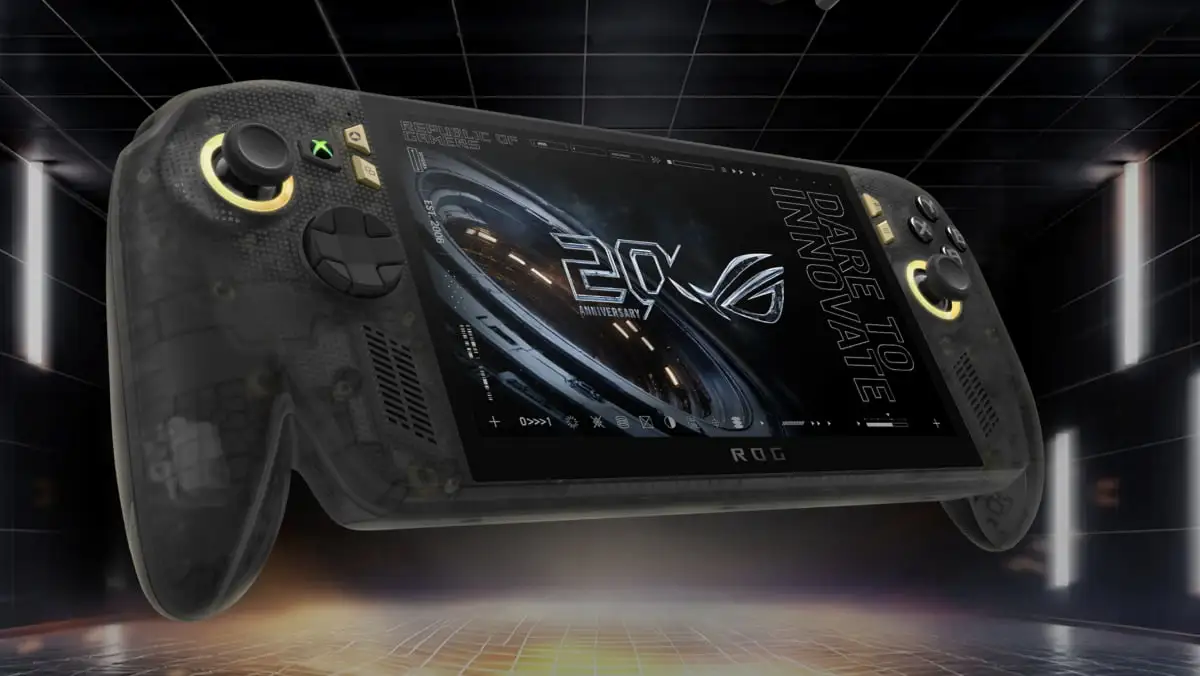
The burgeoning market for high-fidelity handheld gaming PCs has seen a new contender emerge from the shadows, with leaked details and imagery of a refreshed Asus ROG XBOX Ally model, tentatively dubbed the X20, surfacing online. This anticipated iteration appears to build upon the foundation of its predecessor, the ROG XBOX Ally X, by introducing a significantly upgraded display and notable enhancements to its control inputs. While official specifications and pricing remain unconfirmed, the leaked information points towards a device poised to challenge the existing premium handheld landscape.
The most striking revelation is the inclusion of an OLED display, a feature long speculated for future iterations of premium handhelds. This upgrade promises a substantial leap in visual fidelity compared to the LCD panel found in previous models. The leaked specifications indicate a slightly larger screen, measuring 0.4 inches more diagonally, which, combined with the inherent advantages of OLED technology – deeper blacks, superior contrast ratios, and vibrant colors – is expected to offer a more immersive and visually arresting gaming experience. Furthermore, the panel is rumored to boast a Full HD resolution and a 120Hz refresh rate, complemented by FreeSync Premium Pro support. This combination is crucial for delivering fluid, tear-free gameplay, especially in fast-paced titles.
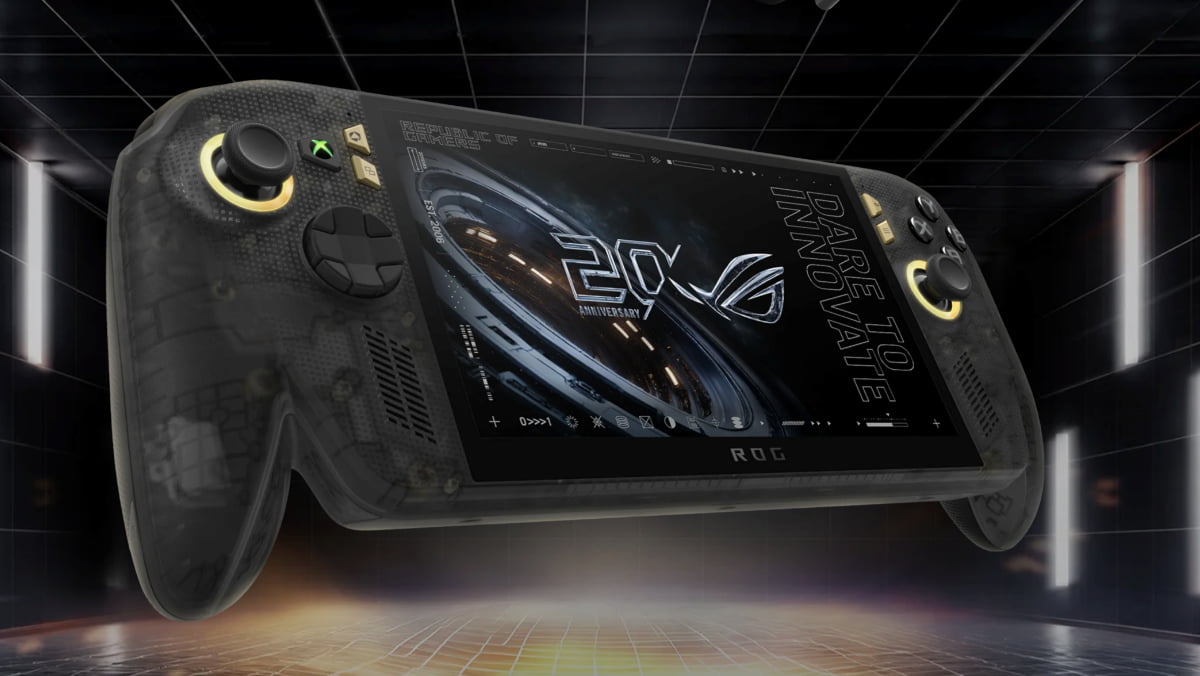
Beyond the display, the ROG XBOX Ally X20 is also reported to feature updated control mechanisms. The inclusion of "TMR thumbsticks" suggests a next-generation analog stick design, potentially offering enhanced precision, durability, or perhaps even hall effect sensors to mitigate stick drift, a common issue with traditional analog sticks. Additionally, a "transforming D-pad" has been mentioned, hinting at a more versatile directional pad that could adapt its form or function to better suit different game genres or player preferences. These refinements in control are critical for a device that aims to bridge the gap between traditional console controllers and the tactile feedback expected from dedicated gaming hardware.
Background and Previous Iterations
The ROG XBOX Ally X20 is the third significant iteration of Asus’s foray into the handheld PC gaming market, following the initial launch of the ROG XBOX Ally and the subsequent “X” variant. The original ROG XBOX Ally, released in mid-2023, positioned itself as a premium alternative to existing handheld PCs, emphasizing powerful AMD Z1 Extreme processing capabilities and a Windows 11 operating system, allowing for a vast library of PC games. It garnered praise for its performance and versatility but faced scrutiny over its battery life and the relatively high price point.
The ROG XBOX Ally X, introduced later, aimed to address some of the shortcomings of the original. While retaining the core performance, it often included upgrades or bundles designed to enhance the user experience, though specific hardware revisions were less pronounced than the expected changes in the X20. This iterative approach has been a hallmark of the handheld PC segment, with manufacturers constantly seeking to optimize performance, efficiency, and user interface.
The OLED Advantage
The adoption of an OLED display by Asus for the ROG XBOX Ally X20 is a significant development that aligns with industry trends in premium display technology. OLED panels are renowned for their self-emissive pixels, meaning each pixel generates its own light. This allows for perfect blacks, as inactive pixels are completely turned off, leading to an infinite contrast ratio. The color reproduction on OLED displays is also exceptional, with wider color gamuts and more saturated hues compared to traditional LCDs.
For gaming, these characteristics translate into a more visually striking experience. Games with dark environments will appear richer and more atmospheric, while vibrant in-game worlds will pop with increased intensity. The reduced motion blur, a common artifact on some LCD panels, is also typically minimized on OLEDs due to their faster pixel response times. The 120Hz refresh rate, when paired with FreeSync Premium Pro, ensures that the visual output remains exceptionally smooth, reducing perceived lag and improving the overall responsiveness of the device, particularly crucial for competitive gaming.
Asus’s statement regarding the display, "While this has been a common request since day one, we wanted to give gamers a display that was truly gaming-focused, and after years of R&D, we’ve got one with all the right specs. This Nebula HDR Display offers a Full HD resolution with a 120Hz refresh rate and FreeSync Premium Pro support – an absolute must-have on any gaming display. Once you experience the silky-smooth gameplay that VRR provides, it’s impossible to go back,” underscores the company’s commitment to delivering a top-tier visual experience. The term "Nebula HDR Display" suggests proprietary enhancements by Asus in the HDR (High Dynamic Range) implementation, aiming to further boost contrast and color depth.
Control Enhancements: Precision and Versatility
The reported upgrades to the thumbsticks and D-pad are equally noteworthy. The longevity and precision of analog sticks are paramount for handheld gaming. Issues like stick drift, where the analog input registers movement even when the stick is not being touched, can severely impact gameplay and user satisfaction. If the "TMR thumbsticks" are indeed Hall effect sensors or employ a similar technology, they would offer a significant improvement in durability and accuracy over traditional potentiometers. Hall effect sensors use magnetic fields to detect movement, eliminating the physical contact and wear that can lead to drift over time.
The "transforming D-pad" is more enigmatic but suggests an innovative approach to directional input. This could manifest in several ways: a D-pad that can switch between a traditional four-way directional input and a more fluid, circular feel for games requiring finer directional control, or perhaps even customizable button layouts that can be reconfigured on the fly. Such versatility could cater to a wider range of game genres, from retro platformers that benefit from precise directional inputs to fighting games that demand quick and responsive D-pad commands.
Bundled Accessories and Potential Pricing Implications
Adding another layer to the leaked information is the potential bundling of the ROG XBOX Ally X20 with the ROG XREAL R1 Edition 20 Gaming AR Glasses. The inclusion of augmented reality eyewear with a handheld gaming device presents an interesting, albeit perhaps niche, proposition. AR glasses aim to overlay digital information or interactive elements onto the real world, potentially offering new ways to experience games or interact with the device. However, the practical application and appeal of such a bundle for the mainstream handheld gaming audience remain to be seen. It raises questions about whether the primary focus of the X20 is truly its upgraded internal display or if it’s part of a broader push into immersive gaming technologies.
The cost of such a device is a critical factor, especially given the premium nature of the components and the historical pricing of similar hardware. While specific figures are unavailable, the inclusion of an OLED display, advanced controls, and potentially bundled AR glasses suggests that the ROG XBOX Ally X20 will likely command a significant price tag. This would place it at the higher end of the handheld PC market, competing with other premium offerings that also prioritize performance and advanced features. The rising cost of consumer electronics, particularly components like high-quality OLED panels, further supports the expectation of a premium price point.
Market Context and Competitive Landscape
The leaked details of the ROG XBOX Ally X20 arrive at a time of intense competition in the handheld PC gaming space. Devices from Valve (Steam Deck), Lenovo (Legion Go), and Ayaneo, among others, have established a strong presence, each offering distinct advantages in terms of hardware, software integration, and pricing. Asus’s strategy with the ROG XBOX Ally line has been to leverage its ROG brand reputation for gaming hardware, focusing on performance and premium build quality.
The introduction of an OLED display on the X20 would directly address a perceived gap in its own product line and could put pressure on competitors to offer similar visual upgrades. The potential for improved controls also signals a commitment to refining the core user experience, which is crucial for sustained success in this rapidly evolving market.
Broader Impact and Future Considerations
The potential release of the ROG XBOX Ally X20 with its advanced features, particularly the OLED display, has several implications for the handheld gaming market:
- Elevated Visual Standards: If successful, this move could set a new benchmark for visual fidelity in handheld gaming PCs, encouraging other manufacturers to incorporate similar display technologies.
- Technological Convergence: The bundling with AR glasses, if it becomes a significant part of the offering, could signal a growing interest in merging handheld gaming with augmented reality experiences, potentially paving the way for more integrated AR gaming solutions in the future.
- Consumer Expectations: As more premium features become available on handheld devices, consumer expectations regarding screen quality, control responsiveness, and overall gaming immersion are likely to rise.
- Pricing Dynamics: The cost of advanced components will continue to influence the pricing strategies of manufacturers, potentially leading to a tiered market where high-end devices offer cutting-edge technology at a premium, while more budget-friendly options focus on delivering a solid core gaming experience.
While the ROG XBOX Ally X20 has yet to be officially unveiled, the leaked information provides a compelling glimpse into Asus’s ambitions for the premium handheld gaming sector. The combination of a superior OLED display, refined controls, and potentially innovative bundled accessories suggests a device designed to cater to discerning gamers seeking the best possible portable PC gaming experience. The ultimate success of this new model will depend on its final specifications, performance, battery life, and, crucially, its pricing in a competitive and dynamic market.