


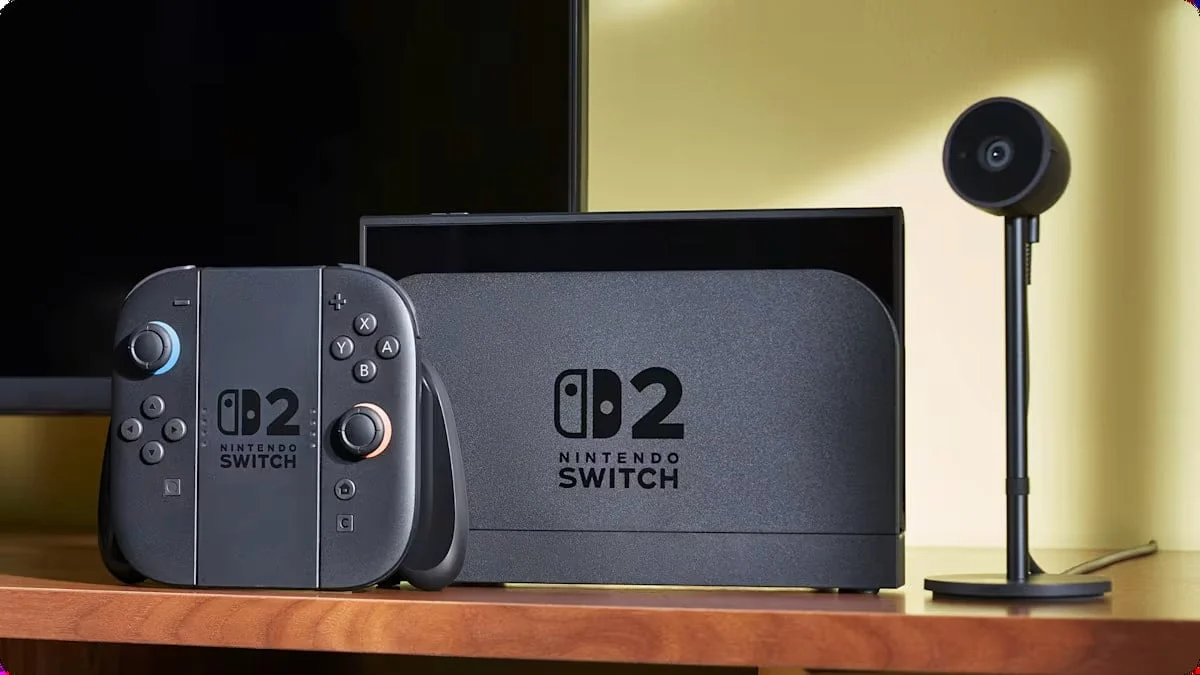
The video game industry is experiencing a substantial downturn in hardware sales, with a dramatic 39 percent decrease in unit sales for July compared to the previous year. This sharp decline, analyzed by industry tracker Circana, is directly linked to persistent supply chain disruptions and escalating component costs, largely attributed to the insatiable demand for memory and processing power driven by the artificial intelligence revolution. While individual console sales show varying degrees of impact, the overall trend points to a challenging market for hardware manufacturers and consumers alike.
July Hardware Sales Plummet Amidst Rising Costs
Circana’s latest report, compiled by industry analyst Mat Piscatella, reveals a stark reality for the video game hardware market. In July, total hardware unit sales across all platforms saw a significant contraction of 39 percent when measured against the same month in the prior year. This decline is particularly concerning given that the average selling price of hardware has concurrently risen by approximately 16 percent. The combined effect of fewer units sold and higher prices has resulted in a 29 percent overall decrease in consumer expenditure on gaming hardware for the month.
This sharp drop in sales is not an isolated incident but rather a continuation of a trend that has been building over the past year. Industry observers have noted the escalating costs of essential components, such as high-bandwidth memory (HBM) and advanced semiconductors, which are crucial for both gaming consoles and the burgeoning AI sector. The intense competition for these limited resources has created a ripple effect across numerous industries, with consumer electronics bearing a significant brunt.
Console Performance Varies Amidst Market Downturn
While the overall market experienced a significant contraction, the performance of individual console platforms exhibited notable differences. The PlayStation 5, despite facing market pressures, demonstrated resilience with the smallest decline in sales, registering a decrease of just six percent year-over-year. This suggests a continued strong demand for Sony’s flagship console, likely bolstered by its robust game library and established user base.
Microsoft’s Xbox platform, however, experienced a more pronounced decline, with sales dropping by 18 percent compared to the previous July. This figure indicates a greater vulnerability to the current market conditions, potentially influenced by a combination of pricing, available software, and consumer purchasing decisions in the face of rising costs.
The most significant downturn was observed with the Nintendo Switch, which saw a staggering 51 percent decrease in sales. This sharp decline, while concerning for Nintendo, must be viewed within the context of the Switch’s lifecycle. The original Switch model has been in the market for several years, and a natural tapering of sales is expected as newer hardware generations emerge. However, the magnitude of the decline, especially when compared to its competitors, suggests that the Switch is also feeling the pressure of increased hardware prices and potentially a shift in consumer priorities.
Nintendo Switch Dominance in Total Units, Despite Recent Decline
Despite the substantial year-over-year drop in July, the Nintendo Switch continues to hold a commanding position in terms of total units sold. According to Piscatella’s analysis, the Switch remains the best-selling console when cumulative sales figures are considered. Furthermore, the original Switch console is on track to surpass the all-time sales figures of its predecessor, a testament to its enduring appeal and broad market reach.
This enduring popularity of the Switch, even with its recent sales dip, highlights a key dynamic in the current market. While the PlayStation 5 and Xbox may command higher profit margins per unit due to their premium pricing and advanced technology, their raw unit sales numbers, even with higher prices, are demonstrably lower than the Switch’s cumulative success. This suggests that the Nintendo Switch has cultivated a unique market segment that remains robust, even in challenging economic times. The console’s appeal lies in its versatility, hybrid functionality, and a library of family-friendly and exclusive titles that resonate with a wide demographic.
The AI Factor: A Growing Influence on Component Costs and Availability
The overarching narrative driving these hardware sales trends is the unprecedented demand for computing resources by the artificial intelligence industry. The development and deployment of sophisticated AI models, from large language models to advanced machine learning algorithms, require vast amounts of processing power and memory. This has led to a global scramble for essential components, particularly high-bandwidth memory (HBM) and advanced semiconductors, which are critical for both AI development and the manufacturing of consumer electronics, including gaming consoles.
The process of manufacturing these cutting-edge chips is complex and resource-intensive. Facilities capable of producing these components are operating at or near full capacity. Consequently, the supply chain for these vital parts has become incredibly strained. This scarcity drives up the cost of production for all devices that rely on them. For gaming hardware manufacturers, this translates directly into higher costs for the components that make up their consoles.
The AI boom has not only impacted the availability of high-end components but also trickled down to more common digital parts. From smartphones and smart home devices to even basic computing peripherals, the increased demand and subsequent price hikes for underlying technologies have made nearly every digital product more expensive. This broad inflationary pressure on consumer electronics creates a challenging environment for all hardware sales, as consumers are forced to make difficult choices about their discretionary spending.
Historical Context: A Shift in Market Dynamics
The current situation marks a significant departure from previous hardware cycles. Historically, the launch of new console generations has been accompanied by a surge in sales as early adopters eagerly embrace new technology. However, the current landscape is defined by an unusual confluence of factors. The ongoing supply chain issues, exacerbated by geopolitical events and a surge in demand for AI-related hardware, have created a persistent shortage and elevated prices.
In previous generations, manufacturers often absorbed some of the initial production costs to make their consoles more accessible at launch. This strategy aimed to build a strong install base quickly, which would then drive software sales. However, the current economic climate and the intense competition for components have made this less feasible. Manufacturers are now facing a difficult balancing act: meeting the demand for their products while contending with significantly higher manufacturing costs.
The implications of this shift are far-reaching. For consumers, it means higher entry prices for next-generation gaming hardware, potentially delaying upgrades or leading some to opt for less expensive alternatives. For the industry, it necessitates a re-evaluation of pricing strategies, production planning, and supply chain management. The prolonged period of elevated hardware costs could also influence the pace of future hardware innovation, as manufacturers may be more cautious about investing in significantly more powerful, and thus more expensive, components.
Reactions from Industry Stakeholders (Inferred)
While official statements directly addressing the July sales figures and their link to AI-driven shortages are not explicitly provided in the original text, it is reasonable to infer potential reactions from key industry players.
Console Manufacturers (Sony, Microsoft, Nintendo): These companies are likely engaged in intensive negotiations with component suppliers to secure necessary parts. They are also probably reassessing their production targets and marketing strategies to align with the current market realities. Internally, there would be a focus on optimizing manufacturing processes and exploring alternative component sourcing where possible. Publicly, they might emphasize the value proposition of their existing hardware and the strength of their software libraries to mitigate the impact of hardware sales figures. A spokesperson for one of the major console manufacturers, speaking generally about market conditions, might state something along the lines of: "We are navigating a complex global supply chain environment. Our focus remains on delivering exceptional gaming experiences to our players, and we are working diligently to ensure product availability."
Component Suppliers (e.g., TSMC, Samsung, Micron): These companies are operating under immense pressure to meet the demand from multiple sectors. They are likely investing heavily in expanding production capacity, though this is a long-term endeavor. Their public statements would likely focus on their efforts to increase output and meet the needs of their diverse customer base, while also acknowledging the significant investments required to scale up operations.
Industry Analysts (e.g., Circana): Analysts like Mat Piscatella will continue to provide data-driven insights into market trends. Their role is to interpret these figures and offer explanations for the observed shifts. Their commentary would likely reinforce the link between component shortages, rising prices, and consumer purchasing behavior.
Retailers: Game retailers are likely experiencing reduced foot traffic and sales for hardware. They may be shifting their focus to software, accessories, and digital sales, where margins might be more stable. Some retailers might also be offering incentives or bundles to move existing hardware inventory.
Broader Impact and Future Implications
The current downturn in video game hardware sales, driven by AI-induced component shortages and price inflation, has several significant implications for the industry and consumers.
Shift in Consumer Spending: Consumers facing higher prices for hardware may prioritize software purchases or delay hardware upgrades altogether. This could lead to a stronger emphasis on digital game sales and subscription services. The "razor and blades" model, where consoles are sold at a lower margin to drive software sales, is being challenged by the increased cost of the "razor" itself.
Impact on Game Development: While not directly stated, a slower adoption of new hardware could influence the development timelines and graphical ambitions of game studios. Developers might be more inclined to optimize games for a wider range of hardware, including older generations, to ensure a larger potential player base.
Long-Term Supply Chain Resilience: The current crisis is likely to prompt a more robust and diversified approach to supply chain management within the electronics industry. Companies may seek to reduce their reliance on single sources for critical components and explore more localized manufacturing options.
The Future of AI and Consumer Electronics: The insatiable demand for AI computing power underscores its transformative potential across all sectors. However, it also highlights the critical need for sustainable and ethical resource management. The ongoing competition for components will likely continue to shape the landscape of consumer electronics for the foreseeable future.
In conclusion, the dramatic decline in video game hardware sales in July is a clear indicator of the profound impact that AI-driven component shortages and subsequent price increases are having on the market. While the Nintendo Switch continues to show resilience in cumulative sales, all platforms are facing headwinds. The industry is at a critical juncture, necessitating strategic adjustments to navigate this challenging economic and technological environment. The long-term implications of this period will undoubtedly shape the future of both gaming and the broader consumer electronics landscape.