


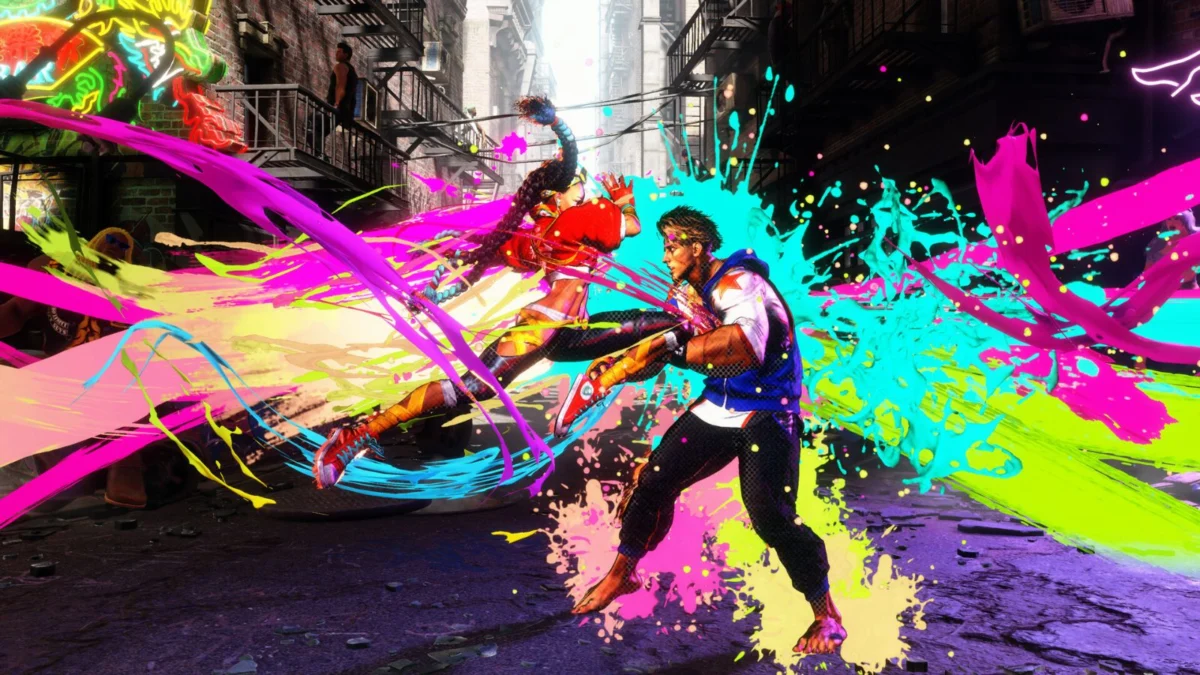
The vibrant world of competitive esports, particularly the notoriously demanding fighting game community (FGC), is abuzz with the emergence of a remarkable young talent. Lucas, a 10-year-old Chilean prodigy known online by his gamer tag Gudfella, has captured the attention of the global Street Fighter 6 community with his exceptional skill and consistent high-level performance. His recent achievement of a second consecutive Top 8 finish at the prestigious "Sushi de Delfín" tournament, a competition renowned for its difficulty and fierce regional talent, solidifies his position as a rising star and a testament to Chile’s burgeoning FGC prowess.
The "Sushi de Delfín" tournament, organized by 2Game, has carved out a reputation as one of the most challenging regular esports events in Latin America. Its demanding format and the caliber of players it attracts make it a true test of skill, strategy, and resilience. For any player, especially one so young, to consistently place within the top echelon of such a competition is an extraordinary feat. Lucas’s accomplishment is not merely a singular victory, but a demonstration of sustained excellence that has already begun to etch his name into the annals of competitive Street Fighter history.
Lucas’s journey in the FGC, though relatively short, has been marked by rapid progression. His alias, Gudfella, has become synonymous with skillful play and a mature understanding of Street Fighter 6’s intricate mechanics, far beyond what is typically expected of a child his age. This second Top 8 placement is particularly significant as it dispels any notion that his initial success was a mere fluke. It signifies a consistent ability to adapt, learn, and overcome formidable opponents, including some of Chile’s most established and respected professional players.
The impact of Lucas’s achievements extends beyond his personal accolades. Chile has been steadily building a formidable reputation within the FGC, boasting a roster of young, highly skilled players who are making waves internationally. Among these rising stars are Derek Blaz and Jaime “Craime” Bustos, both also teenagers who have demonstrated exceptional talent on the global stage. Gudfella’s continued success places him firmly within this cohort of prodigious young talent, further elevating Chile’s standing in the competitive gaming landscape. His trajectory suggests a future where he could join these established names as a major contender, contributing to a rich narrative of Chilean dominance in Street Fighter.
The Rise of a Young Champion: A Chronology of Success
Lucas’s foray into the competitive Street Fighter 6 scene began with a clear aptitude for the game. While specific details of his earliest competitive experiences are not widely publicized, his consistent presence and impressive rankings in regional tournaments like "Sushi de Delfín" suggest a dedicated and structured approach to training and competition.
The "Sushi de Delfín" tournament itself has a history of fostering top-tier talent. While the exact year of its inception is not readily available, its consistent scheduling and growing reputation indicate a well-established fixture in the Latin American esports calendar. The tournament typically draws a significant number of participants from across the region, making it a highly competitive proving ground.
Lucas’s first notable Top 8 finish at "Sushi de Delfín" likely occurred in a preceding iteration of the tournament. This initial success would have served as a crucial stepping stone, building his confidence and signaling to the broader FGC community his potential. The subsequent achievement of a second Top 8 finish in a later installment of the same tournament demonstrates a remarkable ability to maintain and even elevate his performance under pressure. This second success is critical; it moves him from the realm of a "one-hit wonder" to a consistently performing competitor.
Reports from prominent figures within the Chilean FGC, such as streamer and player DOEXO35, have highlighted the significance of Lucas’s victories. DOEXO35 has noted that Lucas has defeated several of Chile’s top players, a feat that speaks volumes about his skill level. These victories are not against casual players but against seasoned competitors who have honed their craft over years of dedicated play. The fact that a 10-year-old can consistently overcome such experienced opposition underscores his extraordinary talent and potential.
The competitive landscape of Street Fighter 6 is characterized by its deep strategic layers and demanding execution. Mastering characters, understanding frame data, and developing effective matchup knowledge are critical for success. For a young player like Lucas to not only grasp these complexities but to apply them effectively in high-stakes matches is a testament to his dedication, natural talent, and potentially, excellent coaching or mentorship.
The "Sushi de Delfín" Tournament: A Crucible of Talent
The "Sushi de Delfín" tournament is more than just another esports event; it is a cornerstone of the Latin American Street Fighter 6 community. Its name, while perhaps whimsical, belies the serious competitive nature of the competition. Such tournaments serve as vital platforms for players to hone their skills, gain exposure, and connect with a broader network of FGC enthusiasts.
The tournament’s reputation for difficulty is well-earned. It attracts a diverse array of talent, from seasoned veterans with years of competitive experience to emerging prodigies like Lucas. The pressure to perform in such an environment is immense, requiring not only technical proficiency but also mental fortitude. Players must navigate the emotional highs and lows of competition, adapt to different playstyles, and maintain focus throughout grueling match sets.

For Lucas, consistently placing in the Top 8 of "Sushi de Delfín" signifies more than just winning individual matches. It indicates an ability to perform under the intense scrutiny of a competitive tournament setting, to adapt his strategies on the fly, and to maintain composure against skilled opponents. This level of performance at such a young age is a rare phenomenon and suggests a bright future in professional gaming.
The impact of such tournaments on the FGC cannot be overstated. They provide a vital ecosystem for the growth of competitive gaming, offering opportunities for players to develop their skills, build their personal brands, and potentially secure sponsorships and professional careers. For a young player like Lucas, these platforms are crucial for his development, allowing him to gain invaluable experience and recognition.
Chile’s FGC Powerhouse: A Growing Legacy
Chile’s FGC scene has been steadily gaining international recognition, and Lucas’s emergence is a significant part of this narrative. The country has produced several young talents who have already made a name for themselves in the global Street Fighter community.
Derek Blaz and Jaime “Craime” Bustos are prime examples of this burgeoning talent pool. Both are teenagers who have demonstrated exceptional skill in Street Fighter 6, competing and achieving success at international events. Their presence on the FGC circuit has paved the way for younger players like Lucas, creating a more robust and supportive environment for aspiring competitors.
The existence of multiple young, high-achieving players from the same region suggests a healthy and thriving competitive scene. This can be attributed to several factors, including dedicated local communities, accessible training resources, and a culture that encourages competitive gaming. The success of players like Blaz and Bustos likely serves as inspiration and motivation for younger players like Lucas, creating a virtuous cycle of talent development.
Lucas’s consistent performance at "Sushi de Delfín" not only highlights his individual prowess but also reinforces Chile’s status as a breeding ground for elite Street Fighter talent. His achievements contribute to a collective narrative of success, making the country a region to watch in the evolving landscape of competitive fighting games.
Expert and Community Reactions: Acknowledging a Phenomenon
While direct quotes from Lucas or his immediate family are not available in the provided text, the reactions from prominent figures within the FGC community speak volumes. The mention of DOEXO35, a recognized Chilean FGC player and streamer, lending his voice to Lucas’s achievements adds significant weight to the narrative. His observation that Lucas has defeated some of the country’s top players serves as an external validation of the young prodigy’s skill.
Such endorsements from established community members are crucial for rising stars. They provide credibility, attract attention from tournament organizers and sponsors, and help to build a supportive fanbase. The FGC is known for its passionate and interconnected community, where news and recognition can spread rapidly through word-of-mouth, social media, and dedicated FGC news outlets.
The fact that Lucas’s second Top 8 finish is being highlighted suggests that the FGC community is actively tracking his progress. This sustained interest indicates that his performances are not being dismissed as outliers but are being recognized as indicative of a genuine and significant talent. The congratulatory tone mentioned in the original article further emphasizes the positive reception he is receiving.
This collective acknowledgment from the FGC community is a vital aspect of a young player’s career development. It provides encouragement, fosters a sense of belonging, and can open doors to future opportunities. The widespread recognition of Lucas’s skill at such a young age suggests that he is already a respected competitor within the FGC, even among players significantly older and more experienced.
Broader Implications: The Future of Street Fighter and Esports
Lucas’s story offers a compelling glimpse into the future of competitive esports, particularly within the fighting game genre. The early emergence of exceptionally talented individuals at such young ages is becoming an increasingly common phenomenon across various esports titles. This trend raises several important considerations:
- Talent Development Pathways: The consistent success of young players like Lucas, Derek Blaz, and Jaime Bustos highlights the need for robust talent development pathways within the FGC. This includes accessible training resources, mentorship programs, and supportive tournament structures that cater to developing players.
- The Evolving Demographics of Esports: The increasing participation and success of younger players challenge traditional notions of who can compete at the highest levels of esports. It underscores the importance of adaptability and continuous learning in a rapidly evolving digital landscape.
- The Longevity of Fighting Games: The enduring popularity of Street Fighter and the continued emergence of new talent suggest a bright future for the genre. The complex mechanics and deep strategic gameplay of titles like Street Fighter 6 appeal to a dedicated player base and provide ample room for skill expression.
- The Role of Mentorship and Support: The impact of established players like DOEXO35 in recognizing and promoting young talent is invaluable. Such mentorship can provide crucial guidance, support, and networking opportunities for aspiring professionals.
- Global Reach of Esports: The fact that a Chilean prodigy is making waves in a global competition like Street Fighter 6 demonstrates the borderless nature of esports and the ability of talent to emerge from any corner of the world.
The continued success of Lucas, Gudfella, in the "Sushi de Delfín" tournament and potentially in future major events, will be closely watched. His journey is not just a personal triumph but a significant development for the Chilean FGC and a source of inspiration for young gamers worldwide. As he continues to mature and refine his skills, the potential for him to become a dominant force in the international Street Fighter 6 scene is undeniably high, promising exciting times ahead for both the player and the sport.