


A significant shift has occurred in the landscape of Xbox’s online services as Microsoft officially discontinues its long-standing Xbox Live Gold subscription, replacing it with the new Xbox Game Pass Core. This strategic move, which took effect on September 14, 2023, marks the end of an era for a service that has defined online console gaming for over two decades, transitioning subscribers to an offering that combines essential online multiplayer access with a curated library of games. For existing Xbox Live Gold members, the transition was seamless and automatic, requiring no action on their part to continue enjoying online play and access to a fresh selection of titles.
The introduction of Xbox Game Pass Core is more than just a rebranding; it represents Microsoft’s continued commitment to its subscription-centric Game Pass ecosystem, aiming to streamline its offerings and provide enhanced value to its player base. The new service, priced at $9.99 per month or $59.99 annually, bundles online console multiplayer with access to a rotating catalog of over 35 high-quality games from Xbox Game Studios, Bethesda, and third-party partners. This library is designed to offer a diverse range of experiences, from critically acclaimed indie titles to popular multiplayer hits and beloved first-party franchises.
The Sunset of a Legacy: A Look Back at Xbox Live Gold
To fully appreciate the magnitude of this transition, it is crucial to understand the historical significance of Xbox Live Gold. Launched alongside the original Xbox console in November 2002, Xbox Live Gold quickly became the industry standard for console online multiplayer. At a time when online gaming on consoles was still in its nascent stages, Xbox Live Gold provided a robust, reliable, and user-friendly platform that connected millions of players worldwide. It pioneered many features that are now commonplace, such as friends lists, voice chat, and a unified online identity through Gamertags.
For years, Xbox Live Gold was synonymous with online play on Xbox consoles. Its subscription fee was primarily justified by access to dedicated multiplayer servers and the ability to connect with friends and strangers in games like Halo 2, Call of Duty, and Gears of War. Over time, Microsoft enhanced the offering by introducing "Games with Gold" in 2013, a program that provided subscribers with a selection of free monthly games, similar to Sony’s PlayStation Plus. This added significant perceived value, allowing players to build a digital library of titles as long as their subscription remained active.
However, as the gaming industry evolved, so did consumer expectations. The rise of comprehensive game subscription services, spearheaded by Microsoft’s own Xbox Game Pass, began to overshadow the traditional value proposition of Xbox Live Gold. While Gold offered a few games monthly, Game Pass provided a vast, rotating library of hundreds of titles, including day-one access to all first-party Xbox releases. The distinction between the services became increasingly blurred, especially with the introduction of Xbox Game Pass Ultimate, which combined Game Pass, PC Game Pass, EA Play, cloud gaming, and crucially, Xbox Live Gold, into a single, premium subscription.
Microsoft’s Strategic Shift: The Rise of Game Pass Ecosystem
The phasing out of Xbox Live Gold and the introduction of Game Pass Core is a natural progression of Microsoft’s overarching strategy for its gaming division. Since its inception in 2017, Xbox Game Pass has been the cornerstone of Microsoft’s gaming ambitions, often dubbed the "Netflix of gaming." The service has grown exponentially, attracting tens of millions of subscribers by offering an unparalleled value proposition: a vast library of games for a single monthly fee.
Microsoft’s vision is to make gaming accessible to everyone, everywhere, across multiple devices. This strategy involves expanding its content library through studio acquisitions like ZeniMax Media (Bethesda) and Activision Blizzard, investing heavily in cloud gaming technologies, and consolidating its subscription offerings. The existence of Xbox Live Gold as a separate, albeit foundational, service began to create redundancy and complexity within this streamlined ecosystem.
By replacing Gold with Game Pass Core, Microsoft achieves several key objectives:
- Simplification: It reduces the number of distinct subscription services, making the Xbox ecosystem easier for consumers to understand and navigate. Now, the entry point for online multiplayer is directly integrated into the Game Pass brand.
- Enhanced Value at Entry Level: Core offers a tangible game library from day one, which is arguably a more compelling offering than just online multiplayer and a few monthly games that might not appeal to everyone. This makes the basic tier more attractive to new subscribers.
- Strengthening the Game Pass Brand: Every tier now carries the "Game Pass" moniker, reinforcing Microsoft’s primary subscription identity and encouraging upgrades to higher tiers for more extensive libraries and benefits.
- Consistency: It aligns all subscription offerings under a unified branding strategy, emphasizing game access as a core component of every tier.
The Transition Explained: What Subscribers Need to Know
The transition from Xbox Live Gold to Xbox Game Pass Core was implemented smoothly on September 14, 2023. For the millions of players who were active Xbox Live Gold subscribers, their memberships automatically converted to Xbox Game Pass Core at no additional cost. This ensures uninterrupted access to online multiplayer services and immediately grants them access to the newly curated game library.
A significant aspect of this change concerns the "Games with Gold" program. With the advent of Game Pass Core, Games with Gold has been officially discontinued. However, Microsoft has assured players that any Xbox 360 titles claimed through Games with Gold will remain in their library, regardless of their subscription status. For Xbox One titles claimed through Games with Gold, they will remain accessible as long as the player maintains an active Game Pass Core or higher-tier Game Pass subscription. This preserves the digital ownership aspect for older titles while aligning Xbox One games with the new subscription model.
The pricing structure for Game Pass Core is straightforward: $9.99 per month or a more economical $59.99 for an annual subscription. This positions it as the entry-level Game Pass offering, sitting below Xbox Game Pass for Console ($10.99/month), PC Game Pass ($9.99/month), and the comprehensive Xbox Game Pass Ultimate ($16.99/month).
The Game Pass Core Library: A Curated Selection

One of the most appealing aspects of Xbox Game Pass Core is its initial library of over 35 games, with new titles expected to be added 2-3 times per year. This is a deliberate shift from the monthly drip of Games with Gold, offering a more substantial collection from the outset. The selection spans various genres and includes both first-party gems and acclaimed third-party and indie titles.
Key highlights from the launch lineup include:
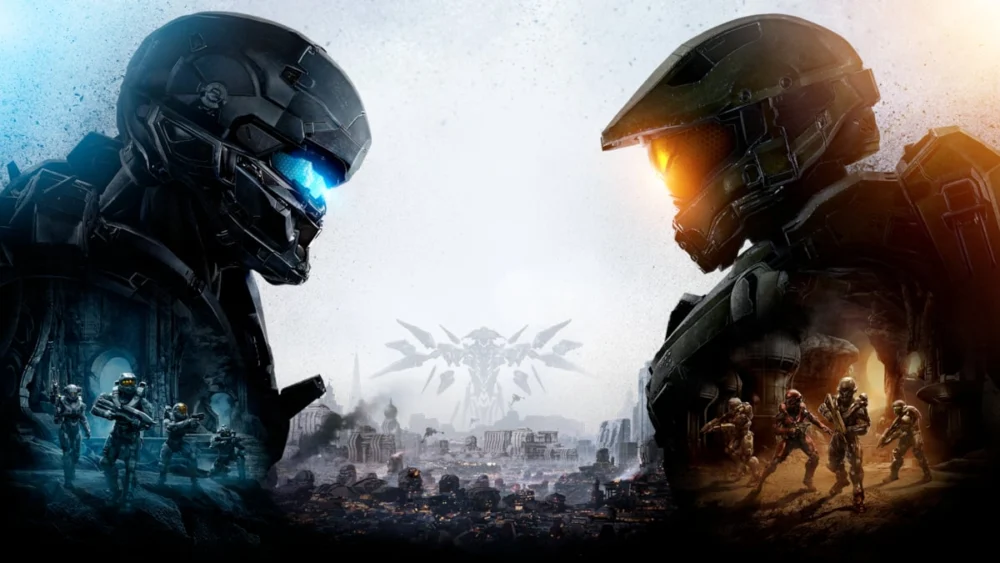
- First-Party Powerhouses: Players can dive into epic narratives and expansive worlds with titles like Halo 5: Guardians, the critically acclaimed Psychonauts 2, and the action-packed Gears 5 Game of the Year Edition. Other Xbox Game Studios titles include Forza Horizon 4, State of Decay 2: Juggernaut Edition, and Grounded, offering diverse experiences from racing to survival.
- Bethesda Favorites: The acquisition of Bethesda brings popular RPGs such as Fallout 4, Fallout 76, and The Elder Scrolls Online to the Core library, providing hundreds of hours of exploration and adventure. DOOM Eternal also offers fast-paced, demon-slaying action.
- Indie Darlings: The service features several highly-regarded independent titles that have garnered critical acclaim. These include the challenging and emotionally resonant platformer Celeste, the roguelike action of Dead Cells, the inventive puzzle game Unpacking, and the hugely popular social deduction game Among Us.
- Multiplayer Fun: Beyond the core online services, Game Pass Core offers games built for shared experiences. Golf With Your Friends provides hilarious mini-golf antics, while Teenage Mutant Ninja Turtles: Shredder’s Revenge delivers nostalgic beat-’em-up action. Payday 2: Crimewave Edition offers cooperative heist gameplay, and For Honor Standard Edition provides intense medieval combat.
- Diverse Genres: The library is further rounded out by titles like Dishonored 2 (stealth-action), Hellblade: Senua’s Sacrifice (psychological horror), Ori and the Will of the Wisps (metroidvania platformer), and Vampire Survivors (bullet hell roguelite), ensuring there’s something for nearly every taste.
This curated selection offers a strong foundation for players looking for more than just online multiplayer, providing immediate access to a range of quality titles that can be downloaded and played.
Value Proposition and Tier Comparison
Xbox Game Pass Core’s pricing and offerings place it strategically within Microsoft’s broader subscription ecosystem and in comparison to competitors. At $9.99/month ($59.99/year), it provides online multiplayer, a fixed library of over 35 games, and member deals and discounts.
- Compared to Old Xbox Live Gold: Core offers a significantly more robust and immediate game library than the "Games with Gold" program typically did, where players had to claim games monthly. The fixed, higher-quality library is a clear upgrade.
- Compared to Game Pass for Console ($10.99/month): Game Pass for Console offers a much larger, rotating library of hundreds of games (including day-one Xbox Game Studios releases) but does not include online console multiplayer. This distinction is crucial. Core is for those who primarily want online play and a solid collection of games, while Console Game Pass is for those who want a massive library and don’t necessarily need online multiplayer (or already have it through Core/Ultimate).
- Compared to PC Game Pass ($9.99/month): Similar to Console Game Pass, PC Game Pass offers hundreds of PC games but is platform-specific and doesn’t include console online multiplayer.
- Compared to Game Pass Ultimate ($16.99/month): Ultimate remains the premium offering, bundling everything: hundreds of console and PC games, cloud gaming, EA Play, and crucially, online console multiplayer (effectively including Core’s benefits).
This tiered approach allows Microsoft to cater to different segments of its audience, from those seeking basic online functionality with a bonus game library (Core) to those desiring the most comprehensive gaming subscription experience (Ultimate).
Official Statements and Industry Reactions
Microsoft’s official announcement regarding the transition emphasized its commitment to delivering greater value to players. Corporate Vice President of Xbox Marketing, Jerret West, stated, "This evolution will allow us to focus on growing the Game Pass catalog, bringing even more incredible games to players around the world." The company positioned Game Pass Core as a way to "evolve" the Live Gold offering, citing player feedback and the desire to integrate the service more seamlessly into the Game Pass brand.
Industry analysts have largely viewed this move as a logical and necessary step for Microsoft. Many have pointed to the increasing competition in the subscription space, particularly from Sony’s revamped PlayStation Plus tiers (Essential, Extra, Premium), which similarly bundle online multiplayer with varying game catalogs. By consolidating under the Game Pass brand, Microsoft strengthens its competitive position and simplifies its messaging. Analysts suggest that this streamlining reduces potential confusion for consumers and makes the entire Xbox ecosystem more cohesive.
Player reception has been mixed but generally positive. While some long-time fans expressed nostalgia for the "Games with Gold" program and its monthly surprise, many acknowledge that the curated, larger library of Game Pass Core offers a more consistent and valuable proposition. The automatic conversion for existing subscribers was a well-received logistical decision, ensuring a smooth transition without disruption.
Broader Implications for Console Gaming
The replacement of Xbox Live Gold with Game Pass Core is more than just a product update; it reflects a broader industry trend towards subscription-based services as the dominant model for content consumption. Just as streaming services have reshaped the entertainment industry, game subscriptions are fundamentally altering how players access and experience video games.
For Microsoft, this move further solidifies its position as a leader in this subscription-driven future. By integrating online multiplayer directly into the Game Pass brand, it makes the entire ecosystem more attractive and potentially drives more subscribers towards its higher-tier offerings. It also sets a precedent for how console manufacturers might evolve their online services going forward, potentially influencing competitors to further integrate their online play with their game catalogs.
The decision also impacts game developers and publishers. With games being added to Game Pass Core, it creates another avenue for titles to reach a wider audience, potentially boosting player engagement and extending the lifecycle of older games. However, it also means that games must now compete for attention within a subscription model, shifting some revenue dynamics from direct sales to service fees.
In conclusion, the sunset of Xbox Live Gold and the dawn of Xbox Game Pass Core represent a pivotal moment in Xbox’s history. It signifies Microsoft’s definitive embrace of a unified, value-driven subscription ecosystem. By offering a compelling library of games alongside essential online multiplayer, Game Pass Core aims to provide a more attractive entry point to the Xbox world, reinforcing the brand’s commitment to accessibility, choice, and a seamless gaming experience for its global community. This evolution is set to redefine what players expect from their console online services for years to come.