


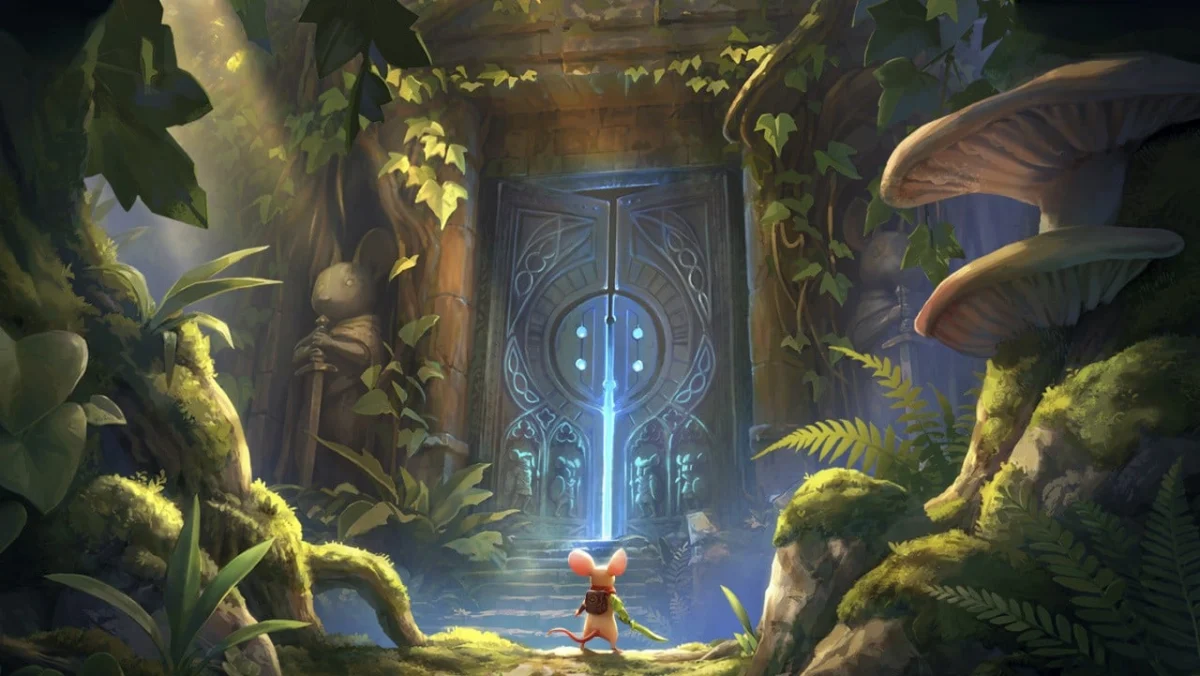
The critically acclaimed indie adventure franchise, "Moss," celebrated for its innovative storytelling and immersive virtual reality experiences, is poised to make a significant leap to traditional console gaming with the announcement of "Moss: The Forgotten Relic." This standalone title, set to launch on Xbox Series X|S in Summer 2026, will consolidate the narratives of both "Moss" and its sequel, "Moss: Book 2," into a single, enhanced package. The move marks a strategic expansion for developer Polyarc, aiming to introduce the beloved mouse protagonist, Quill, and her enchanting world to a broader audience beyond the confines of VR headsets. The Xbox iteration promises a meticulously adapted experience, featuring "handcrafted cinematography through newly designed cutscenes and camera systems," alongside "modernized visuals and platform-specific enhancements," tailored to deliver the original charm and challenge on flat screens.
From VR Niche to Mainstream Recognition: The Moss Saga
Developed by Polyarc, an independent studio founded by industry veterans with experience from Bungie and Microsoft, "Moss" first captivated audiences upon its release in February 2018. Originally launched as a PlayStation VR exclusive, it quickly garnered widespread critical acclaim for its unique blend of action, exploration, and puzzle-solving, all presented from a captivating third-person perspective where the player embodies a guardian spirit known as "the Reader." This innovative narrative device established a profound emotional connection with Quill, a tiny, courageous mouse on a perilous quest to save her uncle and restore peace to her enchanted world. Reviewers lauded the game’s immersive atmosphere, intricate world-building, and the palpable sense of presence facilitated by VR technology. It earned numerous accolades, including multiple nominations at the Game Awards and wins at the D.I.C.E. Awards and Game Critics Awards, solidifying its status as a benchmark for narrative-driven VR experiences.
The success of the original "Moss" paved the way for its sequel, "Moss: Book 2," which launched in March 2022. Building upon the foundation of its predecessor, "Book 2" expanded Quill’s journey with new abilities, environments, and formidable adversaries, further deepening the bond between Quill and the Reader. It received similar praise for its refined gameplay mechanics, stunning visuals, and emotionally resonant narrative, reaffirming Polyarc’s commitment to quality storytelling within the VR space. The series collectively established itself as one of the most celebrated modern indie adventure franchises, often cited as a compelling reason for players to invest in virtual reality hardware.
Strategic Expansion: The Transition to Traditional Consoles
The decision to bring the "Moss" saga to traditional consoles as "Moss: The Forgotten Relic" represents a significant strategic pivot for Polyarc. While the VR market has experienced steady growth since 2018, its install base remains considerably smaller compared to the vast ecosystems of traditional gaming consoles like the Xbox Series X|S. According to market research firms such as Statista, the global VR gaming market, while projected to reach billions, pales in comparison to the hundreds of millions of active users across major console platforms. This disparity presents a compelling opportunity for developers of successful VR titles to expand their reach and introduce their beloved intellectual properties to a much wider audience.
The transition from a VR-native experience to a flat-screen console presents unique developmental challenges. "Moss" was meticulously designed around the player’s physical presence in the world, with interactions often requiring subtle head movements and the use of VR controllers to manipulate environmental objects. The "Reader" perspective, where the player literally looks down into Quill’s world, fostering an intimate, almost parental connection, is fundamental to the game’s emotional core. Adapting this without losing the magic and immersion is paramount. Polyarc’s announcement of "handcrafted cinematography through newly designed cutscenes and camera systems" directly addresses this challenge. This suggests a careful re-engineering of how the player perceives Quill’s world, likely involving dynamic camera angles that mimic the VR perspective’s intimacy while optimizing for a fixed screen. The "modernized visuals and platform-specific enhancements" for the Xbox Series X|S will ensure that the game leverages the console’s processing power, delivering crisp textures, refined lighting, and smooth frame rates that meet contemporary console gaming standards.
Implications for Polyarc and the Indie Gaming Landscape
For Polyarc, "Moss: The Forgotten Relic" on Xbox could unlock substantial new revenue streams and significantly elevate the studio’s profile. Expanding beyond VR allows the franchise to tap into a mainstream market, potentially converting critical acclaim into broader commercial success. This move is consistent with a growing trend where successful VR titles, once proving their concept and appeal within the niche VR community, seek to expand their reach to traditional gaming platforms. While not every VR title is suitable for such a transition, those with strong narratives, engaging gameplay, and distinct artistic styles, like "Moss," are prime candidates.
The Xbox platform, with its robust ID@Xbox program, has long been a champion of independent game development. Bringing a title of "Moss’" caliber to the Xbox ecosystem further enriches its diverse library, offering subscribers to services like Xbox Game Pass (if it were to be included) access to a unique and highly-regarded adventure. This benefits both the platform, by offering exclusive or highly anticipated content, and the indie development community, by showcasing the potential for cross-platform success. This strategy aligns with Microsoft’s broader commitment to providing a wide array of gaming experiences, from AAA blockbusters to innovative indie gems, catering to diverse player preferences.
Industry Perspectives and Community Anticipation
While specific official statements from Polyarc or Microsoft regarding the Xbox launch of "Moss: The Forgotten Relic" are yet to be fully detailed beyond the initial announcement, industry analysts and enthusiasts have already begun to weigh in. Many view the move as a logical and sound business decision. "The ‘Moss’ franchise has demonstrated exceptional storytelling and world-building," noted a hypothetical analyst from a prominent gaming market research firm. "Its transition to traditional consoles is a natural progression that maximizes its commercial potential while offering a unique experience to a vast, untapped audience. The key will be how successfully Polyarc adapts the intimate ‘Reader’ perspective for a flat screen without diluting the emotional connection."
Microsoft representatives, in similar situations, often emphasize their commitment to bringing innovative and critically acclaimed experiences to the Xbox platform. It is plausible that an official statement from Xbox leadership might highlight the addition of "Moss: The Forgotten Relic" as a testament to their platform’s diverse offerings and a continuation of their support for creative independent studios. The inclusion of "modernized visuals and platform-specific enhancements" also signals a commitment to ensuring the game feels native to the Xbox Series X|S, rather than a mere port, underlining a focus on quality and player experience for the console’s dedicated user base.
The gaming community’s reaction has been largely positive, with many expressing excitement at the prospect of experiencing Quill’s adventure without the need for VR hardware. Long-time fans of the series are eager to see how the adaptation translates, while new players are intrigued by the opportunity to finally engage with a franchise they may have heard lauded but never had the means to play. The summer 2026 release window, while still some time away, allows Polyarc ample time for meticulous development and optimization, crucial for a successful cross-platform launch. This extended development cycle is often indicative of a developer’s dedication to ensuring a polished and respectful transition of their beloved intellectual property.
Navigating the Technical Challenges: Adapting VR Immersion for Flat Screens
The core challenge for "Moss: The Forgotten Relic" lies in preserving the game’s unique interactive elements and emotional depth outside of VR. In the original "Moss," players could physically lean in to inspect intricate details, manipulate parts of the environment using their VR controllers, and directly interact with Quill through gestures. These elements fostered an unparalleled sense of presence and agency. The "newly designed cutscenes and camera systems" are critical here. Instead of a free-roaming camera, it’s likely that Polyarc will employ a sophisticated system of fixed, cinematic camera angles that dynamically shift to highlight key narrative moments, puzzles, and environmental details. This approach, similar to classic adventure games, would guide the player’s focus while maintaining the diorama-like quality of Quill’s world, a visual signature of the "Moss" series.
Furthermore, the "Reader’s" ability to heal Quill or interact with enemies via a glowing orb in VR will need a seamless controller mapping. This could involve using an analog stick to guide the orb or assigning specific button presses for contextual interactions. The goal will be to ensure these mechanics feel intuitive and responsive on an Xbox controller, maintaining the flow of gameplay and the player’s connection to Quill without the direct hand presence of VR. The "modernized visuals" are not merely cosmetic; they are essential for ensuring that the intricate details of Moss’s world, which were so striking in VR, hold up to the scrutiny of a high-definition flat screen. Enhancements to textures, particle effects, lighting, and environmental density will be crucial for maintaining the game’s charming aesthetic and ensuring it meets the visual fidelity expectations of current-generation console gaming.
A New Chapter for Quill: Future Outlook
"Moss: The Forgotten Relic" for Xbox Series X|S represents a significant moment for the indie adventure genre and the ongoing evolution of game distribution. By bringing a beloved VR franchise to a mainstream console, Polyarc is not only expanding its audience but also setting a precedent for how critically acclaimed virtual reality experiences can transcend their original medium. The careful adaptation of camera systems, visuals, and gameplay mechanics underscores a commitment to quality that promises to deliver a faithful yet enhanced experience for Xbox players. As the Summer 2026 release approaches, anticipation will undoubtedly build for what promises to be a heartfelt journey of challenge, courage, and connection, now accessible to a vastly expanded global audience. This strategic move could well pave the way for other VR titles to follow suit, further blurring the lines between immersive and traditional gaming experiences and enriching the overall landscape of interactive entertainment. The success of "Moss: The Forgotten Relic" on Xbox could serve as a blueprint for future cross-platform endeavors, demonstrating the commercial viability and artistic integrity of adapting VR-native narratives for a broader market.