


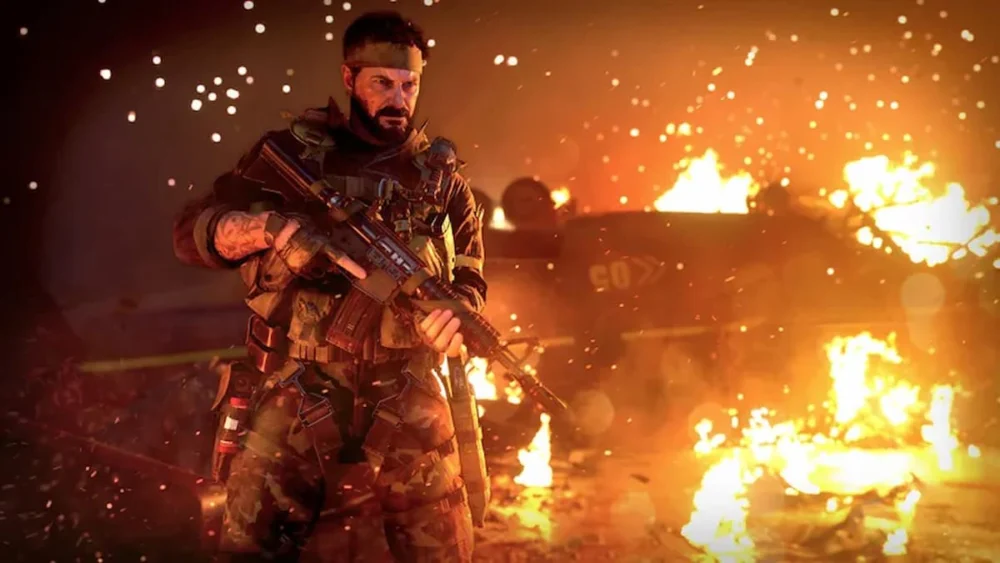
After a period of intense internal deliberation and widespread industry speculation, Microsoft is reportedly set to release the next installment in the critically and commercially successful Call of Duty franchise, widely rumored to be Black Ops 6, directly onto its Xbox Game Pass subscription service on day one. This landmark decision, reported by the Wall Street Journal, marks a pivotal moment for both Microsoft’s gaming strategy and the broader video game industry, signaling a significant shift in how one of the world’s most lucrative entertainment properties will be distributed. The move is expected to be officially unveiled during the Xbox Games Showcase on June 9, potentially followed by a dedicated Call of Duty Direct event.
A Strategic Pivot for Microsoft and Call of Duty
The prospect of a new Call of Duty title arriving on Game Pass from launch has been a subject of fervent discussion since Microsoft’s colossal acquisition of Activision Blizzard King for nearly $69 billion was finalized in October 2023. Prior to this, Call of Duty titles consistently topped sales charts globally, generating billions in revenue through premium upfront purchases, typically priced at $70 to $100 for standard and deluxe editions, respectively. The decision to integrate the franchise into a subscription model represents a profound strategic pivot for Activision Blizzard, which historically relied on these high-volume, high-margin unit sales.
For Microsoft, this move is the culmination of its long-term vision for Xbox Game Pass. Since its inception in 2017, Game Pass has been championed as the "Netflix of gaming," offering subscribers access to a rotating library of hundreds of games, including all first-party Xbox titles on launch day. The addition of Call of Duty — a franchise boasting hundreds of millions of players and annual sales often exceeding 20 million units — is anticipated to be a monumental draw, potentially driving unprecedented subscriber growth and solidifying Game Pass’s position as a dominant force in the subscription gaming market. This decision aligns with Microsoft’s broader strategy to expand its gaming ecosystem beyond console sales, focusing instead on software and services revenue across multiple platforms, including PC and cloud gaming.
The Genesis of Doubt and Deliberation
The path to this decision was not without significant internal debate. Reports indicated that Xbox executives harbored reservations about placing a tentpole title like Call of Duty directly onto Game Pass. The primary concern revolved around the potential for "revenue cannibalization." A game that traditionally sells tens of millions of copies at a premium price point could see its direct sales significantly undermined if it’s available for "free" (as part of a subscription) on day one. For instance, Call of Duty: Modern Warfare 3, released in late 2023, commanded a price tag of $70 for its standard edition and up to $100 for its Vault Edition. Providing a comparable experience via a monthly subscription fee, which ranges from $9.99 for Game Pass Core to $16.99 for Game Pass Ultimate, presents a stark contrast in immediate revenue generation per player.
To mitigate these potential short-term losses, Microsoft reportedly explored several options, including a possible price hike for certain Game Pass tiers. While the Wall Street Journal report did not confirm whether such a price increase would accompany the Call of Duty launch, the consideration itself highlights the delicate financial balancing act Microsoft faces. The company must weigh the immediate profit from individual game sales against the long-term value of increased subscriber engagement, ecosystem lock-in, and recurring revenue streams. The belief is that a significant influx of new subscribers, coupled with increased engagement that could drive microtransaction sales within Call of Duty (which are substantial), might ultimately offset the reduction in upfront game purchases.
Timeline of a Mega-Acquisition and Integration
The journey to this point has been a protracted and complex one, beginning with Microsoft’s announcement to acquire Activision Blizzard in January 2022. The deal, valued at nearly $69 billion, faced intense scrutiny from regulatory bodies worldwide, including the U.S. Federal Trade Commission (FTC), the UK’s Competition and Markets Authority (CMA), and the European Union. A central concern for regulators, particularly the CMA, was the future of Call of Duty and whether Microsoft would make it exclusive to Xbox, thereby disadvantaging competitors like Sony’s PlayStation. Microsoft repeatedly assured regulators and the public that Call of Duty would remain multi-platform, even signing 10-year agreements with Nintendo and NVIDIA to bring the franchise to their respective platforms.
After nearly two years of legal battles, appeals, and concessions, the acquisition was finally approved and closed in October 2023. Following the deal’s completion, Microsoft began the process of integrating Activision Blizzard’s vast catalog into Game Pass. The first major Activision Blizzard title to hit the service was Diablo IV in March 2024, followed by other notable additions like Call of Duty: Modern Warfare II (the 2022 title) and Overwatch 2. However, the new, unreleased Call of Duty title has always been seen as the ultimate test of Microsoft’s commitment to its Game Pass strategy post-acquisition. The decision to bring it to Game Pass day one underscores Microsoft’s confidence in the subscription model’s long-term viability and its aggressive approach to market expansion.
The Call of Duty Franchise: A Perennial Powerhouse
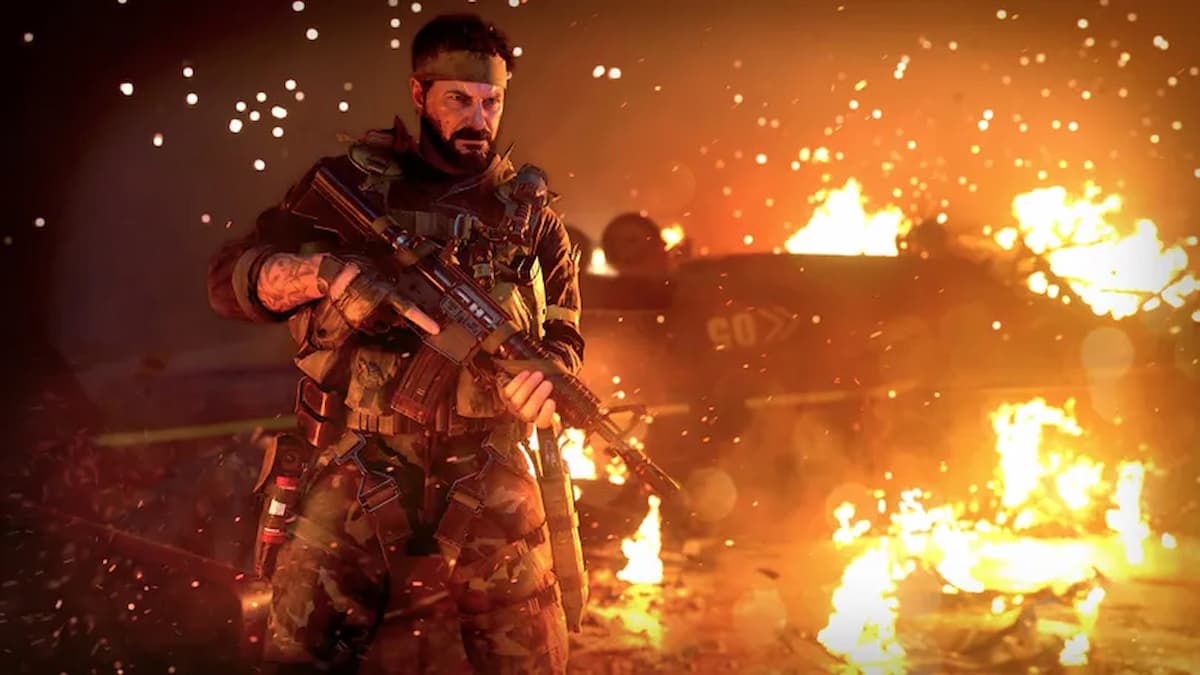
Call of Duty has been a cultural phenomenon in gaming for two decades. Launched in 2003, the series has consistently delivered annual installments, each typically selling millions of copies within weeks of release. Its immersive campaigns, competitive multiplayer, and cooperative zombie modes have cultivated a loyal and expansive player base. The franchise’s enduring appeal lies in its reliable gameplay loop, continuous innovation in weapon mechanics, and frequent content updates, including battle passes and cosmetic items that drive significant post-launch revenue.
The upcoming installment, rumored to be Black Ops 6, is expected to continue this tradition. While details remain scarce ahead of the official announcement, leaks and rumors suggest it will be developed by Treyarch and may feature elements of an open-world campaign, a departure from the series’ traditional linear narrative structure. The game is reportedly slated for a late October launch, a customary release window for the franchise, positioning it perfectly for the lucrative holiday season. For players on PlayStation and PC (outside of Game Pass), the game is expected to be available for separate purchase, ensuring Microsoft upholds its promise of multi-platform availability while leveraging Game Pass as a key differentiator for its own ecosystem.
Broader Implications for the Gaming Industry
The arrival of Call of Duty on Game Pass is more than just a new game coming to a subscription service; it’s a seismic event with far-reaching implications for the entire gaming industry.
1. Acceleration of the Subscription Model: This move could accelerate the industry-wide shift towards subscription-based gaming. While services like PlayStation Plus, Nintendo Switch Online, and EA Play exist, none have matched the day-one first-party offering of Game Pass. With Call of Duty as a cornerstone, Game Pass becomes an even more compelling value proposition, potentially pressuring competitors to enhance their own subscription offerings or risk falling behind.
2. Intensified Competition with Sony: Sony’s PlayStation platform has historically been the dominant console, often enjoying timed exclusivity or marketing deals for Call of Duty. While the franchise will remain available for purchase on PlayStation, its inclusion in Game Pass immediately gives Xbox a significant competitive edge. PlayStation’s current subscription tiers, particularly PS Plus Premium, do not offer day-one access to major first-party titles, instead focusing on a back catalog and game trials. This move forces Sony to re-evaluate its strategy to retain its market share and appeal to core gamers.
3. Redefining Game Value and Monetization: The decision challenges the traditional $70 AAA game pricing model. If players can access a major new release for the cost of a monthly subscription, it changes their perception of a game’s value. Publishers and developers will need to adapt their monetization strategies, potentially placing greater emphasis on in-game purchases, battle passes, and long-term engagement to sustain revenue.
4. Ecosystem Lock-in: For Microsoft, this is a powerful tool for ecosystem lock-in. Call of Duty players who might otherwise purchase the game outright on another platform might now be enticed to subscribe to Game Pass, potentially investing further in the Xbox ecosystem through additional game purchases, accessories, or even new hardware.
5. Player Experience and Accessibility: From a player perspective, this is largely positive. It makes one of the most anticipated games of the year more accessible to a wider audience, reducing the financial barrier to entry for many. However, concerns about potential Game Pass price increases or the long-term impact on game development (e.g., emphasis on engagement metrics over single-player experiences) may also emerge.
Looking Ahead: The June 9 Unveiling
All eyes will be on the Xbox Games Showcase on June 9, where Microsoft is expected to formally announce the details surrounding Black Ops 6 and its Game Pass integration. This event is not just about revealing a new game; it’s about Microsoft laying out its definitive strategy for the future of Xbox and Game Pass in a post-Activision Blizzard acquisition world. The decision to bring Call of Duty to Game Pass on launch day is a bold statement, reflecting Microsoft’s unwavering commitment to its subscription model and its ambition to reshape the landscape of interactive entertainment. The industry, players, and competitors alike will be closely watching to see the full implications of this game-changing move.