


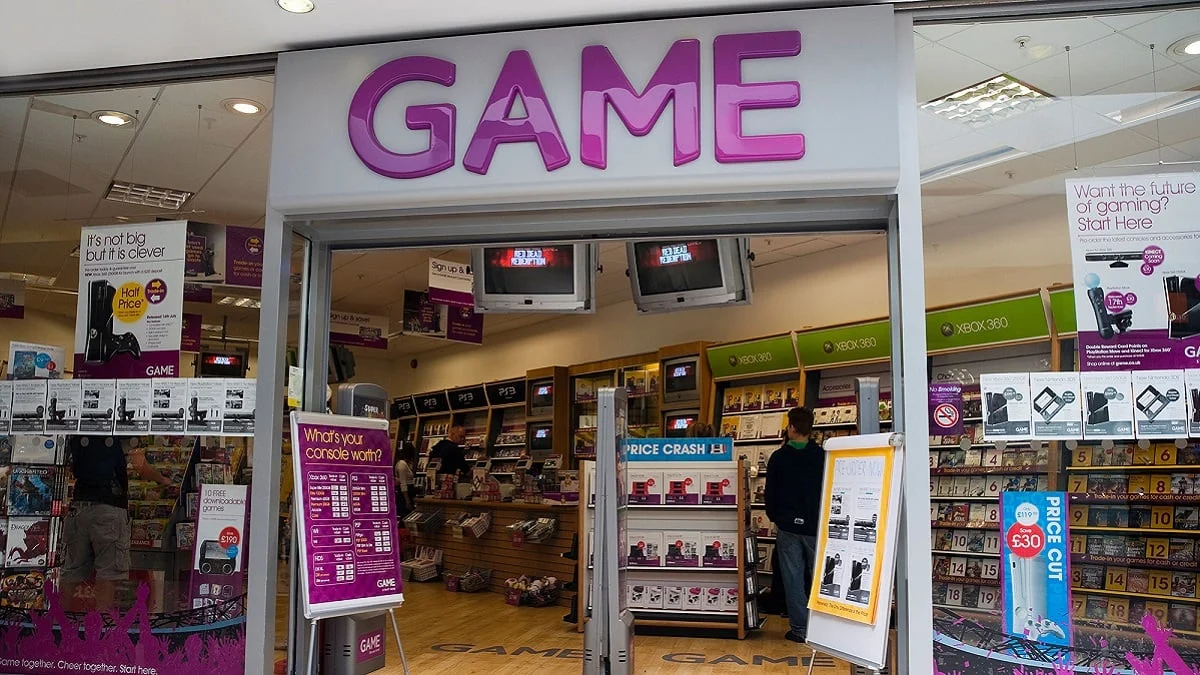
The United Kingdom’s video game retail landscape is once again grappling with uncertainty as reports emerge of potential widespread redundancies at GAME, the nation’s prominent physical retailer. This news arrives against a backdrop of significant industry consolidation, a surge in studio closures, and a palpable sense of unease among employees throughout the gaming sector over the past year. Anonymous sources, reportedly GAME staff members, have informed Eurogamer that they have been advised to anticipate redundancies, signaling a potentially challenging period for the company’s workforce. While official confirmation from GAME remains pending, these accounts suggest a significant shift in employment status, with a substantial portion of the workforce allegedly being transitioned to zero-hours contracts. This change fundamentally alters the employment security for many, removing the guarantee of a consistent number of working hours each week or month, a move that typically offers employers greater flexibility but less predictability for staff.
A Shifting Retail Paradigm: The Decline of Physical Game Stores
GAME, a name synonymous with physical video game sales in the UK for decades, has long been a cornerstone for gamers seeking the latest releases, consoles, and accessories. Established in 1992, the company once boasted an expansive network of over 250 outlets across the country, serving as a vital hub for the gaming community. For many, visiting a GAME store was more than just a transaction; it was an experience, a place to browse new titles, discuss games with knowledgeable staff, and participate in a tangible aspect of the hobby. However, the inexorable rise of digital distribution has profoundly reshaped the retail sector, and the video game industry has been at the forefront of this transformation. As internet speeds increased and digital storefronts on platforms like Steam, PlayStation Store, and Xbox Games Store became more robust and convenient, the appeal of purchasing physical media diminished for a growing segment of the consumer base. This fundamental shift has placed immense pressure on brick-and-mortar retailers, forcing them to adapt or face obsolescence.
The financial challenges faced by GAME have not gone unnoticed. In 2019, the company underwent a significant change in ownership when it was acquired by the Frasers Group, a British retail conglomerate led by businessman Mike Ashley, which itself operates under the umbrella of Sports Direct International. This acquisition signaled an attempt to consolidate and potentially restructure the struggling retail chain. More recently, in early 2024, a further indication of GAME’s evolving strategy came with the announcement that the company would be discontinuing its popular trade-in service. This service, which allowed customers to exchange old games and consoles for credit towards new purchases, was a significant driver of footfall and customer engagement for many years. Its cessation further suggests a recalibration of business priorities, likely driven by economic pressures and a need to streamline operations in a challenging market.
The Impact on the Workforce: Redundancies and Contractual Shifts
The reports of impending redundancies at GAME are particularly concerning given the current economic climate and the broader trends within the video game industry. The past year, and indeed the preceding few years, have been marked by a series of high-profile layoffs across numerous game development studios and publishing houses worldwide. Major companies, from PlayStation and Microsoft to indie developers, have announced significant workforce reductions, citing factors such as over-hiring during the pandemic boom, economic slowdowns, and project cancellations. This has created a pervasive sense of instability and uncertainty for professionals working within the sector, from developers and designers to marketing and support staff.
The alleged transition of most non-managerial staff to zero-hours contracts at GAME represents a significant alteration to their employment terms. Under a zero-hours contract, an employee is not guaranteed any minimum number of working hours. This means that work is offered on an as-needed basis, and the employee is not obligated to accept it, nor is the employer obligated to offer it. While this can provide flexibility for both parties in certain circumstances, it often leads to precarious employment conditions for workers. They may experience fluctuating income, difficulty in securing loans or mortgages, and a lack of benefits that are typically tied to guaranteed hours, such as sick pay or paid leave. The decision to move a substantial portion of the workforce to this model suggests a strategic move by GAME to reduce its fixed labor costs and adapt to unpredictable sales volumes.
According to the reports reaching Eurogamer, the company intends to communicate job status updates to affected employees via telephone or email. This method of communication, particularly for sensitive news like potential job loss, can be perceived as impersonal and may exacerbate the anxiety felt by staff. The lack of a direct, in-person conversation can make the news feel more abrupt and less supportive, especially for individuals who have dedicated years of service to the company. Eurogamer has reached out to GAME for official comment on these developments, a crucial step in obtaining a comprehensive understanding of the situation and the company’s perspective.
A Broader Industry Context: Challenges and Adaptations
The situation at GAME is not an isolated incident but rather a microcosm of the broader challenges facing the traditional retail sector, particularly those tied to physical media. The global video game market is a multi-billion dollar industry, with revenues projected to continue growing. However, this growth is increasingly driven by digital sales, in-game purchases, and subscription services. According to Statista, the global video game market generated over $184 billion in revenue in 2023, with projections indicating further growth in the coming years. Digital game sales account for the lion’s share of this revenue, leaving physical retailers like GAME with a shrinking slice of the pie.
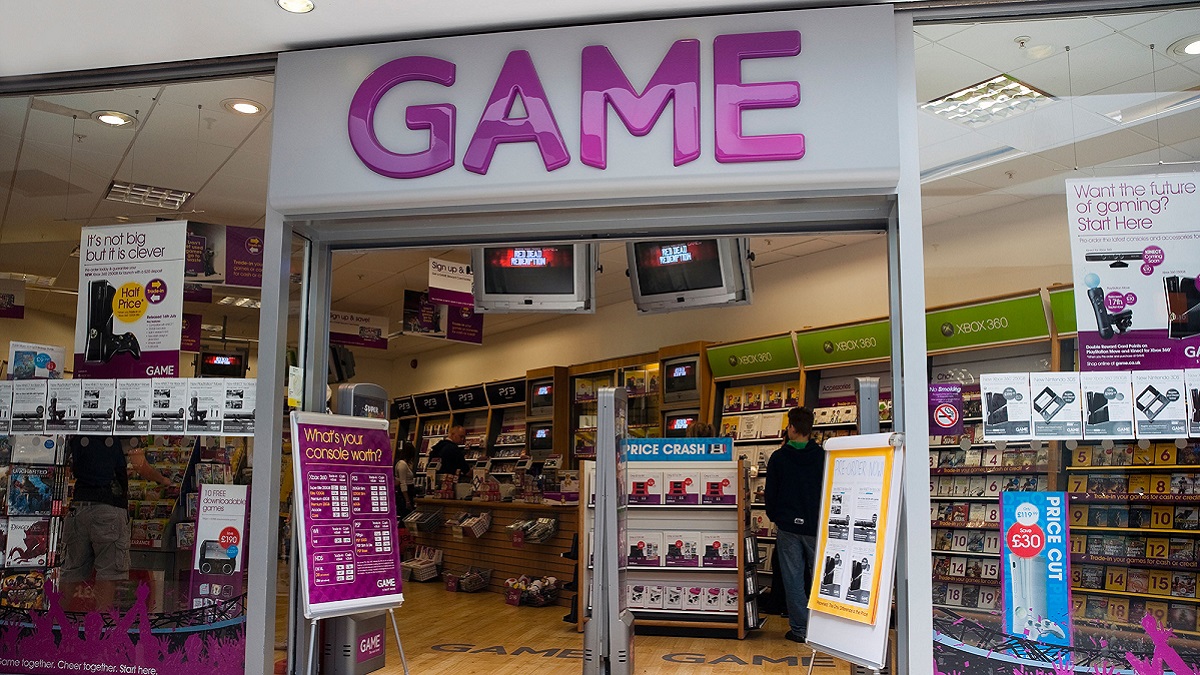
The shift to digital has also impacted game development and publishing strategies. Publishers are increasingly prioritizing digital-first releases, often offering incentives for pre-orders and digital purchases. This reduces the reliance on physical distribution networks and can lead to a more direct relationship with the consumer. For retailers, this means less inventory to manage and a reduced need for extensive physical store footprints.
Furthermore, the increasing cost of operating brick-and-mortar stores, including rent, utilities, and staffing, presents a significant hurdle. In an era where consumers can access a vast library of games with a few clicks, the value proposition of a physical store needs to be compelling. GAME’s struggles highlight the difficulty of maintaining a large physical presence in a market that is increasingly migrating online.
Historical Trajectory of GAME and its Challenges
GAME’s journey has been a rollercoaster, reflecting the volatile nature of the retail sector. The company has faced financial difficulties and restructuring efforts in the past. Its acquisition by the Frasers Group in 2019 was a pivotal moment, suggesting that the brand was seen as having potential value, perhaps through integration with the broader Frasers Group retail ecosystem. However, the subsequent years have continued to present significant headwinds.
The decision to cease the trade-in service earlier this year is a particularly telling indicator of the pressures GAME is under. This service was a key differentiator for the company, offering a tangible benefit to customers and a consistent revenue stream through the resale of used games. Its discontinuation suggests that the economics of this service may no longer be sustainable in the current market, or that the company is prioritizing other areas of its business.
For former employees and long-time customers, the potential demise of GAME as a significant physical retailer might evoke a sense of nostalgia and loss. It represents the potential end of an era for a retail format that was once central to the gaming experience. While the brand itself may persist in some form, the impact on the individuals who have relied on it for their livelihoods is undoubtedly the most immediate and significant concern.
Analysis of Implications and Future Outlook
The potential layoffs and shift to zero-hours contracts at GAME carry several significant implications:
- Employee Impact: The most direct impact is on the employees themselves. Those facing redundancy will need to navigate the job market, which, while active in the tech and gaming sectors, can be competitive, especially for those whose roles are specialized within retail. The transition to zero-hours contracts creates financial uncertainty and potential hardship for those who remain.
- Consumer Choice: A reduction in GAME’s physical store presence could limit the options for consumers who prefer to purchase physical games or trade in their used titles. While digital alternatives are abundant, some consumers value the tangible aspect of ownership and the ability to browse and interact with products in person.
- Industry Signal: The situation at GAME serves as another stark reminder of the ongoing challenges facing traditional retail models in the face of digital transformation. It underscores the need for retailers to innovate and adapt to evolving consumer behavior and technological advancements.
- Future of Physical Retail: The continued struggles of GAME raise questions about the long-term viability of large-scale physical video game retail chains. It suggests that future success in this area may lie in niche offerings, experiential retail, or a hybrid online-offline model that is deeply integrated.
As the situation unfolds, the focus will remain on official statements from GAME and any further details that emerge regarding the scope and timing of these potential changes. The video game industry, while dynamic and innovative, is not immune to economic realities and the profound shifts brought about by technological progress. The experiences of GAME’s employees will undoubtedly reflect these broader industry trends, highlighting the human cost of adaptation in a rapidly changing commercial landscape. The coming weeks and months will be critical in determining the future of GAME as a physical retail entity and, more importantly, the security of its dedicated workforce.