


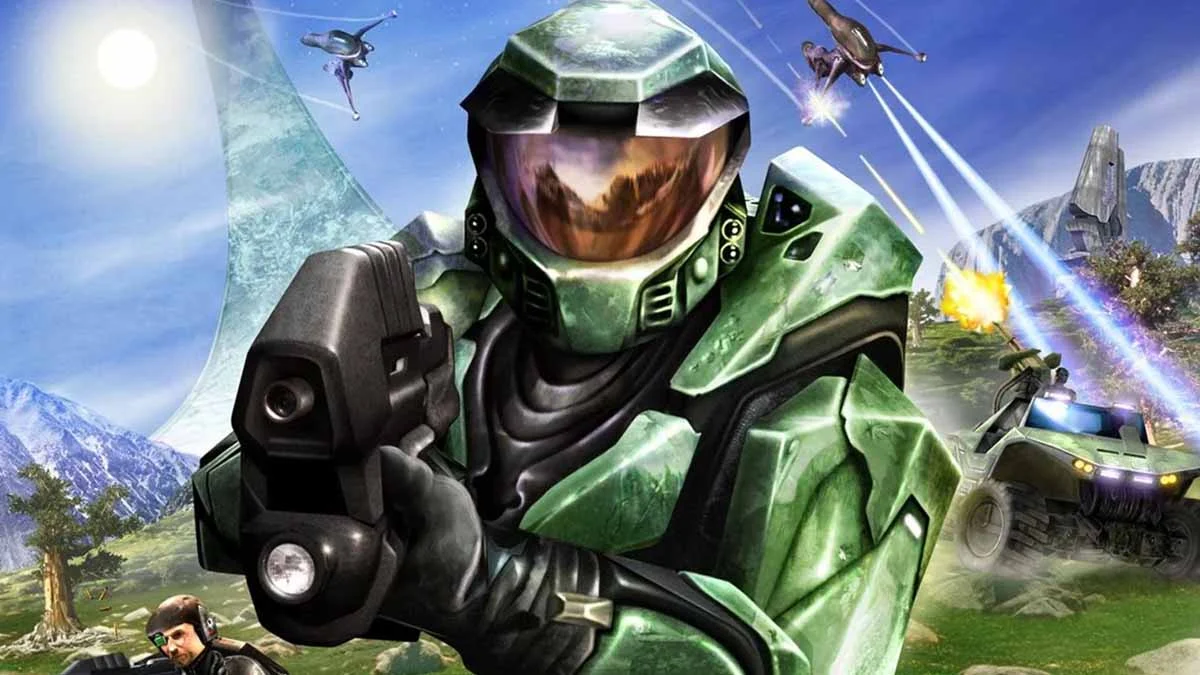
The landscape of one of gaming’s most storied franchises has been dramatically reshaped following a significant corporate restructuring by Microsoft’s Xbox division. In a move that has sent ripples through the gaming community, the intellectual property rights for Halo have officially transitioned from the dedicated Halo Studios to Activision, one of Xbox’s largest subsidiaries. This transfer, occurring mere days after the broader Xbox reorganization was announced, has already yielded substantial insights into the future trajectory of the iconic sci-fi shooter series. Emerging information, notably from highly reputable Halo leaker TechnicalHalo, indicates a radical departure from the established narrative, with plans for a complete reboot of the franchise. This reboot, according to sources close to the matter, will effectively disregard the existing lore and storylines meticulously developed over the past two decades, marking a definitive new chapter for the Master Chief and his universe.
A Seismic Shift in Halo’s Narrative Direction
The core of this impending transformation was succinctly articulated by TechnicalHalo on the social media platform X (formerly Twitter), stating, "This is a reboot, a new chapter, lore is not going to be continued." This declaration, originating from an individual with a proven track record of accurate leaks within the Halo ecosystem, suggests a decisive break from the narrative threads woven through titles such as Halo 4, Halo 5: Guardians, and Halo Infinite, as well as the original trilogy developed by Bungie. The implication is that the vast tapestry of lore, character arcs, and galactic conflicts that have defined Halo since its inception in 2001 will be set aside in favor of a fresh start.
This strategic pivot by Activision, now tasked with steering the Halo franchise, can be contextualized by the series’ recent narrative divergences. Following the amicable yet impactful split between original developer Bungie and Microsoft in 2010, subsequent entries developed by 343 Industries and the now-dissolved Halo Studios embarked on ambitious storytelling paths. While these efforts aimed to expand the Halo universe and explore new facets of Master Chief’s journey, they also resulted in a departure from the tone and thematic coherence that characterized the Bungie era. The critically acclaimed original trilogy, comprising Halo: Combat Evolved, Halo 2, and Halo 3, established a benchmark for its compelling narrative, groundbreaking gameplay, and rich world-building. The prospect of a reboot that potentially sidelines or reinterprets this foundational era has ignited considerable debate among long-time fans, many of whom consider the original trilogy to be the pinnacle of the series’ storytelling prowess and a template for future endeavors.
Chronology of the Halo Franchise and the Recent Restructuring
To fully grasp the significance of this announcement, it is crucial to examine the historical trajectory of the Halo franchise and the recent corporate maneuvers that have led to this juncture.
- 2001: Bungie releases Halo: Combat Evolved for the original Xbox, revolutionizing the first-person shooter genre and establishing Master Chief as a gaming icon.
- 2004: Halo 2 launches, further expanding the lore and introducing multiplayer innovations that become a cornerstone of Xbox Live.
- 2007: Halo 3 concludes the initial trilogy, widely lauded for its narrative resolution and ambitious scope.
- 2010: Bungie parts ways with Microsoft, retaining the rights to its other IPs but leaving Halo under Microsoft’s stewardship. 343 Industries is established to manage and develop the franchise.
- 2012: Halo 4, the first Halo game developed by 343 Industries, launches with a new narrative arc focusing on Master Chief and Cortana’s relationship.
- 2015: Halo 5: Guardians releases, introducing a more complex, multi-protagonist narrative that divides fan reception.
- 2021: Halo Infinite launches, aiming to reignite the franchise with a more open-world approach and a focus on Master Chief’s personal story. Despite a strong initial reception for its multiplayer, the campaign’s narrative progression faced mixed reviews.
- Early 2024: Microsoft initiates a significant restructuring of its gaming division, including Xbox Game Studios. This leads to the dissolution of Halo Studios, with its remaining developers being integrated into other teams or departing the company.
- Mid-2024 (Hypothetical based on article context): Reports emerge of Activision’s acquisition of the Halo IP as part of the broader Xbox restructuring.
- Late 2024 (Hypothetical based on article context): Leaks from sources like TechnicalHalo surface, detailing Activision’s plans for a complete Halo reboot.
This timeline highlights a franchise that, while consistently producing titles, has grappled with evolving its narrative identity and maintaining consistent critical and commercial success across all its installments. The decision to move the IP to Activision, a company renowned for its ability to manage and revitalize established franchises, suggests a strategic effort to inject new life into Halo.
Activision’s Potential Approach and Supporting Data
Activision’s history with major franchises, such as Call of Duty, demonstrates a capacity for iterative development, broad market appeal, and significant revenue generation. The decision to pursue a complete reboot of Halo aligns with a strategy to recalibrate the series for both veteran players and a new generation of gamers. This approach often involves streamlining complex lore, reintroducing iconic characters with fresh perspectives, and focusing on core gameplay pillars that resonate with a wide audience.
While specific details regarding the reboot’s gameplay mechanics, narrative themes, or potential release window remain scarce, the emphasis on a "new chapter" and the abandonment of existing lore suggest a departure from the more mature and intricate storylines explored in recent years. This could involve a return to the more focused, archetypal conflict between humanity and the Covenant, or the exploration of entirely new threats and settings within the Halo universe.
The financial implications of such a move are also significant. Halo has historically been a flagship franchise for Xbox, generating substantial revenue through game sales, merchandise, and associated media. A successful reboot could reignite interest, attract new players, and solidify Halo‘s position as a leading contender in the competitive shooter market. Data from market research firms often indicates that franchises with strong brand recognition, even those undergoing significant changes, have the potential for substantial commercial success if executed effectively. For instance, successful reboots in other media franchises have often seen a resurgence in sales and cultural relevance.
The Fate of Halo Studios and Uncharted Projects
The restructuring also saw the dissolution of Halo Studios, the dedicated internal team at Xbox responsible for the franchise’s development. According to reports from industry insider Tom Warren of The Verge, this team was reportedly working on a new Halo game that was slated for release in a few years. However, Microsoft’s decision to "pull the plug" on this project, coupled with the subsequent restructuring and IP transfer, indicates a complete reassessment of the franchise’s future development path. The current state of Halo Studios, described as having a significantly reduced workforce, further suggests that any ongoing development efforts specific to its previous vision have been halted.
The impact of this canceled project on Activision’s reboot plans remains unknown. However, given the drastic nature of the reboot and the significant changes within the development structure, it is unlikely that substantial elements of the canceled project will directly influence the new direction. The focus appears to be on a clean slate, allowing Activision to build Halo anew from the ground up, unburdened by the established narrative continuity.
Broader Implications for the Gaming Industry and Fan Reception
The news of a Halo reboot under Activision’s purview carries significant implications for the broader gaming industry. It signals a trend of major publishers and platform holders re-evaluating their flagship IPs and being willing to make bold decisions to ensure their long-term relevance and commercial viability. For fans, this announcement elicits a spectrum of reactions. While some may welcome the opportunity for a fresh start and a return to the core tenets of what made Halo great, others will undoubtedly lament the perceived abandonment of decades of established lore and character development.
The success of this reboot will hinge on Activision’s ability to capture the essence of what made Halo resonate with players in the first place, while simultaneously offering a compelling and innovative experience for a modern gaming audience. The challenge lies in balancing fan expectations with the need for creative reinvention. The franchise’s legacy is deeply intertwined with its narrative depth and the iconic status of Master Chief. Any new iteration will need to honor that legacy while forging a new path forward. The coming months and years will be crucial in observing how Activision articulates and executes its vision for the future of Halo, a franchise that has undeniably shaped the landscape of modern gaming.