


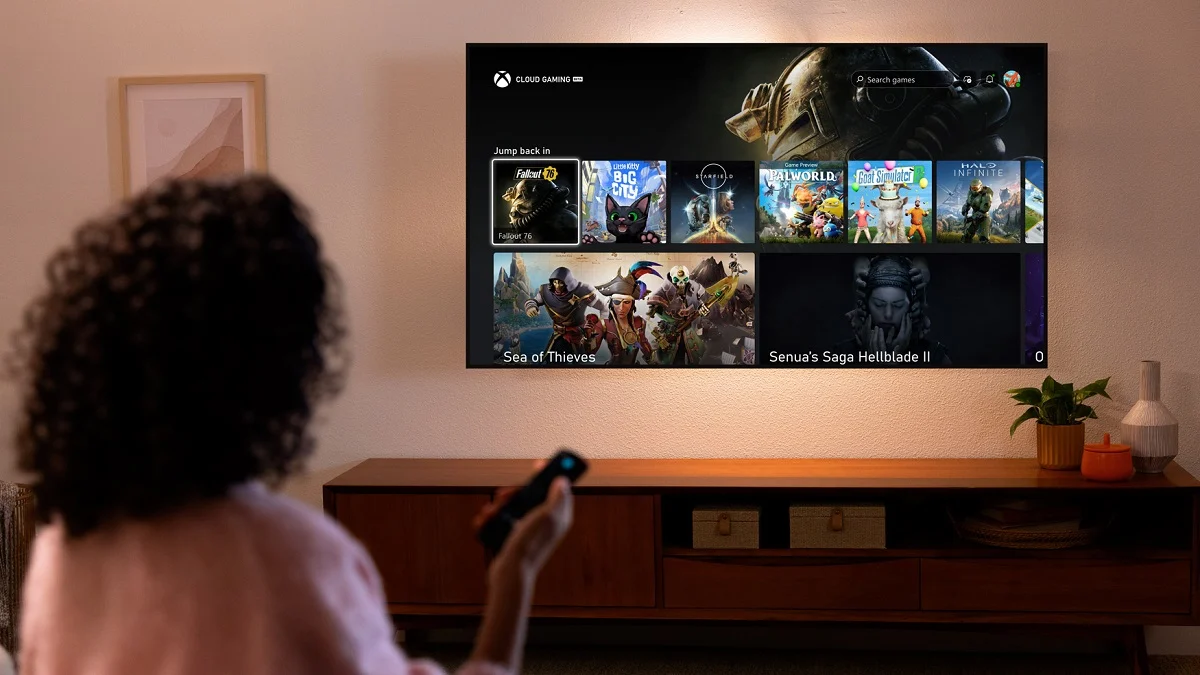
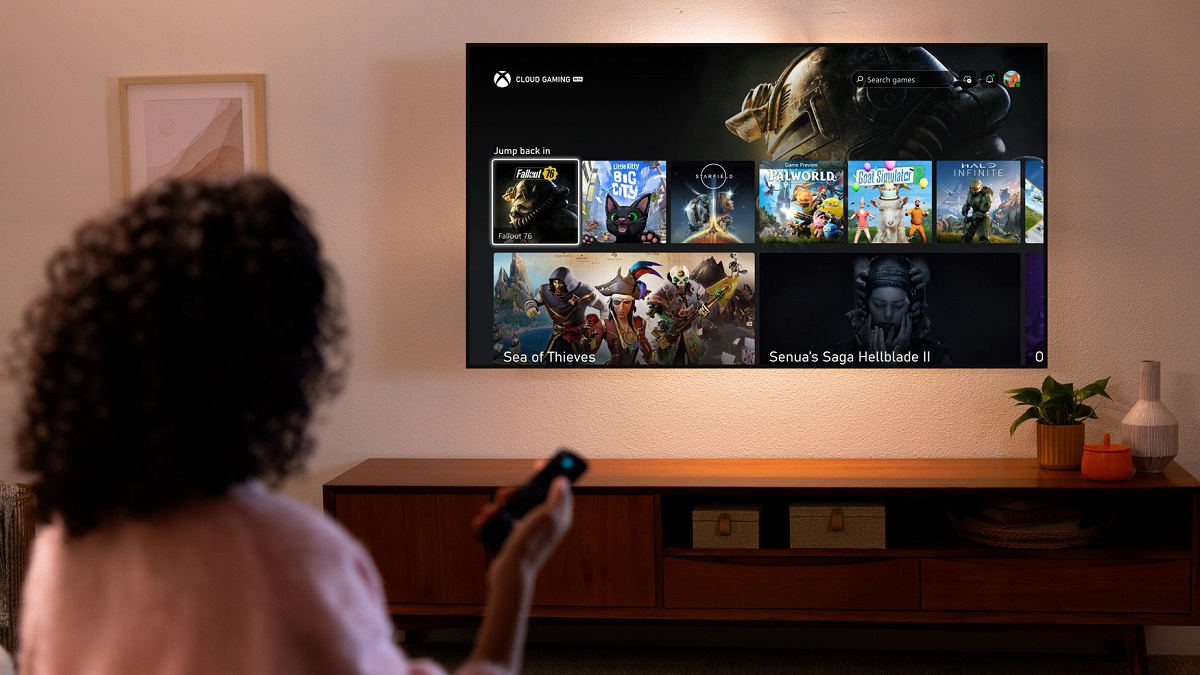
Microsoft has announced a significant expansion of its Xbox Cloud Gaming service, making the entire Xbox Game Pass library accessible on select Amazon Fire TV Stick devices. This move, detailed in an Xbox Wire post on June 27, 2024, eliminates the need for a dedicated Xbox console, further solidifying Microsoft’s strategic pivot towards a services-first, hardware-agnostic approach to gaming. The integration is poised to significantly broaden the reach of Xbox Game Pass, tapping into Amazon’s vast ecosystem of streaming device users.
A New Gateway to Xbox Gaming: Fire TV Integration
The forthcoming compatibility will allow subscribers to Xbox Game Pass Ultimate to stream a vast catalog of Xbox titles directly to their televisions using an Amazon Fire TV Stick 4K or Fire TV Stick 4K Max. This means that upcoming exclusives like Gears of War: E-Day, alongside hundreds of other games, will be playable without the traditional console hardware. The only additional requirements are a compatible Bluetooth wireless controller – which notably does not need to be an Xbox-branded controller, with support for devices like the PS5 DualSense controller confirmed – and a stable internet connection. While an exact launch date for the Xbox app’s availability on Fire TV devices has not been provided, Microsoft has indicated it will be "soon."
This development represents a considerable leap in accessibility for Xbox’s gaming ecosystem. The Fire TV Stick 4K and 4K Max are priced at $49.99 and $59.99, respectively, making them highly affordable entry points compared to even the most budget-friendly Xbox console, the Xbox Series S, which retails for $299.99. This cost-efficiency is central to Microsoft’s strategy, aiming to lower the barrier to entry for its premier subscription service.
The Economic Imperative: Lowering the Cost of Entry
The financial implications of this integration are compelling. A year’s subscription to Xbox Game Pass Ultimate, which includes Xbox Cloud Gaming, costs $16.99 per month, totaling approximately $203.88 annually. When combined with the price of a Fire TV Stick 4K ($49.99), the total annual cost to access the full Game Pass library via cloud streaming amounts to roughly $253.87.
In stark contrast, acquiring an Xbox Series S console ($299.99) and a year’s Game Pass Ultimate subscription would cost around $503.87 in the first year. This comparison highlights a nearly 50% reduction in the initial financial outlay for new players looking to dive into the Xbox ecosystem, provided they already own a compatible television. For existing Fire TV Stick 4K or 4K Max owners, the entry cost is effectively reduced to just the Game Pass Ultimate subscription, making it an even more attractive proposition.
While the convenience and affordability are significant advantages, the cloud-based nature of this offering introduces a critical dependency: internet connectivity. Unlike console gaming, which allows for offline play of downloaded titles, cloud gaming requires a consistently stable and sufficiently fast internet connection. Microsoft typically recommends a minimum of 20 Mbps for a smooth 1080p streaming experience, with higher speeds preferred for optimal performance. Any instability or slowdown in the internet connection can lead to latency, input lag, or a reduction in visual quality, impacting the overall gaming experience. This caveat underscores that while accessible, the quality of the experience remains contingent on the user’s home network infrastructure.
Microsoft’s "Xbox Everywhere" Vision: A Chronology of Strategic Shifts
This latest announcement is not an isolated event but a crucial step in Microsoft’s long-term "Xbox Everywhere" strategy, a vision championed by Xbox head Phil Spencer. The strategy aims to make Xbox games accessible to anyone, anywhere, regardless of their preferred device or location. This philosophy represents a significant departure from the traditional console-centric model that dominated the gaming industry for decades.
- 2017: Introduction of Xbox Game Pass: Microsoft launched Game Pass, a subscription service offering a rotating catalog of games for a monthly fee. This marked the initial shift towards a service-oriented model, providing a strong value proposition beyond individual game purchases.
- 2019: Project xCloud Unveiled: At E3 2019, Microsoft formally announced Project xCloud, its ambitious cloud gaming initiative, aiming to bring Xbox games to mobile devices. This was the nascent stage of the "Xbox Everywhere" concept, emphasizing streaming technology.
- 2020: Xbox Cloud Gaming (formerly Project xCloud) Launches: Integrated into Xbox Game Pass Ultimate, cloud gaming became available on Android mobile devices, allowing subscribers to stream games on the go.
- 2021: Cloud Gaming Expands to Browsers and iOS: Microsoft broadened its cloud gaming reach by making it available through web browsers (Edge, Chrome, Safari), thereby supporting iOS devices and PCs without needing dedicated apps.
- 2022: Partnership with Samsung Smart TVs: Xbox Cloud Gaming was integrated directly into select Samsung Smart TVs, allowing users to play games without a console, using only a Bluetooth controller and an internet connection. This was a direct precursor to the Fire TV Stick integration, demonstrating Microsoft’s willingness to partner with smart device manufacturers.
- 2023-2024: Multiplatform Strategy and Content Expansion: Microsoft began bringing some of its first-party titles, such as Sea of Thieves, Hi-Fi Rush, Grounded, and Pentiment, to rival platforms like PlayStation and Nintendo Switch. This move, initially met with mixed reactions from fans, was explained as a way to grow the Xbox brand and Game Pass subscriptions, acknowledging that the dedicated Xbox console market might have reached saturation. Rumors of even flagship franchises like Halo potentially coming to PlayStation have further fueled speculation about Microsoft’s ultimate hardware intentions, though the company continues to tease new Xbox hardware, including a rumored handheld device.
The Fire TV Stick integration fits perfectly into this evolving timeline, serving as another conduit to bring Game Pass to a wider, often non-traditional gaming audience. It underscores a tactical acknowledgement that while hardware remains part of the Xbox identity, the future of growth lies in expanding content and services across as many screens as possible.
The Broader Cloud Gaming Landscape and Competition
The expansion of Xbox Cloud Gaming to Fire TV Sticks also places Microsoft in a more direct competitive stance within the burgeoning cloud gaming market. While Xbox Cloud Gaming is currently tied to a Game Pass Ultimate subscription, other players offer different models:
- NVIDIA GeForce Now: This service allows users to stream games they already own on PC storefronts (like Steam, Epic Games Store) from NVIDIA’s powerful cloud servers. It offers both free and paid tiers with varying performance levels.
- PlayStation Plus Premium: Sony’s highest-tier subscription includes a catalog of streamable PS3 and PS4 games, along with some PS5 titles. It directly competes with Game Pass in offering a library of games, though its cloud streaming is more limited in scope and platform availability compared to Xbox.
- Amazon Luna: Amazon itself operates a cloud gaming service, Luna, which offers channels of games for subscription. While not as widely adopted as some competitors, Amazon’s continued investment in Luna suggests a strategic interest in the gaming space, making its partnership with Xbox an intriguing development.
Microsoft’s move to Fire TV Sticks leverages Amazon’s massive user base, which reportedly includes tens of millions of active Fire TV users globally. This reach is critical for Microsoft, as growing Game Pass subscriber numbers is a stated priority. While Xbox console sales have lagged behind competitors like the PlayStation 5 and Nintendo Switch, Game Pass has shown steady growth, exceeding 34 million subscribers by early 2024. Expanding to affordable, ubiquitous streaming devices like the Fire TV Stick offers a clear pathway to accelerate this growth without relying on console hardware sales.
Strategic Implications for Amazon and the Future of Entertainment
For Amazon, this partnership is equally strategic. Integrating the Xbox app and Game Pass into its Fire TV ecosystem enhances the value proposition of its streaming devices. In a competitive market for smart home and entertainment hubs, offering a comprehensive cloud gaming solution directly on its hardware can attract new customers and deepen engagement with existing ones. It positions Fire TV devices not just as media consumption portals but as versatile entertainment centers capable of delivering high-fidelity gaming experiences.
Moreover, this collaboration could indirectly bolster Amazon’s broader ecosystem. Increased usage of Fire TV devices might drive more Amazon Prime subscriptions (often bundled with Fire TV services) and potentially lead to greater engagement with other Amazon services. It also demonstrates Amazon’s willingness to collaborate with major players in adjacent industries, even those with competing services like Amazon Luna, when there is a clear mutual benefit.
The Road Ahead: Hardware, Content, and Cross-Platform Plays
The implications of this Fire TV integration extend beyond immediate cost savings and accessibility. It further blurs the lines between dedicated gaming consoles and general-purpose entertainment devices. As cloud gaming technology continues to mature, and internet infrastructure improves globally, the need for powerful local hardware diminishes, potentially reshaping the entire gaming industry.
While Microsoft is clearly prioritizing its services model, it has not abandoned hardware entirely. Xbox boss Phil Spencer has consistently hinted at new hardware iterations and form factors, including the much-discussed Xbox handheld device. This suggests a dual strategy: providing flexible cloud access for casual and budget-conscious players, while simultaneously catering to enthusiasts who prefer dedicated hardware for premium, low-latency experiences.
The decision to bring Xbox Game Pass to Amazon Fire TV Sticks is a calculated and significant move in Microsoft’s ongoing effort to position Xbox as an ecosystem rather than just a console brand. By making its extensive game library more accessible and affordable than ever before, Microsoft aims to tap into new markets, drive Game Pass subscriptions, and solidify its position in the evolving landscape of cloud-powered entertainment. The success of this strategy will heavily depend on the stability of the cloud gaming experience and Microsoft’s continued ability to deliver compelling content that attracts and retains a global audience, regardless of the screen they choose to play on.