


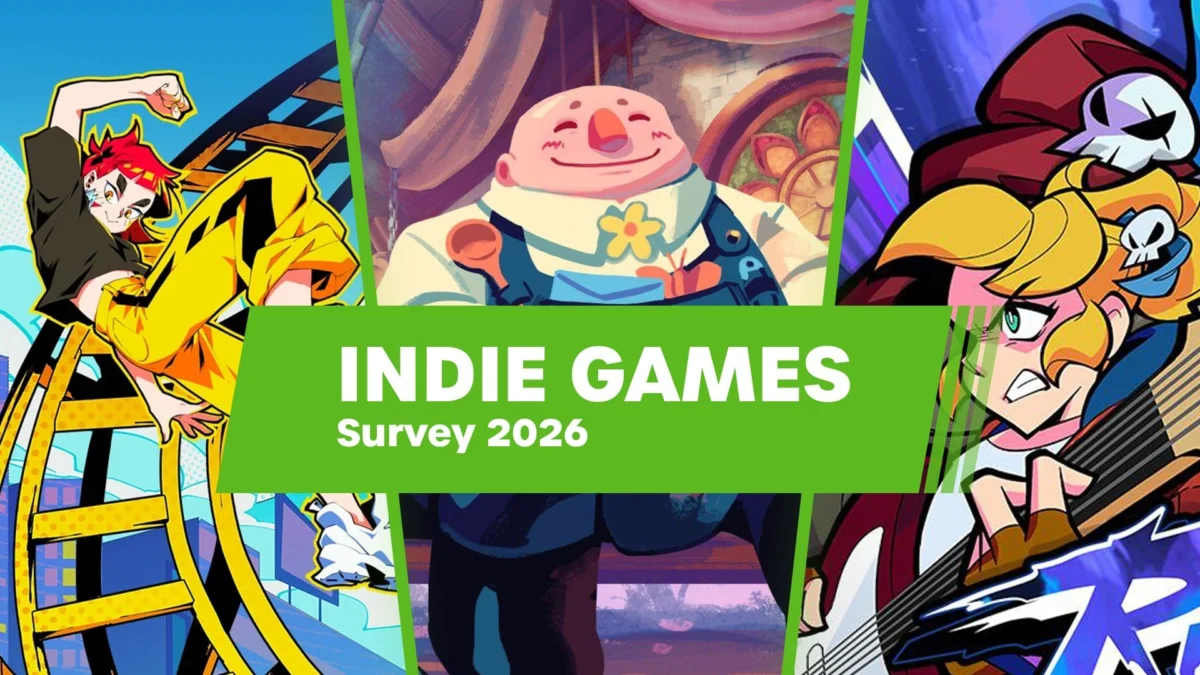
The digital media landscape is currently witnessing a significant shift toward data-driven content curation, a trend exemplified by the recent launch of the Indies Games Survey for 2026 by the Indie Know initiative. This strategic undertaking, distributed across a network of specialized gaming publications including Pure Xbox and its sister sites, represents a proactive effort to decode the evolving preferences of the global gaming audience. By soliciting direct feedback from its readership, the organization aims to refine its editorial direction and advertising partnerships to better align with the specific needs of the independent gaming community. As the industry moves toward the middle of the decade, the insights garnered from this survey are expected to play a pivotal role in how niche gaming news is delivered and consumed.
The Strategic Importance of Audience Analytics in Gaming Media
In an era characterized by an overwhelming volume of content, specialized media outlets are increasingly turning to granular audience data to maintain relevance. The Indies Games Survey for 2026 is not merely a feedback mechanism but a sophisticated tool designed to map the demographic and psychographic profile of the modern indie game enthusiast. Historically, gaming journalism relied on broad metrics such as page views and click-through rates. However, the contemporary environment demands a deeper understanding of "why" and "how" audiences engage with specific genres, price points, and platforms.
The decision to target 2026 as a focal point suggests a long-term strategic vision. Media analysts suggest that by 2026, the current console generation—comprising the PlayStation 5 and Xbox Series X|S—will have reached full maturity, likely giving way to rumors of next-generation hardware or significant mid-generation refreshes. By gathering data now, Indie Know and its parent network can position themselves to lead the conversation as the market transitions. The survey focuses on "easy" mode interactions, utilizing a streamlined user interface to maximize participation rates, acknowledging the "survey fatigue" often experienced by digital consumers.
Historical Context: The Rise of the Independent Sector
To understand the necessity of such a survey, one must examine the meteoric rise of independent games over the last fifteen years. Since the "Indie Renaissance" of 2008, catalyzed by titles like Braid, Castle Crashers, and later Minecraft, the sector has grown from a niche hobbyist movement into a multi-billion-dollar pillar of the global games market. According to industry reports from 2023 and early 2024, independent titles now account for more than 95% of all new releases on the Steam platform. While AAA blockbusters continue to command massive marketing budgets, indie games frequently dominate the cultural zeitgeist through viral success and innovative mechanics.
The shift in player behavior has been profound. A decade ago, the "average" gamer primarily sought high-fidelity graphics and cinematic experiences. Today, the success of titles such as Vampire Survivors, Balatro, and Hades demonstrates a shift toward mechanical depth, replayability, and unique art styles. This diversification makes it difficult for editorial teams to predict what will resonate with their readers. The 2026 survey acts as a corrective measure, ensuring that the coverage of indie titles—which can range from cozy farming simulators to brutal soulslikes—remains balanced and representative of the actual player base.
Methodology and Cross-Platform Integration
A distinctive feature of this initiative is its cross-platform implementation. The survey is synchronized across multiple websites within the network, ensuring a massive and diverse sample size. This approach allows the editorial teams to compare data points between different ecosystems. For instance, the preferences of a Nintendo Switch-focused audience may differ significantly from those of an Xbox Game Pass subscriber or a dedicated PC enthusiast.
The methodology emphasizes anonymity and data protection, a critical factor in maintaining user trust. In compliance with the General Data Protection Regulation (GDPR) and the California Consumer Privacy Act (CCPA), all collected data is anonymized. This ensures that while the publication learns about the behavior of its audience, it does not compromise the identity of its individuals. This ethical approach to data collection is becoming a standard requirement for reputable media organizations in the 2020s.
Supporting Data: The Economic Impact of Indie Gaming
The relevance of the Indies Games Survey for 2026 is underscored by recent economic data within the interactive entertainment sector. While the broader tech industry faced headwinds in 2023 and 2024, the indie segment showed remarkable resilience. Research from Newzoo and DFC Intelligence indicates that "AA" and "Indie" games have seen a 12% increase in year-over-year engagement, even as some AAA franchises saw diminishing returns on their massive investments.

Key statistics supporting the need for specialized indie coverage include:
- Market Volume: On platforms like the Nintendo eShop, indie games often represent over 80% of the digital-only library.
- Engagement Metrics: Average playtime for top-tier indie roguelikes has increased by 20% since 2021, suggesting a loyal and dedicated fan base that requires long-term coverage (guides, updates, and expansions).
- Revenue Distribution: While AAA games earn more per unit, the collective revenue of the top 100 indie games in 2023 exceeded $1.5 billion, highlighting a substantial market that advertisers are eager to tap into.
By synthesizing these data points with the results of the 2026 survey, Indie Know can provide advertisers with a highly defined audience profile, allowing for more "organic" and less intrusive advertising experiences that align with the interests of the readers.
Inferred Industry Reactions and Editorial Evolution
While official statements from the survey’s creators emphasize "knowing the audience," industry insiders suggest the implications are much broader. Leading editors in the gaming space have noted that "community-led editorial" is the future of the medium. If the survey reveals a massive surge in interest for "cozy games" or "metroidvanias," the publication is likely to shift its hiring practices or freelance assignments to include experts in those specific sub-genres.
Furthermore, the relationship between indie developers and the media is symbiotic. Small development teams often lack the PR budget of giants like EA or Ubisoft; they rely on sites like Pure Xbox and Indie Know to find their audience. A survey that identifies exactly what readers are looking for allows these sites to act as a more effective bridge. If the data shows that readers are increasingly interested in the "behind-the-scenes" development process, we can expect a rise in long-form developer interviews and technical deep-dives.
Chronology of Gaming Media Surveys
The evolution of the gaming survey can be traced through several distinct phases:
- The Print Era (1980s–1990s): Magazines like Nintendo Power or EGM used mail-in postcards to track reader demographics.
- The Early Web (2000s): Simple sidebar polls provided rudimentary data but lacked the depth needed for strategic planning.
- The Big Data Era (2010s): Tracking cookies and analytics allowed sites to see what people clicked on, but not necessarily what they wanted to see more of.
- The Community Engagement Era (2020s–Present): Comprehensive, cross-site surveys like the 2026 initiative represent the current peak of audience-media interaction, where the reader is treated as a stakeholder in the site’s growth.
Broader Implications and the Future of Gaming Journalism
The launch of the Indies Games Survey for 2026 serves as a case study for the broader challenges facing digital journalism. As search engine algorithms become more volatile and social media platforms shift away from news distribution, direct-to-consumer relationships are becoming the most valuable asset a media company can possess. By inviting the audience to "shape and evolve the site," Indie Know is fostering a sense of ownership among its readers.
This strategy also addresses the "discoverability crisis" in the indie game world. With thousands of games launching every year, the role of the journalist has shifted from "reporter" to "curator." The results of this survey will essentially provide a roadmap for curation. If the audience indicates a preference for discovering hidden gems over hearing about established indie hits, the editorial output will adjust accordingly.
In conclusion, the Indies Games Survey for 2026 is a forward-looking initiative that recognizes the complexity of the modern gaming market. By combining historical context, economic data, and direct audience feedback, the network is preparing for a future where the line between independent and mainstream gaming continues to blur. The findings from this survey will not only influence the content seen on the screens of millions of readers but will also help define the standard for how gaming media operates in an increasingly data-centric world. As the survey concludes and the data is processed, the resulting changes in editorial and advertising strategy will likely serve as a blueprint for other specialized media outlets aiming to thrive in the 2026 market and beyond.