


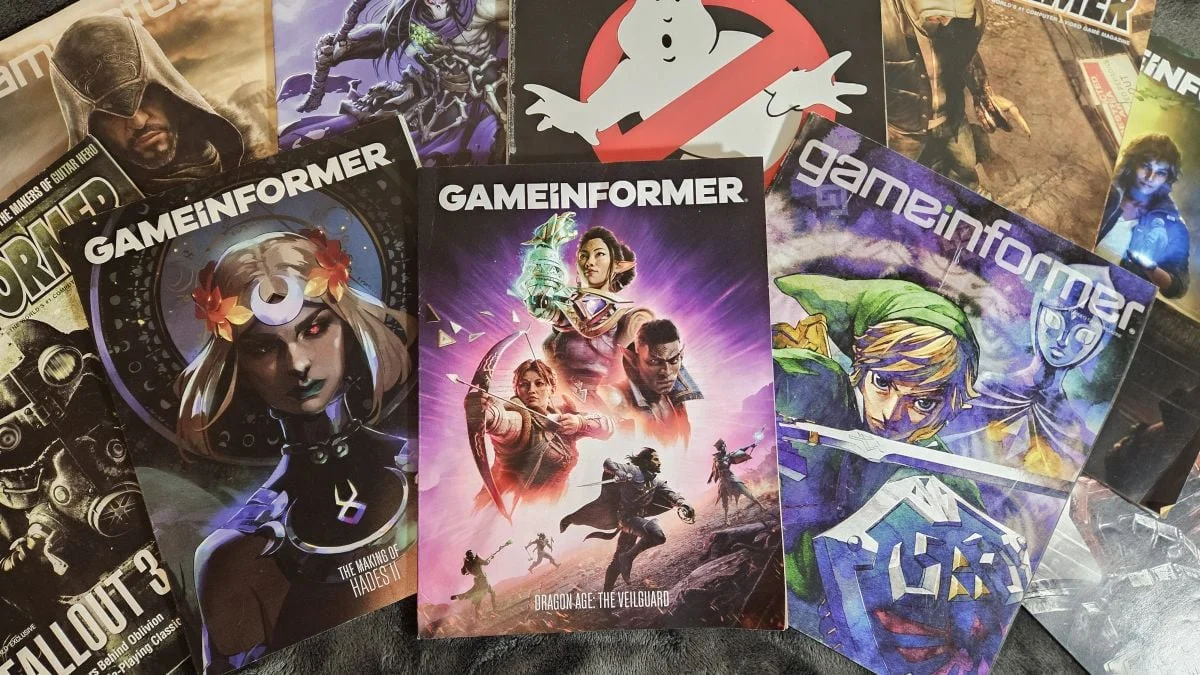
The landscape of video game journalism has been irrevocably altered today with the abrupt closure of Game Informer, a venerable institution that has served as a cornerstone of the industry for over thirty years. The decision, announced this morning by parent company GameStop, brings an end to a storied legacy of both print magazines and digital content, leaving a void that many in the gaming community are already lamenting. The entire editorial staff has been laid off, and the publication’s final print issue, reportedly nearing completion, will not see the light of day.
The news sent ripples of shock and disappointment through the gaming world. Former magazine content director Kyle Hilliard shared on social media that the upcoming issue was approximately 70% complete and was set to feature a significant cover story. This abrupt termination underscores the suddenness of the decision and the impact it has had on the individuals who dedicated years to the publication.
Game Informer officially confirmed its closure through a statement released on its social media channels. The message read, "While our presses may stop, the passion for gaming that we’ve cultivated together will continue to live on." This sentiment was echoed by former writers and editors who have begun sharing their personal reflections and the news of their departures on their respective platforms, painting a picture of a dedicated team blindsided by the corporate decision.
The origins of Game Informer trace back to 1991, when it began as a modest in-house newsletter for FuncoLand, a now-defunct video game retailer. Its trajectory shifted significantly in 2000 when GameStop acquired FuncoLand, inheriting the publication and integrating it into its burgeoning customer loyalty program. This move proved to be a masterstroke, as Game Informer quickly evolved from a simple newsletter into a comprehensive gaming magazine, offering exclusive content, previews, and in-depth reviews that resonated with a growing audience of dedicated players.
A Three-Decade Chronicle of Gaming Excellence
For many, Game Informer was more than just a magazine; it was an initiation into the world of video game journalism. For a significant portion of its readership, it served as the primary gateway to understanding the evolving gaming landscape, providing a tangible connection to the industry through its meticulously crafted articles, captivating cover art, and insightful analysis. The publication’s influence extended to aspiring writers and creators, many of whom cite Game Informer as their initial inspiration for pursuing a career in games media.
The publication’s impact was quantifiable. By 2010, Game Informer had ascended to an impressive position, ranking as the fifth-largest magazine in the United States. This remarkable achievement placed it ahead of established titans like Time and Sports Illustrated, a testament to the deep engagement and loyalty it commanded from its readership. Over the years, Game Informer demonstrated remarkable resilience, navigating the turbulent waters of a declining print journalism sector, the seismic shift towards digital media, and the persistent internal restructuring and workforce reductions at its parent company, GameStop.
These repeated layoffs and cutbacks within GameStop have often coincided with the company’s strategic pivots, including its ambitious forays into NFTs and blockchain technology, as well as its efforts to stabilize its business amidst the volatility of its "meme stock" status. The financial pressures and shifting corporate priorities at GameStop have demonstrably impacted Game Informer’s operational stability, ultimately leading to its demise.
Despite these external pressures, Game Informer consistently delivered high-quality content, featuring work from renowned industry journalists and showcasing some of the most iconic and memorable cover art in gaming history. In a recent effort to bolster its print presence and reconnect with its loyal subscriber base, the staff had actively worked to revitalize its print magazine offerings, including the re-launch of a dedicated subscription service. This initiative, now tragically cut short, highlights the editorial team’s commitment to the medium that defined the publication for so long.
The term "institution" is not an overstatement when describing Game Informer. For a generation of gamers, it was the definitive source of information, offering a comprehensive, cover-to-cover experience that included exclusive previews of upcoming titles, in-depth reviews, extensive features, and insightful commentary on the broader trends shaping the video game industry. Its distinctive cover art, often featuring striking and imaginative illustrations of popular game characters and worlds, became instantly recognizable and highly collectible.
Beyond its coverage of games themselves, Game Informer provided a platform for the diverse voices and perspectives that constitute the industry. Through short opinion pieces, engaging interviews with developers and industry figures, expansive feature articles, and a cherished "letters from readers" section, the magazine fostered a sense of community and dialogue. The personal archives of many, including those of former writers, are undoubtedly filled with issues of Game Informer that served as formative influences, shaping their understanding and appreciation of video games.
The Broader Implications of a Shuttered Institution
The closure of Game Informer arrives at a precarious moment for the video game industry. The sector has, in recent years, witnessed a significant wave of layoffs, with estimates suggesting that thousands of jobs were lost in 2023 alone. As more established publications and media outlets face similar challenges, the disappearance of a long-standing bastion of games coverage like Game Informer raises serious questions about the sustainability of games journalism and the future employment prospects for its professionals.
The loss of Game Informer represents more than just the end of a publication; it signifies the erosion of a vital resource for both industry professionals and consumers. Its comprehensive archives, spanning three decades of gaming history, represent an invaluable historical record. The expertise and institutional knowledge held by its laid-off staff are now dispersed, potentially leading to a fragmentation of critical insights and historical context within the industry.
GameStop’s decision to shutter Game Informer, while driven by internal corporate strategy, has profound implications for the media ecosystem. It underscores the economic realities facing traditional media outlets, even those with a dedicated and substantial audience. The challenges of monetizing content in the digital age, coupled with the financial pressures of a parent company undergoing its own strategic transformations, have created an environment where even established publications are vulnerable.
The future of games journalism remains a subject of considerable discussion. While digital platforms offer new avenues for content creation and distribution, the financial models supporting in-depth, investigative journalism are still being refined. The closure of Game Informer serves as a stark reminder of the need for robust and sustainable support structures for the media outlets that inform, engage, and shape the cultural discourse around video games. The passion that Game Informer cultivated, as stated in their farewell, may indeed endure, but the primary conduit through which that passion was shared and amplified has been extinguished, leaving a significant void in the ongoing conversation about interactive entertainment.