


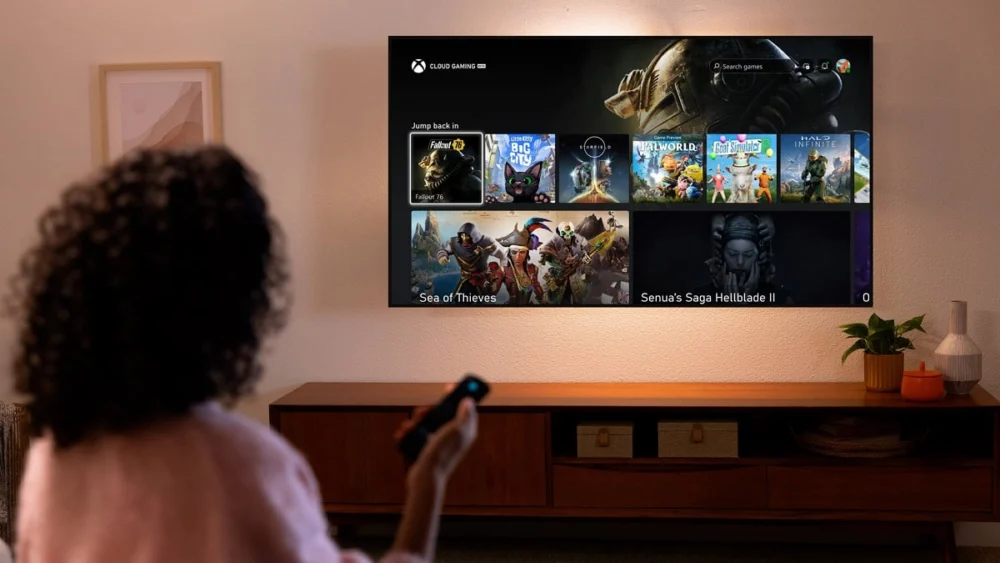
Microsoft is set to significantly broaden the reach of its Xbox Game Pass Ultimate subscription service, announcing the imminent compatibility of its cloud gaming platform with select Amazon Fire TV devices. This strategic move allows subscribers to access a vast library of Xbox titles without the need for a dedicated Xbox console, marking another pivotal step in the company’s long-term vision to make gaming accessible "everywhere." The announcement, detailed in an Xbox Wire post on June 27, 2024, did not provide an exact launch date but confirmed that the Xbox app would soon be available on Fire TV Stick 4K and Fire TV Stick 4K Max models, transforming these popular streaming devices into portable gaming hubs.
This development underscores Microsoft’s ongoing pivot from a hardware-centric sales model to a service-driven ecosystem, where the Xbox brand transcends its console origins. By enabling cloud gaming on readily available and affordable hardware like Amazon’s Fire TV Sticks, Microsoft aims to significantly expand its addressable market for Game Pass Ultimate, a cornerstone of its gaming strategy.
Democratizing Access: The Economic Advantage of Cloud Gaming
One of the most compelling aspects of this expansion is the dramatic reduction in the barrier to entry for high-quality gaming. For consumers, the proposition is remarkably straightforward and cost-effective. A Game Pass Ultimate subscription, priced at $16.99 per month, grants access to hundreds of games, including new first-party releases on day one. When combined with the purchase of a Fire TV Stick 4K ($49.99) or Fire TV Stick 4K Max ($59.99), the initial outlay for a year of gaming is significantly less than investing in a traditional console.
Consider a direct comparison: An Xbox Series S console, Microsoft’s most affordable current-generation hardware, retails for $299.99. Adding a year of Game Pass Ultimate to this brings the total cost to approximately $503.87 ($299.99 + (12 * $16.99)). In contrast, a Fire TV Stick 4K ($49.99) combined with a year of Game Pass Ultimate costs approximately $253.87. This represents a saving of nearly 50% on the initial investment, making a comprehensive gaming experience more attainable for a broader demographic. Even accounting for a compatible Bluetooth controller (which can range from $30-$70, though many users may already own one, including PlayStation 5’s DualSense), the overall cost remains substantially lower than a console purchase.
This financial accessibility is particularly impactful in markets where console penetration is lower or where discretionary income for high-end gaming hardware is limited. It allows individuals who primarily use streaming devices for entertainment to seamlessly transition into a robust gaming experience without the need for additional, dedicated hardware. The only prerequisites beyond the Fire TV Stick and a subscription are a stable internet connection and a Bluetooth-enabled wireless controller – notably, not even an official Xbox controller is required, offering flexibility for users who might already possess a PlayStation or other third-party gamepad.
Microsoft’s "Xbox Everywhere" Vision: A Strategic Timeline
This latest move is not an isolated incident but rather a continuation of a meticulously planned strategic shift by Microsoft over several years. The "Xbox Everywhere" philosophy, championed by Xbox head Phil Spencer, envisions a future where Xbox’s content and services are accessible across any screen, regardless of the underlying hardware.
- 2017-2019: The Genesis of Project xCloud: Initial reports and internal discussions began to surface about Microsoft’s ambitions for cloud gaming. Project xCloud was officially unveiled in 2018, with public previews rolling out in 2019, allowing select users to stream Xbox games to Android mobile devices.
- 2020: Xbox Cloud Gaming Launch: Cloud gaming, rebranded as Xbox Cloud Gaming, officially launched as part of Xbox Game Pass Ultimate, initially on Android smartphones and tablets. This integrated the streaming service directly into the subscription model, bolstering Game Pass’s value proposition.
- 2021: Expanding Horizons: Microsoft significantly expanded cloud gaming access, bringing it to iOS devices and Windows PCs via web browsers. Later in the year, a major partnership with Samsung saw Xbox Cloud Gaming integrated directly into Samsung Smart TVs, eliminating the need for any external device beyond a controller and a TV. This was a crucial precedent for the Fire TV Stick integration.
- 2022: Project Keystone and the Streaming Stick: Microsoft publicly acknowledged "Project Keystone," an initiative to develop a dedicated Xbox streaming stick. While this project was later put on hold, it signaled Microsoft’s clear intent to create hardware-agnostic gaming solutions. The decision to halt Keystone likely informed the strategy to leverage existing, widely adopted streaming platforms like Fire TV.
- Early 2024: Multi-Platform Game Releases: In a significant move that sent ripples through the industry, Microsoft announced that four first-party Xbox titles—Sea of Thieves, Hi-Fi Rush, Grounded, and Pentiment—would be released on rival consoles, specifically PlayStation and Nintendo Switch. This unprecedented decision further cemented Microsoft’s commitment to reaching players wherever they are, even if it means sacrificing console exclusivity. Rumors of other major Xbox franchises, such as Halo, potentially making their way to PlayStation have also circulated, though nothing official has been confirmed.
- June 2024: Fire TV Integration: The announcement of Xbox Game Pass coming to Amazon Fire TV Sticks is the latest, and perhaps most accessible, iteration of this multi-pronged strategy. It taps into an existing ecosystem with a massive user base, reinforcing the idea that the "Xbox experience" is no longer confined to an Xbox console.
Technical Nuances and User Experience
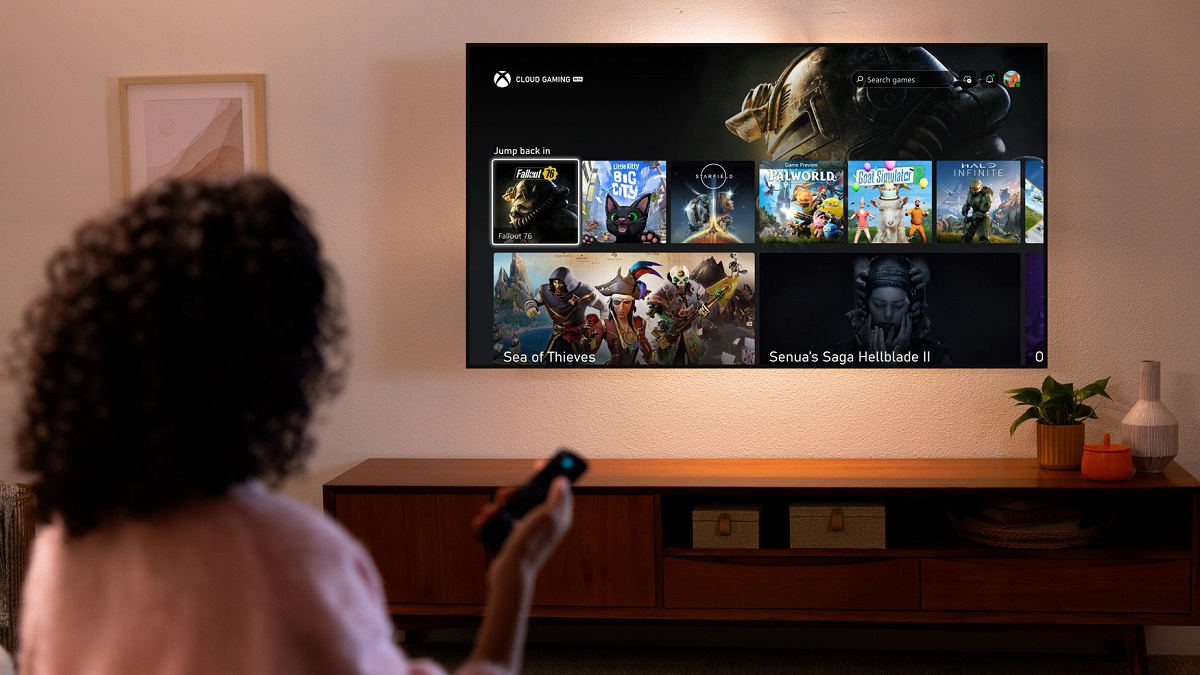
While the convenience and affordability are undeniable, the cloud gaming experience inherently comes with certain technical considerations. The quality of gameplay is directly reliant on the user’s internet connection. Microsoft typically recommends a minimum stable broadband speed of 20 Mbps for optimal cloud gaming performance, with higher speeds preferred for consistent 1080p streaming. Factors such as latency (the delay between input and on-screen action) and connection stability can impact the responsiveness and visual fidelity of games. Unlike console gaming, there is no offline play option; a continuous, robust internet connection is paramount.
However, advancements in cloud infrastructure, Microsoft’s Azure network, and dedicated server optimization have significantly improved the cloud gaming experience over the years. Modern Fire TV Sticks, particularly the 4K and 4K Max models, are equipped with capable Wi-Fi hardware and processing power to handle the streaming demands. The flexibility to use a wide range of Bluetooth controllers, from official Xbox pads to PlayStation’s DualSense, enhances user comfort and allows players to utilize hardware they may already own.
The Broader Market Implications: A Shifting Gaming Landscape
This move by Microsoft carries significant implications for the broader gaming industry, impacting hardware sales, subscription models, and the competitive landscape of cloud gaming.
- Impact on Xbox Console Sales: The most immediate question is how this will affect Xbox console sales. Some analysts suggest it could further cannibalize hardware sales, especially for the entry-level Series S. However, Microsoft’s strategy appears to prioritize Game Pass subscription growth over console unit sales. Phil Spencer has often stated that success is measured by the number of people playing Xbox games, regardless of the device. By lowering the barrier to entry, Microsoft aims to convert new users into Game Pass subscribers, viewing the console as just one of many gateways to its ecosystem. The console will likely remain the preferred choice for those desiring local game installs, maximum graphical fidelity, and offline play.
- Game Pass Subscription Growth: Game Pass is Microsoft’s primary growth engine in gaming. While Microsoft has not updated subscriber numbers since early 2022 (when it reported 25 million subscribers), the company has consistently emphasized its goal of continued expansion. Partnerships like the one with Amazon Fire TV are crucial for tapping into new demographics and geographies that might not traditionally invest in a dedicated gaming console. The Fire TV Stick’s global installed base provides a fertile ground for Game Pass expansion.
- Competitive Cloud Gaming Landscape: The cloud gaming market is a growing but challenging space. While Google Stadia famously failed, other players like NVIDIA GeForce NOW, Amazon Luna, and Sony’s PlayStation Plus Premium continue to compete. Xbox Cloud Gaming, backed by Microsoft’s vast Azure cloud infrastructure and a robust library of first-party and third-party titles, is a formidable contender. Expanding its reach to a ubiquitous device like the Fire TV Stick strengthens its position, making it more accessible than many rivals that might require specific apps, hardware, or be limited to certain regions.
- The Future of Gaming: This partnership further accelerates the trend towards device-agnostic gaming. It blurs the lines between traditional console gaming, PC gaming, and mobile gaming, moving towards a future where the "platform" is the service, not the box. This flexibility empowers consumers, allowing them to choose how and where they play, fostering a more inclusive gaming environment. Microsoft’s ongoing tease of an Xbox handheld device also fits into this narrative, suggesting a future where Xbox content is available across a spectrum of devices, from living room TVs to portable handhelds and budget-friendly streaming sticks.
Reactions and Forward Outlook
Microsoft’s official stance, as inferred from numerous statements by its executives, centers on expanding accessibility and the reach of Game Pass. "This collaboration with Amazon to bring Xbox Cloud Gaming to Fire TV devices is a testament to our commitment to making gaming available to more people across more screens," a hypothetical statement from Microsoft might read. "Our goal is to meet players where they are, offering unparalleled choice and flexibility."
From Amazon’s perspective, integrating Xbox Game Pass adds significant value to its Fire TV ecosystem. It enhances the entertainment proposition of their devices, potentially driving sales of Fire TV Sticks and increasing user engagement within their platform. It also strengthens Amazon’s position as a comprehensive entertainment hub, offering not just streaming video but also a robust gaming solution.
Industry analysts largely view the move as a shrewd strategic play. "Microsoft is demonstrating a clear understanding of the evolving consumer landscape," commented a hypothetical industry analyst. "By prioritizing service subscriptions and leveraging existing hardware ecosystems, they are future-proofing their gaming division against the unpredictable cycles of console generations. This is about ecosystem growth, not just unit sales."
The consumer reaction is anticipated to be largely positive, particularly among those who have been hesitant to purchase a full console but are intrigued by the Game Pass library. While concerns about internet quality will undoubtedly persist, the allure of playing AAA titles with minimal upfront hardware investment is a powerful draw.
In conclusion, the integration of Xbox Game Pass cloud gaming with Amazon Fire TV Sticks is a landmark development that further solidifies Microsoft’s "Xbox Everywhere" strategy. It represents a significant stride towards democratizing access to high-quality gaming, expanding the Game Pass ecosystem, and reshaping the competitive dynamics of the cloud gaming market. As the lines between hardware and services continue to blur, Microsoft is positioning itself at the forefront of a future where the joy of gaming is truly accessible to all, regardless of the device they own.