


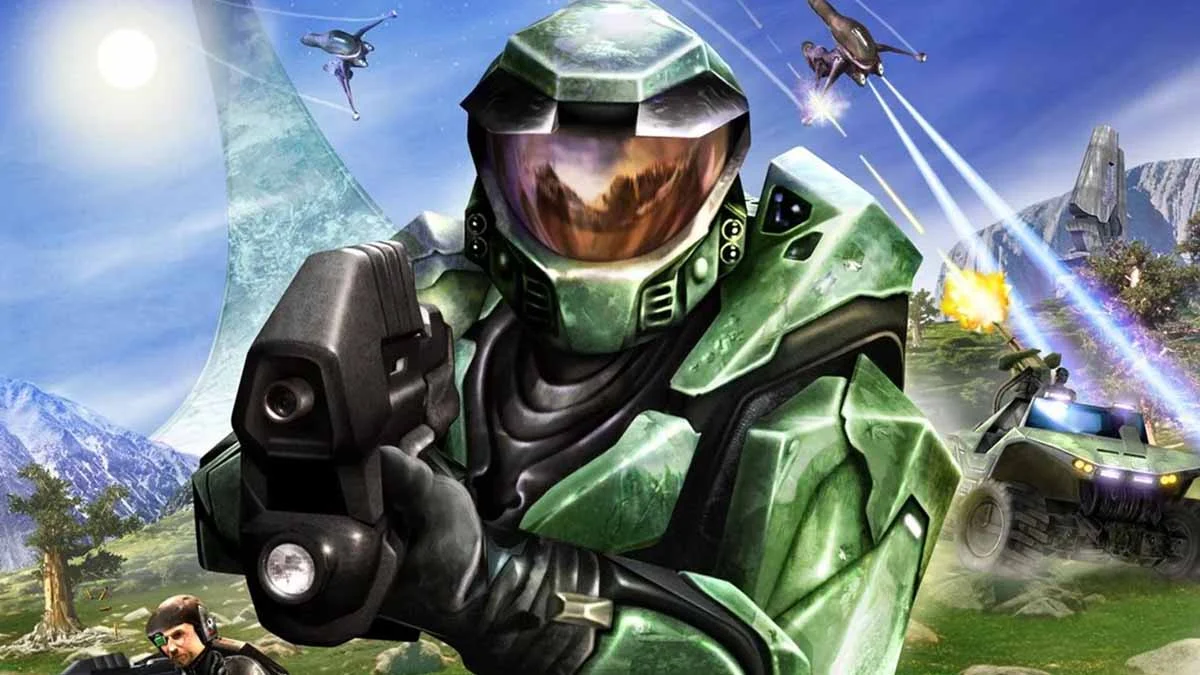
The landscape of the gaming industry has been dramatically reshaped with the confirmed transfer of the intellectual property rights for the monumental Halo franchise from Xbox’s dedicated Halo Studios to Activision. This seismic shift, occurring mere days after a significant internal restructuring within Xbox, has immediately ignited fervent discussion and speculation regarding the future of one of gaming’s most iconic sci-fi sagas. Early indications, emerging from highly credible industry sources, point towards a radical departure from established narratives, with reports suggesting a complete reboot of the Halo universe.
A New Era for Master Chief: The Activision Acquisition and Its Immediate Aftermath
The recent consolidation of Xbox’s gaming divisions, a strategic move aimed at streamlining operations and optimizing resource allocation, has set the stage for this profound change in Halo‘s stewardship. While the exact financial and contractual details of the transfer to Activision, a subsidiary of Microsoft that operates with significant autonomy, have not been publicly disclosed, the implications for the Halo franchise are already being felt. The immediate consequence is the relocation of the IP away from the now significantly downsized Halo Studios, leaving its future development under the purview of Activision’s extensive development network.
This transition has prompted swift speculation about the creative direction of the series. A key report, originating from the reputable Halo insider known as TechnicalHalo on X (formerly Twitter), has been widely disseminated across gaming communities. TechnicalHalo, who has a proven track record of accurate leaks concerning the franchise, stated unequivocally that Activision’s plans involve a complete reboot. This implies a fundamental re-imagining of the Halo universe, one that will reportedly eschew the continuation of existing storylines that have been meticulously crafted over the past two decades.
"This is a reboot," TechnicalHalo posted on X. "[It’s] a new chapter, lore is not going to be continued." This concise statement has been interpreted by many as a definitive signal that the overarching narrative, encompassing the decades-long conflict between humanity and the Covenant, the UNSC’s struggles, and the personal journeys of characters like Master Chief, will be largely disregarded in favor of a fresh start.
Historical Context: The Evolving Narrative of Halo
The Halo franchise, launched in 2001 with the seminal Halo: Combat Evolved, quickly became a flagship title for Xbox and a cornerstone of the first-person shooter genre. Developed by Bungie, the original trilogy—Combat Evolved, Halo 2, and Halo 3—established a rich lore, compelling characters, and a distinctive gameplay loop that captivated millions. The narrative focused on the Spartan supersoldier Master Chief Petty Officer John-117 and his AI companion Cortana, as they fought against the alien Covenant, and later, the Flood and the Forerunners. This era is often lauded for its tight storytelling, expansive universe-building, and profound impact on the sci-fi landscape.
Following Bungie’s departure from Microsoft in 2010, the Halo franchise was entrusted to 343 Industries. Under 343 Industries’ stewardship, the series underwent significant creative evolution. Titles such as Halo 4 (2012), Halo 5: Guardians (2015), and Halo Infinite (2021) introduced new characters, expanded the lore with deeper explorations of Forerunner history, and experimented with narrative approaches. While these games introduced new elements and continued the Master Chief’s story, they also marked a departure in tone and focus from the original Bungie era, leading to varied reception among the fanbase. The narrative threads woven through Halo 4, Halo 5, and Halo Infinite have indeed taken the series in new directions, sometimes diverging from the established style of the original trilogy.
This history of narrative evolution likely plays a significant role in the decision to pursue a complete reboot. The perceived divergence in storytelling over the years may have led Microsoft and Activision to conclude that a clean slate offers the most compelling path forward for revitalizing the franchise and potentially recapturing a broader audience.
Analysis of the Reboot Strategy: Implications for the Franchise
The decision to reboot Halo represents a high-stakes gamble. On one hand, it offers an opportunity to shed any narrative baggage that may have accumulated or alienated segments of the player base. A reboot allows for the introduction of fresh concepts, a reimagined art style, and a streamlined narrative that can appeal to both long-time fans and newcomers. This approach is not unprecedented in the gaming industry; numerous franchises have found renewed success through reboots that reintroduce core concepts with modern sensibilities.
However, the complete abandonment of existing lore also carries significant risks. The deep and intricate universe built over decades has a dedicated following. Many fans have invested considerable time and emotional energy into understanding the complex relationships, historical events, and character arcs that define the Halo saga. Disregarding this established canon could alienate a substantial portion of the existing fanbase, potentially leading to backlash and a decline in long-term engagement. The original trilogy, in particular, is often held up as the pinnacle of Halo‘s worldbuilding and storytelling, serving as a benchmark for future installments. The hope among many veterans of the series is that even in a reboot, the foundational brilliance of the original games will be recognized and perhaps even serve as an aspirational template.
The Fate of Halo Studios and Unseen Projects
The restructuring that led to this transfer also involved a significant reduction in the size and scope of Halo Studios. Reports from reputable sources like The Verge, citing industry insider Tom Warren, indicate that Microsoft "pulled the plug" on a new Halo game that was reportedly in development and slated for release in the coming years. The specifics of this canceled project remain unclear, as do its potential connections to the planned Activision reboot. Given the reported "gutting" of Halo Studios, with its developer count significantly diminished, it is considered unlikely that any assets or progress from this canceled project will directly influence the new direction under Activision. This suggests a complete overhaul, from concept to execution, is being prioritized.
Industry Reactions and Broader Implications
While official statements from Activision and Microsoft regarding the Halo reboot are still forthcoming, the implications of this acquisition are already being debated within the gaming community and among industry analysts. This move solidifies Activision’s position as a dominant force in the console gaming space, further expanding its portfolio of major intellectual properties. For Xbox, this represents a strategic reallocation of resources, potentially allowing them to focus on other key franchises and hardware initiatives.
The transfer of such a prominent IP also raises questions about the future of exclusive content and platform identity. While Activision operates with considerable independence, the integration of Halo into its development pipeline could influence how and where future Halo titles are released. The industry will be closely watching for any indications of exclusivity or multi-platform strategies employed by Activision for the rebooted Halo series.
The success of this reboot will hinge on Activision’s ability to strike a delicate balance: to innovate and present a fresh, compelling vision while respecting the legacy and core appeal that made Halo a cultural phenomenon. The coming years will undoubtedly reveal the full extent of Activision’s plans for Master Chief and the universe he inhabits, marking a pivotal chapter in the storied history of the Halo franchise.