


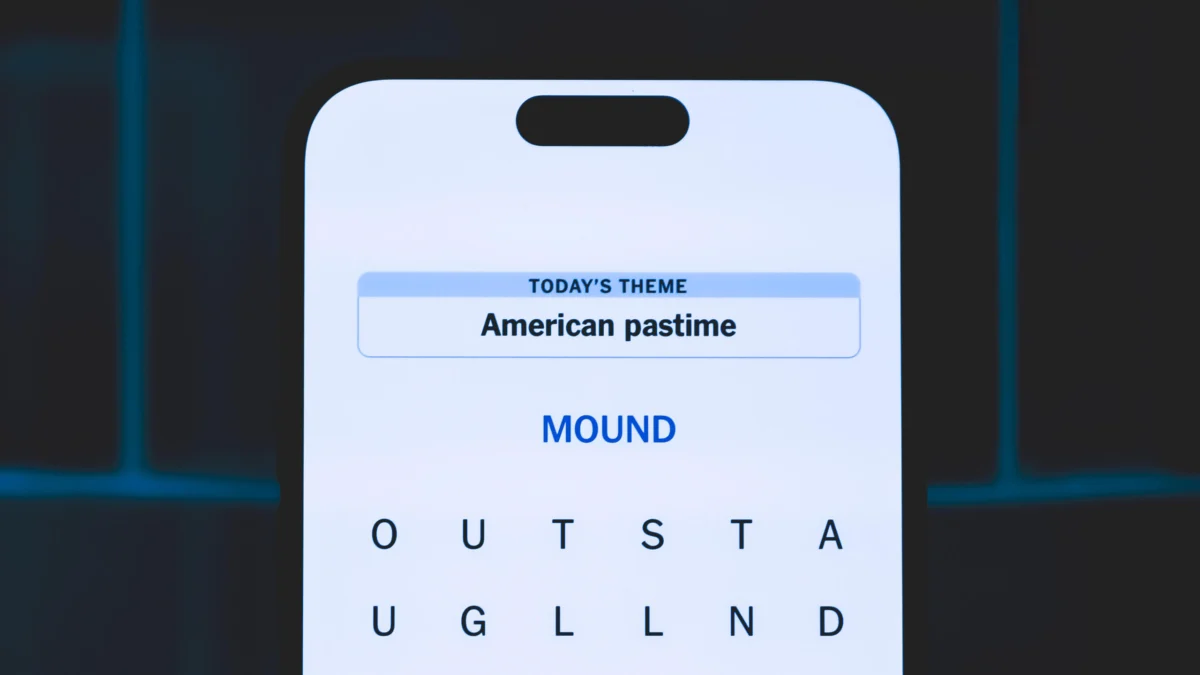
The New York Times’ Strands puzzle, a captivating addition to its acclaimed suite of daily word games, continues to challenge and engage a growing legion of enthusiasts. As players worldwide grapple with its unique blend of word-find mechanics and thematic deduction, resources like CNET have emerged as essential companions, providing timely hints and solutions to navigate the daily linguistic labyrinth. This dynamic interplay between challenging content and accessible guidance underscores a significant trend in digital engagement, where intellectual stimulation meets immediate support, fostering a vibrant community around daily cognitive exercises.
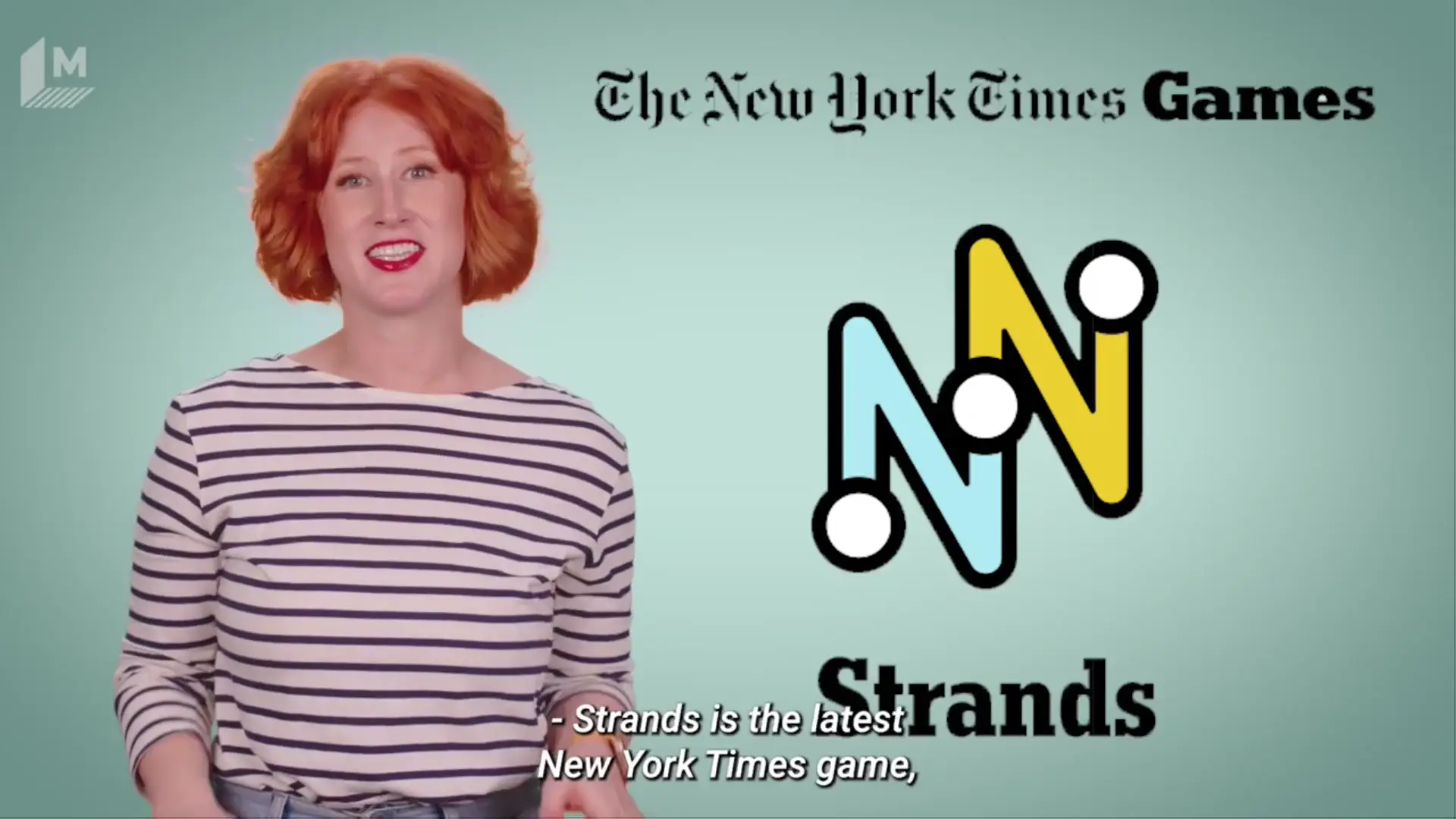
The Genesis and Mechanics of NYT Strands
Launched as the latest innovation from The New York Times Games division, Strands quickly carved out its niche in the crowded landscape of digital word puzzles. Unlike traditional word searches, where a list of words guides the player, Strands presents a grid of letters and a single, overarching theme. Players are tasked with uncovering a set number of theme words, which can snake horizontally, vertically, or diagonally, and crucially, are not explicitly provided. This fundamental difference transforms the game from a mere search into a deductive challenge, demanding both keen observation and thematic understanding.
Central to Strands’ unique gameplay is the "spangram." This special theme word acts as a descriptor for the entire puzzle’s topic and uniquely spans from one side of the grid to the other, either horizontally or vertically. Identifying the spangram is often a pivotal moment for players, as it frequently unlocks a deeper understanding of the puzzle’s theme and facilitates the discovery of the remaining words. The number of theme words, including the spangram, can vary from puzzle to puzzle, adding an element of unpredictability and further challenging players to discern the full scope of the day’s linguistic challenge. For instance, a recent puzzle featured the theme "Just outside your door," with "BACKYARD" identified as the spangram, providing a clear conceptual anchor for the other hidden words.
Strategic Gameplay and the Hint System
For those moments when the theme words remain elusive, Strands incorporates an ingenious hint system designed to assist players without fully compromising the challenge. Players can identify "clue words" – any words of four or more letters that are present in the grid but are not part of the puzzle’s theme. For every three such valid clue words discovered, the game will highlight one of the actual theme words, revealing its location in the grid. However, the player is still responsible for unscrambling and correctly identifying that highlighted word, adding a layer of strategic decision-making. This mechanism provides a valuable lifeline, encouraging players to explore the grid actively even when the theme words initially prove difficult to spot.

This hint system represents a thoughtful balance in game design, offering a pathway forward without trivializing the puzzle. It empowers players to make progress through their own efforts, albeit with a guided assist, rather than simply handing over answers. This design philosophy resonates deeply with the casual gaming audience, who appreciate a challenge that is surmountable with persistence and strategic thinking, often making the difference between a frustrating stalemate and a satisfying solve.
The Broader Context: The New York Times’ Gaming Empire
Strands is not an isolated phenomenon but rather the latest jewel in the crown of The New York Times’ highly successful Games division. For years, the daily Mini Crossword has served as a quick, accessible brain-teaser, while the traditional Crossword has maintained its status as a sophisticated linguistic workout. The acquisition of Wordle in early 2022 further cemented the Times’ position as a powerhouse in digital casual gaming, attracting millions of new players and significantly boosting its digital subscription numbers. Subsequent releases like Connections, which challenges players to group related words, and Connections: Sports Edition, have further diversified the offerings, catering to a wide array of cognitive preferences.
The New York Times’ strategy in cultivating this gaming ecosystem is multi-faceted. Firstly, these games act as powerful engagement tools, drawing users back to the Times’ digital platforms daily, fostering habit formation, and increasing overall time spent on site. Secondly, they serve as a crucial driver for digital subscriptions. Many of the most popular games, including Strands, are eventually placed behind a paywall, offering immense value to subscribers beyond traditional news content. The "stickiness" of daily puzzles, combined with their low barrier to entry and high satisfaction rate, makes them an incredibly effective conversion tool for the Times’ subscription model, contributing significantly to its ambitious goal of 15 million subscribers by 2027.
The Rise of Digital Word Puzzles: A Cultural Phenomenon
The widespread appeal of Strands and its contemporaries is indicative of a larger cultural embrace of digital word puzzles. Historically, crosswords and word finds have been beloved pastimes, gracing newspaper pages and puzzle books for decades. However, the advent of smartphones and pervasive internet access has democratized these games, making them instantly available to anyone, anywhere. This accessibility, coupled with intuitive interfaces and often aesthetically pleasing designs, has transformed what was once a solitary activity into a communal, shareable experience.
The "daily ritual" aspect is key to their success. For millions, starting the day with a Wordle, Connections, or Strands puzzle has become as ingrained as checking the news or having a morning coffee. This routine provides a sense of accomplishment, a brief mental escape, and a low-stakes intellectual challenge. The ability to share results with friends and family, often via simple emoji grids, fosters a sense of community and friendly competition, further embedding these games into daily life. This social dimension amplifies their reach and reinforces their cultural significance beyond mere entertainment.
CNET’s Indispensable Role as a Player’s Ally
In this burgeoning ecosystem of daily word puzzles, publications like CNET play a vital and increasingly important role. As a long-standing authority in technology and consumer advice, CNET has expanded its content to cater to the growing demand for assistance with these popular games. Its daily publication of hints and answers for not just Strands, but also the Mini Crossword, Connections, and Connections: Sports Edition, positions it as an essential resource for players.
The value proposition of CNET’s coverage is clear: it caters to a diverse audience, ranging from casual players seeking a quick nudge to dedicated solvers who might be stuck on a particularly challenging puzzle. By offering clues and outright solutions, CNET helps mitigate frustration, ensures players can complete their daily routine, and ultimately enhances the overall enjoyment of the games. This service also generates significant web traffic and engagement for CNET, aligning with its mission to provide helpful, timely content to its audience. The author of CNET’s Strands content, Gael Fashingbauer Cooper, a seasoned journalist and pop-culture enthusiast, exemplifies the blend of expertise and relatable insight that makes such guides invaluable. Her personal reflections on puzzle difficulty, such as identifying "Dated slang" or "Thar she blows!" as particularly tough themes, resonate with players facing similar mental blocks.
Analyzing the Toughest Strands Puzzles
The subjective difficulty of Strands puzzles often hinges on a player’s familiarity with the theme and its associated vocabulary. CNET’s analysis of "toughest Strands puzzles" highlights this perfectly. Themes relying on niche knowledge or dated colloquialisms, as mentioned by Gael Fashingbauer Cooper, pose a significant hurdle for many. For instance:
- Dated Slang: Puzzles centered on obsolete or regional slang can be notoriously difficult. The example of "PHAT" (Pretty Hot And Tempting), a term popular in the 1990s, illustrates how generational or cultural gaps can create a formidable barrier. Players unfamiliar with specific eras of vernacular might struggle to even conceptualize the theme, let alone identify the words. This category tests not just vocabulary, but cultural literacy.
- Niche Terminology (e.g., Marine Biology): Themes like "Thar she blows!" or "Off the hook," which delve into specialized domains such as marine biology, present a different kind of challenge. Words like "BALEEN," "RIGHT" (referring to a type of whale), "BIGEYE," or "SKIPJACK" (types of tuna) are not part of everyday vocabulary for most individuals. Successfully navigating these puzzles often requires either prior knowledge or a willingness to engage in systematic trial-and-error, making the CNET hints particularly valuable for expanding one’s understanding.
These examples underscore the varied intellectual demands of Strands and the broad spectrum of knowledge it can tap into. The beauty of the game lies in its ability to surprise players with unexpected themes, pushing them to think beyond conventional word associations.
Cognitive Benefits and Community Engagement

Beyond mere entertainment, engaging with puzzles like Strands offers tangible cognitive benefits. Regularly solving word puzzles has been linked to improved vocabulary, enhanced pattern recognition, and strengthened problem-solving skills. The act of sifting through a grid of letters, identifying potential words, and then matching them to a conceptual theme is a rigorous mental exercise that can contribute to cognitive agility and potentially delay age-related cognitive decline. For many players, the daily puzzle serves as a gentle brain workout, a pleasant way to keep their minds sharp.
Furthermore, the online communities that form around these games contribute significantly to player engagement. Forums, social media groups, and comment sections on sites like CNET become hubs for players to discuss strategies, share their triumphs, and even commiserate over particularly tricky puzzles. This shared experience transforms an individual challenge into a collective endeavor, fostering a sense of belonging and camaraderie among puzzle enthusiasts. The informal sharing of "aha!" moments or exasperated sighs over a difficult spangram enriches the overall player experience, making it more than just a game but a cultural touchstone.
Implications for Digital Publishing and the Future of Games
The success of Strands and the broader New York Times Games suite carries significant implications for the future of digital publishing. It demonstrates that quality, engaging content, even outside traditional journalistic formats, can be a powerful tool for driving subscriptions and fostering reader loyalty. As the media landscape continues to evolve, publishers are increasingly looking for diverse revenue streams and innovative ways to capture and retain audience attention. Daily puzzles represent a highly effective, low-cost (in terms of production compared to investigative journalism) method to achieve these goals.
The continuous innovation within the NYT Games division suggests a sustained commitment to expanding its puzzle offerings. As AI and machine learning advance, the potential for dynamically generated puzzles, tailored difficulty levels, and even more intricate thematic challenges could revolutionize the genre. The collaboration between content creators and helpful resources like CNET will remain crucial, ensuring that as puzzles become more sophisticated, players continue to have the support they need to enjoy and master them.
Conclusion
The New York Times Strands puzzle stands as a testament to the enduring appeal of word games in the digital age. Its innovative mechanics, thematic depth, and strategic hint system have quickly cemented its place alongside other beloved daily challenges. In this vibrant ecosystem, resources like CNET are not merely providers of answers but essential partners for players, enhancing the experience, mitigating frustration, and fostering a deeper appreciation for the art of puzzle-solving. As the landscape of digital entertainment continues to evolve, the symbiotic relationship between engaging content and supportive guidance will undoubtedly remain a cornerstone of successful online communities, with Strands and CNET serving as prime examples of this dynamic interplay.