


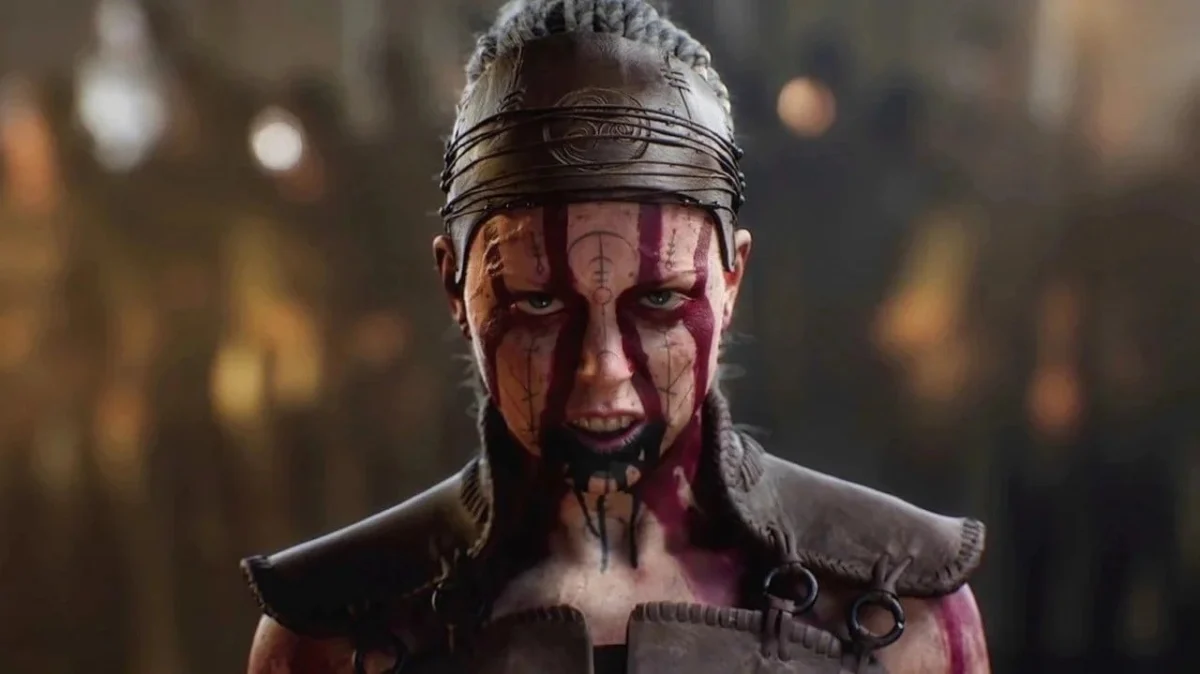
Microsoft’s Xbox division has issued a stark warning regarding the future of Ninja Theory, the critically acclaimed developer behind Hellblade: Senua’s Sacrifice and the upcoming Senua, indicating that the studio faces potential closure after two separate agreements for its sale failed to materialize. This development places Ninja Theory in a precarious position amidst a broader strategic re-evaluation by Xbox, which has seen several of its acquired studios undergo significant changes.
Xbox’s Strategic Re-evaluation: A Broader Context
The potential closure of Ninja Theory is not an isolated incident but rather a critical juncture in Xbox’s ongoing restructuring efforts, dubbed a "reset" by company officials. Over the past few months, Microsoft has been actively assessing its portfolio of game development studios, leading to decisions to divest from some and reconfigure relationships with others. This strategic shift aims to streamline operations, optimize resource allocation, and sharpen focus within Xbox Game Studios, a division that has grown substantially through a series of high-profile acquisitions in recent years.
According to an official statement from Matt Booty, the Head of Xbox Game Studios, the process of re-evaluating the studios began several months prior, with initial announcements regarding the futures of Compulsion Games, Double Fine, Ninja Theory, and Undead Labs. While some studios have successfully navigated this transition, Ninja Theory’s path has proven significantly more challenging.
Ninja Theory: A Legacy of Innovation and Narrative Depth
Ninja Theory, founded in 2000 as Just Add Monsters, has carved out a unique niche in the video game industry, renowned for its commitment to strong narrative, character-driven experiences, and innovative use of motion capture technology. Before its acquisition by Microsoft in 2018, the studio had developed a reputation for creating visually stunning and emotionally resonant games across various platforms.
Their early work included Kung Fu Chaos for the original Xbox, but it was with Heavenly Sword (2007) for the PlayStation 3 that they began to gain significant recognition, showcasing their talent for cinematic storytelling and fluid combat. This was followed by Enslaved: Odyssey to the West (2010), a cult classic praised for its poignant narrative and character chemistry, and DmC: Devil May Cry (2013), a controversial yet critically successful reimagining of Capcom’s beloved action franchise.
The studio truly cemented its artistic vision with Hellblade: Senua’s Sacrifice (2017). Developed as an independent AAA title, Hellblade explored themes of mental illness with unprecedented depth and sensitivity, earning widespread critical acclaim, numerous awards (including multiple BAFTAs), and commercial success. Its innovative approach to presenting psychosis through audio design and narrative mechanics resonated deeply with players and critics alike, demonstrating Ninja Theory’s capacity for creating impactful, thought-provoking experiences. It was the success and unique identity of Hellblade that made Ninja Theory a prime acquisition target for Microsoft.
Microsoft officially acquired Ninja Theory in June 2018, making it part of the growing Xbox Game Studios family. At the time, the acquisition was hailed as a significant boost for Xbox’s first-party content, promising more unique and artistically ambitious titles. Following the acquisition, Ninja Theory released Bleeding Edge (2020), a multiplayer online brawler, and began development on Senua’s Saga: Hellblade II, which launched to critical acclaim earlier in 2026. Most recently, the studio had announced Senua, a new game set in the Hellblade universe, slated for release in 2027, further extending the beloved IP.
The Unraveling: Two Failed Agreements and the Path to Closure
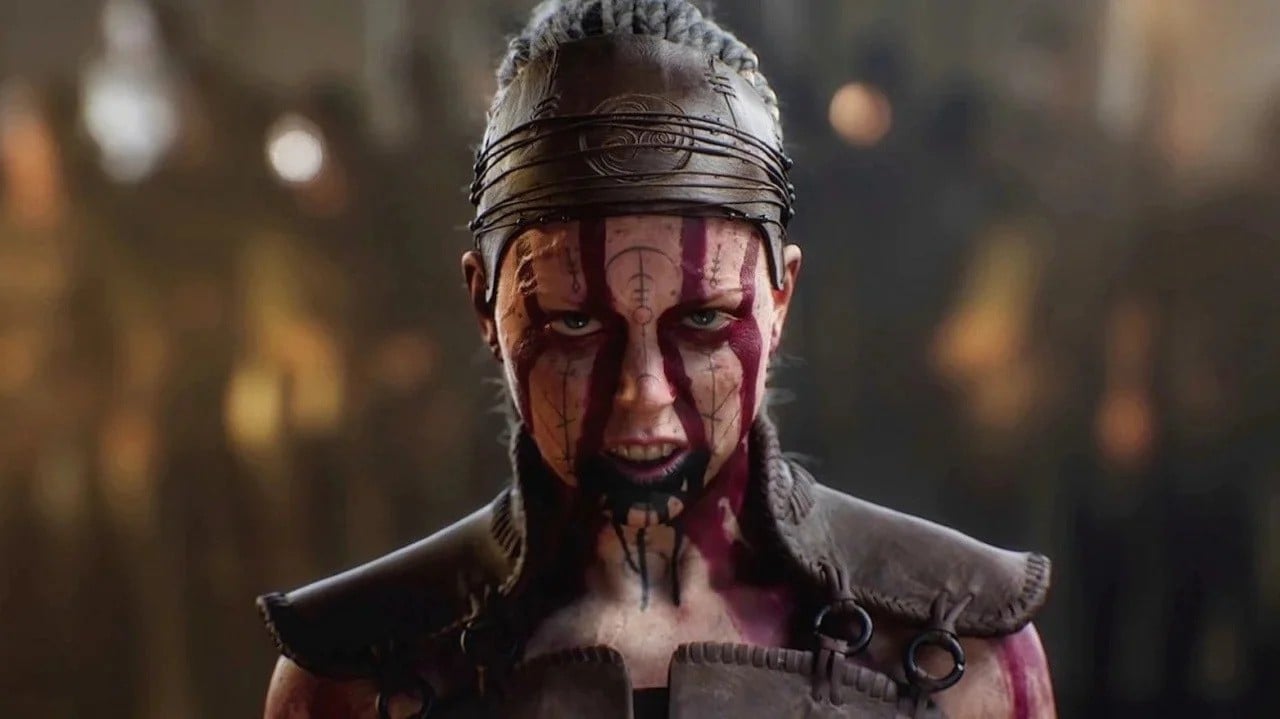
The current crisis facing Ninja Theory stems directly from the failure of two distinct agreements aimed at divesting the studio from Xbox. While the specifics of these agreements, including potential buyers or the terms of sale, have not been publicly disclosed, their collapse has left the studio without a viable path forward under Xbox’s revised strategy.
In his official communication on September 22, 2026, Matt Booty confirmed the grim reality: "Unfortunately, two separate agreements for Ninja Theory fell through. We will now begin consultation with employees on a proposed closure while continuing to explore other paths forward." This statement underscores the seriousness of the situation, initiating a formal process that could lead to the studio’s permanent shutdown and the loss of numerous jobs. The phrase "consultation with employees on a proposed closure" is a legal and procedural step often taken in the UK, where Ninja Theory is based, before a final decision on closure is made, allowing employees and their representatives to engage with management regarding the implications.
Microsoft’s Divestment Strategy: A Look at Other Studios
The fate of Ninja Theory stands in stark contrast to that of other studios involved in Xbox’s restructuring. According to Booty’s statement, "In August, Compulsion and Double Fine returned to management with their IP, back catalogs, and runway funding." This arrangement suggests a form of management buyout or a structured separation where these studios regained independence, taking their intellectual properties with them, along with sufficient funding to operate autonomously for a period.
Undead Labs, the developer behind the State of Decay series, also found a favorable outcome. Booty stated, "Undead Labs has now successfully transitioned on similar terms and, with a new publisher, will release State of Decay 3 day one on Game Pass." This indicates that Undead Labs secured a new publishing partner, ensuring the continuation of their flagship franchise and its availability on Xbox’s subscription service. These successful transitions highlight that Xbox’s objective was not simply to shutter studios but to find sustainable models for their future, either independently or with new partners. The failure to secure such an arrangement for Ninja Theory is therefore particularly concerning.
The Human Cost: Employee Consultations Begin
The immediate and most profound impact of this announcement falls upon the employees of Ninja Theory. The commencement of "consultation" signifies a period of uncertainty and stress for the development team, who have dedicated their careers to crafting unique gaming experiences. This process typically involves discussions about redundancy terms, potential support services, and any last-ditch efforts to save the studio or its projects. The closure of a studio, especially one with a strong creative identity, represents not just a business failure but a significant disruption to the lives and careers of talented individuals. The gaming industry has seen a wave of layoffs and studio closures in recent years, making such news particularly distressing for the wider development community.
Uncertainty for Future Projects: The Fate of Senua
One of the most pressing questions arising from this situation is the future of the Hellblade intellectual property and specifically the recently announced title, Senua. Senua’s Saga: Hellblade II was a cornerstone release for Xbox Game Pass in 2026, showcasing the power of Unreal Engine 5 and Ninja Theory’s unique narrative approach. The announcement of Senua for 2027 indicated Microsoft’s continued faith in the IP’s potential.
If Ninja Theory were to close, the fate of the Hellblade IP would likely rest with Microsoft. They could choose to retain the IP, potentially assigning future development to another studio within Xbox Game Studios, or they could seek to sell the IP to a third party. Either scenario would fundamentally alter the creative direction and identity of future Hellblade games, as Ninja Theory’s distinct vision has been integral to the series’ success. The possibility of the Senua project being canceled outright is also a significant concern, leading to a loss of creative work and anticipated content for fans.
Broader Industry Challenges: A Climate of Consolidation and Layoffs

The challenges faced by Ninja Theory and Xbox’s broader restructuring efforts reflect a turbulent period for the video game industry as a whole. The past few years have witnessed unprecedented consolidation, soaring development costs for AAA titles, and increasing pressure on profitability, particularly in the wake of the pandemic-fueled gaming boom. Companies across the sector, including major publishers and platform holders, have undertaken significant layoffs and studio closures in a bid to adapt to changing market conditions, subscriber growth plateaus for services like Game Pass, and shifts in consumer spending habits.
Microsoft itself has been part of this trend, despite its massive acquisition of Activision Blizzard King. The company has conducted multiple rounds of layoffs across its gaming division, emphasizing a need for efficiency and strategic alignment. The decision to divest from certain studios, rather than continuing to fund them, aligns with a broader industry trend of tightening belts and prioritizing core, high-performing assets.
Exploring Alternative Solutions: What Lies Ahead?
Despite the grim prospect of a proposed closure, Xbox’s statement also offers a sliver of hope, confirming that they are "continuing to explore other paths forward." This could encompass several possibilities:
- Last-minute Buyer: A third-party publisher or investor could still emerge to acquire Ninja Theory, potentially saving the studio from closure. However, the fact that two previous agreements fell through suggests that finding a suitable buyer with compatible vision and financial backing is challenging.
- Internal Restructuring: Xbox might consider a radical internal restructuring of Ninja Theory, perhaps downsizing the team significantly or re-tasking them to support other first-party projects, though this would likely mean a departure from their independent creative identity.
- IP-focused Sale: Instead of selling the entire studio, Microsoft might explore selling the Hellblade IP to a new developer, allowing Ninja Theory’s team to potentially form a new independent studio, albeit without their flagship franchise.
- New Management Buyout: A renewed attempt at an employee or management buyout, similar to the Compulsion and Double Fine models, but perhaps with different terms or a stronger financial backer.
These "other paths" represent a final window of opportunity to preserve Ninja Theory’s legacy and the jobs of its talented developers.
Parallel Concerns: Arkane Studios and Marvel’s Blade
Adding to the complexity of Xbox’s studio landscape, the news article also highlights ongoing consultations regarding Arkane Studios, specifically concerning the future of their highly anticipated title, Marvel’s Blade. The report indicates that Xbox is "talking to Marvel’s Blade developer Arkane about what to do with that studio, and consultation will continue throughout the rest of 2026."
This parallel situation suggests that Arkane, another studio acquired for its unique creative vision (known for games like Dishonored, Prey, and Deathloop), is also undergoing a similar strategic review. The fate of Marvel’s Blade, a title generating considerable excitement, now hangs in the balance alongside Arkane’s future. The extended consultation period indicates a complex evaluation process, but it also underscores the extensive internal changes Microsoft is implementing across its gaming division.
The Road Ahead: Hopes for a Resolution
The potential closure of Ninja Theory would mark a significant loss for the gaming industry, depriving it of a studio celebrated for its artistic integrity and innovative storytelling. As the consultation process begins and Xbox continues to explore alternative solutions, the gaming community watches with bated breath, hoping that a viable path can be found to preserve Ninja Theory and its unique contributions to interactive entertainment. The broader implications for Xbox’s strategy and the future of its first-party studios will undoubtedly continue to unfold throughout 2026 and beyond.