



The escalating cost of technology, driven by an insatiable demand for memory and processing power, has now impacted one of the world’s most popular gaming consoles, with Microsoft implementing significant price increases for the Xbox Series X and Series S in Europe and the United Kingdom. This adjustment, which sees the flagship Xbox Series X potentially climbing by as much as €200 (approximately $230 USD), reflects a broader trend of inflation affecting consumer electronics and highlights the complex interplay between emerging technologies, global manufacturing, and consumer affordability.
The price hikes were first noted by astute observers on online forums, specifically Resetera, where users shared evidence of the updated pricing structures. According to these reports, the 1TB disc-equipped Xbox Series X, previously retailing at €599.99, is now set to be sold at €799.99. Its digital-only counterpart, the Xbox Series X (no disc drive), will see a similar substantial jump from €549.99 to €749.99.
The impact on the Xbox Series S, Microsoft’s more budget-friendly offering, is also significant. The 512GB variant of the Series S, which was a key driver of accessible next-generation gaming, will increase by €150, moving from €349.99 to €499.99. Even the recently introduced 1TB version of the Series S is not immune, facing a €200 price increase, bringing its new price point to €599.99. These figures represent a substantial upward revision for consumers in these specific markets, potentially altering purchasing decisions for a significant segment of the gaming community.
The Underlying Causes: AI Demand and Memory Scarcity
The primary catalyst for these price increases, as indicated by industry analysts and corroborated by the scale of the adjustments, is the unprecedented global demand for semiconductor components, particularly memory chips. The rapid advancement and widespread adoption of Artificial Intelligence (AI) technologies have created an enormous appetite for powerful processors and high-capacity memory. Companies developing and deploying AI models, from large tech corporations to burgeoning startups, are aggressively acquiring the sophisticated silicon required for training and running these complex systems.
This surge in demand for AI-specific hardware directly competes with the manufacturing capacity allocated for consumer electronics. The production of advanced semiconductor wafers, the foundational material for all modern electronics, is a highly specialized and capital-intensive process. When a significant portion of this limited global capacity is diverted to meet the needs of the AI sector, it inevitably leads to shortages for other industries.
The implications extend far beyond RAM modules. The article highlights that the price inflation affects a wide spectrum of storage solutions, including traditional hard disk drives (HDDs), solid-state drives (SSDs) of various interfaces like SATA and NVMe, and even flash memory used in smaller devices. These components are integral to the operation of gaming consoles, smartphones, computers, televisions, and a growing array of smart home appliances. The cost of these essential components has already seen considerable increases over the past year, a trend that is now translating into higher retail prices for finished goods.
A Timeline of Escalating Costs
While the recent Xbox price adjustments are a stark manifestation, the underlying pressures have been building for some time. The global semiconductor shortage, exacerbated by pandemic-related supply chain disruptions, began to take hold in late 2020 and early 2021. Initially, it primarily affected industries like automotive manufacturing, leading to production delays and increased prices for new and used vehicles.
As the recovery from the pandemic progressed, demand for consumer electronics surged, driven by increased remote work, online entertainment, and a general desire for upgraded devices. This heightened demand, coupled with the ongoing production constraints, began to push up prices across the board. The emergence of generative AI as a mainstream phenomenon in late 2022 and throughout 2023 acted as a significant accelerant. The computational requirements for training and deploying sophisticated AI models, such as large language models, necessitate high-performance GPUs and vast amounts of memory, creating a fierce competition for these limited resources.
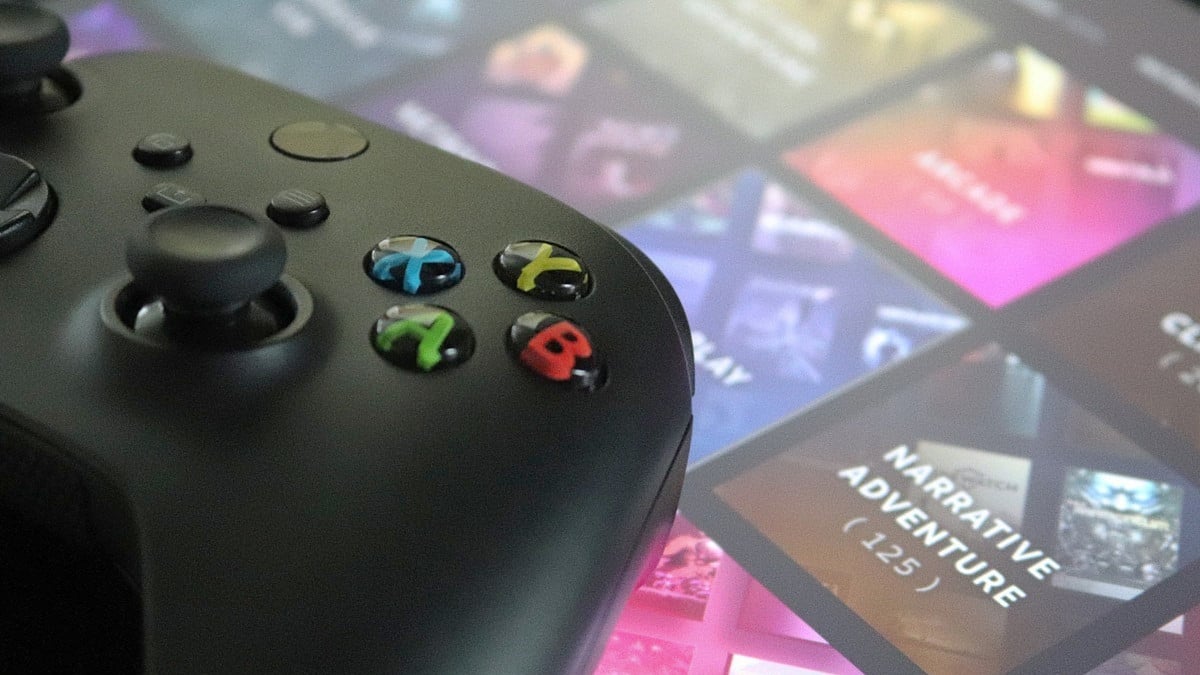
Microsoft’s decision to increase Xbox prices in Europe and the UK, while not affecting other regions at this specific juncture, suggests a strategic response to localized market conditions, currency fluctuations, or a phased approach to global price adjustments. The company has historically adjusted pricing based on regional economic factors, and this latest move is likely a continuation of that strategy in the face of unprecedented cost pressures.
Supporting Data and Industry Context
To contextualize these price increases, it’s important to consider the broader trends in the semiconductor market. The global semiconductor market size was valued at approximately $574.1 billion in 2022 and is projected to grow significantly in the coming years, driven by demand from AI, automotive, and IoT sectors. However, the growth is not uniform, and specific segments like memory chips have experienced volatile pricing due to supply-demand imbalances.
For instance, DRAM (Dynamic Random-Access Memory) prices have seen fluctuations. While there might be periods of slight price correction, the overall trend has been upward pressure due to high demand from data centers, AI accelerators, and consumer devices. Similarly, NAND flash memory, used in SSDs, has also faced similar pressures. Reports from market research firms have indicated that the cost of manufacturing advanced semiconductor components has risen due to increased raw material costs, energy prices, and the complexity of fabrication processes.
The cost of producing a single Xbox Series X console involves a multitude of components, each susceptible to these inflationary pressures. Key among these are the custom AMD Zen 2 CPU and RDNA 2 GPU, which rely on advanced fabrication processes. The system’s memory (16GB GDDR6 RAM) and its internal SSD storage are also significant cost drivers. When the prices of these individual components escalate, the cumulative effect on the final retail price becomes substantial.
Broader Impact and Implications for Consumers
The ramifications of these price increases extend beyond the immediate cost of purchasing an Xbox. For consumers, this trend signifies a potential shift in the affordability of next-generation technology. The allure of high-end gaming consoles, which were already a considerable investment, is diminished when prices climb so steeply. This could lead to:
- Delayed Upgrades: Consumers may postpone their purchases, opting to extend the lifespan of their current hardware or seek out more affordable alternatives.
- Increased Demand for Older Models: The price hikes on current-generation consoles could potentially boost demand for previous-generation hardware, if available, or refurbished units.
- Shift in Gaming Habits: Gamers might gravitate towards cloud gaming services, PC gaming (though also susceptible to hardware costs), or mobile gaming as more accessible alternatives.
- Impact on the Wider Tech Ecosystem: The article rightly points out that this inflationary trend is not confined to gaming consoles. Smartphones, high-end laptops, televisions, and even essential home appliances incorporating significant digital memory are likely to face similar price adjustments in the future. This could create a ripple effect, making the adoption of new technologies more challenging for a broader segment of the population.
The current situation underscores a critical juncture in the technology industry. While the advancements in AI promise transformative benefits, the immediate consequence is a strain on global supply chains and an increase in the cost of foundational digital components. Microsoft’s decision, while perhaps a necessary business move, serves as a clear indicator that consumers in many markets will likely face higher prices for their desired electronic goods for the foreseeable future.
Potential Responses and Future Outlook
While official statements from Microsoft regarding these specific price adjustments in Europe and the UK have been limited to acknowledging the need to align with "market conditions," the underlying message is clear: the cost of doing business in the current economic climate has increased. The company, like many others in the tech sector, is navigating a landscape where component costs are volatile and demand remains robust, particularly for high-performance computing.
The long-term outlook for consumer electronics pricing will depend on several factors: the pace of AI hardware innovation and its integration into manufacturing processes, the expansion of semiconductor fabrication capacity, and the overall global economic stability. Industry analysts suggest that while the immediate future points towards continued price pressures, investments in new fabrication plants and advancements in chip design could eventually alleviate some of these constraints. However, the timeline for such relief remains uncertain, and the current trend suggests that consumers will need to adapt to a new normal of higher technology costs. The Xbox price increase in Europe and the UK is not an isolated incident but a significant marker in this ongoing global recalibration of technology economics.