



The digital realm of Welcome to the Game 3 presents players with a relentless gauntlet of threats, where the shadows of the internet conceal not just illicit data but also a cast of persistent killers. This installment of the popular survival horror series intensifies the stakes, demanding players to navigate a treacherous online landscape while evading a diverse array of antagonists. Understanding the mechanics and counter-strategies for each killer is paramount to survival, transforming the game into a high-stakes battle of wits and reflexes against formidable digital adversaries.
The core gameplay loop of Welcome to the Game 3 revolves around the player’s endeavor to acquire sensitive information from the dark web, a pursuit fraught with peril. Unlike its predecessors, WTTG3 introduces a more dynamic and interconnected threat system, where the actions of competitors and the game’s inherent dangers converge. The narrative posits a scenario where players are forced to engage in a digital arms race, employing hacking skills and defensive maneuvers to outmaneuver opponents who are themselves employing similar tactics. The game’s premise hinges on the idea that the digital underworld is a zero-sum game, and survival necessitates understanding and neutralizing the various threats that emerge from this clandestine ecosystem.

The game’s developers, Reflect Studios, known for their dedication to creating immersive and challenging horror experiences, have iterated on the core mechanics that made the series popular. Welcome to the Game 3 builds upon the foundation of Welcome to the Game 2 and Dead Signal, refining the enemy AI and introducing new threats that require distinct approaches to counter. The introduction of persistent killers, each with unique behaviors and triggers, elevates the tension and necessitates a proactive rather than reactive survival strategy. Players are encouraged to prepare diligently within the first hour of gameplay, as killers typically begin their hunt around 9:30 PM in normal mode. This early preparation phase is crucial for establishing a foundation of resources and defenses.
Early Game Preparation: Establishing a Foothold
A key element of early game strategy involves resource acquisition and intelligence gathering. Players are advised to engage in mining operations on VirtMesh, a platform that facilitates the acquisition of necessary items from DarkDrop. These purchased items often serve crucial surveillance functions, enhancing a player’s ability to detect and evade threats. Concurrently, completing requests on A.C.R.S. provides a dual benefit: earning in-game currency and gaining Reputation (Rep). This is achieved by locating and selling illicit videos found on the dark web and by successfully blocking incoming hacking attempts, which directly contribute to the player’s overall standing and security. The ShadowFetch utility offers another vital tool, allowing players to convert URLs into MP4 files, a common method for accessing and processing dark web content.
Furthermore, the game introduces a dynamic communication system where players can "ping" users on specific channels before they reset every half hour. This action serves to save a user’s request, providing a persistent reference point. If a player later discovers the required video or information for a saved request, they can return to it, demonstrating a strategic layer of information management. This foresight and organizational capability are critical for success in the high-pressure environment of Welcome to the Game 3.
Encountering the Adversaries: A Comprehensive Killer Compendium
The persistent threats in Welcome to the Game 3 are varied and demand specific counter-measures. Each killer operates under a unique set of rules, and understanding these nuances is the difference between survival and a swift game over.

The Bomb Maker
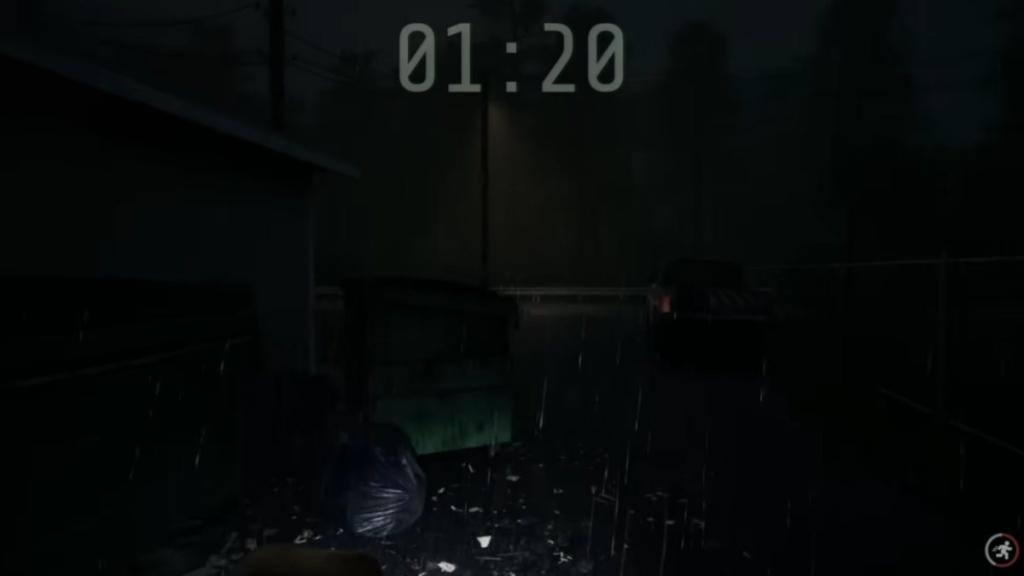
Resembling the Dollmaker from Welcome to the Game 2, the Bomb Maker’s threat is directly linked to player interaction with their specific website. This encounter is not guaranteed in every playthrough, but if the player accesses the Bomb Maker’s site, a visible timer will appear, signaling an impending crisis. The player must then immediately check CryptChat, as the Bomb Maker will send a personal message containing a disarm code. A mere 90 seconds are then allotted to locate and defuse the bomb. Failure to do so results in an immediate game over. The most effective countermeasure against the Bomb Maker is simply to avoid visiting their website altogether, effectively neutralizing the threat before it can manifest.
The Breather
A returning antagonist from previous Welcome to the Game titles and Dead Signal, the Breather exhibits a particular affinity for stalking Amazon Prime drones. This killer’s presence is primarily associated with the retrieval of packages from dead drop locations. Specifically, the Breather becomes active when players are collecting items from the dead drop situated beneath a lit bridge on the far left side of the game’s exterior environment, outside the motel. Deviation from the designated path during these retrievals results in an immediate fatal encounter. Upon collecting DarkDrop packages, the Breather is scripted to spawn and initiate a chase. Players are strongly advised to ensure their stamina is at its maximum before engaging in package pickups. If pursued, the Breather will cease its pursuit once the player successfully reaches the motel’s parking lot.
Cletus
Cletus presents one of the most intricate and unique gameplay mechanics among the killers in Welcome to the Game 3. His hostility is conditional: he will only attack if the player is not in possession of his required supply. Cletus demands meth to be left undisturbed. Players can initially acquire this supply from motel rooms and the parking lot at the commencement of each run. When this initial supply dwindles, players must locate and contact dealers through A.C.R.S. This process involves checking a dealer’s Reputation level and then "PING"ing them to initiate contact. Successful contact yields a Dealer ID, which can then be entered into DAREdash. It is important to note that this Dealer ID does not persist across save files. The acquisition of crystal meth from a dealer’s stock operates similarly to purchasing any other item from DarkDrop.

A critical survival tactic when dealing with Cletus is to always maintain at least one baggie of meth in your inventory. Furthermore, it is advisable to avoid carrying more than one baggie at a time. This is because if Cletus catches the player with an excess supply, he will confiscate the entire quantity, forcing the player to incur additional costs to replenish their stock. While Cletus will not kill a player who provides his requested supply, he will forcibly relocate them to a motel room if he apprehends them while they are outdoors.
The Kidnapper
The Kidnapper embodies the simplest of the killer mechanics in Welcome to the Game 3, yet can become a significant impediment, particularly during instances of power or internet outages. This antagonist lurks in the motel’s parking lot, typically situated within a white van. Players must exercise extreme caution and avoid exiting the motel through either the front or back doors when the white van is present, as doing so will result in immediate abduction. The recommended strategy is to remain indoors until the van has departed. The longer a player waits for the Kidnapper to leave, the higher the probability of Noir’s appearance, especially if multiple lights have been extinguished in an attempt to counter Lucas.
Lucas
Lucas, a consistent and formidable threat throughout the Welcome to the Game series since his debut in WTTG2, remains the paramount danger in Welcome to the Game 3. As a highly skilled hitman, Lucas is the embodiment of the player’s deepest digital nightmares. His primary method of attack involves assassinating the player, Simon, through the back entrances of the main building. While Lucas can also attack players in exterior locations, his preferred and most effective infiltration route is through the rear of the premises. This includes the door to the Electrical Room, which can be unlocked by the player. Therefore, it is imperative that all rear doors are secured from the outset of a run and only unlocked when absolutely necessary for critical tasks such as restoring internet connectivity or power.

A subtle audio cue signifies Lucas’s attempt to unlock a back door. Upon hearing this, players have a brief window of opportunity to reach one of two designated hiding spots situated on either side of the computer terminal. These locations are the lockers to the far right and the laundry basket to the far left. Once hidden, a minigame initiates, requiring the player to hold and release the spacebar to maintain a moving ring within a stationary band. The gauge will not deplete until Lucas has completely vacated the area. The cessation of the hiding minigame indicates that the immediate threat has passed. To further mitigate Lucas’s threat, it is advisable to turn off two to three lights at the beginning of each run and to power down the computer when Lucas is detected approaching, as he will otherwise steal DOS coins.
The implementation of motion sensors is a crucial defensive upgrade. These sensors emit audible beeps and visual red flashes on the computer taskbar when triggered. Players should acquire and strategically position two motion sensors on the backside of the main building (designated as ALLEY), ensuring they are placed sufficiently far from the outer doors to allow adequate time for turning off lights and seeking cover.
Noir
Noir, a recurring duo of antagonists from the Dead Signal chapter, also returns to menace players in Welcome to the Game 3. The presence of these killers is amplified by the strategic decision to keep the lights off, which increases their spawn rate. Consequently, addressing power outages becomes an exceptionally perilous undertaking when Noir is a potential threat.

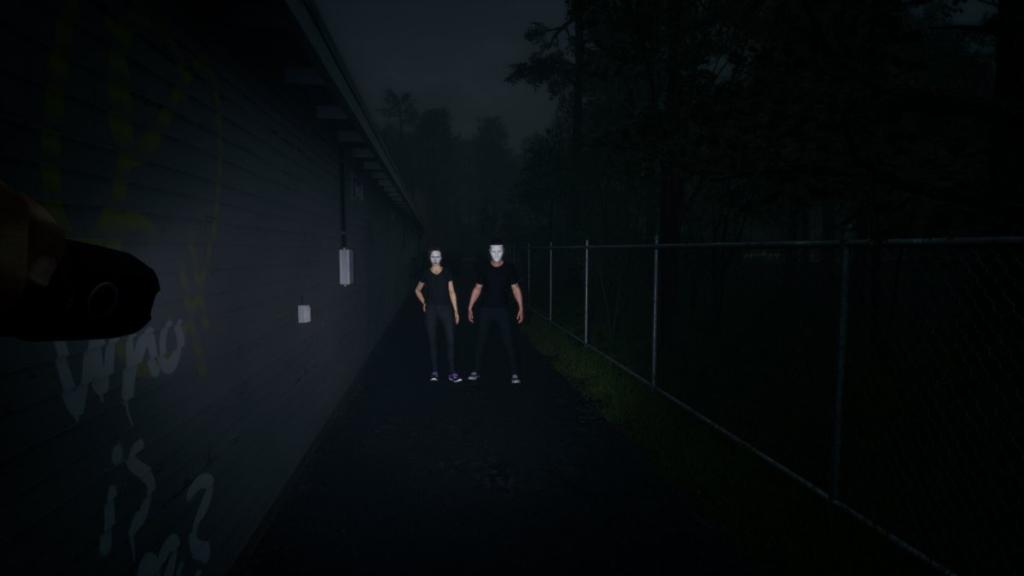
When Noir appears in the exterior area, players must carefully observe their positions. If the male figure is located on the left, the player must shine a light on him and then avert their gaze for approximately five seconds. This duration increases to ten seconds if the female figure is positioned on the left. It is essential to visually confirm their departure before moving. In other scenarios, one of the Noir duo might appear directly in front of the player while they are interacting with the computer. In such instances, the player should simply look away for a few seconds until they hear a whisper, which signals their departure.
Tanner
Tanner, a character originally introduced in Scrutinized, returns with an escalated level of desperation in Welcome to the Game 3. He poses a threat both inside motel rooms and by making sudden lunges across the counter in the main building. A dedicated panic button, located to the right of the computer, can temporarily disable the automatic doors ahead. If timed correctly, Tanner may approach and collide with the glass, thus missing an opportunity to inject the player with a lethal dose.
However, players should not solely rely on the panic button. Overuse of this feature can lead to network disruptions, necessitating a trip to the exterior to rectify the issue. An alternative defensive measure involves installing cameras to spot Tanner’s approach, although these cameras have a significant opening delay. A more immediate solution involves purchasing motion sensors and deploying them on the slender pillars at the perimeter of the motel parking lot, near the road. By clicking on the sensor icon on the taskbar, players can monitor motion detection. If movement is registered in the FRONT_OUTER_LOT, the panic button should be activated.
Similar to other exterior interactions, it is prudent to lock the motel doors behind you when entering rooms. Utilizing the peephole allows players to ascertain Tanner’s proximity. Spotting him confirms that he is currently on a cooldown period, affording the player a brief respite to focus on other threats.
Tucker
Tucker represents the final persistent killer in Welcome to the Game 3, and his attacks are typically initiated when the player is engaged in repairing the internet router in the exterior area. The rustling of leaves serves as an auditory warning of Tucker’s presence. This usually occurs when the player is mid-animation, engaged in the act of unplugging the router. The recommended strategy is to remain stationary and wait. A second rustle of leaves indicates that Tucker has moved away.
A different scenario unfolds if music is heard playing from an outdoor speaker. In this instance, players should quickly run into the parking lot and search for an Ace of Spades playing card displayed on one of the motel doors. The player should then enter the corresponding room and lock the door. Waiting until a triumphant tune plays signifies Tucker’s departure from the scene.

The persistent killers in Welcome to the Game 3 are designed to create a dynamic and challenging survival experience. Each encounter tests the player’s observational skills, quick thinking, and strategic resource management. The game’s intricate web of threats, coupled with the player’s need to navigate the dark web for information, creates a compelling and often terrifying journey through the digital underworld. The success of players hinges not only on their ability to execute technical tasks but also on their mastery of evasion and their understanding of the unique behavioral patterns of each antagonist.