


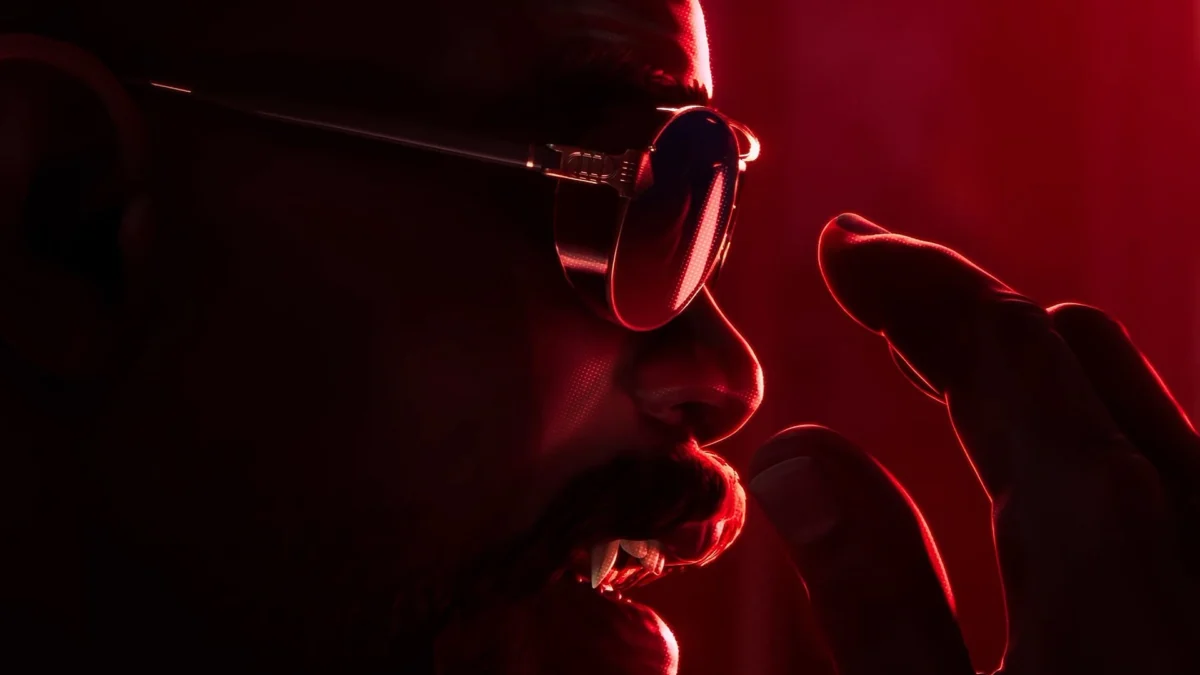
The future of Arkane Studios and its highly anticipated project, Marvel’s Blade, remains shrouded in uncertainty as Xbox continues its extensive corporate restructuring. Amidst a significant wave of layoffs and strategic re-evaluations across its gaming divisions, a recent company-wide message from Xbox CCO Matt Booty offered insights into the path forward for key franchises like Halo, Forza, and Fable, as well as the integration of acquired entities Activision, Bethesda, and King. However, the update provided little clarity for Arkane, indicating that consultations regarding the studio’s fate are still underway and expected to continue through the end of the year. This prolonged period of deliberation underscores the profound shifts occurring within Microsoft’s gaming empire and casts a long shadow over the development of one of its most intriguing upcoming titles.
Xbox’s Strategic Reset and Studio Re-evaluation
Matt Booty’s latest communication to Xbox employees outlined the immediate consequences of the company’s ongoing "reset," a term that has come to signify a period of significant consolidation, divestment, and workforce reduction. The memo detailed the latest round of layoffs, impacting various segments of the Xbox ecosystem, and reaffirmed commitments to core intellectual properties. While it provided specific updates on the operational status of several Bethesda-acquired studios and the broader integration challenges posed by the Activision Blizzard acquisition, the status of Arkane Studios was notably left in a state of flux. Booty’s brief but impactful statement, "Consultation with Arkane remains underway and is expected to continue through the end of the year," signaled a critical period of review for the acclaimed developer, known for its distinctive immersive sim titles.
This corporate recalibration by Microsoft is not an isolated event but rather a continuation of a broader strategy initiated months prior. In July, Xbox announced a staggering 3,200 job cuts, a move that reverberated throughout the global gaming industry. This decision reflected a concerted effort to streamline operations, optimize resource allocation, and address the financial pressures stemming from aggressive acquisition strategies and a rapidly evolving market. The scale of these layoffs highlighted Microsoft’s commitment to efficiency, even at the cost of significant disruption to its workforce and creative teams. For studios like Arkane, these consultations often involve reviewing strategic options, including potential restructuring, divestiture, or even closure, depending on financial viability, project alignment, and overall corporate objectives. The ambiguity surrounding Arkane’s future directly links back to these broader economic and strategic imperatives.
A Chronology of Uncertainty for Marvel’s Blade
The journey of Marvel’s Blade under Arkane’s stewardship has been marked by sporadic updates and growing apprehension. The game was initially announced with considerable fanfare, promising a unique take on the iconic vampire hunter from the critically acclaimed Arkane Lyon team, renowned for their work on Dishonored and Deathloop. However, the past year has seen a series of developments that have progressively clouded the project’s prospects:
-
May [Year Prior to Current Year]: Todd Howard’s Optimism: In an interview with Entertainment Weekly exploring Xbox’s 25th anniversary and Hollywood adaptations, Bethesda boss Todd Howard offered a rare glimpse of confidence regarding Blade. He casually remarked that he "saw some stuff just yesterday and the folks at Arkane are doing a really, really great job." This statement, coming from a figure of Howard’s stature, was widely interpreted as a positive sign, suggesting that development was progressing well and that the project had internal backing. It briefly quelled some nascent concerns about the game’s long-term viability.
-
Days Later: The Verge Report and Cancellation Rumors: The optimism generated by Howard’s comments was short-lived. Just days after the Entertainment Weekly interview, a report from The Verge surfaced, claiming that "Microsoft wants to cancel Blade as part of a wave of cost cuts and job losses." This bombshell report introduced a significant element of doubt, directly contradicting the previous positive sentiment. While such reports are often based on internal leaks and require official confirmation, the timing and source lent considerable weight to the speculation, causing immediate alarm among fans and industry observers.
-
July [Current Year]: French Works Council Consultation: Following the widespread job cuts announced by Xbox, Arkane Studios initiated formal consultation with the French Works Council. This legal requirement in France mandates that companies consult with employee representatives on strategic decisions that could impact employment or the organization’s structure. The initiation of this process was a clear indicator that Arkane’s future was actively under review, with various strategic options being considered. This consultation process is complex and can be lengthy, explaining why the situation remains unresolved months later.
-
Latest Update [Current Period]: Booty’s Confirmation of Ongoing Consultation: Matt Booty’s recent memo solidified the ongoing nature of these discussions, confirming that the "consultation with Arkane remains underway and is expected to continue through the end of the year." This extended timeline suggests that the decision regarding Arkane’s future, and by extension Marvel’s Blade, is intricate and involves significant deliberation, potentially weighing the game’s creative potential against financial performance expectations and strategic fit within the Xbox portfolio.
Despite these swirling uncertainties, the official stance from Arkane itself, particularly from Arkane Lyon, has been one of quiet determination. A widely shared social media post from a studio representative, referencing the phrase "Let us cook," encapsulates a defiant spirit, suggesting that despite external pressures, the development team remains committed to their work on Marvel’s Blade. This internal resolve, however, exists within a corporate framework where strategic decisions ultimately rest with Microsoft leadership.
Arkane Studios: A Legacy of Innovation Meets Modern Challenges
Arkane Studios has carved out a unique niche in the gaming landscape, renowned for its commitment to the "immersive sim" genre. With critically acclaimed titles such as Dishonored, Prey, and Deathloop, the studio has consistently pushed boundaries in level design, player agency, and narrative depth. Arkane Lyon, specifically, has been a beacon of this creative excellence. However, the studio’s recent history has also been marked by commercial challenges, particularly with the release of Redfall.
Redfall, developed by Arkane Austin, was released to a largely negative reception, both critically and commercially. Plagued by technical issues, a perceived lack of polish, and a departure from Arkane’s signature design philosophy, Redfall became a high-profile misstep for Xbox’s first-party lineup. This failure, coming from a studio with Arkane’s pedigree, undoubtedly placed additional scrutiny on the entire Arkane brand within Microsoft. While Marvel’s Blade is being developed by the distinct Arkane Lyon team, the collective performance of sister studios can influence corporate perceptions and strategic decisions regarding future investments across the broader division. The shadow of Redfall‘s underperformance likely contributes to the current protracted consultation period for Arkane Lyon, as Xbox seeks to recalibrate its investment strategies in light of recent successes and failures.
The development of Marvel’s Blade itself is a significant undertaking. The intellectual property carries immense weight, with a rich history in comics, successful film adaptations starring Wesley Snipes, and a dedicated fanbase. Translating Blade’s dark, gritty, and action-oriented world into an immersive sim experience presents both creative opportunities and considerable development challenges. The game is believed to be a third-person action title, a slight departure from Arkane’s traditional first-person perspective in many of its previous works, indicating a potential broadening of their design scope. The financial commitment required for a AAA Marvel title is substantial, making the project a high-stakes venture for any publisher, especially one undergoing significant financial restructuring.

The Broader Xbox Strategy and Industry Headwinds
The uncertainty surrounding Arkane and Blade must be viewed within the larger context of Microsoft’s evolving Xbox strategy and the pervasive economic headwinds facing the entire tech and gaming industries. Microsoft’s multi-billion dollar acquisition of Activision Blizzard, following the Bethesda acquisition, signaled an aggressive push to bolster its first-party content and significantly expand the Game Pass subscription service. However, integrating these massive entities has proven complex and costly. The company has publicly stated its focus on achieving "sustainable growth" and "operational efficiency," which often translates to cost-cutting measures and consolidation.
The gaming industry at large has experienced a turbulent period characterized by widespread layoffs across major publishers and developers. Companies like Sony, Epic Games, Unity, Embracer Group, and countless others have announced significant job cuts, reflecting a post-pandemic market correction, rising development costs, and investor demands for profitability. This industry-wide trend provides a crucial backdrop for understanding Xbox’s current actions. Microsoft, like its peers, is navigating a challenging economic environment where prudent financial management is paramount. The decision to scrutinize studio performance and project viability is not unique to Arkane but reflects a broader industry imperative.
Game Pass, while a cornerstone of Xbox’s strategy, also presents its own set of challenges. While it offers immense value to consumers, the economics of day-one releases on a subscription service are complex. Ensuring a consistent pipeline of high-quality, exclusive content that justifies the subscription cost, while simultaneously generating sufficient revenue to offset massive development budgets, is a delicate balancing act. The fate of studios and individual projects like Marvel’s Blade is inextricably linked to this overarching Game Pass strategy and its long-term financial sustainability.
The Fate of Sister Studios: A Mixed Bag
Booty’s update also shed light on the resolution of consultations for several other studios that had been "at-risk" following July’s job cuts, providing a mixed picture of outcomes that could potentially foreshadow Arkane’s eventual fate.
-
Compulsion Games and Double Fine Productions: Both studios have successfully "returned to management with their IP, back catalogs, and runway funding." This outcome suggests a successful divestiture or restructuring where these studios either became independent entities again or were re-integrated under new, more favorable terms, retaining control over their intellectual property and securing financial stability for future projects. This is generally considered a positive resolution, preserving creative teams and their legacies.
-
Undead Labs: The developer behind the State of Decay series also transitioned on "similar terms," but with a significant addition: "with a new publisher, will release State of Decay 3 day one on Game Pass." This indicates a successful spin-off or new publishing arrangement that ensures the continued development of a key franchise, while still leveraging the Game Pass ecosystem. It suggests a model where Xbox might divest direct ownership but retain publishing rights or Game Pass distribution agreements.
-
Ninja Theory: Unfortunately, the news for Ninja Theory was grim. Booty stated, "Unfortunately, two separate agreements for Ninja Theory fell through. We will now begin consultation with employees on a proposed closure while continuing to explore other paths forward." This highlights the stark reality that not all strategic reviews result in positive outcomes. The proposed closure of Ninja Theory, an acclaimed studio known for Hellblade: Senua’s Sacrifice, underscores the harsh decisions being made within Microsoft’s restructuring efforts and serves as a sobering reminder of the potential consequences for Arkane.
These diverse outcomes illustrate the range of possibilities currently on the table for Arkane Studios. While a direct closure like Ninja Theory is a severe possibility, divestiture with IP retention (like Compulsion and Double Fine) or a new publishing arrangement (like Undead Labs) represent more optimistic scenarios. The prolonged nature of Arkane’s consultation suggests that its situation is particularly complex, perhaps due to the high profile of Marvel’s Blade and the significant investment already made in the project.
Implications for Marvel’s Blade and Beyond
The ongoing uncertainty surrounding Arkane Studios has profound implications for Marvel’s Blade and the broader Xbox ecosystem.
-
For Marvel’s Blade:
- Cancellation: The most severe outcome would be the outright cancellation of the project. This would represent a significant loss for Xbox, Arkane, and Marvel fans, wasting years of development work and a substantial financial investment.
- Divestiture and New Publisher: Similar to Undead Labs, Blade could be divested, with Arkane Lyon potentially becoming an independent studio or acquired by another publisher, with or without Xbox retaining Game Pass rights. This could lead to a delay in release but potentially save the project.
- Continued Development with Restructuring: Arkane Lyon might continue development under Xbox, but with significant restructuring, reduced resources, or a re-scoped vision for the game. This could impact the game’s final quality or timeline.
- Sale of IP: Microsoft could potentially sell the Marvel’s Blade IP and its associated development assets to another publisher or developer, allowing the game to continue elsewhere. This is less common but not unprecedented for large corporations.
-
For Arkane Studios: The consultation period creates immense stress and uncertainty for the talented individuals working at Arkane Lyon. Studio morale, employee retention, and future recruitment efforts can be severely impacted by such prolonged ambiguity. Regardless of the outcome, the experience of being in strategic review can leave a lasting mark on a studio’s culture and its perception within the industry.
-
For Xbox and Game Pass: The fate of Blade will be a significant test of Xbox’s commitment to its first-party content strategy. Losing a high-profile Marvel title, or seeing it significantly delayed, could diminish the perceived value of Game Pass and erode confidence in Xbox’s ability to deliver exclusive, compelling experiences. Conversely, a positive resolution that ensures Blade‘s release could reaffirm Xbox’s dedication to its studios and content pipeline.
The outcome of the consultation with Arkane Studios will be a critical indicator of Microsoft’s future direction in gaming. It will reveal the balance between creative ambition and financial prudence, and ultimately, how Xbox plans to leverage its vast portfolio of studios and intellectual properties in an increasingly competitive and challenging market. Until the end-of-year deadline, the future of Marvel’s Blade and the acclaimed studio behind it will remain a subject of intense speculation and anxious anticipation.