


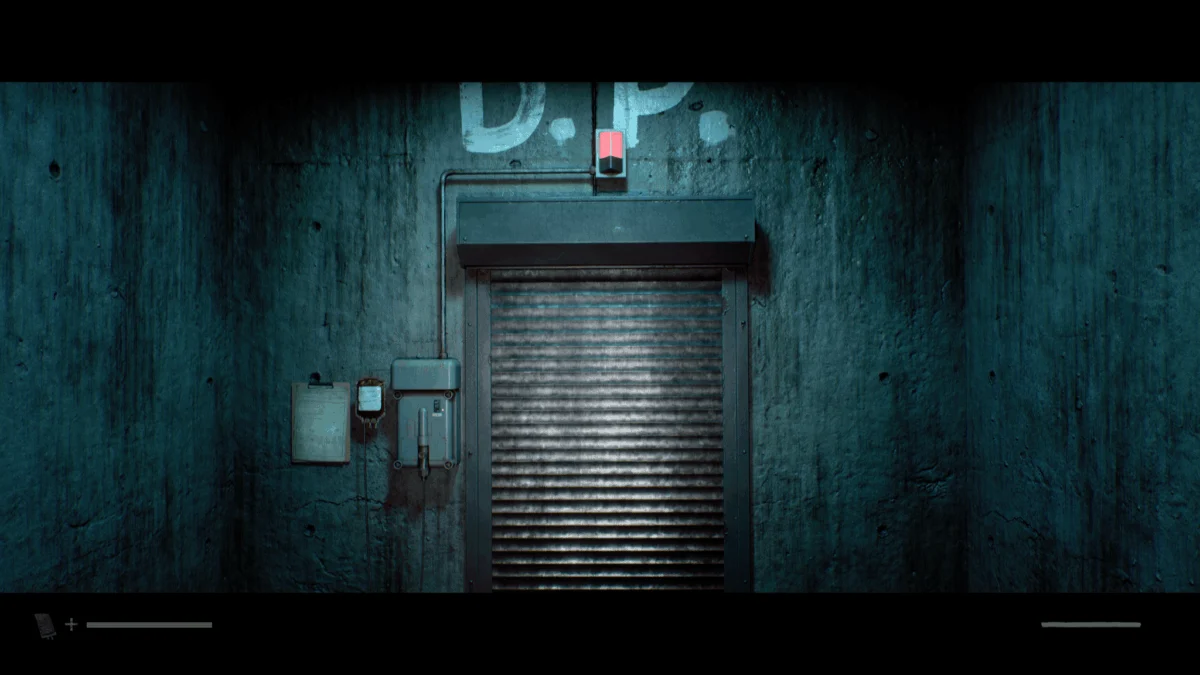
The release of SILENT HILL: Townfall marks a significant departure for Konami’s long-standing psychological horror franchise, transitioning the series into a first-person perspective while attempting to maintain the thematic focus on personal trauma, failure, and psychological misery. Developed in a collaborative effort involving Annapurna Interactive and No Code, the title presents a localized, intimate narrative set against the backdrop of a decaying island city. While the game succeeds in capturing the atmospheric essence and visual fidelity expected of a modern Silent Hill entry, it faces significant critical scrutiny regarding its mechanical execution, specifically its reliance on stealth and a perceived lack of engaging gameplay loops over its ten-hour duration.
Narrative Architecture and the Setting of St. Amelia
The story of SILENT HILL: Townfall centers on the isolated island city of St. Amelia. The narrative begins with the protagonist, Simon Ordell, awakening on a desolate shore dressed in a combination of civilian clothing and hospital patient attire. The presence of medical remnants, such as an IV drip and a facility name tag, establishes an immediate mystery regarding his prior whereabouts and the nature of the town’s apparent abandonment.

The city itself is characterized by the series’ signature dense fog, which serves both as a technical tool and a narrative device to heighten the sense of isolation. As players navigate the streets of St. Amelia, they experience the "Otherworld" transitions that have defined the series since its inception in 1999. In Townfall, these shifts are handled with a modern technical fluidity, moving the player between a recognizable reality and a dilapidated, nightmare version of the same environment.
The narrative is split between two primary perspectives. Players spend a portion of the game as Zoe, a nurse working within a local medical facility. Zoe’s segments delve into themes of professional guilt and social isolation, as her colleagues express open hostility toward her. The second perspective follows Simon Ordell as he pursues Zoe through the "Otherworld" version of the same medical facility. This dual-narrative structure is intended to explore the subjective nature of reality—a core pillar of the Silent Hill mythos—though critics have noted that the slow pacing of these revelations can lead to early-game fatigue.
Evolution of Gameplay Mechanics: The Shift to First-Person
The most striking change in Townfall is the move to a first-person perspective. This shift aligns the game with contemporary horror trends seen in titles like Resident Evil 7: Biohazard and Amnesia: The Bunker, aiming for a more immersive and claustrophobic experience. However, the implementation of this perspective has been met with mixed reviews due to the "slow and deliberate" movement speed of the characters.

Control schemes remain consistent regardless of whether the player is controlling Simon or Zoe. While a sprint function is available via the L3 button, it is often insufficient to outpace the game’s more aggressive entities. This design choice reinforces a heavy reliance on stealth mechanics.
The combat system in Townfall is intentionally restrictive. Players have access to a variety of melee and ranged weapons, as well as environmental objects like bottles and bricks that can be used for distractions or desperate defense. Melee combat follows a rudimentary "swing and block" pattern, but weapons are highly fragile, breaking after only a few uses. Ammunition for ranged weapons is scarce, necessitating high-precision headshots to be effective. Consequently, on default difficulty settings, the game encourages the avoidance of conflict altogether.
Technical Innovations: The CRTV and Pager Systems
To differentiate Townfall from its predecessors and contemporaries, the developers introduced unique diegetic tools that serve as the player’s primary interface with the world. Simon utilizes a portable CRTV (Cathode Ray Tube Television), which functions as a multi-purpose investigative tool.

The CRTV can tune into historical frequencies, allowing Simon to view "past" clips of Zoe and other residents. these sequences provide the necessary context for solving environmental puzzles and advancing the plot. Additionally, the device can detect the frequencies of nearby monsters in the present, acting as a visual radar that alerts Simon to enemy positions in real-time.
Zoe’s segments utilize a pager system. While less sophisticated than Simon’s CRTV, the pager provides directional indicators regarding enemy proximity and delivers cryptic, often hostile messages that flesh out the psychological pressure exerted on her character. These tools are integrated into the game world, reducing the need for traditional HUD elements and enhancing the "found footage" aesthetic that permeates the art direction.
Chronology of Development and Franchise Context
The announcement of SILENT HILL: Townfall was part of the "Silent Hill Transmission" event in October 2022, where Konami revealed a multi-pronged strategy to revive the dormant IP. This strategy included the Silent Hill 2 remake by Bloober Team, the experimental Silent Hill: Ascension, and the upcoming Silent Hill f.

Townfall represents Konami’s effort to diversify the franchise by partnering with specialized independent studios. No Code, known for the critically acclaimed Stories Untold and Observation, brought a history of experimental UI-driven storytelling to the project. The development timeline was extended to ensure that the transition to a first-person, stealth-focused engine met the visual standards of the ninth generation of consoles and modern PC hardware.
Analysis of Gameplay Impediments and Enemy Design
Despite the narrative intrigue and technical polish, Townfall has faced criticism for the repetitive nature of its encounters. The stealth mechanics, which occupy a majority of the ten-hour runtime, are described by some as "basic and boring."
Enemy AI pathing is a primary point of contention. Most common enemies follow predictable, rigid routes, which can lead to situations where the player is forced to wait for extended periods for an opening to perform mundane tasks. A specific example cited by players involves a puzzle requiring the retrieval of medicine; what should be a brief interaction can extend to nearly an hour due to the dense placement of enemies with slow patrol cycles.

A specific enemy type known as "The Weight" introduces an element of unpredictability that has proven more frustrating than frightening for many players. Unlike standard enemies, The Weight features erratic pathing and a high movement speed that can result in "instant-fail" scenarios if the player is spotted. Critics argue that these mechanics do not foster fear, but rather a sense of boredom and irritation, as the tension is replaced by the mechanical repetition of waiting and reloading saves.
Audio-Visual Performance and Atmospheric Fidelity
From a technical standpoint, SILENT HILL: Townfall is a high-water mark for the series. The game utilizes advanced lighting and volumetric fog effects to create an oppressive, claustrophobic atmosphere. The "Otherworld" transitions are visually jarring in a way that honors the original Team Silent aesthetic while utilizing modern rendering capabilities.
The sound design is equally meticulous. The score maintains a muffled, dour tone that complements the themes of isolation and regret. Guttural, animalistic vocalizations from the enemies provide a constant sense of unease, even when the enemies themselves are not visible. The audio-visual package successfully captures the "creeping loneliness" that is essential to a Silent Hill experience, even when the gameplay fails to provide the corresponding mechanical thrills.

Broader Impact and Implications for the Franchise
The reception of SILENT HILL: Townfall serves as a case study for the challenges of evolving a legacy horror franchise. While the "Silent Hill" brand remains powerful, Townfall demonstrates that atmospheric excellence and narrative depth are not always sufficient to compensate for lackluster gameplay mechanics.
The shift to first-person and the de-emphasis on combat suggest that Konami is willing to experiment with the series’ identity. However, the critical consensus suggests that future entries may need to find a better balance between the "walking simulator" elements of modern indie horror and the survival-horror tension of the original games.
For Konami, the mixed reception of Townfall highlights the risks of outsourcing core IPs to smaller studios with very specific design philosophies. While No Code’s influence is visible in the creative use of the CRTV and pager, the traditional stealth and combat elements appear to have suffered from a lack of refinement.

Conclusion and Critical Consensus
In summary, SILENT HILL: Townfall is a visually stunning and narratively ambitious entry that ultimately struggles under the weight of its own mechanical limitations. It successfully tells a tale of failure and tragedy over its ten-hour duration, offering multiple satisfying endings that reward players who persevere through the frustrations.
However, the "slow and clunky" movement, coupled with uninspired stealth sections and repetitive enemy encounters, prevents it from reaching the heights of the series’ golden era. For fans of the lore and atmosphere of Silent Hill, St. Amelia offers a compelling new mystery to unravel. For those seeking a tight, engaging survival-horror experience, the game’s reliance on patience over action may prove to be a significant barrier. As the Silent Hill revival continues, Townfall will likely be remembered as a bold, if flawed, experiment in perspective and narrative delivery.