


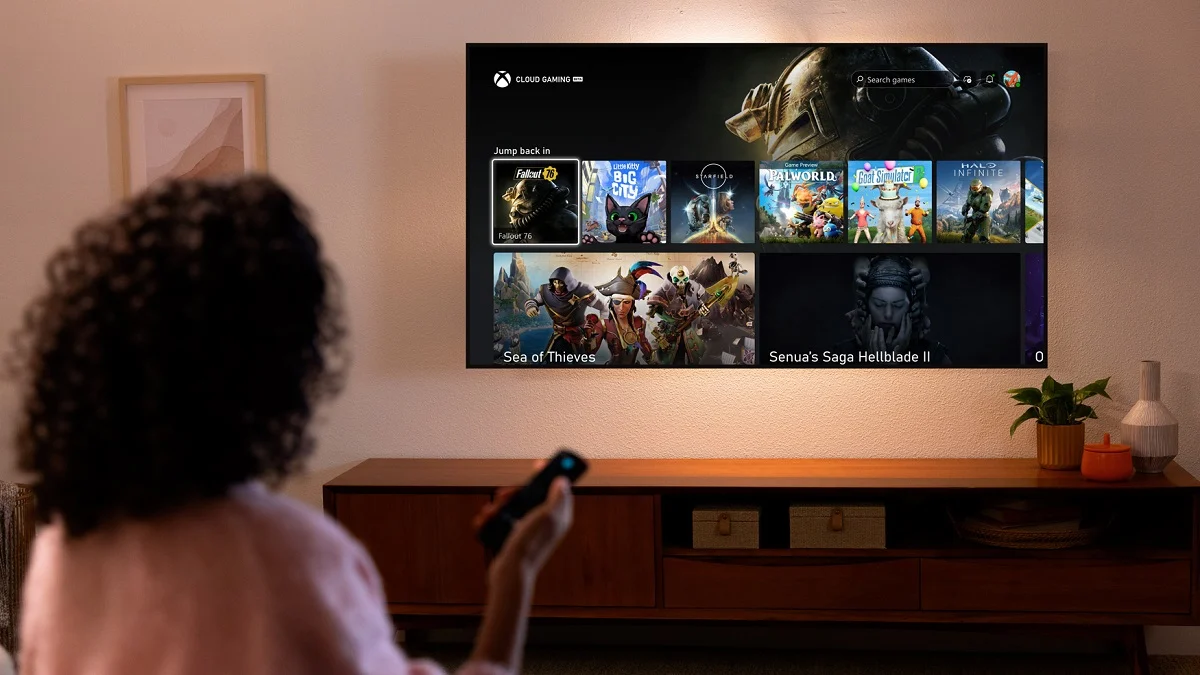
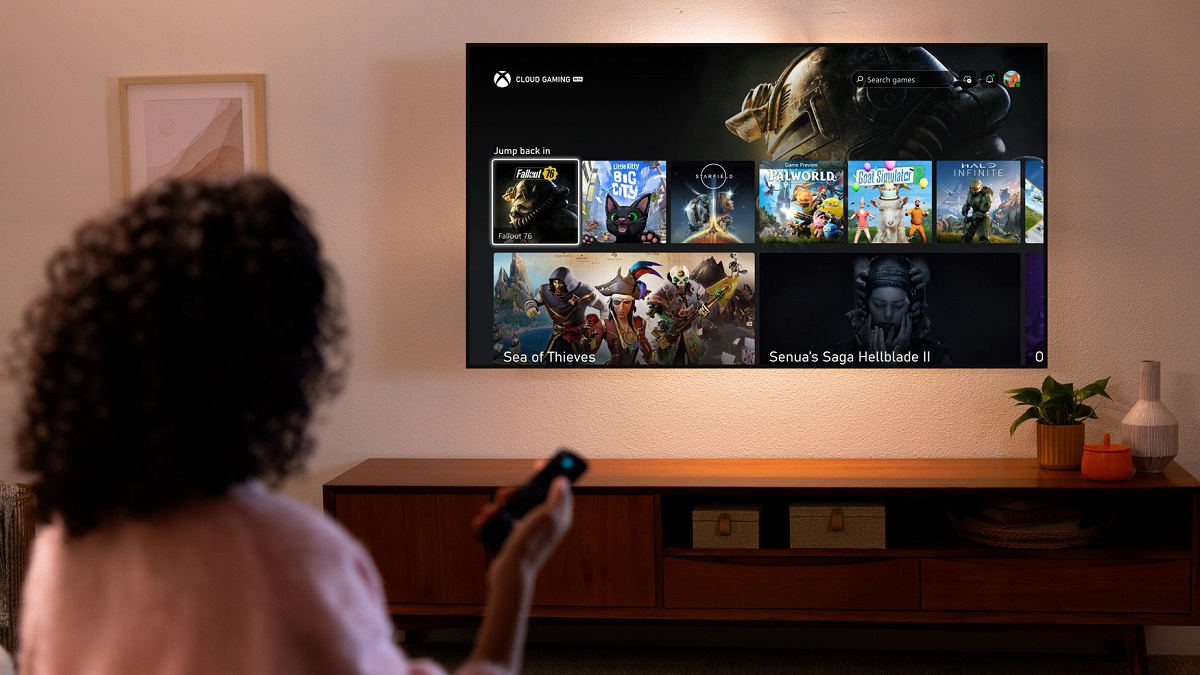
Microsoft has announced a significant expansion of its Xbox ecosystem, bringing the extensive library of Xbox Game Pass Ultimate to select Amazon Fire TV devices through cloud gaming. This strategic move further blurs the lines between traditional console gaming and accessible streaming, offering a compelling alternative for consumers to access hundreds of titles without the need for a dedicated Xbox console. The forthcoming integration, detailed in an Xbox Wire post on June 27, 2024, underscores Microsoft’s long-term vision of making its gaming content available to a wider global audience, pivoting increasingly towards a services-first approach.
A Strategic Alliance: Bringing Xbox Cloud Gaming to Fire TV Devices
The core of this announcement lies in the imminent compatibility of the Xbox app with specific Amazon Fire TV devices, namely the Fire TV Stick 4K and the Fire TV Stick 4K Max. Once deployed, users will be able to download the Xbox application directly onto these streaming dongles, sign in with their Microsoft account, and access the vast catalog of games offered through an Xbox Game Pass Ultimate subscription. This functionality is entirely reliant on Xbox Cloud Gaming (formerly known as Project xCloud), which streams games over the internet directly to the user’s display. The only additional hardware requirement is a compatible Bluetooth wireless controller, offering remarkable flexibility. Notably, players are not restricted to official Xbox controllers; popular alternatives like the PlayStation 5’s DualSense controller or other third-party Bluetooth gamepads will function seamlessly, further lowering the barrier to entry for prospective gamers.
While an exact launch date for this integration has not yet been specified, the announcement signals Microsoft’s aggressive push to expand its subscriber base beyond traditional console ownership. The Fire TV Stick 4K, priced at $49.99, and the Fire TV Stick 4K Max, at $59.99, represent highly affordable entry points into the Xbox ecosystem, especially when contrasted with the cost of a dedicated gaming console. This development is poised to significantly impact how casual and budget-conscious gamers interact with high-fidelity titles, transforming virtually any compatible television into a gaming hub with minimal investment.
Seamless Access: The Technicalities of Console-Free Gaming
The user experience for Xbox Cloud Gaming on Fire TV devices is designed for simplicity. After installing the Xbox app and logging in with an active Game Pass Ultimate subscription, users will be presented with the familiar Game Pass interface. Browsing, selecting, and launching games will function similarly to how it does on other cloud-enabled platforms like smart TVs or web browsers. The games themselves are processed on powerful Xbox Series X server blades located in Microsoft’s Azure data centers globally, with the rendered video stream sent to the user’s device and controller inputs sent back to the server. This "thin client" approach offloads the computational heavy lifting, allowing less powerful hardware like a Fire TV Stick to deliver experiences comparable to a full console.
For optimal performance, Microsoft typically recommends a stable internet connection of at least 20 Mbps for cloud gaming, with lower latency being crucial for responsive gameplay, particularly in fast-paced action titles. While the Fire TV Stick 4K and 4K Max are capable devices, the quality of the gaming experience will fundamentally depend on the user’s home internet infrastructure. This inherent reliance on internet connectivity is the primary caveat of cloud gaming, as any instability, bandwidth congestion, or high latency can lead to visual artifacting, input lag, or disconnections, thereby detracting from the immersion. Unlike traditional console gaming where titles can be downloaded and played offline, cloud gaming offers no such fallback, making a robust and consistent internet connection an absolute prerequisite.
Economic Advantage: Unlocking Gaming at a Fraction of the Cost
One of the most compelling aspects of this Fire TV integration is the dramatic reduction in the cost of entry into the Xbox gaming library. To illustrate, consider the Xbox Series S, Microsoft’s more affordable current-generation console, which retails for $299.99. A year of Xbox Game Pass Ultimate, priced at $16.99 per month, amounts to approximately $203.88 annually. Combining these two, a new user would incur an initial cost of roughly $503.87 to enjoy a year of Game Pass on a dedicated console.
In stark contrast, a user opting for the Fire TV Stick 4K ($49.99) and a year of Game Pass Ultimate would pay approximately $253.87. This figure is not only significantly cheaper than the console-plus-subscription model but is also less than the cost of the Xbox Series S console on its own. For individuals who already own a compatible Fire TV Stick, the cost of entry shrinks even further, requiring only the monthly Game Pass Ultimate subscription. This substantial cost differential democratizes access to a premium gaming library, making it accessible to a demographic that might otherwise be priced out of the console market.
This economic argument becomes even stronger when considering global markets where console prices, coupled with import duties and local taxes, can be prohibitively expensive. The ubiquity and affordability of streaming sticks like the Fire TV Stick offer a pathway for millions more individuals to engage with modern gaming without a significant upfront capital expenditure.
Microsoft’s Evolving Vision: From Hardware to Ubiquitous Access
This move to Fire TV is not an isolated incident but rather a clear continuation of Microsoft’s broader strategic shift, championed by Xbox head Phil Spencer. For years, Spencer has articulated a vision of making Xbox games available to "billions of players, wherever they are, whatever device they play on." This philosophy has guided numerous decisions, including the expansion of Xbox Cloud Gaming to smart TVs (starting with Samsung), web browsers, and mobile devices, as well as the controversial but strategically important decision to bring first-party Xbox titles to rival platforms.
In February 2024, Microsoft confirmed it would be bringing four of its previously Xbox-exclusive titles—Sea of Thieves, Hi-Fi Rush, Grounded, and Pentiment—to PlayStation and Nintendo Switch. This decision, while initially met with some consternation by a segment of the Xbox fanbase, was framed by Microsoft as a move to grow its franchises and reach more players, acknowledging the dominant market share of its competitors. Rumors persist about even more high-profile Xbox IPs, such as Halo, potentially making their way to PlayStation platforms, further signaling Microsoft’s commitment to a multi-platform content strategy.
The underlying motivation for these moves is to grow the Xbox Game Pass subscriber base. While Xbox consoles have cultivated a loyal following, their sales figures have consistently lagged behind those of the PlayStation and Nintendo Switch in recent generations. According to various market analyses, PlayStation 5 has significantly outsold the Xbox Series X|S globally, and the Nintendo Switch continues to be a formidable competitor in terms of units sold. Faced with this reality, Microsoft has strategically de-emphasized console unit sales as the primary metric of success, instead prioritizing the growth of its recurring revenue streams, with Game Pass being the cornerstone. By removing hardware as a prerequisite, Microsoft opens up a massive new potential market for its subscription service.
The Journey to Cloud: A Decade of Xbox’s Streaming Ambitions
Microsoft’s foray into cloud gaming is not a recent phenomenon but the culmination of over a decade of investment and strategic planning. The concept of streaming games from remote servers gained traction in the early 2010s, with services like OnLive and Gaikai (later acquired by Sony to form PlayStation Now, now part of PS Plus Premium) pioneering the technology. Microsoft officially entered the fray with "Project xCloud," which was first publicly unveiled in 2018.
Initially launched in beta, xCloud aimed to bring Xbox-quality gaming to mobile devices. Its integration into Xbox Game Pass Ultimate in September 2020 was a pivotal moment, transforming the subscription service from a downloadable game library into a comprehensive streaming platform. Subsequent expansions saw cloud gaming become accessible via web browsers (Chrome, Edge, Safari) in 2021, opening up PC, Mac, and iOS devices to the service. The partnership with Samsung to embed the Xbox app directly into smart TVs in 2022 further solidified Microsoft’s intent to bypass dedicated hardware. The Fire TV integration is the latest, and arguably one of the most significant, steps in this ongoing chronology of expanding access. Each iteration has refined the technology, improved server infrastructure, and broadened the reach, laying the groundwork for the current "console-less" gaming push.
The Broader Market Context: Console Wars and Subscription Dominance
The gaming industry is undergoing a significant transformation, moving beyond traditional console cycles to embrace diverse monetization models and access points. The rise of subscription services like Xbox Game Pass, PlayStation Plus, and Nintendo Switch Online demonstrates a shift towards recurring revenue streams. Game Pass, with its continually expanding library and day-one releases of first-party titles, has been particularly disruptive, often cited as a benchmark for value in the industry. As of early 2024, Xbox Game Pass boasts over 34 million subscribers, a number Microsoft is keen to grow aggressively. Expanding to widely adopted streaming devices like the Fire TV Stick is a direct pathway to reaching tens of millions of new potential subscribers who might not otherwise consider purchasing a dedicated gaming console.
This move also intensifies competition within the cloud gaming space. While Amazon has its own cloud gaming service, Luna, the integration of Xbox Game Pass on Fire TV presents a significantly more robust and widely recognized gaming library directly within Amazon’s hardware ecosystem. This could potentially drive Fire TV sales and engagement, making the partnership mutually beneficial. Sony’s PlayStation Plus Premium offers cloud streaming for a selection of PS4 and classic titles, but its integration points are primarily PlayStation consoles and PC, without the same direct integration into third-party streaming sticks. Google’s Stadia famously failed as a dedicated cloud gaming platform, highlighting the challenges of building a service from the ground up without a strong content library or established ecosystem. Microsoft, with its vast library, robust cloud infrastructure (Azure), and existing brand recognition, is uniquely positioned to succeed in this evolving landscape.
Implications for the Gaming Landscape: A Glimpse into the Future
The integration of Xbox Game Pass with Amazon Fire TV devices carries profound implications for the future of gaming. It further accelerates the trend towards a "console-less" future, where the hardware barrier to entry is significantly reduced or even eliminated. This paradigm shift could lead to:
- Increased Accessibility: Millions of households worldwide that own a Fire TV Stick but not a gaming console will now have instant access to a premium gaming library. This could particularly benefit emerging markets where console ownership is less prevalent.
- Democratization of Gaming: By decoupling high-fidelity gaming from expensive hardware, Microsoft is making gaming more democratic, potentially expanding the overall gaming population.
- Subscription Model Dominance: This move reinforces the power of the subscription model. As more users access games through Game Pass, the industry’s focus may further shift from one-time game sales to recurring subscription revenue.
- Hardware Innovation Focus: While this move might seem to de-emphasize traditional consoles, it could also free up Microsoft to innovate in other hardware segments. The persistent rumors of an Xbox handheld device, even teased by Phil Spencer himself, suggest that Microsoft is not abandoning hardware entirely but is rather exploring new form factors that complement its cloud-first strategy, offering more ways to access the same Game Pass ecosystem.
Addressing the Cloud’s Limitations: The Internet Connection Imperative
While the advantages are clear, it is crucial to acknowledge the inherent limitations and requirements of cloud gaming. The quality of the gaming experience is directly proportional to the quality of the user’s internet connection. In regions with underdeveloped broadband infrastructure or where data caps are prevalent, cloud gaming may remain an impractical solution. Microsoft and other cloud gaming providers continue to work on optimizing their streaming technology to reduce bandwidth requirements and latency, but a fundamental baseline for a smooth experience will always be necessary.
This also highlights a digital divide, where those with robust, low-latency internet connections will enjoy a premium experience, while those with slower or less stable connections may face frustration. As the gaming industry leans more heavily into cloud streaming, investment in global internet infrastructure becomes an increasingly critical factor for equitable access.
What This Means for Xbox’s Hardware Future
The question of what this means for Xbox’s dedicated console hardware is complex. While the Fire TV integration offers a console-less alternative, it does not necessarily signal the immediate demise of Xbox consoles. Instead, it positions them as one premium access point among many within a broader ecosystem. The Xbox Series X, with its superior graphical fidelity, zero-latency local processing, and ability to play games offline, will likely remain the preferred choice for enthusiasts and those with less stable internet connections. The Series S will continue to serve as a more affordable, disc-drive-less console option.
Microsoft’s strategy appears to be about offering choice. Whether you want a powerful dedicated console, a portable handheld, a smart TV app, or a simple streaming stick, the goal is to provide multiple pathways to access the Xbox Game Pass library. This flexibility ensures that Xbox can cater to a diverse range of player preferences and economic realities, ultimately aiming to maximize Game Pass subscriptions. The teased Xbox handheld, if it materializes, would further exemplify this strategy, providing a dedicated mobile hardware experience for the same cloud-driven Game Pass ecosystem.
The Path Forward: Expanding the Xbox Ecosystem
The integration of Xbox Game Pass with Amazon Fire TV Sticks is a landmark moment in the evolution of gaming accessibility. It represents a bold move by Microsoft to expand its reach beyond traditional console boundaries, leveraging the ubiquity of streaming devices to bring high-quality gaming to millions of new potential players. By significantly lowering the financial and logistical barriers to entry, Microsoft is not only strengthening its Game Pass subscription service but also contributing to a broader democratization of gaming. As the industry continues to evolve, such strategic partnerships and technological advancements will undoubtedly shape the future of how and where we play.