


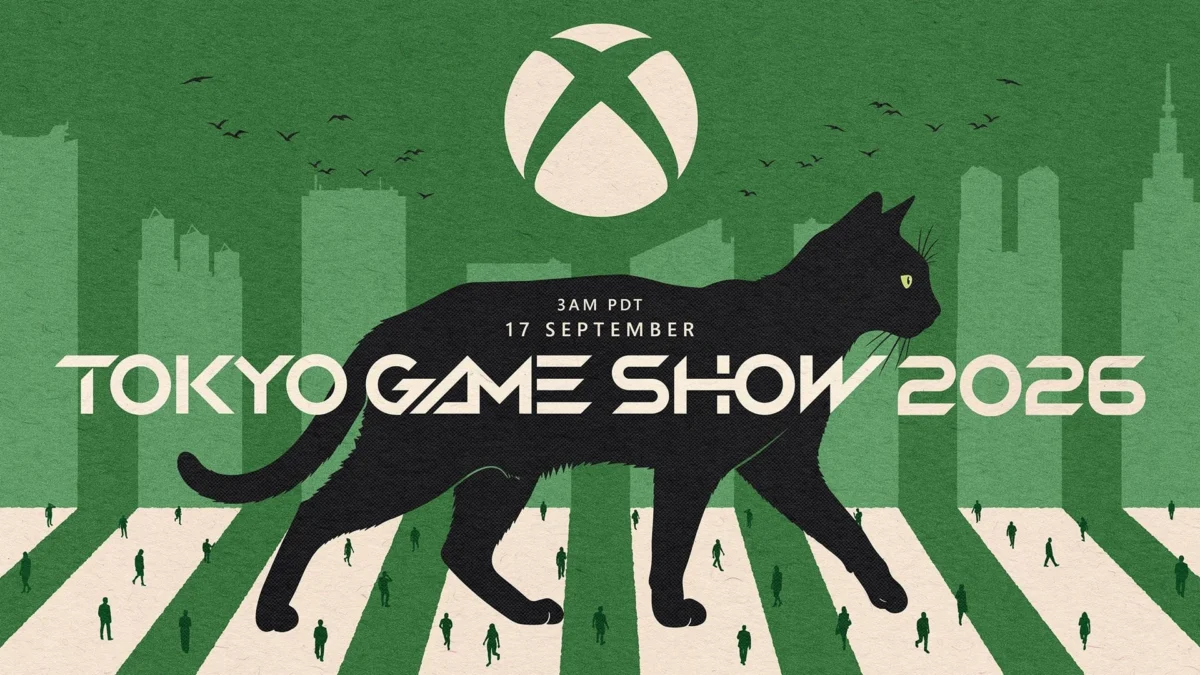
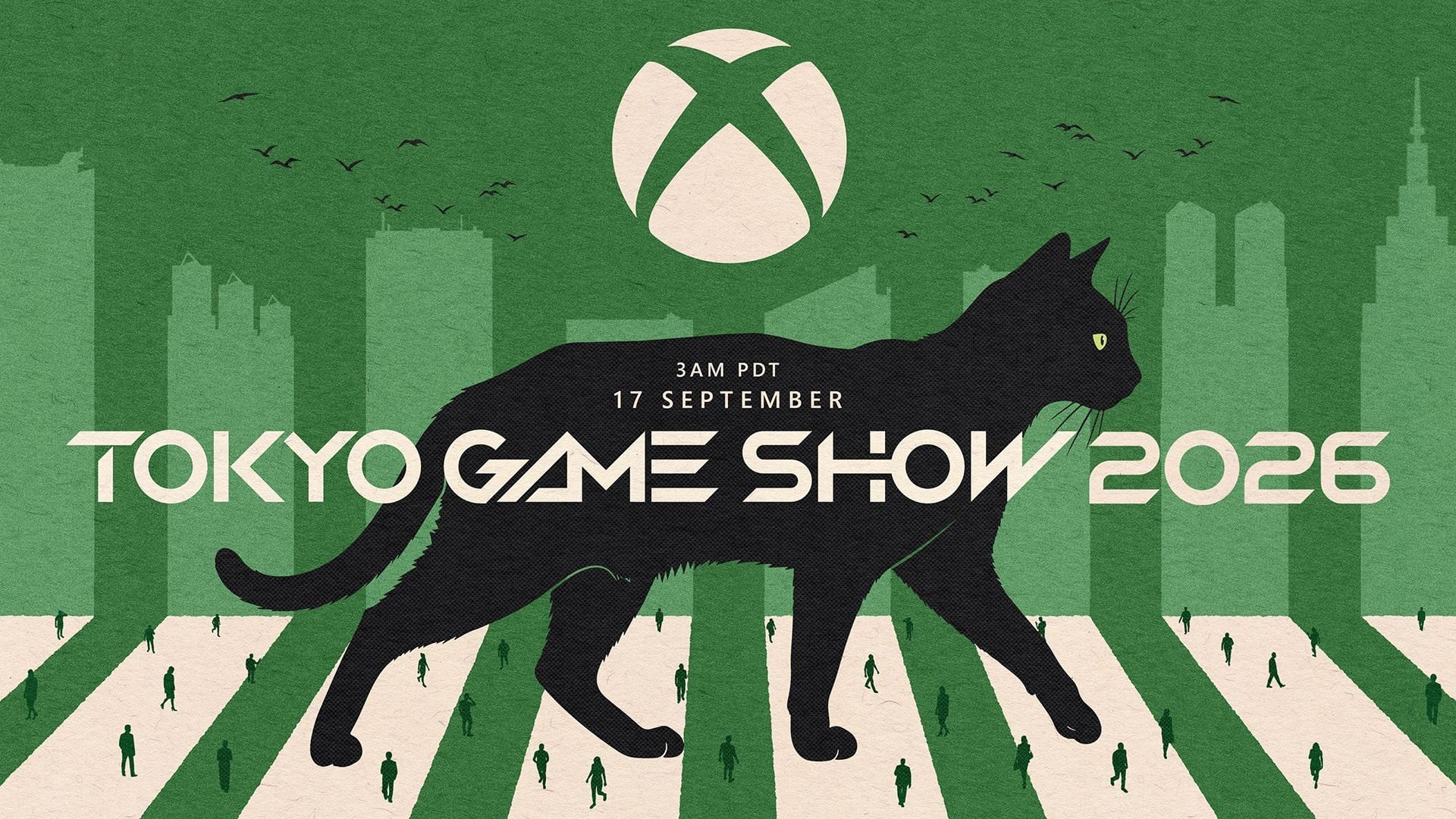
The highly anticipated Xbox Tokyo Game Show 2026 showcase is set to deliver a focused 50-minute presentation, primarily highlighting upcoming first-party and third-party titles tailored for a Japanese audience, alongside potential announcements related to Xbox Game Pass. This broadcast represents a significant strategic endeavor for Microsoft’s gaming division, underscoring its continued commitment to engaging with and expanding its presence within the crucial East Asian market. The event is scheduled to commence at 3:00 AM PDT / 6:00 AM EDT / 11:00 AM BST, positioning it for maximum viewership across different global time zones, particularly within Asia and Europe, while still being accessible to North American audiences.
A Strategic Focus on the Japanese Market
Xbox’s participation in the Tokyo Game Show (TGS) has consistently been a barometer of its strategic approach to the Japanese market, a territory historically dominated by domestic console manufacturers and PC gaming. The 2026 showcase is explicitly designed to cater to local preferences and foster deeper connections with Japanese players and developers. An official statement from Xbox underscores this intent: "Join us for the XBOX Tokyo Game Show 2026 Broadcast as we feature exciting updates from our partners and creative teams in Japan, across Asia, and around the world. We know players around the world delight in Japan-inspired content and games developed in Asia, and we can’t wait to show off the incredible talent and creativity of these teams and their games coming to XBOX." This declaration signals a deliberate strategy to not only bring global titles to Japan but also to champion games developed within the region, thereby reinforcing Xbox’s dedication to cultural relevance.
The Significance of Tokyo Game Show in the Global Gaming Landscape
Tokyo Game Show stands as one of the world’s premier video game expos, alongside E3 (or its spiritual successors) and Gamescom. While often viewed through a Japanese lens, TGS possesses substantial international influence, serving as a vital platform for publishers and developers to showcase their latest innovations to a global audience. For Xbox, its presence at TGS is more than just a marketing exercise; it is a declaration of intent. Historically, the Japanese market has proven challenging for Xbox, with the brand struggling to gain significant traction against entrenched competitors like Sony’s PlayStation and Nintendo. However, Microsoft has intensified its efforts in recent years, investing in local partnerships, acquiring Japanese development studios, and ensuring a strong representation of Japanese-developed titles on Xbox platforms and Game Pass. The 2026 showcase is a direct continuation of this long-term strategy, aiming to demonstrate tangible progress and future potential.
Xbox’s Evolving Strategy in Japan: A Historical Perspective
Microsoft’s journey in the Japanese gaming market has been characterized by persistent effort despite formidable obstacles. Upon the original Xbox’s launch in 2001, it faced an uphill battle against the PlayStation 2. Subsequent generations, Xbox 360 and Xbox One, saw varying degrees of limited success. The Xbox 360, particularly through its strong lineup of JRPGs (Japanese Role-Playing Games) and niche titles, managed to carve out a dedicated, albeit small, following. However, the Xbox One era saw a significant decline in market share.
The current generation, led by the Xbox Series X|S, has witnessed a renewed and more aggressive push from Microsoft. This invigorated strategy involves several key pillars:
- Xbox Game Pass Expansion: Prioritizing the subscription service as a low-barrier entry point for new players.
- Local Content Acquisition and Partnership: Actively seeking out and funding Japanese developers, and securing day-one releases for Japanese-developed titles on Game Pass.
- Cloud Gaming (Xbox Cloud Gaming): Leveraging cloud technology to make Xbox games accessible on a wider array of devices, potentially bypassing traditional console adoption hurdles.
- Hardware Accessibility: Ensuring consistent availability of consoles and offering various SKUs to meet different consumer demands.
This TGS 2026 showcase is therefore not an isolated event but a critical component of this broader, multi-faceted strategy. It serves as a public demonstration of the fruits of these labor-intensive efforts, aiming to convert strategic investments into tangible player engagement and market growth.
The Pivotal Role of Xbox Game Pass
The mention of "Xbox Game Pass surprises" in the event’s preview is highly significant. Xbox Game Pass has become the cornerstone of Microsoft’s gaming ecosystem, offering a vast library of games for a monthly subscription fee. For markets like Japan, where console ownership might be less widespread for Xbox specifically, Game Pass presents a compelling value proposition. It allows players to access a diverse range of titles, including new releases and critically acclaimed games, without the upfront cost of purchasing each game individually.
For the Japanese market, Game Pass offers several strategic advantages:
- Reduced Barrier to Entry: It lowers the financial commitment for players to try Xbox games, potentially attracting those hesitant to invest in a new console or full-price titles.
- Diverse Content Library: It can showcase a wide array of games, from Western AAA blockbusters to niche Japanese indie titles, catering to varied tastes.
- First-Party Day-One Releases: The inclusion of all Xbox Game Studios titles on Game Pass from day one is a powerful incentive, especially if future Japanese-developed first-party titles are announced.
- Indie Developer Support: Game Pass has been a boon for independent developers, providing a platform for exposure and revenue. This is particularly relevant given Japan’s vibrant indie scene.
Analysts frequently point to Game Pass as the most viable pathway for Xbox to significantly grow its user base in Japan. A successful TGS showcase would undoubtedly feature announcements that bolster Game Pass’s appeal, perhaps through the addition of highly anticipated Japanese games or unique regional promotions.
Anticipated Reveals and Developer Contributions
Given the explicit focus on "partners and creative teams in Japan, across Asia, and around the world," attendees and viewers can anticipate a rich tapestry of game reveals. While specific titles are kept under wraps, logical inferences can be made regarding the types of games likely to be featured:

- New JRPGs: A genre deeply embedded in Japanese gaming culture, new JRPG announcements or significant updates to existing ones would resonate strongly.
- Action/Adventure Titles from Japanese Studios: Games that blend traditional Japanese aesthetics with modern gameplay mechanics.
- Indie Games: TGS often highlights innovative indie titles, and Xbox has been actively courting smaller Japanese studios.
- Updates on Existing First-Party Titles with Japanese Appeal: For example, updates on titles from studios like Tango Gameworks (prior to its closure, if this event was pre-announcement) or other potential new Japanese acquisitions, or even major updates to existing Xbox IP that have found a niche in Japan.
- Third-Party Partnerships: Collaborations with major Japanese publishers like Square Enix, Bandai Namco, Capcom, Sega, and Koei Tecmo are crucial. Announcements of day-one Game Pass additions or exclusive content from these partners would be a significant win.
The 50-minute duration suggests a tightly packed presentation, likely focusing on gameplay trailers, developer interviews, and release date announcements rather than lengthy discussions. The format is designed to maintain viewer engagement and deliver impactful news in quick succession.
Broader Implications for Xbox’s Global Strategy
The success of Xbox’s TGS 2026 showcase extends beyond just the Japanese market. A strong showing has several broader implications for Microsoft’s global gaming strategy:
- Enhanced Global Perception: Demonstrating strong engagement and growth in Japan can positively influence Xbox’s image worldwide, proving its ability to thrive in diverse cultural contexts.
- Developer Relations: Successful partnerships and showcases at TGS can attract more Japanese developers to the Xbox platform, enriching its content library globally.
- Market Diversification: Reducing over-reliance on Western markets strengthens Xbox’s overall resilience and potential for long-term growth.
- Cloud Gaming Adoption: As Japan is a technologically advanced nation, a strong showing could accelerate the adoption of Xbox Cloud Gaming in the region, providing a blueprint for other Asian markets.
Industry analysts will be closely monitoring not only the quantity of announcements but also their quality and strategic relevance. Key metrics for success will include the number of new Japanese-developed games announced, the depth of Game Pass integration for these titles, and any signs of increasing market share or player engagement data shared post-event.
Conclusion: A Critical Juncture for Xbox in Asia
The Xbox Tokyo Game Show 2026 showcase is more than just another industry event; it represents a critical juncture for Microsoft’s ambitions in Asia. It is an opportunity to solidify relationships with Japanese developers, attract new players through a compelling content lineup and the value proposition of Game Pass, and ultimately demonstrate the long-term viability of Xbox as a global gaming platform that truly embraces regional diversity. The 50-minute broadcast is poised to deliver a concentrated dose of news and excitement, reflecting years of strategic investment and a focused commitment to one of the world’s most influential gaming cultures. The global gaming community, and particularly those with an interest in the vibrant Japanese market, will be watching closely to see how Xbox leverages this platform to further its strategic objectives.