


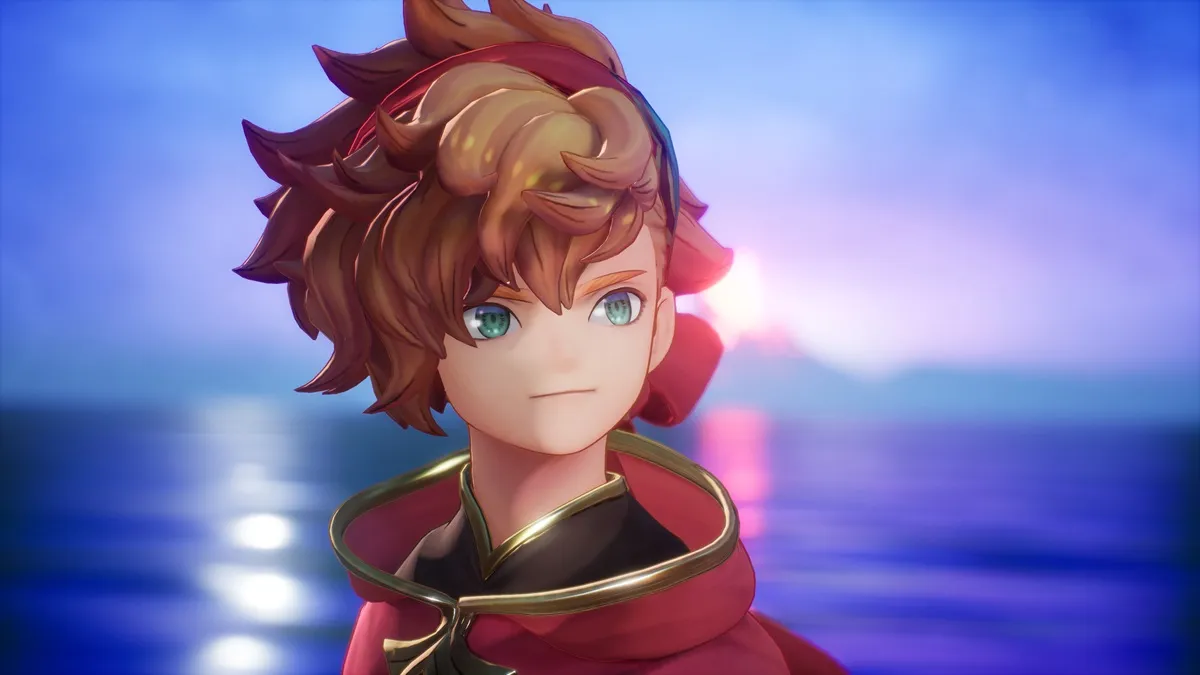
The gaming community was recently captivated by a fleeting promise that quickly dissolved into disappointment when an official Xbox webpage for the highly anticipated Square Enix RPG, Visions of Mana, erroneously indicated its inclusion in Xbox Game Pass at launch. This brief but impactful revelation ignited a wave of excitement among subscribers, only to be unequivocally retracted, confirming the listing as a significant mistake and leaving Xbox Series X|S owners to anticipate a full-price purchase for the title. The incident underscores the volatile nature of digital information in the fast-paced video game industry and the profound impact even a minor clerical error can have on consumer sentiment and platform expectations.
The Spark of Excitement: A Brief Chronology
The saga began to unfold following the Xbox Developer Direct showcase on January 23, 2024. During this event, which typically highlights games from Xbox Game Studios and its partners, Visions of Mana made a surprise appearance, marking a notable moment for Square Enix’s venerable action-RPG series on the Xbox platform. The game, presented with vibrant visuals and dynamic combat, immediately garnered positive attention. For many Xbox users, this inclusion in a first-party showcase signaled a renewed commitment from Square Enix to the Xbox ecosystem, especially in the realm of Japanese role-playing games, a genre historically more synonymous with PlayStation and Nintendo consoles.
In the days following the Developer Direct, keen-eyed fans and industry observers began to notice an intriguing detail on the official Xbox.com page dedicated to Visions of Mana. The page prominently featured language suggesting that the game would be available day one on Xbox Game Pass. This detail quickly circulated across social media platforms, with prominent gaming personalities and news aggregators, such as X user "Idle Sloth," celebrating what appeared to be a significant coup for the subscription service. The prospect of a major Square Enix RPG, particularly a mainline entry in the beloved Mana series, launching directly into Game Pass was met with widespread jubilation. It represented not just a valuable addition to the service but also a symbolic victory for Xbox in its ongoing efforts to diversify its library with high-profile Japanese titles. The immediate reaction from the community was one of enthusiastic anticipation, with discussions rife about the perceived value of Game Pass and the growing appeal of Xbox as a platform for JRPG enthusiasts.
The Unveiling of an Error: Official Clarification and Retraction
However, the euphoria proved to be short-lived. The unusual nature of such a high-profile, third-party title from Square Enix launching directly into Game Pass without a formal announcement raised questions among some within the industry. Responding to the growing buzz and the lack of official corroboration beyond the webpage listing, Eurogamer, a reputable gaming news outlet, took the initiative to seek clarification directly from Microsoft.
The response from Microsoft was swift and unambiguous, serving to extinguish the burgeoning hopes of Game Pass subscribers. A Microsoft spokesperson confirmed to Eurogamer that the mention of Game Pass on the Visions of Mana page was indeed an error. The official statement provided by the spokesperson was succinct and clear: "We’re aware that Xbox.com included language that indicated Visions of Mana was coming to Xbox Game Pass and can confirm this was an error." The statement concluded with a definitive clarification that left no room for ambiguity: "We do not have plans to bring Visions of Mana to Game Pass at this time." This retraction effectively negated the earlier excitement, shifting the narrative from a celebratory day-one Game Pass launch to a standard multi-platform release that would require a direct purchase for Xbox owners.
The speed and directness of Microsoft’s response were crucial in managing the fallout, yet the damage to consumer expectations had already been done. The incident highlighted a critical vulnerability in digital content management and the need for rigorous verification processes, especially when dealing with high-profile titles and subscription service inclusions that significantly impact consumer decisions.
Contextualizing the Decision and the Error: Broader Industry Dynamics
To fully appreciate the impact of this incident, it is essential to contextualize it within the broader strategies of both Xbox and Square Enix, as well as the evolving landscape of the gaming industry.
Xbox Game Pass Strategy: Game Pass has been a cornerstone of Microsoft’s gaming strategy since its inception in 2017. With subscriber numbers reported to be well over 30 million as of recent disclosures, the service is central to Xbox’s ecosystem, aiming to attract new players, retain existing ones, and drive engagement across its platforms. Its value proposition is built on providing a vast library of games, including first-party titles available day one, and a rotating selection of high-quality third-party games. Day-one inclusions of major third-party titles are particularly impactful, as they instantly add significant value and draw considerable attention. Securing such titles often involves substantial financial agreements between Microsoft and the respective publishers. For a game like Visions of Mana, a brand-new entry in a long-standing franchise from a major publisher like Square Enix, a day-one Game Pass deal would likely entail a considerable investment from Microsoft, making the erroneous listing even more perplexing given the lack of such an agreement.
Square Enix’s Platform Strategy and Financial Context: Square Enix has historically maintained strong ties with PlayStation for many of its marquee JRPG franchises, a legacy stemming from the PlayStation era. However, in recent years, the publisher has shown increasing willingness to diversify its platform reach, including more simultaneous PC and Xbox releases. Titles like Octopath Traveler, Dragon Quest Builders 2, and even Outriders (a co-op shooter developed by People Can Fly, published by Square Enix) have previously appeared on Game Pass, demonstrating a precedent for collaboration. This diversification is often driven by the need to maximize sales and reach a broader audience, especially in an increasingly competitive market. Square Enix has also faced its share of financial pressures and strategic re-evaluations, including recent restructuring and divestments, underscoring the importance of successful game launches and strategic partnerships. A day-one Game Pass deal could offer guaranteed revenue and a massive install base, but it also means foregoing direct unit sales revenue from Game Pass subscribers. The decision not to include Visions of Mana on Game Pass at launch suggests that Square Enix, or potentially a joint decision with Microsoft, found the traditional sales model more advantageous for this particular title, or that the terms for a Game Pass deal were not mutually agreeable.
The Mana Series Legacy: The Mana series, known in Japan as Seiken Densetsu, holds a cherished place in the pantheon of action-RPGs. Originating in the early 1990s, it has captivated players with its vibrant fantasy worlds, engaging real-time combat, and memorable characters. Visions of Mana is particularly significant as it marks the first mainline entry in the series since Dawn of Mana in 2006 (or Children of Mana for handheld in 2006). This lengthy hiatus has fueled considerable anticipation among long-time fans and newcomers alike. The game’s re-emergence, especially with a modern graphical overhaul and expansive world design, makes its platform availability and pricing a critical point of discussion for its dedicated fanbase. The expectation of a Game Pass inclusion, however brief, added another layer of excitement, suggesting a potentially broader reach for the series’ return.
The Broader Gaming Industry Landscape: The incident also highlights the intricate dynamics between game publishers, platform holders, and subscription services. Day-one Game Pass launches are powerful marketing tools, generating immense buzz and driving subscription uptake. Publishers weigh the benefits of upfront payments and increased visibility against potential lost retail sales. Errors in communicating such crucial information can have ripple effects, influencing consumer purchasing decisions, pre-order trends, and overall perception of a game and its associated platforms. The digital storefronts and marketing channels are increasingly complex, with multiple teams and stakeholders involved, making the potential for such miscommunications an ongoing challenge for the industry.
The Impact of the Reversal: Trust, Marketing, and Future Implications
The retraction of Visions of Mana‘s Game Pass listing carries several significant implications for various stakeholders.
Consumer Sentiment and Trust: For Xbox Game Pass subscribers, the immediate impact was one of profound disappointment. Many had mentally earmarked the game as a "free" inclusion with their subscription, altering their purchasing plans. The reversal, even if unintentional, can lead to a perception of a "bait and switch," eroding trust in official platform communications. While Microsoft swiftly corrected the error, the incident serves as a reminder of the fragility of consumer confidence in an era where information travels instantly and expectations are set rapidly. Such incidents, if frequent, could lead to a more cautious approach from consumers when evaluating future announcements or listings.
Marketing and Communication Challenges for Xbox: From a marketing perspective, the error was undoubtedly a setback for Xbox. It created negative headlines that overshadowed the positive reception Visions of Mana initially received during the Developer Direct. Accurate and consistent communication is paramount in marketing, especially for a service like Game Pass, which thrives on its clear value proposition. The incident suggests potential gaps in internal communication protocols or content verification processes for Xbox. Ensuring that all official channels, from dedicated game pages to social media, reflect accurate information is crucial to maintaining brand credibility and avoiding future missteps. While the error was quickly rectified, the initial excitement and subsequent disappointment illustrate the challenges of managing large-scale digital storefronts and the need for meticulous attention to detail.
Implications for Square Enix: Although the error originated on Microsoft’s end, it indirectly affects Square Enix and the launch of Visions of Mana. The initial Game Pass buzz might have inadvertently inflated expectations for Xbox players regarding accessibility, potentially leading to a higher barrier to entry now that a direct purchase is required. While it’s difficult to quantify, some Xbox players who were relying on Game Pass might now choose to wait for sales, consider other platforms, or simply not purchase the game at all. Square Enix will need to rely on the game’s inherent quality and its own marketing efforts to drive sales across all platforms, ensuring that the Game Pass mix-up does not dampen its commercial performance on Xbox. The incident also highlights the delicate balance publishers must strike in platform partnerships, where miscommunications from one party can inadvertently impact another.
The Broader Gaming Industry Landscape: This event is a micro-example of a macro trend in the gaming industry: the increasing complexity of game launches in an era of diverse platforms, subscription models, and digital distribution. The high stakes involved in day-one subscription inclusions mean that any error carries significant weight. It also reinforces the competitive dynamics between traditional game sales and subscription services, and the ongoing negotiation between publishers and platform holders regarding content distribution and revenue models. As the industry continues to evolve, the demand for transparency, accuracy, and clear communication will only intensify.
Looking Ahead: Visions of Mana and the Future of Xbox JRPGs
Despite the Game Pass confusion, Visions of Mana remains a highly anticipated title. The game is slated for release "later this summer" across PlayStation 4, PlayStation 5, PC, and Xbox Series X|S. The gameplay shown so far, featuring vibrant art direction, fast-paced combat, and expansive environments, suggests a promising return for the beloved franchise. Fans across all platforms are eager to experience its new story and updated mechanics.
For Xbox, the desire for high-quality JRPGs on its platform remains strong. Microsoft has actively pursued partnerships with Japanese developers and publishers, demonstrating a clear intent to broaden its appeal to this segment of the market. While Visions of Mana will not be a day-one Game Pass title, its inclusion in the Developer Direct and its multi-platform launch still represent a step forward for Square Enix support on Xbox. The incident, while regrettable, serves as a learning experience for all parties involved, underscoring the critical importance of precision in all public-facing communications.
In conclusion, the brief appearance and swift retraction of Visions of Mana from the Xbox Game Pass day-one launch schedule was a fleeting moment of excitement that culminated in widespread disappointment. It highlighted the profound impact of even minor errors in digital information, the fervent desire for JRPGs on Xbox Game Pass, and the complex interplay of marketing, platform strategy, and consumer trust in the modern gaming landscape. As Visions of Mana approaches its summer release, its success will now depend entirely on its merits and traditional sales, rather than the initial, albeit mistaken, promise of a subscription service inclusion.