


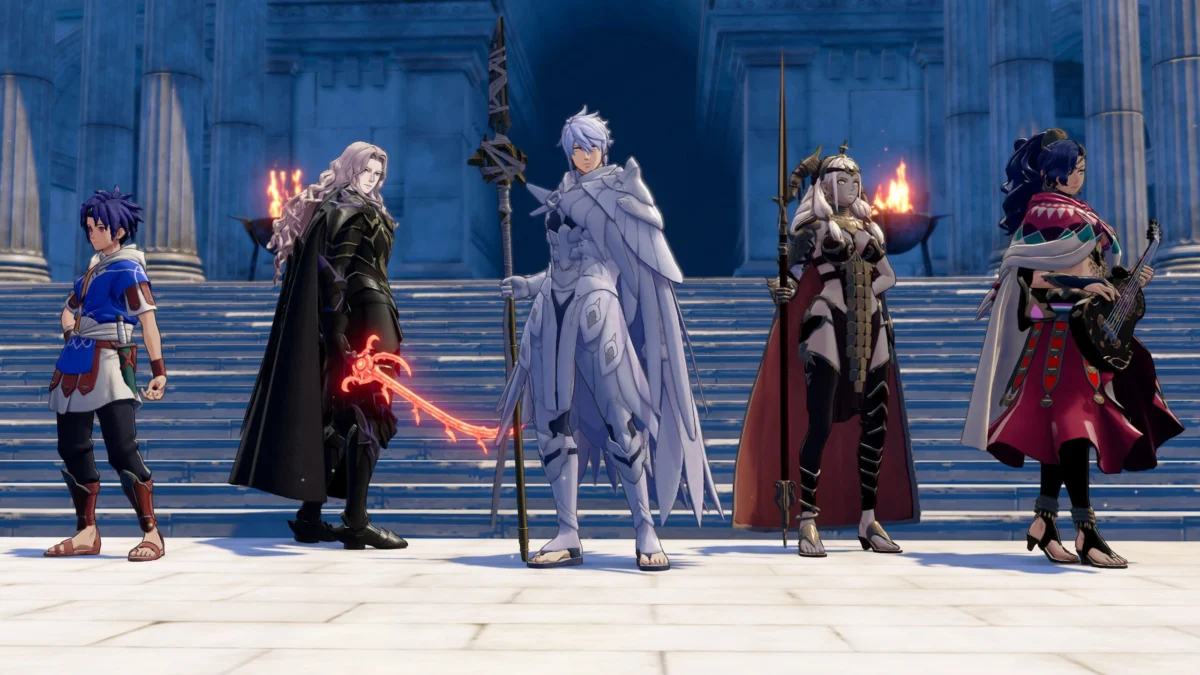
Nintendo’s esteemed tactical role-playing game (TRPG) series, Fire Emblem, is poised to embark on a new era with the release of Fire Emblem: Fortune’s Weave. Launched this week as a highly anticipated exclusive for the Nintendo Switch 2, the title represents a significant evolution in the franchise’s narrative ambition and gameplay mechanics, aiming to captivate both long-standing enthusiasts and a new generation of players. This latest installment is being critically observed not only for its inherent quality but also as a pivotal showcase for the capabilities of Nintendo’s next-generation console.
A Legacy of Strategic Depth and Character-Driven Narratives
The Fire Emblem series, developed by Intelligent Systems and published by Nintendo, boasts a rich history spanning over three decades, with its inaugural title, Fire Emblem: Ankoku Ryū to Hikari no Tsurugi, first gracing Japanese Famicom screens in 1990. Initially a Japan-exclusive phenomenon, the series gained international prominence in the early 2000s, particularly after the global success of Fire Emblem: The Blazing Blade (released as simply Fire Emblem in the West) on the Game Boy Advance in 2003. This period also saw the rise of other turn-based strategy titles like Advance Wars, cementing the genre’s appeal.
Over the years, Fire Emblem has been celebrated for its intricate turn-based combat, permanent character death (permadeath) mechanic, and a compelling focus on character development and interpersonal relationships. Recent entries on the original Nintendo Switch have continued this legacy while experimenting with new directions. Fire Emblem: Three Houses (2019) was lauded for its expansive, character-driven narrative and academy-based social simulation, achieving widespread critical acclaim and commercial success. Conversely, Fire Emblem Engage (2023) shifted focus more towards pure combat mechanics and fan service, emphasizing strategic battles and a lighter story.
Fortune’s Weave appears to synthesize these diverging paths, leaning heavily into a sophisticated narrative framework while retaining the series’ core tactical combat. This approach signals Intelligent Systems’ commitment to innovation, pushing the boundaries of what a Fire Emblem story can be.
Unprecedented Narrative Scope: Four Intertwined Destinies

At the heart of Fire Emblem: Fortune’s Weave lies an ambitious, multi-faceted narrative that distinguishes it from its predecessors. The game unfolds through four distinct yet interconnected storylines, inviting players to delve into a sprawling saga set in the region of Dagda and its imperial capital, Dagsion, a city evocative of ancient Rome. This narrative structure is a marked departure, offering a breadth of perspective rarely seen in the series.
The journey commences with Eshmel, an enigmatic, glowing ambassador whose initial role quickly transforms into a fantastical odyssey involving time travel and shapeshifting, including a peculiar metamorphosis into a bird. This unconventional opening immediately establishes a tone of mystery and wonder, promising a narrative that defies traditional fantasy tropes. The primary focus then shifts to four central characters within Dagsion, each burdened by their pasts and driven by unique ambitions for success or retribution. These protagonists—a reckless boy, a moody warrior, a bold queen, and a vengeful dancer—are depicted with nuanced flaws and compelling backstories, enriching the emotional tapestry of the game.
Adding to this narrative complexity is the unexpected fusion of genres. Fortune’s Weave introduces elements that are described as "surprising, strange, dark, and futuristic," featuring laser weapons and ancient machines alongside traditional fantasy elements. This bold blend creates a unique world-building paradigm, challenging conventional expectations for the Fire Emblem universe and inviting players to explore a mythology that feels both familiar and refreshingly alien. The presence of advanced technology suggests a deeper, perhaps more ancient, layer to Dagda’s history, hinting at conflicts and civilizations far beyond the typical medieval fantasy setting.
Evolving Gameplay: Gladiatorial Arenas and Expansive Exploration
While the narrative takes center stage, Fortune’s Weave remains firmly rooted in the strategic turn-based combat that defines the Fire Emblem series. Players will navigate battlefields characterized by the familiar grid system, meticulously planning character movements and attacks to achieve victory. However, the context for these battles has been significantly expanded.
A core gameplay loop revolves around "waves of gladiatorial battles," where players can recruit various "rogue candidates" to bolster their forces. This recruitment system adds a layer of strategic depth, allowing for diverse team compositions and fostering player investment in a growing roster of characters. The gladiatorial theme further enhances the game’s unique setting, integrating the combat directly into the political and social fabric of Dagsion.
Beyond the tactical skirmishes, Fortune’s Weave offers a robust layer of exploration and interaction. Players can engage in numerous side quests scattered across Dagsion and its surrounding regions, uncovering hidden items, participating in additional battles, and building reputations within various factions. A sprawling world map, replete with diverse destinations and dungeons, encourages players to venture beyond the main story path, providing a sense of agency and discovery. This expansive approach to world interaction ensures that the game offers substantial content beyond its core narrative and combat encounters, enriching the player’s experience within the Dagdan landscape.

The innovative structural choice to allow players to freely switch between the four parallel storylines at any point is a significant design decision. This mechanic not only allows players to manage the narrative pace according to their preferences but also encourages a deeper understanding of how the various character arcs intersect and influence one another, akin to reading four intertwined novels simultaneously.
A Technical Showcase for the Nintendo Switch 2
Fire Emblem: Fortune’s Weave serves as a crucial launch-window title, demonstrating the enhanced capabilities of the Nintendo Switch 2. The game’s ambitious narrative, sprawling world, and detailed character models are indicative of the console’s improved processing power and graphical fidelity. Early observations suggest that the Switch 2 significantly enhances visual presentation, allowing for more intricate environments, fluid animations, and high-resolution textures that bring the fantastical world of Dagda and the futuristic elements to life with unprecedented clarity.
The extensive story cutscenes, some reportedly lasting several minutes, benefit immensely from the Switch 2’s capabilities, allowing for cinematic presentations that deepen immersion. Improved load times and seamless transitions between exploration, battles, and narrative sequences contribute to a more cohesive and uninterrupted player experience. This technical prowess not only elevates the aesthetic appeal of Fortune’s Weave but also facilitates the complex narrative structure and expansive gameplay systems that Intelligent Systems has implemented. The game’s performance is a testament to Nintendo’s commitment to delivering compelling, technically advanced exclusive titles for its new hardware.
Pacing and Player Engagement: A Massive Undertaking
While Fortune’s Weave has been praised for its narrative depth and scope, its sheer scale and pacing have also been noted. The game is often described as a "massive fantasy novel of a strategy game," implying a substantial time commitment for players. The extensive nature of the story, with prolonged cutscenes and intricate plot developments, contributes to an experience that is rich in lore but can occasionally challenge player engagement over extended sessions.
Initial player feedback and early critical analyses suggest that while the game offers immense gameplay hours, the occasional repetition of story beats across the four parallel narratives, combined with the lengthy cinematic sequences, may lead to moments where players feel their interest waning. However, the option to skip between parallel stories at will provides a crucial mechanism for players to manage their engagement, allowing them to shift focus if one storyline becomes temporarily less compelling or if they wish to accelerate certain narrative threads. This design choice highlights a conscious effort by the developers to balance narrative depth with player agency.

Despite these observations regarding pacing, the overall consensus points to a game that offers exceptional value in terms of content and playtime. The game’s unique mythology and self-contained history also make it remarkably accessible to newcomers, providing an entry point into the Fire Emblem universe without requiring prior knowledge of the series’ extensive lore. This accessibility is a strategic move, broadening the potential audience for both the game and the Switch 2 console.
Strategic Implications and Future Outlook
The release of Fire Emblem: Fortune’s Weave carries significant implications for Nintendo, Intelligent Systems, and the broader tactical RPG genre. For Nintendo, the game reinforces the Switch 2’s library with a high-profile, critically ambitious exclusive, vital for driving console sales and establishing the new hardware’s capabilities. Its innovative narrative structure and genre-blending elements suggest a willingness to take creative risks, which could influence future first-party titles.
For the Fire Emblem series, Fortune’s Weave represents a bold step forward in narrative complexity and world-building. By integrating futuristic elements into its traditional fantasy setting and offering multiple intertwined perspectives, the game pushes the boundaries of the series’ established identity. This willingness to experiment could pave the way for future installments to explore even more diverse themes and settings, ensuring the franchise remains fresh and relevant. The game’s success in attracting new players, particularly those historically disinclined towards the series, will be a key metric in assessing its long-term impact.
Industry analysts anticipate strong sales for Fortune’s Weave, driven by its status as a Switch 2 exclusive and the established popularity of the Fire Emblem brand. The game’s extensive content and replayability are expected to contribute to a long tail of engagement, further solidifying its position as a flagship title.
In conclusion, Fire Emblem: Fortune’s Weave stands as a monumental release for the Nintendo Switch 2, offering an unparalleled narrative experience within the tactical RPG genre. While its epic scale demands player patience, its innovative storytelling, blend of fantasy and sci-fi elements, and strategic gameplay solidify its status as a defining title for the new console generation and a bold new direction for the beloved Fire Emblem series. It is a testament to Intelligent Systems’ ability to evolve a cherished franchise while continuing to deliver compelling, high-quality experiences.