


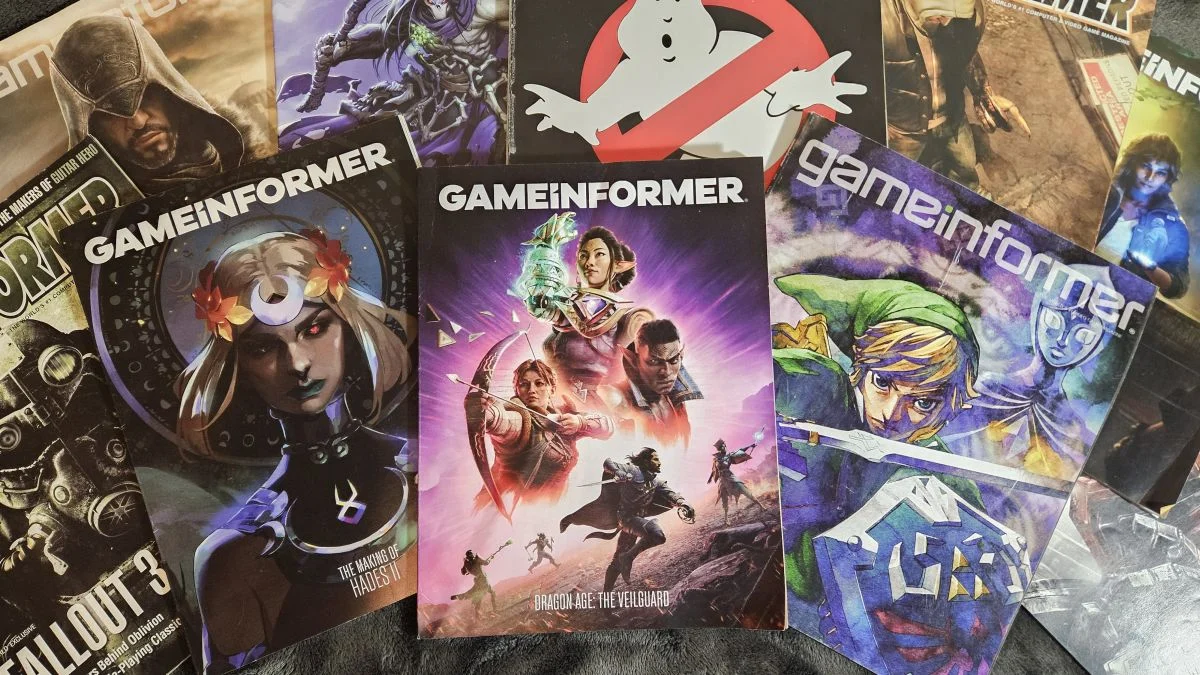
The landscape of video game journalism has been irrevocably altered today with the sudden and unexpected closure of Game Informer, a venerable institution that has served as a cornerstone of the industry for more than thirty years. The decision, confirmed this morning by parent company GameStop, brings an abrupt end to both its iconic print magazine and its extensive online presence, resulting in the immediate layoff of its entire editorial staff. This abrupt termination signifies the dissolution of a publication that not only chronicled the evolution of video games but also played a pivotal role in shaping consumer engagement with the medium.
The news sent shockwaves through the gaming community and the media industry alike. Employees of Game Informer were reportedly informed of the closure by GameStop corporate leadership, a move that has left many long-time contributors without employment. Former magazine content director Kyle Hilliard indicated that the next issue was approximately 70% complete, hinting at the abrupt nature of the decision and the unceremonized end to a publication that was in the midst of producing its latest content. The finality of the situation was underscored by the fact that no future issues will be printed, and the website’s operations have ceased.
A formal statement released via Game Informer’s social media channels confirmed the closure, stating, "While our presses may stop, the passion for gaming that we’ve cultivated together will continue to live on." This sentiment, while attempting to convey a sense of enduring legacy, could not entirely soften the blow for the dedicated staff and the loyal readership who have come to rely on Game Informer for comprehensive coverage. Writers and contributors from the publication have taken to their personal social media platforms to share the news, offering reflections on their time with the magazine and expressing uncertainty about their professional futures.
A Legacy Forged in Print and Pixels
Game Informer’s journey began in 1991, not as a mainstream publication, but as a modest in-house newsletter for FuncoLand, a now-defunct video game retailer. This humble origin belies the immense influence the publication would later wield. The trajectory of Game Informer shifted significantly in 2000 when GameStop acquired FuncoLand. Under GameStop’s stewardship, Game Informer evolved from a simple newsletter into a powerful promotional tool, rapidly becoming an integral component of GameStop’s customer loyalty program. This strategic integration provided the magazine with a consistent subscriber base and a direct channel to reach a vast audience of gamers, laying the groundwork for its eventual ascent to prominence.
Dominance in a Shifting Media Landscape
The significance of Game Informer’s impact was starkly illustrated in 2010 when it was ranked as the fifth-largest magazine in the United States. This remarkable achievement placed it ahead of established titans of journalism such as Time and Sports Illustrated, a testament to the immense popularity and reach it had cultivated within the gaming niche. Its ability to consistently produce compelling content and engage a dedicated readership allowed it to not only survive but thrive amidst the seismic shifts that have characterized the media industry over the past three decades.
Game Informer navigated a challenging period marked by the decline of print journalism, the transformative migration of content to digital platforms, and a series of internal restructuring and workforce reductions orchestrated by its parent company, GameStop. These layoffs, often occurring against the backdrop of GameStop’s broader corporate strategies, highlighted the precarious nature of the media business, especially when tied to the fluctuating fortunes of a publicly traded retail entity. GameStop’s strategic pivots, including ambitious ventures into NFTs and blockchain technology, and its subsequent entanglement with the “meme stock” phenomenon, created an environment of instability that ultimately impacted its media arm. Despite these internal pressures and market volatility, Game Informer continued to produce notable content and attract significant readership.
In a recent effort to bolster its print presence, the Game Informer staff had embarked on a subscription service relaunch, signaling a commitment to its print heritage. This initiative, however, was cut short by today’s abrupt closure.
An Enduring Impact on Generations of Gamers
For many, Game Informer was more than just a magazine; it was an institution. The author of this article notes a personal connection, having participated in Game Informer streams and podcasts and being acquainted with staff members who have now been laid off. This personal acknowledgment serves to underscore the deep and widespread influence the publication has had on individuals within the gaming and media spheres.
Game Informer’s editorial approach, at its best, offered a captivating blend of in-depth previews, critical reviews, insightful features, and engaging interviews that captured the zeitgeist of the gaming world. The magazine was particularly renowned for its visually striking and often iconic cover art, which frequently served as a prelude to the detailed coverage of major game releases contained within its pages. These covers were not merely decorative; they were often artistic statements that became as memorable as the games they represented, fostering anticipation and discussion among gamers.
Beyond its coverage of new releases, Game Informer provided a platform for a diverse range of voices and perspectives. Its pages often featured opinion pieces, candid interviews with industry professionals, and extensive features that delved into the creative processes and cultural impact of video games. A particularly cherished element for many readers was the "Letters to the Editor" section, which fostered a sense of community and dialogue between the publication and its audience. Reviewing old issues, as the author did, can evoke a powerful sense of nostalgia and a clear recognition of the formative influence such publications had on shaping a passion for gaming and for the written word.
A Broader Context of Industry Challenges
The closure of Game Informer arrives at a time when the video game industry, and the media outlets that cover it, are facing significant headwinds. Layoffs have become a recurring theme, with estimates suggesting that thousands of jobs were lost across the industry in 2023 alone. This trend, coupled with the dissolution of long-standing media entities, paints a somber picture for the future of games journalism. The consolidation of media ownership, the pressure to generate revenue in an increasingly fragmented digital landscape, and the economic challenges faced by parent companies can all contribute to the vulnerability of established publications.
The specific financial decisions leading to Game Informer’s closure by GameStop are likely multifaceted, involving an evaluation of profitability, strategic priorities, and the evolving retail environment. However, the outcome is a clear loss for the industry. The disappearance of a publication with such a deep historical footprint leaves a void in comprehensive, long-form games coverage and reduces the diversity of voices contributing to the conversation. As more established platforms shrink or disappear entirely, the challenge of finding and supporting credible, in-depth journalism in the video game space becomes increasingly acute, raising questions about how future generations of gamers will discover and engage with the medium’s rich history and evolving present. The industry must grapple with how to sustain journalistic integrity and provide platforms for robust critique and analysis in an era of rapid change and economic uncertainty.