


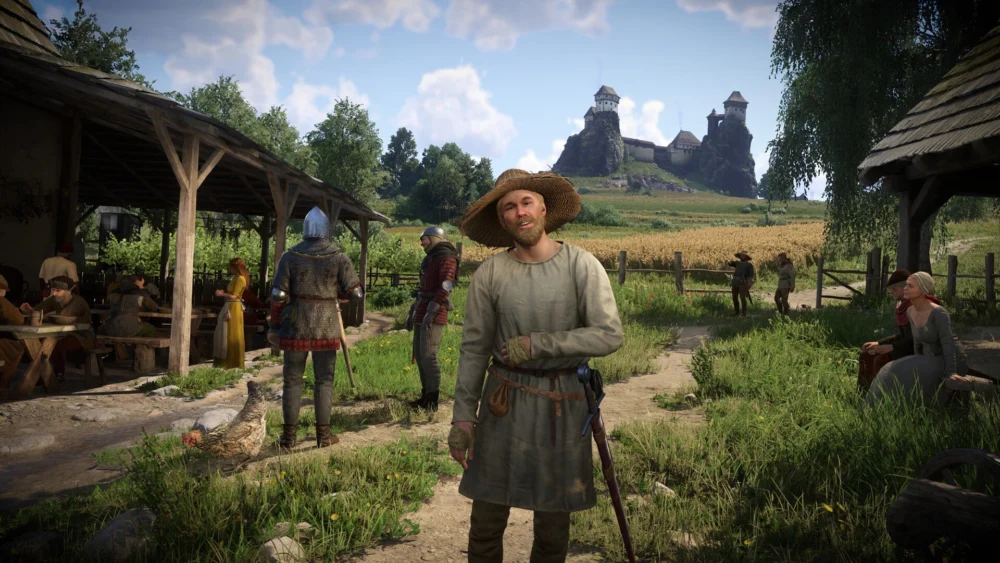
The integration of Kingdom Come: Deliverance 2 into the Xbox Game Pass library marks a significant milestone for both Microsoft’s subscription service and the developers at Warhorse Studios. This arrival follows the successful re-introduction of the first installment, Kingdom Come: Deliverance, to the platform earlier in 2026, creating a comprehensive narrative bridge for subscribers. As a sequel to the 2018 cult classic, the second entry has been positioned as a cornerstone of the medieval role-playing genre, emphasizing historical authenticity, complex character progression, and a narrative grounded in the political turmoil of 15th-century Bohemia. Its inclusion on Game Pass provides millions of users access to a title that critics previously hailed as one of the most ambitious open-world experiences of the current console generation.
Historical Context and the Rise of Warhorse Studios
To understand the impact of Kingdom Come: Deliverance 2, it is necessary to examine the trajectory of its developer, Warhorse Studios. Founded in Prague, Czech Republic, by industry veterans Daniel Vávra and Martin Klíma, the studio set out with a specific mission: to create a "realistic" medieval RPG that eschewed the traditional tropes of high fantasy. There are no dragons, magic spells, or mythical creatures in the world of Kingdom Come; instead, the series focuses on the brutal realities of the Holy Roman Empire during the late Middle Ages.
The first game, released in 2018, was a surprise hit, eventually surpassing six million copies sold. It told the story of Henry, a blacksmith’s son seeking vengeance in a world of civil war. The sequel, which launched to critical acclaim roughly one year prior to its Game Pass debut, expanded on this foundation significantly. Utilizing a heavily modified version of CryEngine, the developers managed to create a world that was not only larger but more densely populated and mechanically complex than its predecessor.
Chronology of the Sequel’s Release and Subscription Integration
The journey of Kingdom Come: Deliverance 2 from its initial announcement to its arrival on Xbox Game Pass has been defined by a deliberate rollout strategy. After years of speculation following the conclusion of the first game’s DLC cycle, the sequel was officially unveiled with a focus on enhancing the "hardcore" elements that defined the original.
- Late 2024 – Early 2025: Kingdom Come: Deliverance 2 launched on Xbox Series X|S, PlayStation 5, and PC. The game received immediate praise for its narrative depth and visual fidelity, particularly its recreation of the historic city of Kuttenberg (Kutná Hora).
- February 2026: Microsoft announced the return of the original Kingdom Come: Deliverance to the Xbox Game Pass library. This move was widely interpreted by industry analysts as a precursor to the sequel’s eventual inclusion, designed to build momentum and allow new players to experience Henry’s origins.
- Mid-2026: Following a successful first year of retail sales and several major post-launch updates that addressed technical optimization, Kingdom Come: Deliverance 2 officially joined the Xbox Game Pass Ultimate and PC Game Pass tiers.
This timeline reflects a growing trend in the gaming industry where "AAA" or high-budget "Triple-I" titles transition to subscription services after their primary retail window has concluded, effectively revitalizing the player base and generating renewed interest in potential future content or sequels.
Technical Specifications and Gameplay Innovation
Kingdom Come: Deliverance 2 is noted for its uncompromising approach to gameplay mechanics. Unlike many contemporary RPGs that prioritize player convenience, Warhorse Studios maintained a commitment to "immersion through friction." This includes a directional combat system that requires precise timing and positioning, a survival system where food spoilage and sleep are critical factors, and a reputation system where the player’s appearance and hygiene directly influence how NPCs interact with them.
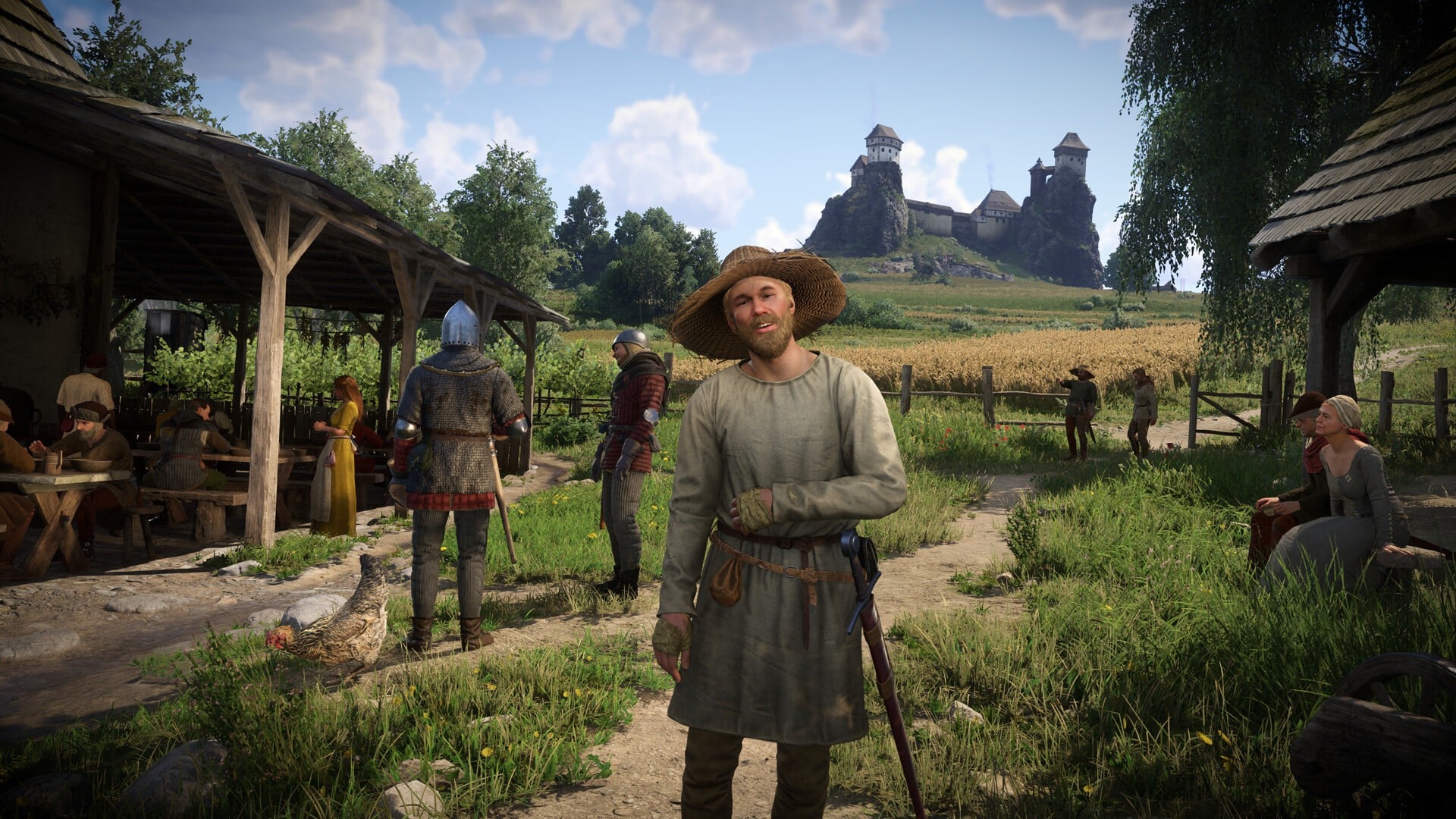
The sequel introduced several key innovations:
- Expanded Combat: The introduction of early gunpowder weapons (hand cannons) and crossbows added a new layer to the tactical melee combat, reflecting the technological shifts of the early 15th century.
- Urban Complexity: The city of Kuttenberg serves as a massive urban hub, featuring hundreds of unique NPCs with individual daily routines, a feat that pushed the processing power of the Xbox Series X to its limits.
- Narrative Branching: The game features a significantly more complex dialogue and choice system than the first entry, with consequences that can alter the state of entire villages or the outcome of major military engagements.
For Xbox Game Pass users, the version available includes the various "Quality of Life" patches released over the past year, which have improved frame rate stability and reduced load times, making the "brutal medieval epic" more accessible without sacrificing its inherent difficulty.
Data Analysis: The "Game Pass Effect" on Hardcore RPGs
The inclusion of a 9/10 rated title like Kingdom Come: Deliverance 2 provides substantial data regarding the viability of niche, high-fidelity RPGs on subscription platforms. Historically, titles with high barriers to entry—such as complex controls or steep learning curves—see a significant "discovery" boost on Game Pass.
Market data suggests that titles added to Game Pass often see a 20% to 40% increase in their active player count within the first month of inclusion. For a game as time-intensive as Kingdom Come: Deliverance 2, this translates to higher engagement metrics for the Xbox platform. Furthermore, the "long-tail" sales of DLC and expansions often benefit from the base game being "free" to subscribers. While Warhorse Studios and their parent company, Embracer Group (via Plaion), have not released specific internal figures for the Game Pass deal, the move is consistent with strategies used for other major RPGs like The Witcher 3 or Starfield, where accessibility drives brand loyalty.
Official Responses and Community Reception
Initial reactions from the Xbox community have been largely positive, though the game’s reputation for being "unforgiving" remains a central point of discussion. On social media platforms and gaming forums, players have noted that while the game requires a significant time investment—often cited as 60 to 80 hours for a standard playthrough—the payoff in terms of storytelling and world-building is unparalleled.
Representatives from Microsoft have frequently cited the Kingdom Come franchise as an example of the diversity they seek for the Game Pass portfolio. By offering a historically grounded experience alongside more traditional fantasy or sci-fi titles, the service appeals to a broader demographic of adult gamers who value historical accuracy and simulation elements.

Warhorse Studios has remained active in the community, providing guides and support for new players who might find the game’s realistic systems daunting. "We have always believed that there is an audience for games that don’t hold the player’s hand," a studio spokesperson noted during a recent developer stream. "Seeing a new wave of players discover Henry’s journey on Xbox is a testament to the enduring appeal of history."
Broader Implications for the Gaming Industry
The arrival of Kingdom Come: Deliverance 2 on Game Pass is more than just a single-game update; it is an indicator of the shifting landscape of game distribution. For developers, subscription services offer a "second life" for titles, ensuring that the years of labor put into creating high-fidelity worlds continue to reach new audiences long after the initial launch hype has faded.
For the RPG genre specifically, the success of this title proves that there is a massive market for "non-fantasy" historical settings. The success of the Kingdom Come series has already influenced other developers to explore more grounded settings, moving away from the "magic and monsters" trope that has dominated the industry for decades.
As players on Xbox Game Pass begin their journey through the war-torn landscapes of Bohemia, the industry will be watching the engagement metrics closely. If Kingdom Come: Deliverance 2 maintains high retention rates despite its difficulty, it may encourage more developers to take risks on "hardcore" simulation mechanics in the future.
Conclusion
Kingdom Come: Deliverance 2 stands as a monumental achievement in historical simulation and role-playing. Its presence on Xbox Game Pass ensures that its "brutal medieval epic" remains a relevant and accessible part of the gaming conversation well into 2026. Whether players are drawn in by the promise of a deep narrative, the challenge of its combat, or the sheer beauty of its 15th-century landscapes, the game offers a level of depth that justifies its critical standing. As the industry continues to evolve, the partnership between high-quality independent studios like Warhorse and platform holders like Microsoft remains a vital component in the delivery of unique, uncompromising gaming experiences.