


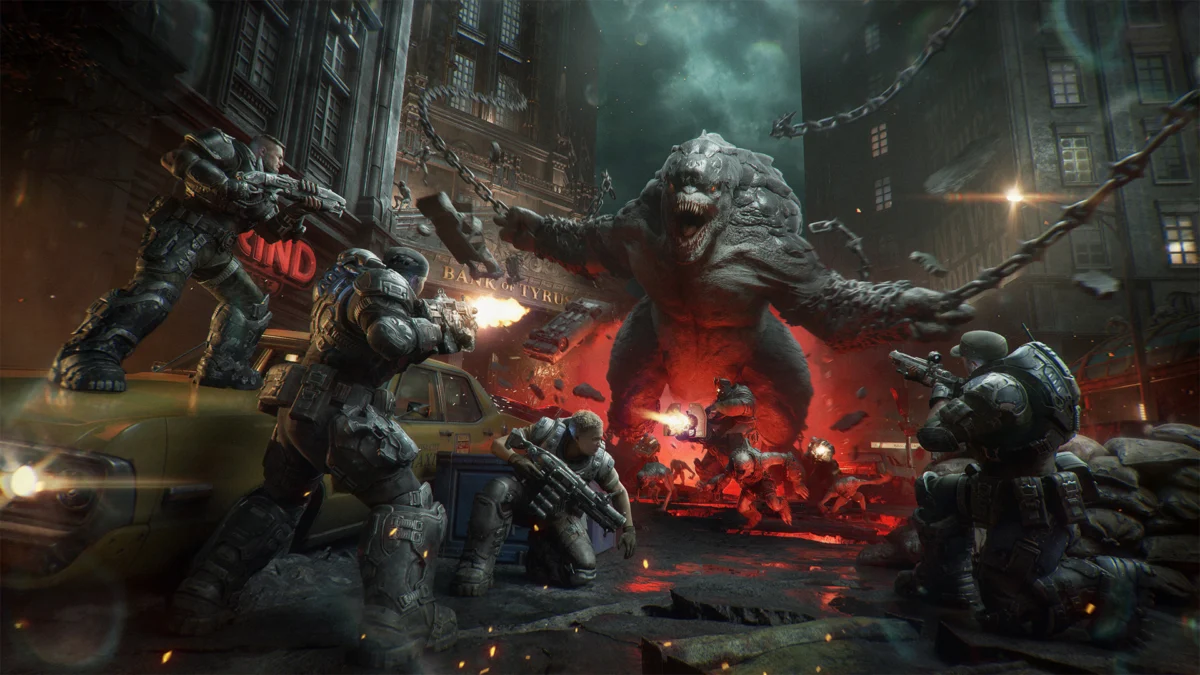
The highly anticipated return to the iconic Gears of War universe with Gears of War: E-Day has generated significant buzz, particularly following the recent unveiling of its revamped wave-based cooperative mode, now christened "Horde Siege." This new iteration promises to evolve the beloved Horde experience, blending nostalgic elements with innovative gameplay mechanics designed to offer a deeper and more dynamic player engagement. Initial glimpses suggest a mode that could significantly broaden the appeal of Gears of War: E-Day, potentially attracting a new segment of players alongside its dedicated fanbase.
Evolution of a Fan Favorite: The Genesis of Horde Siege
The original Horde mode, first introduced in Gears of War 2 in 2008, quickly became a cornerstone of the franchise, offering players a cooperative challenge against increasingly difficult waves of Locust enemies. Its addictive gameplay loop, focused on survival, resource management, and strategic team coordination, cemented its place as a genre-defining experience. Gears of War 3 further refined this formula, introducing fortifications and a more robust class system, which were met with critical acclaim and player adoration.
Horde Siege in Gears of War: E-Day aims to build upon this legacy by introducing a more complex and multi-layered approach to cooperative defense. According to official statements from Microsoft, the mode will feature three distinct squads of four players, each operating with their own emergent mission objectives within a larger, more expansive map. This departure from the singular defensive perimeter of previous Horde iterations signifies a strategic shift towards dynamic battlefield engagement.
A Deeper Dive into Horde Siege Mechanics
The core premise of Horde Siege revolves around a more fluid and reactive combat environment. Microsoft outlines that each squad will be deployed with unique missions, often finding themselves joining a battle already in progress. The dynamic nature of these missions means that squads will frequently crisscross paths, leading to emergent challenges and opportunities for collaboration. This interconnectedness is designed to foster a more organic and unpredictable cooperative experience, moving away from the predictable wave-by-wave structure of earlier iterations.
"The combination of three COG squads, larger Horde maps and a mix of mission types create a more dynamic PvE experience where threats, objectives, and opportunities are constantly shifting," a Microsoft representative stated. This emphasis on shifting dynamics suggests that player strategies will need to be adaptable, responding to a constantly evolving threat landscape. The fundamental objective, however, remains rooted in the series’ DNA: "The core objective of Horde Siege is still fundamentally Gears: survive the Locust, support your squad, and use every bit of firepower you can to come out on top."
Strategic Depth Through Class Specialization and Customization
Adding another layer of strategic depth, Horde Siege introduces selectable classes, each offering distinct roles and abilities. The initial reveal mentions Assault, Breacher, Marksman, and Medic classes. This class-based system necessitates careful team composition, encouraging players to coordinate their loadouts and abilities to create a balanced and effective fighting force. Each class will reportedly come with its own unique loadouts and special skills, directly impacting how squads approach combat and objective completion.
Beyond class abilities, the mode will also feature extensive weapon customization and modification options, allowing players to tailor their arsenal to their playstyle and the specific challenges presented by the evolving waves of enemies. In-game modifiers, which could introduce unique environmental effects or enemy behaviors, are also hinted at, further enhancing replayability and the potential for emergent gameplay scenarios.
The depth of Horde Siege is drawing comparisons to the third-mode offerings in other major franchises, such as Call of Duty. These modes often serve as distinct gameplay pillars that can cultivate their own dedicated player bases, separate from the primary campaign or competitive multiplayer. This suggests that Gears of War: E-Day is aiming for Horde Siege to be more than just a side activity; it is being positioned as a fully-fledged experience in its own right.
Competitive Multiplayer Returns with Player-Focused Progression
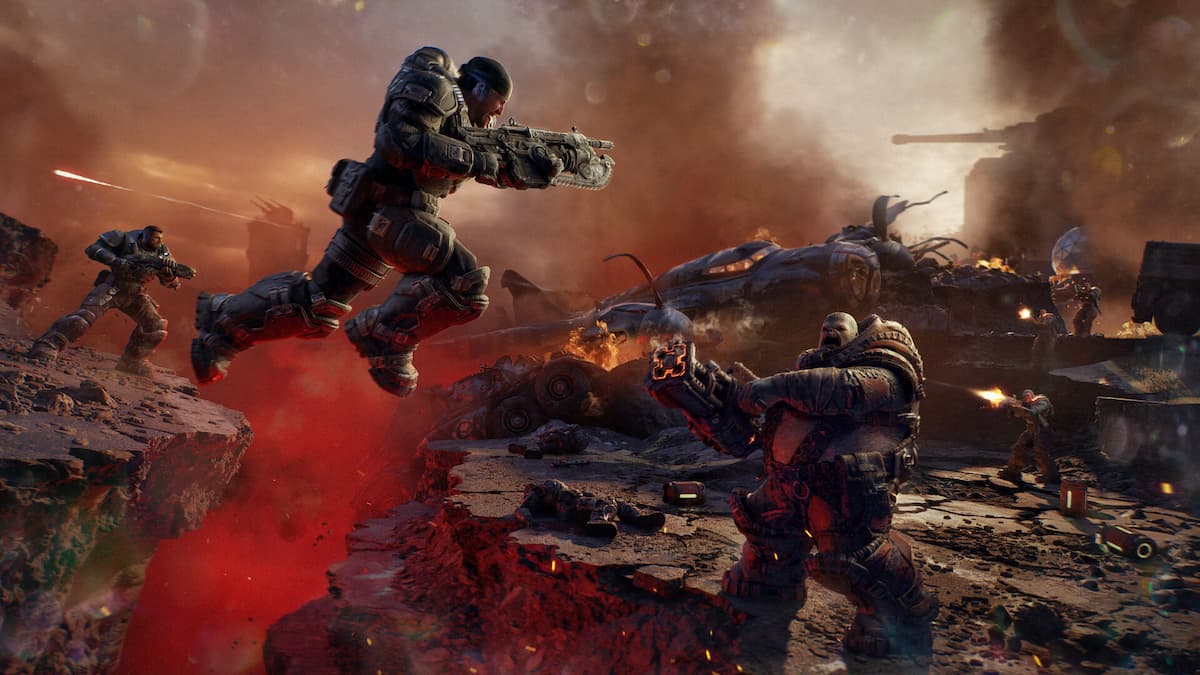
In addition to the robust PvE offerings, Gears of War: E-Day will also see the return of its signature competitive multiplayer. The developers have confirmed four distinct multiplayer modes across six maps. This includes ranked play, providing a competitive ladder for dedicated players, and a strong emphasis on unlockable content that can be earned through gameplay.
A significant announcement regarding the game’s monetization model has also garnered positive attention. Developers have explicitly stated that "Nearly every single item in Gears of War: E-Day can be earned by simply playing the game." This commitment extends to cosmetic items such as Legendary character skins, Epic weapon skin sets, and Rare poses. The developers have further clarified that this player-centric approach means "no battle pass, no tour of duty, no gimmicks, no bullshit." This declaration is a direct response to player feedback regarding prevalent monetization strategies in the industry, signaling a potential shift towards more rewarding and less exploitative player progression systems.
Contextualizing the Announcement and Player Reception
The reveal of Horde Siege and the competitive multiplayer details comes at a crucial juncture for the Gears of War franchise. Following the mixed reception of Gears 5, which introduced a more live-service oriented approach, Gears of War: E-Day is positioned as a return to form, emphasizing core Gears gameplay while incorporating modern design philosophies. The game, set to release on October 6th for PC and Xbox Series X|S, is a prequel, taking players back to the very beginning of the Locust War, a narrative point that has long been a subject of fan desire.
The timeline leading up to this reveal has been characterized by a growing anticipation for a new entry that recaptures the essence of the original trilogy. Fans have consistently expressed a desire for more traditional Gears experiences, and the focus on a classic Horde mode alongside a prequel narrative appears to directly address these sentiments.
Early reactions from the gaming community suggest a renewed enthusiasm for the franchise. The emphasis on earning content through gameplay, a stark contrast to many modern titles, has been particularly well-received, with many praising the developers for prioritizing player engagement over aggressive monetization. This approach has the potential to foster a more loyal and engaged player base, a sentiment echoed by industry analysts who note that transparent and rewarding progression systems often lead to longer player retention.
Broader Implications for the Gears of War Franchise
The strategic decisions made for Gears of War: E-Day, particularly the reimagining of Horde mode and the player-friendly monetization, carry significant implications for the future of the Gears of War franchise. By leaning into a beloved existing mode and significantly enhancing its depth, the developers are not only catering to long-time fans but also creating a compelling reason for new players to invest in the game.
The success of Horde Siege could pave the way for further innovations in cooperative gameplay within the series, establishing new benchmarks for what players can expect from wave-based survival modes. Simultaneously, the commitment to an earnable cosmetic system could influence how other AAA titles approach their in-game economies, potentially setting a new standard for player-centric monetization.
The prequel narrative also offers a rich vein of storytelling potential, allowing the developers to explore the origins of the Locust War and the early struggles of Delta Squad. This narrative grounding, combined with the innovative gameplay mechanics, positions Gears of War: E-Day as a pivotal release for the franchise, aiming to recapture past glories while forging a new path forward. The initial excitement surrounding these reveals suggests that Gears of War: E-Day is well on its way to becoming a major contender in the shooter genre, offering a comprehensive package of campaign, competitive multiplayer, and a deeply engaging cooperative experience.