


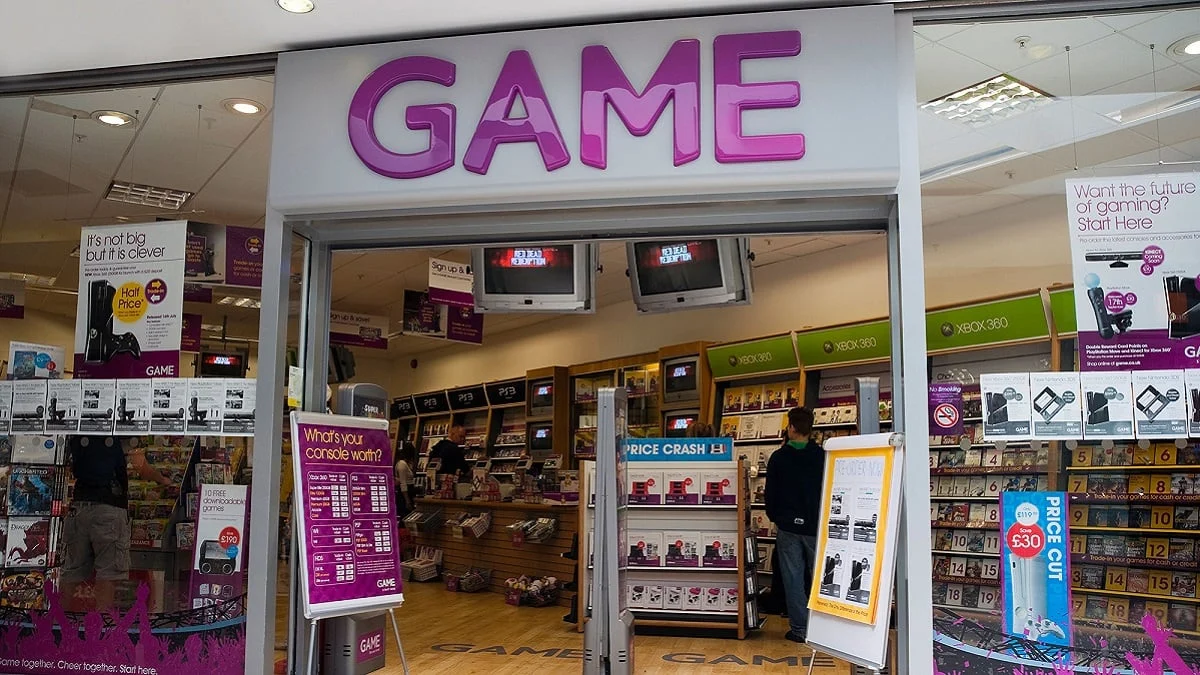
The United Kingdom’s video game retail landscape is once again facing significant upheaval as reports emerge that the prominent high-street chain, GAME, is preparing its staff for potential redundancies. This news surfaces against a backdrop of increasing economic pressures and evolving consumer habits that have plagued the physical retail sector, particularly within the gaming industry. Sources close to the company, speaking anonymously to Eurogamer, have indicated that employees have been informed of impending job cuts. While official confirmation from GAME remains pending at the time of this report, the communication also signals a widespread transition for many workers to zero-hours contracts, a move that fundamentally alters employment security by eliminating guaranteed weekly or monthly working hours.
The implications of these potential layoffs are profound, not only for the affected employees but also for the broader narrative of physical video game retail in the UK. For decades, GAME has been a cornerstone of the gaming community, offering a tangible point of purchase and community hub for enthusiasts. However, the inexorable march of digital distribution and the changing economic climate have presented formidable challenges. The recent announcement follows a series of significant strategic shifts for the company, including its acquisition by the Frasers Group in 2019 and the earlier cessation of its popular trade-in service. These developments suggest a company in the midst of a profound strategic re-evaluation, grappling with its place in a rapidly transforming market.
The Shifting Sands of Gaming Retail
The video game industry has long been a dynamic and fast-paced sector, but the past few years have been particularly turbulent for businesses reliant on physical media and traditional retail models. The widespread trend of studio closures and workforce reductions across various segments of the industry underscores a period of significant recalibration. Companies are navigating evolving player preferences, the dominance of digital storefronts like Steam, PlayStation Store, and Xbox Games Store, and the increasing cost of developing and marketing AAA titles.
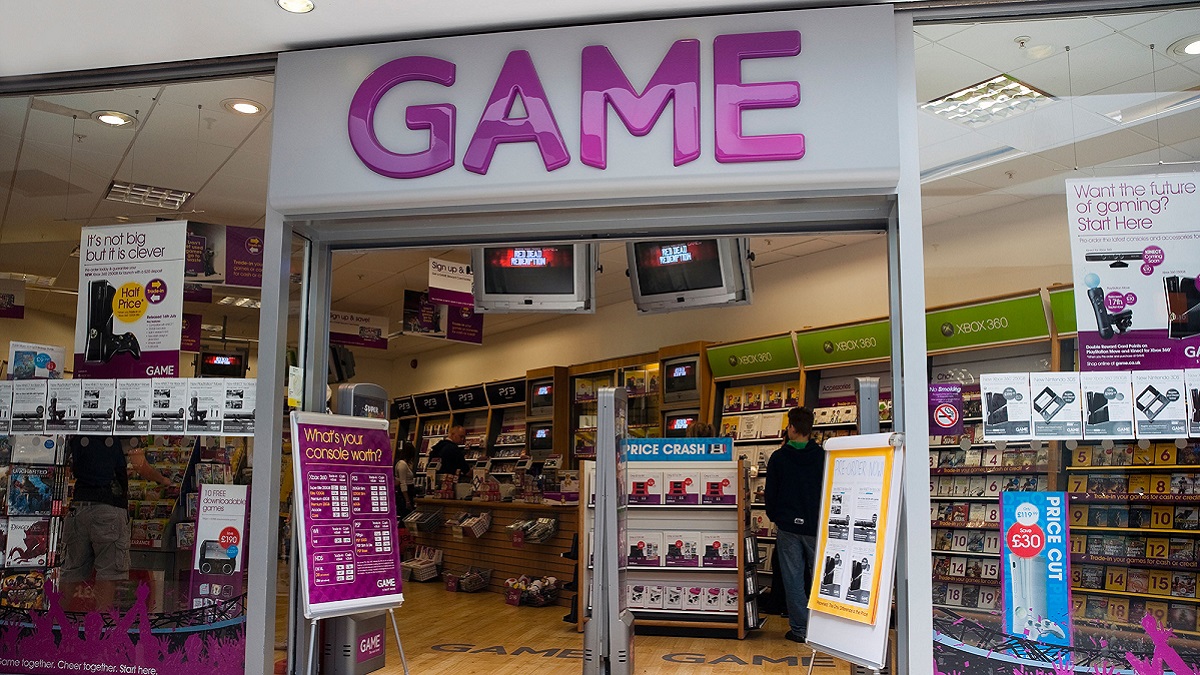
GAME’s situation is emblematic of these broader industry trends. Established in 1992, the company grew to become a dominant force in UK gaming retail, at its peak operating over 250 outlets across the country. For many gamers, a trip to GAME was a ritual – a chance to browse new releases, pre-order anticipated titles, and engage with fellow enthusiasts. The tactile experience of picking up a game box, reading the back cover, and anticipating the hours of gameplay it promised held a significant appeal.
However, the advent and subsequent ubiquity of digital downloads have fundamentally altered how consumers acquire and consume video games. This shift has eroded the traditional revenue streams for physical retailers. The convenience of instant downloads, often accompanied by competitive pricing and digital-only sales, has made it increasingly difficult for brick-and-mortar stores to compete. According to industry analytics firm Statista, the global digital games market is projected to reach over $270 billion by 2027, a stark contrast to the declining share of physical game sales. In the UK, while physical sales still hold a segment of the market, their dominance has waned considerably.
A Timeline of Transformation and Uncertainty
The current situation at GAME is not an isolated event but rather a culmination of several years of strategic adjustments and market pressures.
- Pre-2019: GAME operated as a publicly listed company, facing increasing competition from online retailers and the growing adoption of digital gaming. The company experienced financial difficulties during this period, highlighting the challenges of its established business model.
- 2019: The Frasers Group, led by Mike Ashley, acquired GAME for £52 million. This acquisition was seen as an attempt to salvage the struggling retail chain and integrate it into the broader Frasers Group portfolio, which includes Sports Direct and House of Fraser. The hope was that the retail expertise and financial backing of the Frasers Group would help GAME navigate its challenges.
- Early 2024: GAME announced the discontinuation of its popular trade-in service. This service, which allowed customers to exchange old games for credit towards new purchases, was a significant driver of footfall and customer loyalty. Its removal signaled a further departure from traditional retail practices and a potential attempt to streamline operations or focus on other revenue streams.
- April 2024 (Reported): Anonymous sources inform Eurogamer about impending redundancies and the move towards zero-hours contracts for a significant portion of GAME’s workforce, specifically non-managerial staff. This development suggests a drastic cost-cutting measure and a fundamental restructuring of the employment model within the company.
This timeline illustrates a company that has been undergoing a significant transformation in response to external market forces. The acquisition by Frasers Group was a pivotal moment, suggesting a need for a robust turnaround strategy. However, the subsequent decision to cease the trade-in service and the current reports of layoffs indicate that these efforts have not fully stabilized the company’s operational and financial standing.
The Impact of Zero-Hours Contracts
The reported shift towards zero-hours contracts for most GAME employees represents a significant change in employment security. Zero-hours contracts offer employers flexibility in staffing levels, allowing them to hire staff without guaranteed hours of work. While this can benefit employers by enabling them to adapt quickly to fluctuating demand, it can create considerable uncertainty for employees.
Workers on zero-hours contracts may experience:
- Income Volatility: Without guaranteed hours, their weekly or monthly income can vary significantly, making financial planning difficult.
- Lack of Benefits: In many cases, employees on zero-hours contracts may not be entitled to the same benefits as full-time or permanent staff, such as sick pay, paid holiday, or pension contributions, depending on specific contractual terms and legal frameworks.
- Reduced Job Security: The absence of guaranteed hours can translate to a lower sense of job security, as employers can reduce hours or cease offering work with little notice.
This transition is particularly concerning for retail workers, who often rely on a stable income to manage household expenses. For individuals who have dedicated years to working within the GAME retail environment, this change represents a potential erosion of their established professional stability.
Industry-Wide Context and Analysis
The challenges faced by GAME are not unique. Across the globe, physical retailers of all kinds are grappling with the digital revolution and the changing economic landscape. For the video game industry specifically, the consolidation of major publishers, the increasing cost of game development, and the rise of subscription services (like Xbox Game Pass and PlayStation Plus) all contribute to a complex market.
- Digital Dominance: The continued growth of digital game sales is undeniable. Platforms like Steam, PlayStation Store, and the Nintendo eShop offer vast libraries of games, instant access, and frequent sales, making them the preferred choice for a growing number of gamers. This trend directly impacts the revenue potential of physical retailers.
- Consolidation and Restructuring: The gaming industry has seen significant mergers and acquisitions in recent years, indicating a trend towards larger, more consolidated entities. This can lead to redundancies as companies streamline operations and eliminate overlapping roles.
- Economic Headwinds: Inflationary pressures, rising operating costs, and a general tightening of consumer spending in some sectors can also affect discretionary purchases like video games, impacting both sales volumes and profit margins for retailers.
GAME’s situation can be viewed as a microcosm of these broader industry dynamics. The company’s reliance on physical game sales, while historically its strength, has become a significant vulnerability in the current market. The acquisition by Frasers Group, a company with a track record of acquiring struggling retail assets, suggests an attempt to revitalize the brand. However, the recent reports indicate that these efforts may not be enough to prevent significant restructuring.
Official Responses and Future Outlook
At the time of reporting, GAME has not issued an official statement regarding the alleged redundancies and the shift to zero-hours contracts. Eurogamer has reportedly contacted the company for comment, and any response will be crucial in clarifying the scope and nature of these changes.
The future of GAME as a physical retail entity remains uncertain. The company has been a significant employer within the UK gaming sector, and any substantial job losses will have a tangible impact on the retail workforce. The move towards zero-hours contracts, if widespread, also raises questions about the company’s long-term employment strategy and its commitment to employee welfare.
For former employees, like the individual quoted in the original report who expressed a sense of inevitability, the current situation may feel like a long-anticipated conclusion to the era of physical gaming retail dominance. The "last bastion" of physical stores, as described, is indeed facing immense pressure. The ultimate fate of the GAME brand itself, beyond its retail presence, is also a point of speculation. Whether it continues as a purely online entity, a smaller curated selection of flagship stores, or is absorbed further into the Frasers Group’s broader retail strategy, remains to be seen.
What is clear is that the video game industry, much like the wider retail sector, is in a constant state of evolution. Companies that fail to adapt to shifting consumer behaviors, technological advancements, and economic realities face significant challenges. The situation at GAME serves as a stark reminder of these ongoing transformations and the human impact of such industry-wide recalibrations. The coming weeks and months will likely bring further clarity on the extent of these changes and their implications for both GAME and the UK’s gaming community.