


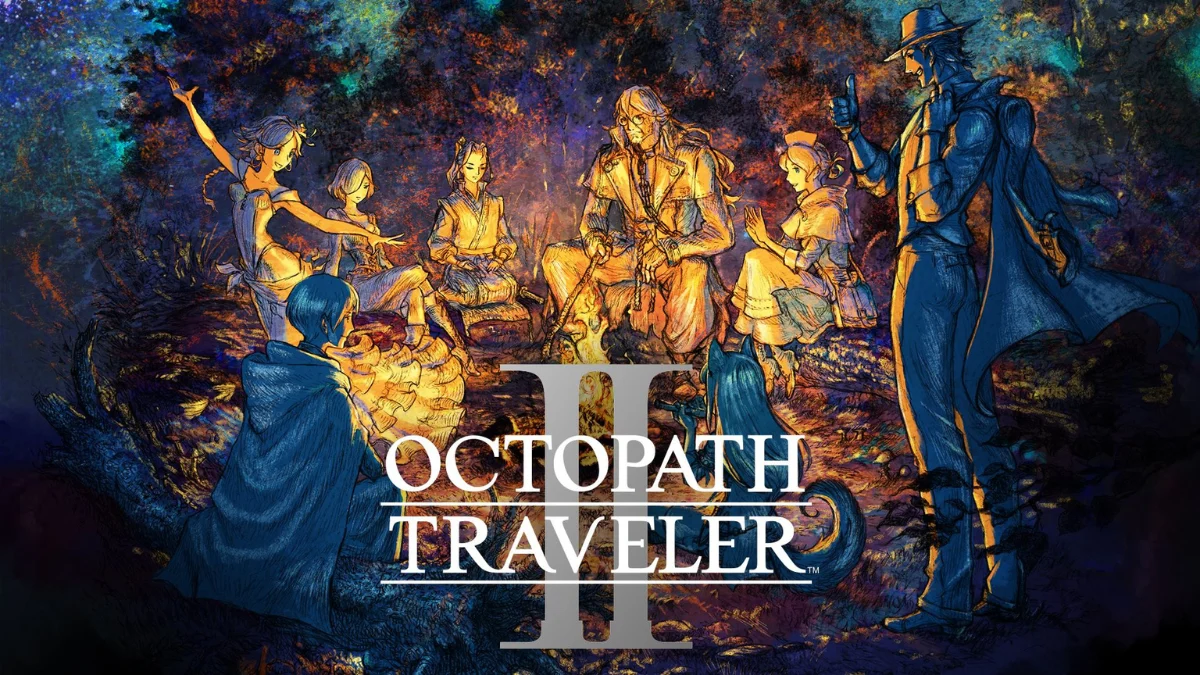
Microsoft has officially revealed the initial wave of titles slated for inclusion in Xbox Game Pass during the first half of June 2024, signaling a robust and varied expansion of its subscription library. Subscribers to the service are set to gain access to six distinct games, with the lineup notably headlined by the critically acclaimed JRPG series Octopath Traveler 1 and 2, alongside the survival horror experience The Callisto Protocol. This strategic infusion of games, encompassing a range of genres from role-playing and first-person shooters to psychological horror and indie gems, underscores Microsoft’s continued commitment to delivering a comprehensive and appealing value proposition to its global subscriber base. The announcement, made on June 6, 2024, marks the beginning of what is typically a bi-monthly content refresh for the popular gaming subscription service.
The Return and Debut of the HD-2D Saga: Octopath Traveler 1 & 2
Among the most significant additions is the Octopath Traveler duology, which brings a celebrated style of role-playing to Xbox platforms, particularly noteworthy for Octopath Traveler 2‘s debut on the console. Octopath Traveler, the first installment, is not an entirely new entry to the Game Pass ecosystem, having previously been available on the service. Its reintroduction coincides with a broader strategic shift by Square Enix, as the original title recently made its debut on PlayStation consoles, a full six years after its initial launch on the Nintendo Switch in 2018. This multi-platform expansion highlights a growing trend among Japanese publishers to broaden their audience reach beyond traditional console allegiances.
Developed by Acquire and Square Enix, Octopath Traveler is renowned for its unique "HD-2D" visual style, a pixel-art aesthetic blended with modern 3D effects, creating a distinct nostalgic yet contemporary look. The game features eight distinct protagonists, each with their own interwoven narrative and unique "Path Actions" that allow them to interact with NPCs in different ways, such as stealing items, challenging them to duels, or hiring them for assistance. The turn-based combat system is deep and strategic, emphasizing "breaking" enemy defenses and exploiting weaknesses. The original game garnered widespread critical acclaim for its innovative presentation, compelling storytelling, and engaging mechanics, selling over 3 million copies worldwide across various platforms since its release.
Octopath Traveler 2, released in 2023, represents a significant evolution of the formula. Initially launched for Nintendo Switch, PlayStation 4, PlayStation 5, and PC, it notably omitted an Xbox version at its debut. Its arrival on Xbox Series X/S and Xbox One, simultaneously with its Game Pass inclusion, is a pivotal moment for Xbox players who previously lacked access to this highly praised sequel. Octopath Traveler 2 refined many of the original’s mechanics, offering improved dual-storylines for pairs of characters, an expanded "Latent Power" system, and a more interconnected world map. Critics widely lauded the sequel for building upon its predecessor’s strengths, earning even higher praise for its narrative depth, character development, and mechanical refinements. Its average Metacritic score of 84-86 across platforms underscores its critical success, positioning it as one of the standout JRPGs of 2023. The inclusion of both titles allows Game Pass subscribers to experience the complete saga, offering potentially dozens, if not hundreds, of hours of rich narrative and strategic gameplay.
The addition of these Square Enix titles to Game Pass further illustrates the evolving relationship between Microsoft and major third-party publishers, particularly those traditionally perceived as having stronger ties to competing platforms. It suggests a strategic move by Square Enix to leverage Game Pass’s vast subscriber base for increased visibility and player acquisition, especially for titles that may have already seen their primary sales cycle on other platforms or are seeking a strong launch on a new ecosystem.
Navigating the Terrors: The Callisto Protocol and Still Wakes the Deep
The June 2024 Wave 1 announcement also brings two distinct flavors of survival horror to Game Pass, appealing to fans of both action-oriented and psychological terror.
The Callisto Protocol, developed by Striking Distance Studios and published by Krafton, is a prominent addition. Released in December 2022, this third-person survival horror title was highly anticipated, largely due to the involvement of Glen Schofield, co-creator of the revered Dead Space series. Players assume the role of Jacob Lee, a cargo pilot imprisoned in the maximum-security Black Iron Prison on Jupiter’s moon Callisto, which soon becomes overrun by grotesque biophages. The game emphasizes brutal melee combat, dismemberment mechanics, and a grim, oppressive atmosphere.
Upon its initial release, The Callisto Protocol faced a mixed reception. While praised for its stunning graphics, intense atmosphere, and visceral combat, it also drew criticism for performance issues, particularly on PC, a perceived lack of innovation compared to Dead Space, and a somewhat repetitive gameplay loop. Despite initial projections for 5 million units sold, the game reportedly fell short of Krafton’s expectations, selling around 2 million copies within its first two months. Its inclusion on Game Pass provides a significant opportunity for the title to reach a much wider audience, potentially revitalizing player interest, encouraging engagement with its post-launch content, and offering a second chance for players who were hesitant to purchase it at full price. For Game Pass, it adds a high-fidelity, action-packed horror experience that diversifies its genre offerings.
In stark contrast to The Callisto Protocol‘s more action-heavy approach, Still Wakes the Deep offers a psychological and atmospheric horror experience, notable for being a day-one release on Game Pass. This means subscribers can play the game immediately upon its global launch without additional purchase. Developed by The Chinese Room, a studio renowned for its narrative-driven and often unsettling titles, Still Wakes the Deep is set on an isolated offshore oil rig off the coast of Scotland in 1975. Players take on the role of Caz McLeary, an electrician trapped on the collapsing rig as a terrifying, unknowable entity hunts the crew.
The Chinese Room has a distinguished track record in crafting immersive and thought-provoking horror narratives. Their portfolio includes the groundbreaking walking simulator Dear Esther (2012), which redefined environmental storytelling; Amnesia: A Machine for Pigs (2013), a chilling continuation of the acclaimed horror series; and Everybody’s Gone to the Rapture (2015), an emotionally resonant narrative exploration of a post-apocalyptic world. Given their pedigree, Still Wakes the Deep is expected to deliver a deeply atmospheric experience, relying on psychological tension, environmental dread, and a compelling story rather than jump scares or combat. The day-one release status is a significant boon for Game Pass, reinforcing its reputation as a platform where subscribers get immediate access to new and anticipated titles, a key differentiator in the competitive subscription market.
Rounding Out the First Wave: Depersonalization and Isonzo
Beyond the headline acts, the first wave of June 2024 Game Pass titles also introduces two additional games that further highlight the service’s commitment to genre diversity and supporting a wide range of development studios.
Depersonalization, from developer MeowNature, is a tabletop RPG game that brings a unique narrative-driven experience to the Game Pass library. Embracing the core tenets of tabletop role-playing, the game features multiple endings and branching storylines, where player choices directly influence the course of the narrative. This emphasis on player agency and consequence is a hallmark of the genre, allowing for significant replayability and personalized experiences. The inclusion of Depersonalization showcases Game Pass’s dedication to indie titles and niche genres, offering subscribers opportunities to explore experiences that might not typically garner mainstream attention but offer deep, engaging gameplay for dedicated players. It caters to an audience that values intricate storytelling and the power of player choice in shaping a narrative.
Isonzo, a World War I first-person shooter developed by BlackMill Games, rounds out the initial June lineup. This title continues BlackMill Games’ tradition of creating historically authentic and gritty WWI experiences, following their previous acclaimed titles Verdun and Tannenberg. Isonzo draws its name and primary setting from the brutal Battle of the Isonzo, a series of twelve battles fought on the Italian Front between Italy and Austria-Hungary from 1915 to 1917. The game is known for its tactical, team-based multiplayer, supporting up to 40 players on consoles, and its meticulous attention to historical detail regarding weaponry, uniforms, and trench warfare.
Unlike many mainstream shooters that prioritize fast-paced action, Isonzo focuses on a more deliberate and strategic form of combat, emphasizing teamwork, positional play, and historical accuracy. Players must coordinate with their squads, utilize authentic WWI firearms and artillery, and contend with the harsh realities of trench warfare. Its inclusion on Game Pass caters to a specific segment of FPS enthusiasts who appreciate historical realism and tactical depth over arcade-style gameplay. It also complements Game Pass’s existing library of war-themed titles by offering a distinct, less-explored front of World War I.
The Broader Context: Xbox Game Pass Strategy and Market Impact
The June 2024 Wave 1 announcement is more than just a list of new games; it is a reflection of Microsoft’s overarching strategy for Xbox Game Pass, which has become a cornerstone of its gaming ecosystem. Launched in June 2017, Game Pass has evolved into a formidable competitor in the subscription service market, often dubbed "Netflix for games." With an estimated 34 million subscribers as of late 2023, the service continues to expand its reach and influence.
Microsoft’s strategy revolves around several key pillars:
- Value Proposition: Offering a vast, rotating library of games, including first-party titles on day one, for a single monthly fee. This eliminates the barrier of individual game purchases and encourages exploration across genres.
- Day-One Releases: The inclusion of new titles like Still Wakes the Deep on their launch day is a powerful incentive for subscribers, making Game Pass a competitive alternative to purchasing new releases outright. This also benefits developers by guaranteeing a large initial player base.
- Content Diversity: The current lineup exemplifies this, spanning JRPGs, survival horror, tactical FPS, and indie RPGs. This broad appeal aims to cater to a wide spectrum of gaming preferences, ensuring there’s always something new for every type of player.
- Platform Agnosticism: While primarily an Xbox console and PC service, Game Pass’s cloud streaming capabilities (Xbox Cloud Gaming) extend its reach to mobile devices and smart TVs, further expanding its potential audience.
- Developer Support: Game Pass offers developers, especially indie studios, a platform for increased visibility and a guaranteed audience, which can be crucial for games that might struggle to stand out in a crowded market. For larger titles like The Callisto Protocol, it offers a pathway to re-engage players and potentially boost interest in sequels or DLC.
The implications of this strategy are far-reaching. For consumers, Game Pass represents significant cost savings and an unparalleled opportunity to discover new games. For the industry, it has accelerated the shift towards subscription-based gaming, prompting competitors like Sony with PlayStation Plus and Nintendo with Nintendo Switch Online + Expansion Pack to refine their own offerings. Game Pass also influences traditional game sales models, as some players may opt to wait for a game to appear on the service rather than purchase it at launch. This has led to ongoing discussions within the industry about the long-term economic sustainability of such models for developers and publishers.
Furthermore, the continuous addition of high-profile third-party titles, such as the Octopath Traveler games from Square Enix, suggests a growing willingness among major publishers to partner with Microsoft’s subscription service. This could indicate an industry-wide recognition of Game Pass as a critical platform for reaching a mass audience and maximizing a game’s lifecycle and revenue potential beyond initial sales.
Future Outlook for Game Pass and the Xbox Ecosystem
As Xbox Game Pass continues its aggressive content acquisition strategy, the first wave of June 2024 titles sets a strong precedent for the month. Subscribers can anticipate further announcements for the latter half of June, maintaining the service’s momentum. Microsoft’s long-term vision for Game Pass remains clear: to establish it as the definitive ecosystem for gaming, accessible across multiple devices, and offering an unparalleled library of diverse titles.
The ongoing expansion of Game Pass not only strengthens the appeal of Xbox consoles but also plays a crucial role in Microsoft’s broader cloud gaming ambitions. By providing a steady stream of high-quality content, both new and old, Microsoft is positioning Game Pass as a central pillar in the evolving landscape of interactive entertainment, promising continued innovation and value for its growing subscriber base. This latest announcement reaffirms Game Pass’s commitment to variety, quality, and consumer value, ensuring its place as a dominant force in the modern gaming industry.