


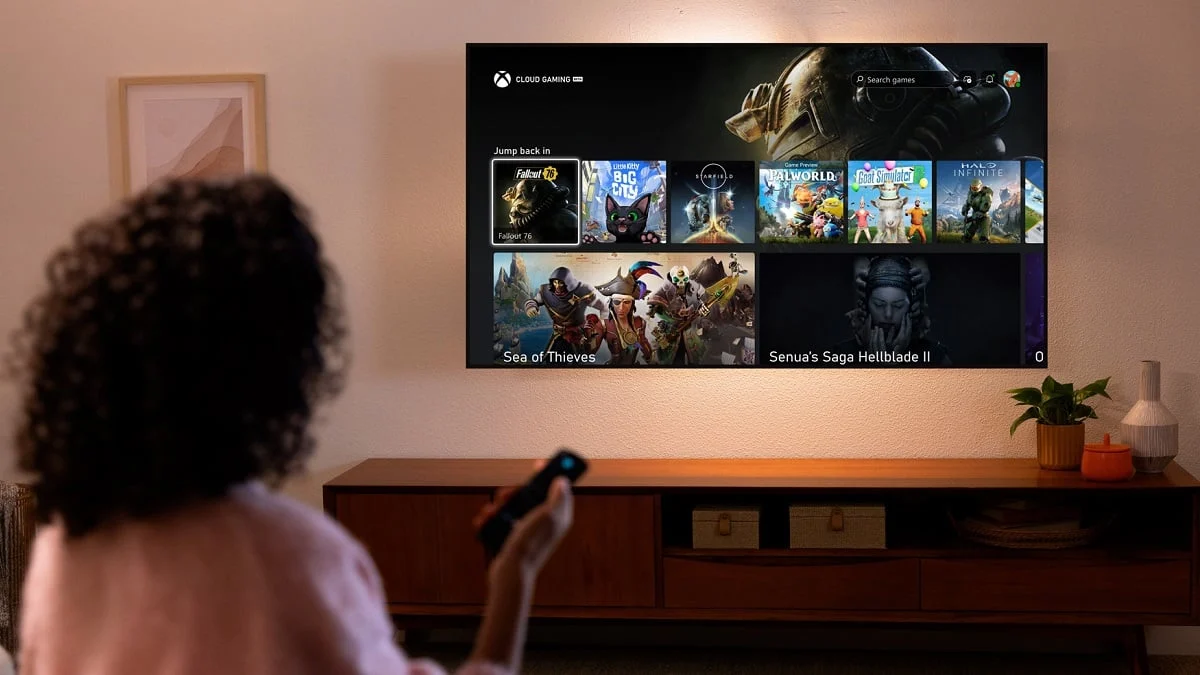
Microsoft is set to significantly broaden the accessibility of its Xbox Game Pass library by integrating the Xbox app with select Amazon Fire TV devices, a move that could fundamentally alter consumer entry points into the Xbox ecosystem and further solidify the company’s "Xbox Everywhere" philosophy. This development, announced via an Xbox Wire post, will allow subscribers to access a vast collection of Xbox titles through cloud gaming on a Fire TV Stick 4K or Fire TV Stick 4K Max, circumventing the traditional requirement of an Xbox console. While an exact launch date remains unspecified, the impending availability underscores Microsoft’s strategic pivot towards subscription services and cloud-based gaming as primary growth drivers, potentially diminishing the imperative for consumers to purchase dedicated Xbox hardware.
Redefining Accessibility: Game Pass on Fire TV
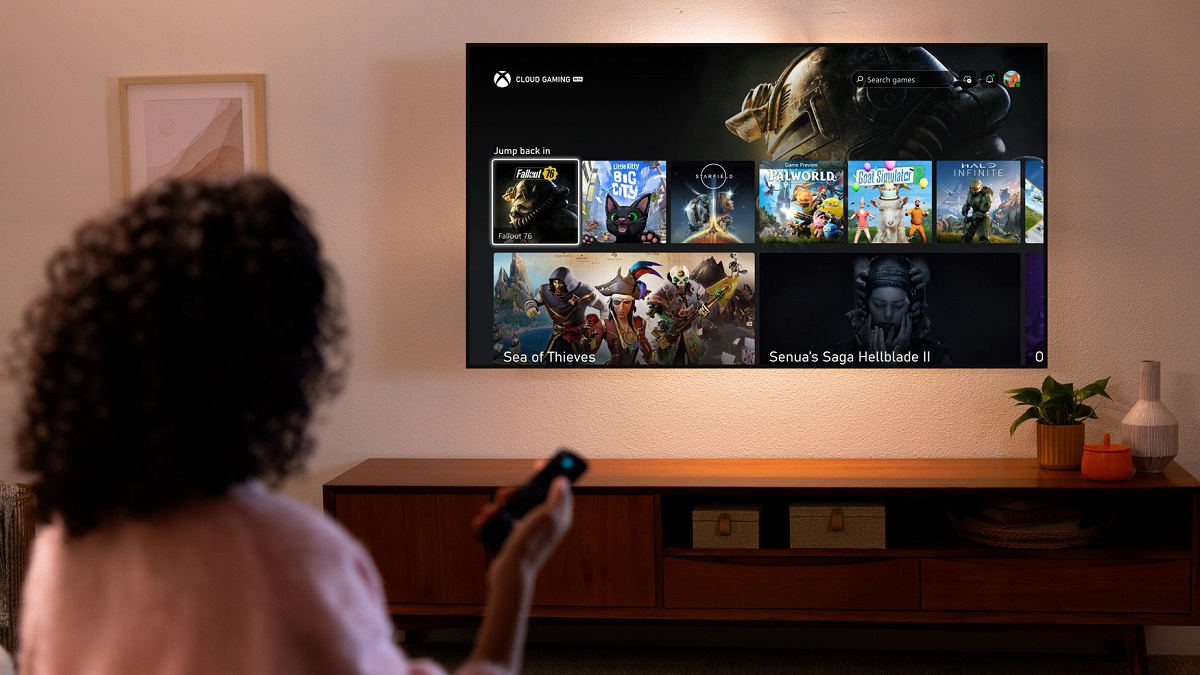
The forthcoming integration represents a pivotal moment in Microsoft’s ongoing efforts to democratize access to its gaming content. Users equipped with a compatible Amazon Fire TV Stick 4K (priced at $49.99) or Fire TV Stick 4K Max (priced at $59.99) will soon be able to download the Xbox app and stream games from the Xbox Game Pass Ultimate library. The only additional requirement is a Bluetooth-enabled wireless controller, notably not limited to an Xbox-branded peripheral; even a PlayStation 5 controller would suffice, highlighting Microsoft’s commitment to user convenience and platform agnosticism where practical. This initiative aligns seamlessly with Microsoft’s long-term vision, articulated by Xbox head Phil Spencer, to make Xbox games available "on every screen," irrespective of proprietary hardware.
The economic implications of this expansion are substantial, particularly for new entrants to the Xbox ecosystem or budget-conscious gamers. A direct comparison reveals a significant cost advantage. An Xbox Series S console, the more affordable entry-level option, currently retails for approximately $299.99. Coupled with a year’s subscription to Xbox Game Pass Ultimate, which costs $16.99 per month, the total investment approaches $504.87 for the first year. In stark contrast, a year of Game Pass Ultimate combined with a Fire TV Stick 4K would amount to approximately $253.87, making it considerably less expensive than the console alone. Even factoring in the cost of a new television, as referenced by Amazon’s website which suggests entry-level compatible TVs can start around $240, the total outlay for a new setup remains highly competitive, especially for consumers already possessing a compatible Fire TV device and television. This aggressive pricing strategy positions Game Pass as an extraordinarily attractive value proposition, potentially drawing in millions of new subscribers who might otherwise be deterred by the upfront cost of a console.
The Strategic Imperative: Game Pass Growth and Cloud Gaming Dominance
Microsoft’s decision to bring Xbox Cloud Gaming to Amazon Fire TV devices is a direct consequence of its overarching strategy to prioritize Game Pass subscription growth. Having likely saturated the market among traditional console owners, the company is now actively seeking to expand its subscriber base by eliminating hardware barriers. Game Pass, launched in June 2017, has evolved into a cornerstone of Microsoft’s gaming business, offering a Netflix-like subscription model for video games. It has steadily grown its content library, incorporating first-party exclusives on day one, a vast back catalog of Xbox and Xbox 360 titles, and a rotating selection of third-party games. While specific, regularly updated subscriber figures are not publicly disclosed, Microsoft announced in January 2022 that Game Pass had surpassed 25 million subscribers, and by January 2023, that number reportedly reached 30 million, indicating a consistent upward trajectory. The Fire TV integration is designed to accelerate this growth further, tapping into Amazon’s extensive installed base of streaming device users.
This move also reflects the broader industry trend towards cloud gaming, a market projected to reach significant valuations in the coming years. Services like Google Stadia (now defunct, but pioneering in its attempt), NVIDIA GeForce NOW, and Amazon Luna have all explored or continue to explore the potential of streaming games without dedicated hardware. Microsoft’s Xbox Cloud Gaming (formerly Project xCloud) has been a central pillar of its strategy since its formal launch in September 2020. It has steadily expanded its availability across various platforms, including Android mobile devices, iOS via web browsers, Windows PCs, and smart TVs from manufacturers like Samsung. The Fire TV integration marks another significant step in making cloud gaming ubiquitous and accessible to a wider demographic, particularly those who may not identify as "hardcore" gamers but are open to casual gaming experiences.
Background and Chronology of Xbox Everywhere
The roots of this Fire TV expansion can be traced back to Microsoft’s long-standing "Xbox Everywhere" philosophy, a vision articulated by Phil Spencer years ago. This strategy posits that the Xbox experience should not be confined to a single box under a television but should instead be available across a multitude of devices and platforms.
- 2017: Xbox Game Pass launches, introducing a subscription model for gaming.
- 2019: Microsoft officially announces "Project xCloud," its cloud gaming initiative, with public trials beginning later that year.
- 2020: Project xCloud officially rebrands as Xbox Cloud Gaming and launches as part of Xbox Game Pass Ultimate for Android mobile devices. The Xbox Series X and Series S consoles are released.
- 2021: Xbox Cloud Gaming expands to iOS devices (via web browser) and Windows PCs (via browser). Microsoft begins its strategy of making some first-party titles available on other platforms, albeit cautiously at first.
- 2022: Xbox Cloud Gaming integrates directly into Samsung Smart TVs, removing the need for an external device for those specific models.
- 2023: Continued expansion of Game Pass library and cloud gaming infrastructure improvements.
- June 27, 2024: Microsoft officially announces the upcoming compatibility of the Xbox app with select Amazon Fire TV devices, marking a new frontier for Xbox Cloud Gaming.
This consistent chronological expansion demonstrates Microsoft’s methodical approach to fulfilling its "Xbox Everywhere" promise. The Fire TV Stick, with its massive global user base, represents a strategic partner in reaching millions of potential new Game Pass subscribers who might never consider purchasing an Xbox console.
Market Dynamics and Microsoft’s Multi-Platform Approach
The decision to further de-emphasize console ownership also reflects the challenging competitive landscape in the console market. For several generations, Xbox has consistently trailed behind Sony’s PlayStation in terms of console sales. While precise current generation sales figures are rarely disclosed by Microsoft, industry analysts and financial reports generally indicate that the PlayStation 5 has significantly outsold the Xbox Series X/S globally. Nintendo’s Switch, occupying a different segment of the market, has also achieved phenomenal success. This reality has compelled Microsoft to diversify its revenue streams and reduce its reliance on console hardware sales as the primary gateway to its ecosystem.
This strategy is further evidenced by Microsoft’s increasing willingness to release its first-party intellectual properties (IPs) on rival platforms. Historically, platform exclusives were a critical differentiator and a primary reason for consumers to choose one console over another. However, Microsoft has begun porting popular titles like Sea of Thieves, Hi-Fi Rush, Grounded, and Pentiment to PlayStation and Nintendo Switch. There are even persistent rumors, though unconfirmed by Microsoft, that iconic franchises like Halo could eventually make their way to PlayStation, a move that would have been unthinkable just a few years ago. The announcement of Gears of War: E-Day as an upcoming exclusive for Xbox and PC, but with the clear implication of cloud access without a console, reinforces this evolving strategy.
Despite this aggressive push towards platform agnosticism for software, Microsoft has not entirely abandoned hardware. Xbox head Phil Spencer has previously teased the existence of an Xbox handheld device, suggesting that the company is exploring new form factors to deliver the Xbox experience. This indicates a nuanced strategy: while making Game Pass ubiquitous via cloud streaming, Microsoft also recognizes the appeal and potential of specialized gaming hardware for specific user segments. The Fire TV integration should be seen as complementary to these hardware efforts, expanding the overall reach rather than replacing one revenue stream with another entirely.
Technical Considerations and User Experience
While the economic and strategic advantages of Game Pass on Fire TV are clear, it is crucial to acknowledge the technical considerations inherent in cloud gaming. The user experience is heavily reliant on a stable and robust internet connection. Microsoft typically recommends a minimum download speed of 20 Mbps for optimal Xbox Cloud Gaming performance, with lower latency being equally important. If a user’s internet connection is unstable, experiences frequent drops, or has high latency, the gaming experience can suffer significantly, manifesting as input lag, visual artifacting, or complete disconnections. Unlike traditional console gaming, there is no offline fallback option for cloud-streamed titles. This dependency on internet infrastructure means that while the service offers unprecedented accessibility, its quality of experience will vary widely based on individual network conditions.
However, advancements in cloud infrastructure, compression algorithms, and local network technologies (like Wi-Fi 6/6E in newer Fire TV devices) continue to improve the viability of cloud gaming. For users with high-speed, reliable broadband, the experience can be remarkably fluid and responsive, often indistinguishable from local gameplay for many genres. The Fire TV Stick 4K and Fire TV Stick 4K Max are designed with robust Wi-Fi capabilities, aiming to provide the best possible streaming experience for both video and, increasingly, interactive applications like cloud gaming.
Strategic Alliance with Amazon and Broader Implications
The collaboration between Microsoft and Amazon for this initiative is mutually beneficial. For Microsoft, it provides direct access to Amazon’s vast ecosystem of Fire TV users, a demographic that may not actively seek out gaming consoles but could be enticed by a low-cost entry into a rich game library. For Amazon, integrating a high-profile gaming service like Xbox Game Pass enhances the value proposition of its Fire TV devices, making them more attractive to a wider range of consumers and potentially boosting sales of their streaming hardware. It also strengthens Amazon’s position in the broader entertainment and smart home ecosystem, allowing Fire TV to serve as a central hub for various digital experiences. This kind of strategic partnership exemplifies the evolving landscape of tech giants collaborating to expand their respective market shares in adjacent industries.
Industry analysts are likely to view this development as a significant step in the ongoing "platform wars," albeit one that redefines what a "platform" truly means. The focus is shifting from exclusive hardware ownership to content subscriptions and ecosystem lock-in through services. This move by Microsoft is expected to put further pressure on competitors to adapt their strategies, potentially accelerating the trend towards cloud gaming and multi-platform content distribution across the industry.
In conclusion, the impending arrival of Xbox Game Pass on Amazon Fire TV devices is far more than a simple app launch; it represents a profound strategic realignment for Microsoft in the gaming industry. By removing significant hardware and financial barriers, the company is poised to unlock new avenues for Game Pass subscription growth, solidify its position in the burgeoning cloud gaming market, and ultimately bring its gaming vision to a significantly larger global audience. While technical dependencies remain, this bold move underscores Microsoft’s unwavering commitment to an "Xbox Everywhere" future, where the console is merely one of many gateways to an expansive and accessible gaming universe.