


The landscape of Xbox’s online services has undergone a significant transformation with the official retirement of Xbox Live Gold, a cornerstone of console online gaming for over two decades. In its place, Microsoft has launched Xbox Game Pass Core, a new subscription tier designed to integrate essential online multiplayer access with a curated library of dozens of high-quality games. This strategic pivot marks the end of an era for a service that defined online console play and signals Microsoft’s continued commitment to its subscription-first Game Pass ecosystem.
The Dawn of Xbox Game Pass Core: A New Value Proposition
Effective September 14, 2023, Xbox Game Pass Core became the new entry point for online multiplayer gaming on Xbox consoles. Priced at $9.99 per month or $59.99 annually, Game Pass Core offers more than just online connectivity; it bundles access to a selection of approximately 25-30 titles from the extensive Xbox Game Pass library. This move is a clear effort by Microsoft to enhance the value proposition for its baseline subscription, ensuring that even the most fundamental tier offers a robust gaming experience beyond just multiplayer functionality.
For existing Xbox Live Gold subscribers, the transition was seamless and automatic. Their subscriptions were converted directly to Xbox Game Pass Core, requiring no action on their part. A key distinction from the former "Games with Gold" program, which offered monthly free titles that subscribers could keep as long as their subscription remained active, is that Game Pass Core provides access to a rotating library. This means games are available as long as they remain in the Core catalog and the subscription is active, aligning with the broader Game Pass model. Any Xbox One games claimed through Games with Gold in the past will remain accessible to Game Pass Core subscribers, while Xbox 360 titles claimed via Games with Gold are permanently owned, regardless of subscription status.
A Curated Collection: Initial Game Lineup Highlights
The initial lineup of games available with Xbox Game Pass Core has been met with considerable interest, offering a diverse mix of acclaimed first-party titles, popular indies, and robust multiplayer experiences. While the full list typically hovers around 25-30 games, several standouts exemplify the quality and variety on offer:
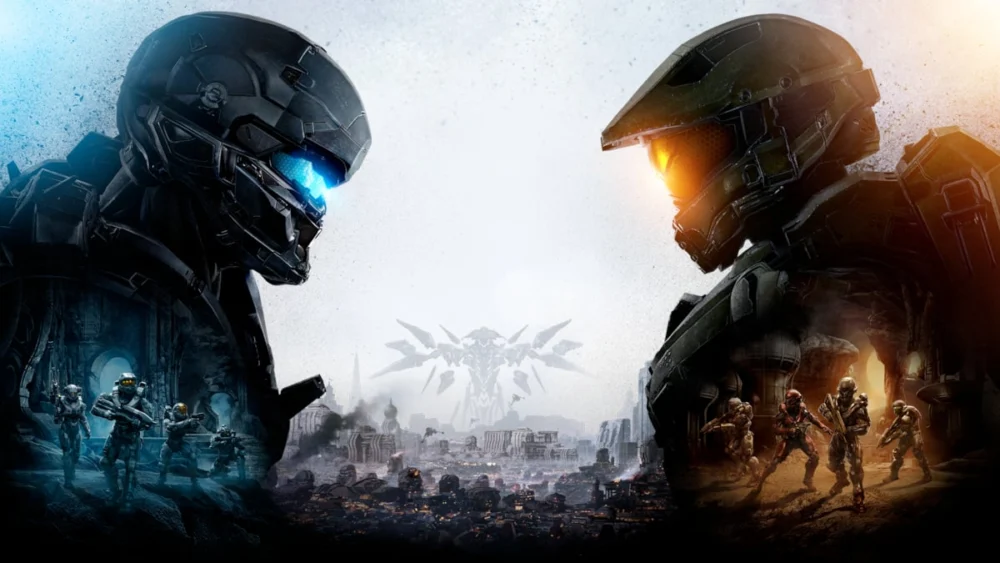
- Halo 5: Guardians: A flagship first-party shooter, this installment in the iconic Halo series offers a compelling campaign and robust multiplayer modes, a staple for any Xbox online player. Its inclusion immediately provides a strong anchor for the service.
- Gears 5 Game of the Year Edition: Another critical entry from an Xbox exclusive franchise, Gears 5 delivers intense third-person shooter action, a gripping narrative, and acclaimed multiplayer. The Game of the Year Edition provides additional content, enhancing its value.
- Psychonauts 2: A highly praised platformer from Double Fine Productions, Psychonauts 2 is lauded for its imaginative level design, quirky humor, and heartfelt story. Its presence showcases Microsoft’s commitment to offering critically acclaimed single-player experiences alongside multiplayer options.
- Among Us: The viral sensation that captivated millions, Among Us provides addictive social deduction multiplayer fun, perfect for playing with friends. Its inclusion ensures a popular and accessible multiplayer title for the Core audience.
- Fallout 4: Bethesda’s expansive post-apocalyptic RPG offers hundreds of hours of exploration and questing. While primarily a single-player experience, its sheer content volume makes it a significant draw.
- Celeste: An indie darling celebrated for its challenging platforming, profound narrative about mental health, and exquisite pixel art, Celeste is a critical success that appeals to players seeking a deeply rewarding single-player journey.
- Golf With Your Friends: A chaotic and entertaining multiplayer mini-golf game, Golf With Your Friends is an ideal casual title for groups, embodying the "play with your friends" aspect that online services often promote.
This curated selection is designed to provide immediate value and appeal to a broad spectrum of gamers, from those seeking competitive online matches to those looking for engaging single-player adventures. The library is expected to refresh 2-3 times per year, introducing new titles and keeping the offering fresh for subscribers.
The Legacy of Xbox Live Gold: Two Decades of Online Gaming
To fully appreciate the significance of Xbox Live Gold’s retirement, it is essential to understand its storied history and profound impact on the gaming industry. Launched in November 2002 alongside the original Xbox console, Xbox Live was revolutionary. It was one of the first truly integrated online multiplayer services for consoles, offering a unified platform for matchmaking, voice chat, and digital content delivery. Initially, many core features were available to all Xbox Live users, but the "Gold" tier was soon introduced to gate premium features, most notably online multiplayer access.
For nearly two decades, Xbox Live Gold remained the prerequisite for playing multiplayer games on Xbox consoles. Beyond online play, Gold subscribers gained access to exclusive discounts, early demos, and, crucially, the "Games with Gold" program, launched in 2013. This program allowed subscribers to download a selection of free games each month, which they could keep as long as their subscription remained active. Over the years, Games with Gold provided millions of players with access to a vast library of titles, ranging from indie gems to classic blockbusters.
Xbox Live Gold was more than just a service; it was a community. It fostered the growth of esports, facilitated countless friendships, and fundamentally shaped how console gamers interacted with their favorite titles. Its success prompted competitors, notably Sony with PlayStation Plus, to adopt similar paid subscription models for online multiplayer access.

However, in recent years, the perceived value of Xbox Live Gold began to wane, particularly with the meteoric rise of Xbox Game Pass. As Game Pass introduced day-one access to new releases, a vast back catalog, and integrations like cloud gaming (with Ultimate), the Games with Gold offerings, while still valuable, often felt less compelling by comparison. This created a situation where Microsoft was maintaining two distinct subscription brands that, for many users, served increasingly overlapping purposes.
Microsoft’s Evolving Strategy: The Game Pass Ecosystem Consolidation
The discontinuation of Xbox Live Gold and the introduction of Xbox Game Pass Core are pivotal components of Microsoft’s broader strategy to consolidate and strengthen its Game Pass ecosystem. Since its launch in 2017, Xbox Game Pass has become the centerpiece of Microsoft’s gaming division, transforming how players access and consume games. The company has explicitly stated its ambition to grow Game Pass to hundreds of millions of subscribers, and streamlining its offerings is crucial to achieving this goal.
Prior to Core, the Xbox subscription landscape could be somewhat confusing, with Xbox Live Gold primarily for online multiplayer and Games with Gold, and various tiers of Game Pass offering game libraries, PC access, cloud gaming, and EA Play. By replacing Gold with Game Pass Core, Microsoft achieves several strategic objectives:
- Brand Simplification: All core subscription services now fall under the unified "Game Pass" umbrella (Core, Console, PC, Ultimate), making the offerings clearer and more consistent for consumers.
- Enhanced Entry-Level Value: Game Pass Core immediately provides a more compelling entry point than Gold did in its later years. For the same price ($59.99/year), subscribers now get a curated game library in addition to online multiplayer, significantly boosting the perceived value.
- Subscription Migration: This move naturally encourages more users into the Game Pass ecosystem. While Core serves as the baseline, it can act as a gateway to higher tiers like Game Pass Ultimate, which offers an even broader library, cloud gaming, and PC benefits.
- Competitive Positioning: By integrating games into the basic online multiplayer subscription, Microsoft aligns its offering more closely with competitors like PlayStation Plus Essential, which also bundles a few games each month with online access. However, Game Pass Core distinguishes itself with a larger, curated rotating library from the outset.
- Focus on Content: The change underscores Microsoft’s strategic shift from selling hardware and individual game copies to building a robust, recurring revenue stream through content subscriptions.
This consolidation reflects a wider industry trend where subscription services are becoming increasingly central to content distribution, from streaming video to music and, now, gaming. Microsoft is positioning Game Pass not just as a game library but as the definitive way to experience Xbox.
Economic and Player Implications: A Win-Win for Many
The transition to Xbox Game Pass Core carries significant implications for both players and Microsoft.
For Players:
- Increased Value: For the vast majority of Xbox Live Gold subscribers, this is an upgrade. They retain online multiplayer access and gain a library of quality games at no additional cost.
- Game Discovery: The curated library provides an excellent opportunity for players to discover games they might not have otherwise purchased, including critically acclaimed indies and older first-party titles.
- Simplified Choices: While still having multiple tiers, the branding is now more coherent, potentially reducing confusion for new subscribers entering the Xbox ecosystem.
- Loss of "Ownership" via Games with Gold: A minor drawback for some might be the shift from "owning" claimed Games with Gold titles (for Xbox One games) to accessing a rotating library. However, the overall value proposition of the Core library is arguably stronger than the later-stage Games with Gold offerings.
For Microsoft:
- Strengthened Game Pass Brand: Consolidating all services under Game Pass reinforces its brand identity and market position.
- Potential for Upselling: Core serves as an accessible entry point that could encourage users to upgrade to Game Pass Ultimate for an even more extensive library, cloud streaming, and PC benefits.
- Streamlined Operations: Managing a single, unified Game Pass platform is likely more efficient than maintaining separate brands and content pipelines for Gold and various Game Pass tiers.
- Increased Engagement: By providing games directly with online access, Microsoft hopes to increase overall engagement within the Xbox ecosystem, leading to more time spent on the platform.
Analysts generally view this move as a positive and necessary evolution for Xbox. It aligns with modern consumer expectations for bundled services and further cements Microsoft’s leadership in the subscription gaming space.
The Future of Xbox Subscriptions
The introduction of Xbox Game Pass Core is not merely a rebranding; it’s a strategic evolution that solidifies Microsoft’s vision for the future of Xbox. It demonstrates a clear commitment to a subscription-centric model, where access to a diverse library of games, coupled with essential online services, is the standard rather than an add-on. As the gaming industry continues its rapid transformation, driven by digital distribution, cloud technology, and subscription models, Xbox Game Pass Core positions Microsoft strongly for continued growth and innovation. The retirement of Xbox Live Gold marks a significant turning point, closing a celebrated chapter while opening a new one focused on enhanced value and a unified gaming experience for millions of players worldwide.