


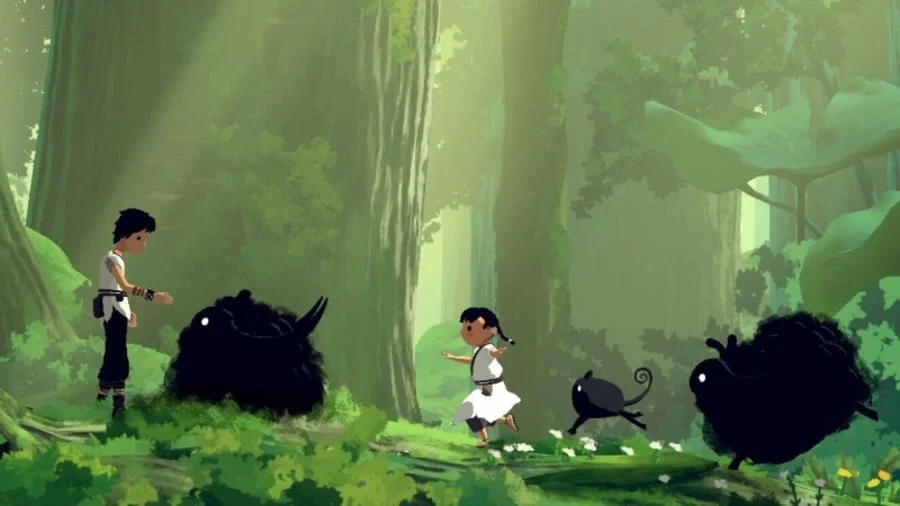
The critical consensus, as reflected in early review aggregators, suggests a title that successfully iterates on its foundational elements while maintaining the distinct aesthetic identity that first brought the franchise to prominence. With an initial OpenCritic score of 79, the game is being characterized as a "rock-solid" sequel that prioritizes atmosphere and narrative continuity over radical genre innovation. This performance places the title firmly within the upper tier of indie releases for the current calendar year, reinforcing the strategic value of cinematic platformers within the broader Microsoft gaming ecosystem.
The Evolution of the Planet of Lana Franchise
To understand the significance of this sequel, one must look back at the trajectory of the original Planet of Lana, which debuted in May 2023. Developed by Wishfully and published by Thunderful Publishing, the first game was lauded for its hand-painted art style, often compared to the works of Studio Ghibli, and its minimalist approach to storytelling. It followed the journey of a young girl named Lana and her small, cat-like companion, Mui, as they navigated a world invaded by a mysterious robotic army.
Planet of Lana 2: Children of the Leaf seeks to expand this universe. Where the first game was a relatively intimate journey of survival, the sequel introduces broader lore concerning the planet of Novo, its history, and the origins of the mechanical threat. Critics have noted that the "Children of the Leaf" subtitle refers to a deeper exploration of the planet’s indigenous inhabitants and the spiritual connection between the biological and the mechanical. This narrative expansion is matched by a wider geographic scope, taking players through new biomes that range from dense, bioluminescent forests to desolate industrial ruins.
Chronology of Development and Critical Embargo
The development cycle for Planet of Lana 2 was marked by a commitment to preserving the hand-drawn aesthetic that defined the original. Following the success of the first game, Wishfully expanded its team slightly to accommodate more complex puzzle designs and a more robust narrative framework. The game was officially announced with a focus on deepening the bond between Lana and Mui, introducing new gameplay mechanics that allow for more sophisticated interactions with the environment and the planet’s wildlife.
The review embargo lifted on March 4, 2026, just 24 hours prior to the game’s inclusion in the Xbox Game Pass library. This timing allowed for a concentrated burst of critical feedback, providing potential players with a comprehensive overview of the experience before downloading. The reviews spanned multiple platforms, including the Xbox Series X, PC, and notably, the Nintendo Switch 2, indicating a broader multi-platform strategy for the sequel compared to the original’s timed-exclusive launch.
Comprehensive Review Analysis and Scoring Trends
The critical reception of Planet of Lana 2 has been largely positive, though it reveals a spectrum of opinions regarding its difficulty and mechanical pacing. High-end scores, such as the 10/10 awarded by The Sixth Axis, emphasize the game’s "flawlessly pitched" puzzle difficulty. This review specifically highlighted the game’s ability to prevent player frustration through a "drip-feeding" of progress, where each failure provides a clear clue for the next attempt. The emotional weight of the game was also a recurring theme, with critics warning players to prepare for the harrowing audio cues of the companion Mui when the player character meets an untimely end.
Nintendo Life, providing a 9/10, focused on the "visually intoxicating" nature of the alien world. Their assessment pointed to the "worthwhile mechanical changes" that differentiate the sequel from its predecessor, specifically the increased variety in stealth and Mui-based puzzles. Similarly, Console Creatures (9/10) praised the matured narrative, stating that the world and its protagonists have grown in a way that feels earned, moving beyond the simpler "save the village" tropes of the first installment.
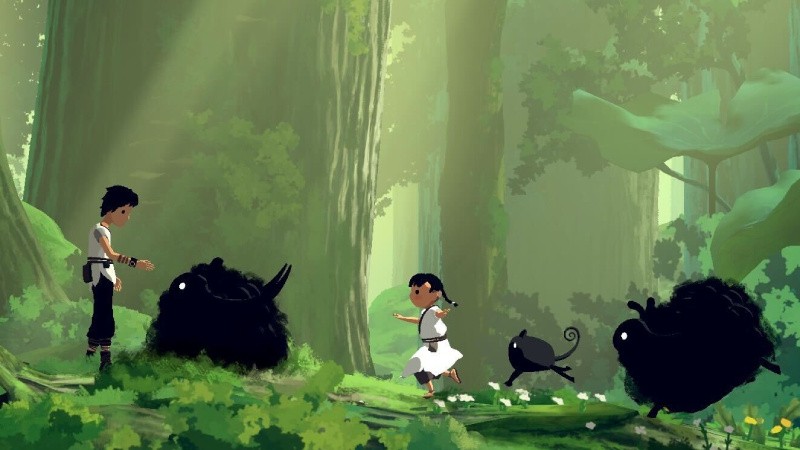
However, a segment of the critical body offered more measured assessments. Checkpoint Gaming (8.5/10) noted that while the game "knocks it out of the park" as a sequel, it is not without technical flaws. Specifically, they cited "sluggish" controls for Mui and instances of "unnecessary gameplay" that felt like filler between major narrative beats. These sentiments were echoed by TechRaptor (7/10) and CGMagOnline (7/10), both of which characterized the game as a safe, conservative sequel. TechRaptor argued that the game "challenges no conventions" and serves as a "perfectly inoffensive" cinematic platformer for those seeking a short, 6-to-8-hour experience.
Technical Data and Gameplay Mechanics
Data derived from these reviews provides a clearer picture of the game’s technical and structural composition:
- Average Playtime: Estimates suggest a 6 to 8-hour campaign, depending on the player’s proficiency with puzzles.
- Gameplay Split: According to CGMagOnline, puzzle-solving accounts for approximately 90% of the core experience, with the remainder dedicated to narrative-driven traversal and stealth.
- New Mechanics: The sequel introduces new creatures that Mui can influence or control, adding a layer of biological interaction that was absent in the first game.
- Visual and Audio Standards: The game continues to utilize a high-fidelity 2D art style paired with an orchestral score that has been universally praised for its ability to convey emotion without the need for spoken dialogue.
The "Mui-based puzzles" remain the heart of the gameplay loop. Players must direct Mui to stay, follow, or interact with specific environmental objects. The sequel complicates this by requiring Lana and Mui to separate for longer periods, forcing the player to manage two distinct perspectives to unlock paths forward.
Official Responses and Industry Context
While Wishfully has not issued a formal statement following the review roundup, the studio’s social media presence has focused on the community’s reaction to the game’s art and the "emotional journey" of the protagonists. Industry analysts view the release of Planet of Lana 2 as a test case for the sustainability of the "indie-sequel" model on subscription services. By launching directly into Xbox Game Pass, the developer bypasses the traditional "sales cliff" that many indie sequels face, where the audience for a second installment is often a fraction of the first.
The inclusion of the game in the Xbox Game Pass Ultimate tier also suggests a continued partnership between Microsoft and European indie developers. For Microsoft, titles like Planet of Lana 2 serve as "prestige indies"—games that may not drive hardware sales like a first-party AAA title but enhance the perceived value and variety of the subscription service.
Broader Impact and Implications for the Genre
The release of Planet of Lana 2: Children of the Leaf arrives at a time when the cinematic platformer genre is seeing a resurgence of interest, driven by the success of titles like Little Nightmares and Inside. However, the genre faces a recurring critique regarding its limited mechanical depth. The split in review scores for Planet of Lana 2—ranging from perfect scores to more lukewarm 7s—reflects an ongoing debate within the gaming community: whether atmospheric storytelling and visual excellence are sufficient to carry a game that adheres strictly to established gameplay tropes.
For the indie development community, Wishfully’s success in launching a high-quality sequel provides a blueprint for how to expand a niche IP. The game’s ability to "mature" its narrative and world-building suggests that there is a significant appetite for "minimalist" storytelling that respects the player’s intelligence.
As players prepare to download the title on March 5, the legacy of Planet of Lana 2 will likely be defined by its ability to bridge the gap between "game as art" and "game as challenge." While some critics found the experience unchallenging, others found its flawlessly pitched difficulty to be its greatest strength. Regardless of individual preference, the game stands as a significant milestone for Wishfully and a notable addition to the 2026 gaming calendar, reinforcing the idea that in the modern landscape, a strong visual identity and an emotional core remain powerful tools for independent creators.