

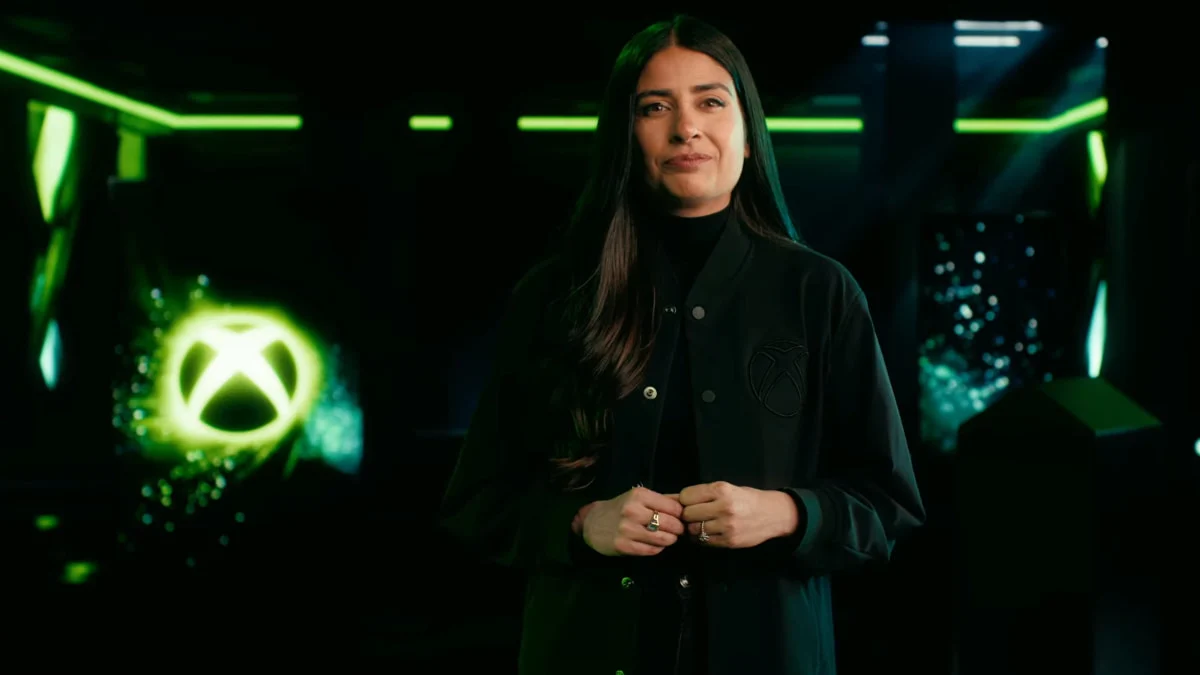
Xbox CEO Asha Sharma has officially confirmed a significant wave of job cuts impacting approximately 1,600 employees, representing about eight percent of the company’s workforce. This initial reduction is part of a larger, more extensive restructuring plan that anticipates a total of 3,200 layoffs by the end of the 2027 fiscal year, a figure that constitutes 20 percent of Xbox’s total employee base. This announcement is a portion of a broader set of changes at Microsoft, with approximately 6,400 employees slated for termination across various divisions within the tech giant over the coming year. The protracted nature of these adjustments means many employees will continue their work under the looming shadow of further workforce reductions.
A Strategic Pivot Towards Profitability
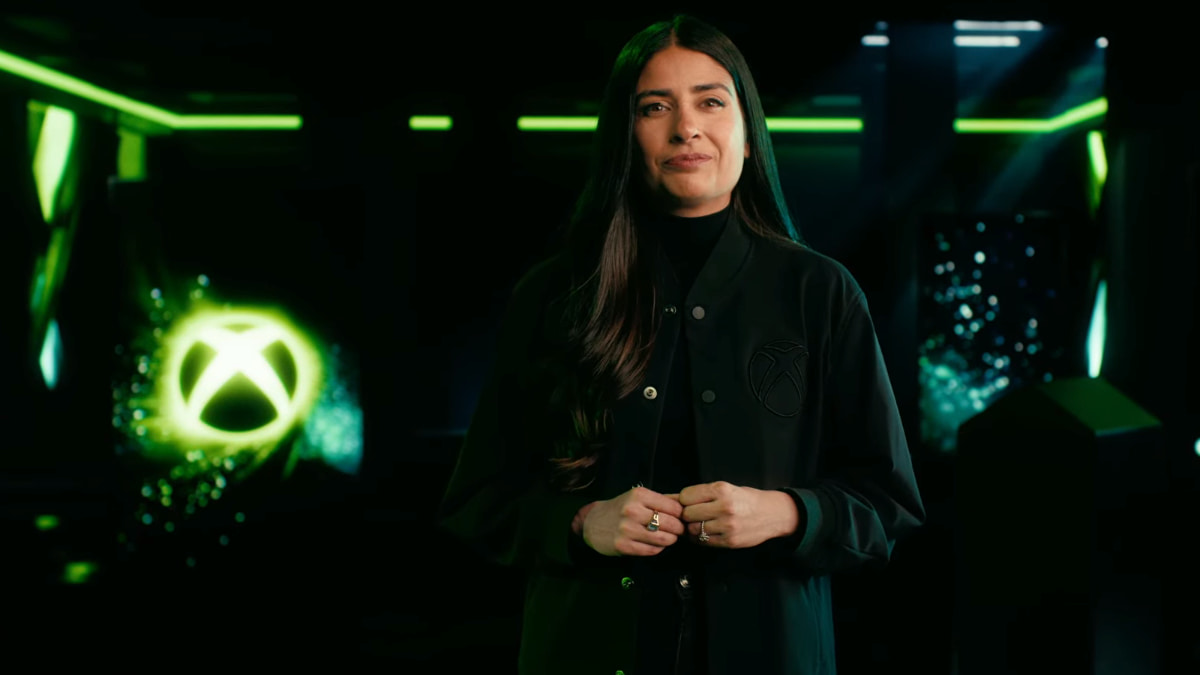
In a candid statement released to employees and the public, Sharma acknowledged the difficult and extended timeline of the restructuring. "I recognize that a year-long restructuring creates additional challenges," she stated. "Unfortunately, it is not possible to make all the necessary changes in a single day, and I wanted to be direct about the scale." This admission underscores the strategic, albeit painful, shift Xbox is undertaking to address what Sharma described as an "unhealthy" business. She elaborated that the Xbox business is currently "operating at margins that are 3-10x lower than comparable platform and publishing businesses." This financial reality has prompted a re-evaluation of Xbox’s growth strategies, including its investments in Game Pass, multi-platform offerings, and an expanded content portfolio, which Sharma admitted have not yielded the desired results.
Key Studio Realignment and Future Direction
The restructuring involves substantial changes to Xbox’s internal studios and external partnerships. Notably, Compulsion Games and Double Fine Productions, previously under Xbox’s ownership, are set to transition back to independent operations, retaining their management and intellectual property. This move suggests a strategy to reduce direct operational overhead while potentially maintaining collaborative relationships.
Simultaneously, Ninja Theory and Undead Labs are entering into agreements to be acquired by new ownership entities that will provide funding to complete and further develop their key franchises, Senua and State of Decay 3, respectively. This approach aims to ensure the continuation and growth of these promising titles without direct financial burden on Xbox’s core operations.
Arkane, currently working on the highly anticipated Marvel’s Blade game, is undergoing a required consultation process with its Works Council to explore strategic options. This indicates a more complex negotiation or potential divestment, the specifics of which are still under review.
Broad Impact Across Microsoft Gaming Ecosystem
The ramifications of this restructuring extend across a wide spectrum of Microsoft’s gaming portfolio. Sharma’s statement confirmed that significant changes are being implemented across Activision, Bethesda/ZeniMax, Blizzard, King, Mojang, and Xbox Game Studios. While the exact nature of these changes varies in scale, the overarching goal is to streamline operations and improve financial performance.
A crucial point of reassurance for the gaming community is that "none of our first-party publicly announced games or projects are being cancelled as part of these reductions." This commitment aims to mitigate concerns about the future of ongoing development pipelines. Furthermore, Mojang, the creator of the global phenomenon Minecraft, and King, the developer behind the ubiquitous Candy Crush franchise, will now report directly to Asha Sharma. This consolidation of leadership for two of Xbox’s most profitable and widely recognized intellectual properties signals a strategic focus on leveraging their success.
Historical Context and Industry Trends
This announcement arrives at a time of considerable upheaval within the broader technology and gaming industries. Numerous major tech companies have undergone significant workforce reductions in recent years, citing economic headwinds, post-pandemic recalibrations, and a renewed focus on core profitability. The gaming sector, in particular, has seen a surge in both investment and layoffs, driven by evolving player expectations, the increasing cost of game development, and market saturation.
Xbox’s situation is compounded by the substantial acquisition of Activision Blizzard in early 2024. While this acquisition was heralded as a monumental step to bolster Xbox’s content library and market presence, it also brought with it a significant integration challenge and a substantial workforce. The current layoffs can be partly understood as a post-acquisition rationalization and a necessary step to align the expanded entity with profitability targets.
The initial reports of potential widespread layoffs at Xbox surfaced earlier in the year, creating an atmosphere of uncertainty for employees. The confirmation today, while expected by many, does little to alleviate the immediate distress experienced by those affected. The fact that these reductions are spread over an extended period, rather than a single, immediate event, suggests an attempt to manage the transition more smoothly, though it also prolongs the period of anxiety for the remaining workforce.
A Painful Acknowledgment and a Vision for the Future
Sharma’s message conveyed a deep understanding of the personal impact of these decisions. "I know this is painful," she admitted. "These changes will directly affect people who have poured their creativity into building Xbox. Many joined us through acquisitions, while others were recruited here, or sought us out because they loved this industry and loved Xbox. Today’s decisions do not reflect their talent or dedication." This sentiment highlights the human cost of corporate restructuring, emphasizing that the departing employees are valued contributors whose work has been integral to Xbox’s journey.
Despite the somber reality of the current situation, Sharma articulated a forward-looking vision for Xbox. She expressed a commitment to making Xbox a platform that entertains over a billion people daily and fosters creativity and connection. "I want Xbox to be one of the few companies that entertains more than a billion people each day and gives everyone the opportunity to create and connect," she stated. "I know we can achieve this goal. Xbox has many of the most beloved franchises in entertainment history, talented studios around the world, and we will return to growth in 2027." This ambitious outlook, coupled with the strategic realignments, aims to set Xbox on a path towards renewed profitability and sustained success in the competitive gaming landscape.
Analysis of Implications
The sweeping restructuring at Xbox carries several significant implications:
- Shift in Studio Model: The transition of Compulsion Games and Double Fine to independent status, alongside the new ownership for Ninja Theory and Undead Labs, suggests a potential move away from a fully vertically integrated studio model. This could allow Xbox to focus its capital on platform development, content acquisition, and its subscription service, while relying on external partners for certain game development.
- Focus on Core Profitability: The explicit mention of low profit margins indicates a strong imperative to drive financial performance. This may lead to a more cautious approach to game development, with an increased emphasis on titles with proven market appeal or those that can be leveraged across multiple platforms and services.
- Strategic Importance of Mojang and King: The direct reporting of Mojang and King to Asha Sharma underscores their critical role in Xbox’s revenue generation. These studios, with their established and highly profitable franchises, are likely to be central to any near-term financial turnaround.
- Game Pass and Multi-Platform Strategy Under Scrutiny: Sharma’s candid admission that the bets on Game Pass and multi-platform strategies "have not panned out" as expected is a significant statement. While Game Pass remains a cornerstone of Xbox’s ecosystem, this comment suggests a potential re-evaluation of its growth trajectory and profitability model. The push for multi-platform releases, particularly on PlayStation and Nintendo Switch, will also be closely watched for any adjustments in strategy.
- Impact on Developer Morale and Talent Acquisition: While Sharma’s statement expresses empathy, the scale of layoffs and the prolonged restructuring period could negatively impact morale among remaining employees. Furthermore, the industry is highly competitive for top talent, and large-scale layoffs can make it more challenging for companies to attract and retain skilled developers in the future.
- Competitive Landscape: These moves by Xbox will undoubtedly be observed closely by competitors like Sony PlayStation and Nintendo. Any perceived weakening or strategic shift by Xbox could create opportunities for rivals to gain market share or influence industry trends.
The coming months and years will reveal the long-term consequences of this significant strategic realignment. While the immediate impact is undeniably painful for those affected, Xbox is clearly aiming to forge a more resilient and profitable future in the dynamic world of interactive entertainment. The company’s ability to execute its new strategy, coupled with the continued success of its most valuable franchises, will be key to its projected return to growth in 2027.