


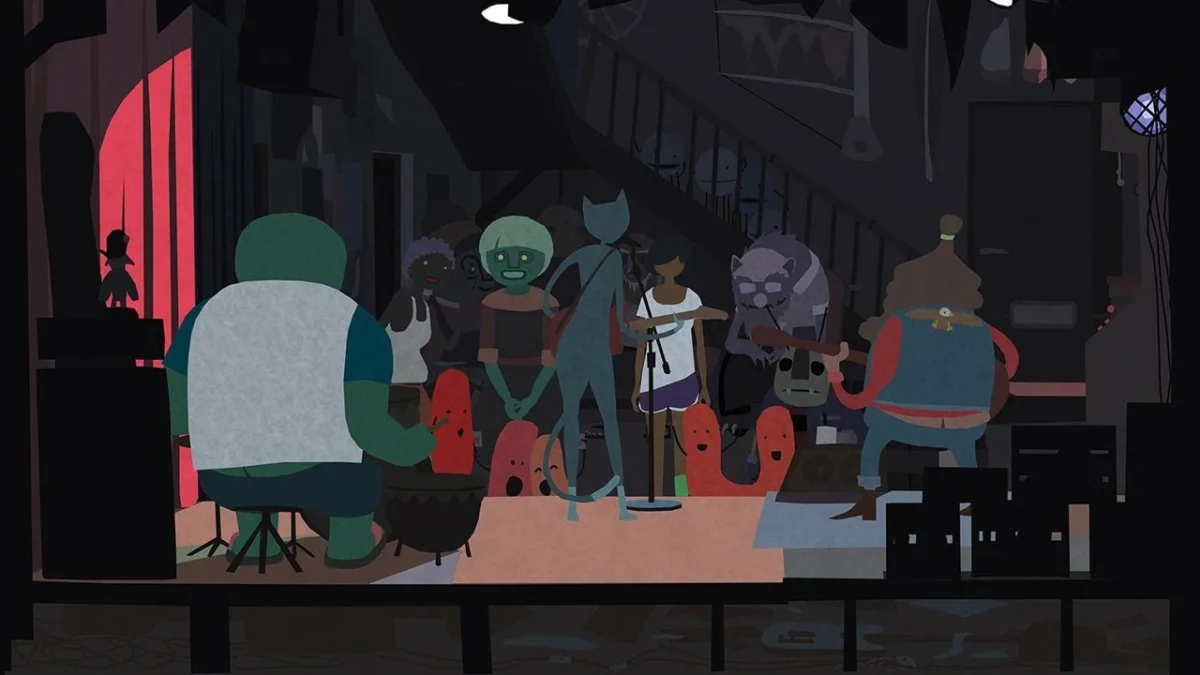
The independent game development studio Die Gute Fabrik, celebrated for its critically acclaimed titles such as the uniquely charming narrative adventure Mutazione, has announced a significant and somber decision: the immediate halt of all current project production. This move, detailed in a recent public statement released by the Copenhagen-based company, is directly attributed to what the studio describes as a "challenging funding and investment scene" within the contemporary video game industry. The announcement has sent ripples through the independent development community, highlighting a growing concern over the economic viability of creating ambitious, narrative-driven games in the current market.
Die Gute Fabrik, whose name translates to "The Good Factory" in German, has consistently strived to live up to its moniker by producing games that are not only aesthetically distinctive but also rich in thematic depth and emotional resonance. Mutazione, released in 2019, garnered widespread praise for its striking hand-drawn art style, its poignant exploration of themes like community, healing, and acceptance, and its innovative gameplay mechanics that blended adventure, gardening simulation, and character-driven narrative. The game went on to receive numerous accolades, including nominations and wins at various independent game festivals, cementing Die Gute Fabrik’s reputation as a studio capable of producing impactful and memorable experiences.
The decision to halt production was made effective on February 19th, a date that now marks a significant turning point for the studio. In a transparent effort to support its dedicated team during this transition, Die Gute Fabrik has utilized its remaining financial resources to provide its employees with a month of paid time. This gesture, while commendable, underscores the financial constraints the studio is currently facing. The hope, as articulated in their statement, is to eventually secure new funding to resume operations and continue the development of their ambitious projects.
A Difficult Decision Driven by Market Realities
The statement released by Die Gute Fabrik via their official Twitter account on February 26, 2024, conveyed the gravity of the situation with a tone of regret and concern for their employees. "We’re sad to share that we’re halting production at @gutefabrik due to the challenging funding & investment scene in games right now," the tweet read. "We downed tools earlier this month & have been doing our best to support the team who’ll be looking for work from mid-March." This candid admission reflects a broader trend observed across the independent game development sector, where securing consistent and adequate funding has become an increasingly formidable hurdle.
The "challenging funding and investment scene" cited by Die Gute Fabrik is not an isolated phenomenon. Over the past few years, numerous reports and analyses have pointed to a tightening of venture capital, a more cautious approach from publishers, and increased competition in a market saturated with a high volume of game releases. For independent studios, particularly those focusing on artistic integrity and experimental gameplay over broad commercial appeal, this environment can be precarious. The rising costs of development, coupled with the unpredictable nature of market reception, create a high-risk, high-reward scenario that many investors are now hesitant to embrace without clear indicators of mainstream success.
Chronology of Events: From Production Halt to Public Announcement
The timeline of events leading to Die Gute Fabrik’s public announcement offers a glimpse into the operational challenges faced by the studio. Production officially ceased on February 19th. Following this critical decision, the studio focused on managing the immediate impact on its workforce. The decision to provide a month of paid time served as a crucial buffer, allowing the team to begin their job search with a degree of financial security.
The public statement and subsequent tweets were strategically timed to coincide with this period of transition. The primary objective was not only to inform the public and the gaming community about the studio’s situation but, more importantly, to act as a powerful advocacy tool for the talented individuals who now comprise the laid-off team. By sharing a dedicated hiring sheet, Die Gute Fabrik aimed to directly connect their former employees with potential employers, leveraging their professional network and public platform to facilitate new opportunities.
The second tweet, accompanied by a link to the hiring sheet, emphasized this objective: "Please check out this sheet of the current team members who are now looking for new opportunities. We’ve been honoured to collaborate with them, both on Saltsea Chronicles, and on our unannounced prototype. Jump at the chance to hire them!" This proactive approach demonstrates a commitment to the well-being of their staff, even in the face of operational shutdown.
The Studio’s Portfolio: A Legacy of Unique Experiences
Die Gute Fabrik’s commitment to artistic expression and narrative innovation is evident in its body of work. Mutazione remains their most recognized title, a testament to their ability to craft immersive worlds and resonant stories. The game’s narrative centers on Kai, a young woman who travels to the mutant community of Mutazione to care for her ailing grandfather. Through Kai’s journey, players explore themes of generational trauma, environmentalism, and the power of connection, all within a visually stunning and characterfully designed environment. The game’s unique blend of gameplay elements, including narrative choices, community building, and even a musical element involving "musical gardening," set it apart from many contemporary titles.
Beyond Mutazione, the studio was also working on Saltsea Chronicles, a narrative adventure game developed in collaboration with a collective of writers. This project, unfortunately, is also affected by the production halt, leaving its future uncertain. The unannounced prototype mentioned in the hiring sheet tweet further underscores the depth of ongoing development that has now been put on hold. The cessation of work on these projects represents not just a financial setback for the studio but also a loss of potential creative output for the gaming landscape.
Analysis of the Broader Industry Implications
The situation at Die Gute Fabrik serves as a microcosm of the broader economic pressures facing the independent game development sector. Several key factors contribute to this challenging environment:
- Increased Development Costs: As technology advances and player expectations for graphical fidelity and scope grow, the cost of developing a game has escalated significantly. This disproportionately affects smaller studios with limited budgets.
- Market Saturation and Discovery: The sheer volume of games released each year makes it increasingly difficult for independent titles to gain visibility and reach their intended audience. Marketing and discoverability are significant hurdles.
- Shifting Investment Trends: Venture capital firms and publishers are often seeking guaranteed returns, which can lead them to favor projects with established commercial appeal or those developed by studios with a proven track record of massive sales. This can leave studios focused on artistic innovation or niche genres struggling to secure funding.
- The Rise of "AAA" Scope in Indie Development: Some independent studios, aiming to compete with larger productions, may inadvertently inflate their budgets and timelines, making them more vulnerable to financial instability.
The implications of this trend are far-reaching. If independent studios like Die Gute Fabrik, known for their creativity and unique vision, are forced to cease operations due to funding issues, it could lead to a homogenization of the game market. The diversity of experiences and perspectives that independent developers bring to the industry could be diminished, ultimately impacting the richness and innovation of video games as an art form. Furthermore, the loss of talented individuals from the industry due to such setbacks represents a significant brain drain, hindering future creative endeavors.
Supporting the Team and the Future of Die Gute Fabrik
While the current outlook is undoubtedly bleak, Die Gute Fabrik’s public stance emphasizes their desire to eventually resume operations. Their statement and the proactive sharing of their team’s hiring sheet are crucial steps in navigating this difficult period. The gaming community, which has shown significant support for Mutazione and the studio’s ethos, is now being called upon to assist in finding new roles for the displaced developers.
The studio has reiterated that purchasing their existing titles, Mutazione and Saltsea Chronicles, remains the most direct way for fans to provide financial support. This highlights the direct correlation between player engagement and the survival of independent studios. The availability of Mutazione across a wide range of platforms – including PlayStation 4, Nintendo Switch, PC, iOS, Xbox One, Xbox Series X|S, and macOS – makes it accessible to a broad audience. Similarly, Saltsea Chronicles is available on PlayStation 5, Nintendo Switch, and PC.
The future of Die Gute Fabrik hinges on their ability to secure new investment and navigate the complexities of the current funding landscape. Their journey serves as a poignant reminder of the challenges inherent in independent game development and the critical importance of a supportive ecosystem for fostering creativity and innovation within the industry. The hope remains that "The Good Factory" can, indeed, continue to be a factory of great games, but this will require a significant shift in external support and market conditions.