


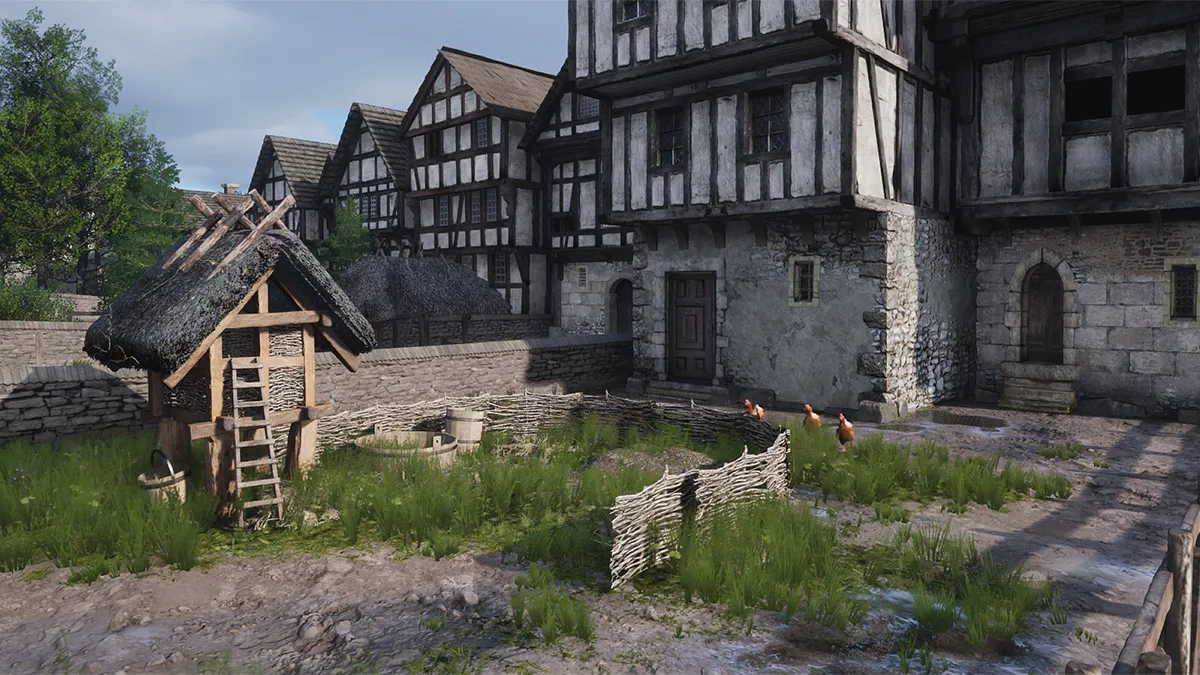
When first embarking on the ambitious task of establishing a nascent settlement in Manor Lords, players are immediately confronted with a fundamental challenge: the initial allocation of five humble families proves starkly insufficient for the monumental undertaking of medieval village-building. This immediate demographic constraint quickly underscores a critical, albeit initially opaque, strategic objective: the urgent need to attract and retain a larger population to sustain and expand the fledgling barony. The mechanics governing this crucial influx of new families are intricate, requiring a nuanced understanding of villager needs and settlement infrastructure, which is not always apparent to the burgeoning lord or lady right from the outset of their reign.
The Demographic Imperative: Foundations of Medieval Expansion
Manor Lords, a critically acclaimed real-time strategy and city-building game set in the gritty realism of 14th-century Franconia, thrusts players into the challenging role of a medieval lord tasked with transforming a wilderness into a prosperous dominion. The game’s design meticulously emphasizes authenticity, from its resource management systems to its intricate battle mechanics. Central to this immersive experience, and indeed to any success within the game, is the management of its human capital – the families that form the backbone of the settlement. Without a steadily growing population, even the most strategically placed resources or fertile lands remain untapped, leaving the barony vulnerable to stagnation, economic collapse, and external threats.
The initial five families are merely a seed, capable of performing only the most basic tasks such as gathering raw materials, constructing rudimentary shelters, and perhaps tending to the most immediate food needs. However, the vision of a thriving medieval settlement—one boasting a robust economy, specialized industries, and a formidable defense—necessitates a far greater workforce. This demographic imperative is not merely an abstract game mechanic; it reflects the historical realities of medieval expansion, where population growth was directly correlated with agricultural output, craft production, military strength, and ultimately, the prosperity and influence of a region. The challenge, therefore, is not just to build structures, but to create an environment so appealing that it naturally draws new inhabitants, eager to contribute their labor and lives to the lord’s vision.
Core Mechanics: Approval and Living Space – The Pillars of Population Growth
The intricate system governing population growth in Manor Lords is primarily driven by two interconnected and indispensable elements: Approval and Living Space. Understanding and meticulously managing these two factors are paramount for any aspiring ruler aiming to expand their dominion beyond a mere hamlet.
Understanding Approval: The Barometer of Villager Satisfaction
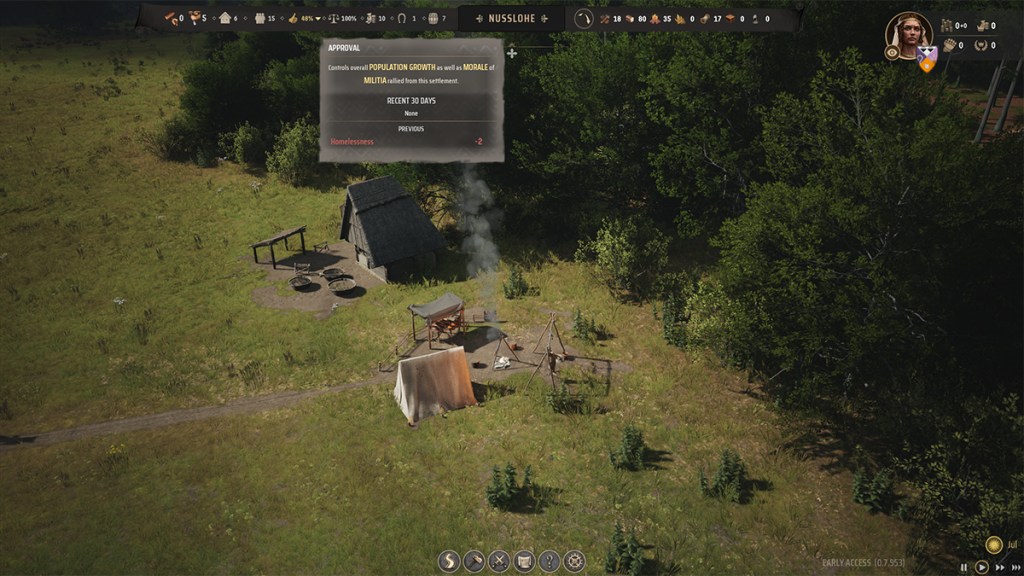
Approval functions as the primary indicator of your villagers’ collective morale, satisfaction with their living conditions, and their overall trust in your leadership. It is visually represented by a prominent bar located at the top-left of the game’s user interface, serving as a constant, critical feedback loop on the state of your settlement. This metric is not merely cosmetic; it directly dictates the influx and retention of families within your territory.
- The Critical Thresholds:
- Below 25% Approval: This is a perilous state for any settlement. At this dangerously low level, villagers will begin to actively abandon your village, seeking "greener pastures" elsewhere. This exodus can quickly spiral into a catastrophic decline, as fewer hands mean less production, further exacerbating resource shortages and decreasing approval, creating a vicious cycle of decay.
- 50% Approval and Above: This marks the minimum viable threshold for growth. Once your settlement achieves an approval rating of 50% or higher, new families will begin to arrive, albeit at a modest pace of one new family per month. This rate is sufficient to maintain slow, steady growth, allowing for gradual expansion of basic infrastructure and workforce.
- 75% Approval and Above: This is the optimal state for rapid demographic expansion. Reaching an approval rating of 75% or greater signifies a highly desirable and well-managed settlement. At this level, the attractiveness of your village doubles, resulting in the arrival of two new families every month. This accelerated growth rate is crucial for rapid industrialization, large-scale agricultural projects, and the establishment of robust trade networks, enabling the transition from a village to a bustling town.
Maintaining a high Approval rating is a continuous balancing act. It reflects not just the absence of grievances but the active presence of well-being, opportunity, and security. Villagers are not static entities; their needs and expectations evolve as the settlement grows, demanding constant attention and adaptation from the ruling lord.
The Role of Living Space: Beyond Just Roofs
While Approval gauges the desirability of your village, Living Space provides the tangible capacity for new families to settle. It’s not enough for villagers to want to live in your settlement; there must be adequate housing for them. This means constructing Burgage Plots, the foundational residential units in Manor Lords.
- Burgage Plots: The Engine of Habitation: These plots are more than simple houses; they represent adaptable residential and small-scale production units that can be upgraded in three distinct levels. Each level not only accommodates more families (or provides space for additional workshops) but also comes with progressively higher amenity and market supply requirements, directly influencing Approval.
- Preventing Homelessness: A critical, often overlooked, aspect of managing living space is the strategic provision of housing. Homelessness in Manor Lords has a profoundly negative impact on Approval, signaling a failure in the lord’s basic duty of care. To mitigate this, experienced players often recommend building more Burgage Plots than immediately necessary. This proactive approach ensures that newly arriving families have a home waiting for them upon their arrival, preventing an immediate drop in morale and fostering a sense of security and welcome. This surplus housing acts as a buffer, ensuring continuous growth without the destabilizing effects of housing shortages.
Early Foundations: Cultivating Initial Approval and Sustained Growth
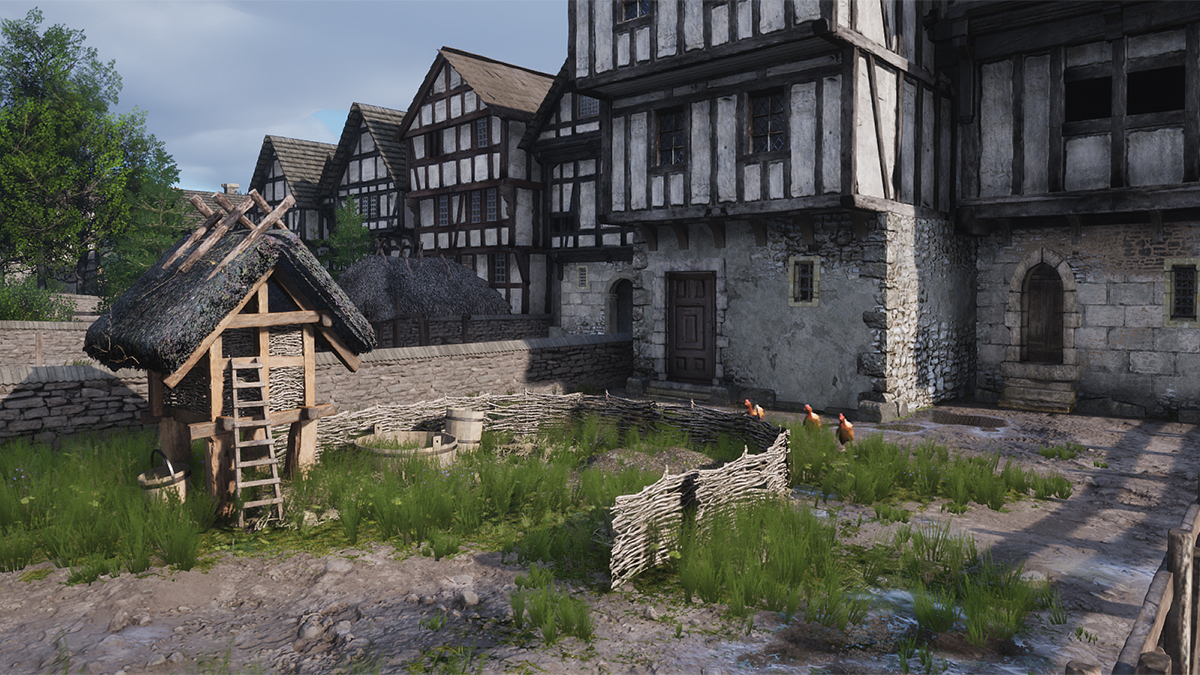
In the nascent stages of a settlement, before complex industries or extensive trade networks can be established, the focus must be on meeting the most fundamental needs of the populace. These early interventions are crucial for establishing a baseline Approval rating and setting the stage for future growth.
Food Security and Variety: The Cornerstone of Contentment
One of the most immediate and impactful ways to boost Approval in the early game is to ensure not just the availability of food, but a variety of food sources. Monotonous diets, even if sufficient in quantity, can lead to discontent.
- Hunting Camps: These are typically among the very first structures a lord will erect. A Hunting Camp provides a steady supply of meat, a high-protein food source that significantly contributes to villager satisfaction. The immediate availability of game meat helps quickly address basic hunger needs.
- Forager Huts: Complementing the Hunting Camp, a Forager Hut allows villagers to gather berries and mushrooms from the surrounding wilderness. This introduces crucial dietary diversity, which is explicitly recognized by the villagers and contributes positively to the Approval rating. The combination of meat and berries/mushrooms provides a rudimentary but effective varied diet, crucial for early game morale.
- Transition to Agriculture: As the population grows, relying solely on hunting and foraging becomes unsustainable. The next logical step involves establishing farms for grain and vegetable crops, and eventually pastures for animal husbandry. The transition from basic foraging to structured agriculture represents a significant leap in food security and variety, capable of supporting a much larger and more stable population. Each new food type (bread, vegetables, eggs, etc.) further enhances Approval and contributes to the overall well-being of the villagers.
Providing Shelter: The Burgage Plot System in Detail
Beyond mere sustenance, a secure and comfortable home is a fundamental human need. The Burgage Plot system in Manor Lords is designed to reflect this, offering tiered housing options that directly influence villager satisfaction and, by extension, Approval.
- Basic Construction: The initial construction of Burgage Plots provides essential shelter, immediately removing the negative impact of homelessness and offering a foundational boost to Approval. These early plots are simple, requiring basic timber and often serving as combined living and working spaces for the families.
- Preventing Homelessness through Proactive Building: As previously noted, the negative impact of homelessness on Approval is severe. A strategic approach involves anticipating population growth and constructing a slight surplus of Burgage Plots. This ensures that new families arriving in the village immediately find a place to settle, reinforcing the positive perception of the settlement and preventing any dip in morale that could deter future immigrants. This "housing buffer" is a hallmark of efficient early-game management.
- Upgrading Burgage Plots: The Amenity Ladder: Burgage Plots are not static; they can be upgraded through three distinct levels, each requiring specific amenities and market access. This tiered system encourages players to continuously invest in their settlement’s infrastructure and services, driving both population growth and economic specialization.
The Amenity Ladder: Elevating Living Standards and Approval
As a settlement progresses from a humble hamlet to a bustling village, the expectations of its inhabitants naturally rise. This necessitates the provision of a broader range of services and amenities, directly impacting the Approval rating and unlocking higher tiers of Burgage Plots.
Essential Amenities for Level 1 Burgage Plots:
- Wells: Access to clean water is a foundational requirement for any human settlement. Building a well in close proximity to Burgage Plots is not just about convenience; it signifies improved hygiene, a reduced risk of disease, and provides a critical resource for firefighting. Its presence is a non-negotiable requirement for upgrading to Level 1 Burgage Plots and provides a significant boost to villager morale and health.
- Churches: Spiritual well-being and community cohesion were vital aspects of medieval life. The construction of a church serves as a central point for religious observance and community gathering. Its presence satisfies the spiritual needs of the villagers, providing a substantial and sustained boost to Approval, reflecting a well-rounded and caring leadership.
- Market Stalls (Inferred): While not explicitly listed as a building, the concept of market supply is crucial. Early game Burgage Plots will require access to a marketplace where basic goods like food and fuel are readily available. The efficient functioning of a marketplace, where villagers can easily acquire necessities, contributes significantly to their overall satisfaction and convenience, thus bolstering Approval.
Advanced Amenities for Higher-Level Burgage Plots (Inferred from game progression):
As the village expands and higher-level Burgage Plots become achievable, the amenity requirements become more sophisticated, reflecting a growing and more demanding populace. These typically include:
- Taverns: The provision of ale, a common medieval beverage, is a powerful driver of happiness and social interaction. A thriving tavern becomes a community hub, boosting morale and significantly contributing to Approval. The ability to produce and distribute ale (often requiring barley farming and malt production) signals a more advanced economy and a lord committed to the social well-being of their subjects.
- Clothing and Tools: As the economy matures, villagers will expect access to more than just food and shelter. Market stalls offering clothing (made from flax or wool) and tools (for various professions) become necessary for maintaining high Approval. These represent an increase in living standards and the availability of specialized goods.
- Specialized Services: In later stages, advanced amenities might include bakeries, tailor’s shops, and other craft-based market stalls, further diversifying the economy and providing higher-quality goods and services that elevate the villagers’ quality of life and consequently, their Approval.
The amenity ladder represents a continuous cycle of investment and reward. Meeting the basic needs unlocks initial growth, which in turn creates the capacity and demand for more advanced amenities, leading to further growth and prosperity.
Chronology of Demographic Expansion: A Village’s Lifecycle
The journey from a desolate starting point to a bustling town in Manor Lords is a chronological progression, marked by distinct phases of demographic growth and developmental priorities.
Phase 1: The Hamlet’s Genesis (Months 1-12)
The initial year is characterized by a struggle for survival and the establishment of basic infrastructure. The primary goal is to quickly achieve and maintain at least 50% Approval. This involves:
- Immediate Resource Gathering: Prioritizing woodcutting and basic foraging.
- First Homes: Constructing the initial Burgage Plots to house existing families and any early arrivals.
- Food Security: Establishing a Hunting Camp and a Forager Hut to ensure a varied diet.
- Essential Amenities: Building the first well and a church to meet Level 1 Burgage Plot requirements.
- Strategic Over-provisioning: Building a few extra Burgage Plots to accommodate the anticipated "one family per month" influx.
Phase 2: The Village’s Ascent (Months 13-36)
With a stable base, the focus shifts to diversifying the economy and accelerating population growth towards the 75% Approval threshold.
- Agricultural Expansion: Establishing farms for grain, flax, or vegetables to move beyond subsistence foraging.
- Livestock Introduction: Acquiring sheep or cattle for wool, meat, and hides.
- Advanced Amenities: Building a Tavern and initiating ale production, upgrading existing Burgage Plots to Level 2.
- Specialized Production: Setting up basic workshops within Burgage Plots (e.g., tailor, tanner) to produce goods for local consumption and trade.
- Infrastructure: Expanding roads, establishing a marketplace, and potentially building defensive structures if threats emerge.
- Continuous Housing: Maintaining a constant readiness for new arrivals by building Burgage Plots in anticipation.
Phase 3: Town Consolidation (Beyond Month 36)
Once a significant population is established, the challenges evolve from mere growth to sustainable management, efficiency, and defense.
- Industrialization: Establishing mines for iron ore and clay, sawmills for timber processing, and advanced workshops for tools and weapons.
- Trade Routes: Developing robust trade networks to export surplus goods and import necessary raw materials.
- Advanced Urban Planning: Optimizing settlement layout for efficiency, aesthetics, and defense.
- Militia and Defense: Utilizing the larger population to raise and equip a formidable militia, crucial for defending against banditry or rival lords.
- Policy and Governance: Implementing policies (as they become available in the game) to further boost specific aspects of the economy or villager morale.
- Crisis Management: Effectively responding to unexpected events such as disease outbreaks, famines, bandit raids, or harsh winters, which can significantly impact Approval and population numbers. A well-managed town can absorb these shocks more effectively.
The Economic and Social Tapestry: Implications of Population Dynamics
The continuous growth of a village’s population in Manor Lords has far-reaching implications, weaving a complex tapestry of economic opportunity, social evolution, and strategic power.
- Labor Force Expansion: This is perhaps the most direct and crucial impact. More families mean a larger pool of available labor. This increased workforce can be allocated to diverse tasks: expanding agricultural fields, manning new workshops, extracting more resources from mines and forests, and eventually, forming the backbone of your military. Without sufficient labor, even abundant resources remain untouched, and ambitious projects stall. A thriving population is the engine of all economic activity.
- Resource Management and Demand: As the population grows, so does the demand for all resources. Food consumption increases exponentially, requiring more efficient farming and diversified production. The need for fuel (firewood, charcoal), clothing, tools, and construction materials also escalates. This necessitates a sophisticated supply chain and robust production infrastructure, pushing players to continuously optimize their resource management strategies.
- Trade and Commerce: A larger, more specialized population enables the production of surplus goods. This surplus can then be traded with neighboring regions, generating regional wealth and influence. Establishing efficient trade routes for both import of raw materials and export of finished products becomes vital for economic prosperity and for acquiring resources not locally available. The population itself becomes a market for locally produced goods, creating a self-sustaining internal economy.
- Social Stratification and Specialization: As a settlement grows, it moves beyond a collection of general laborers. Families begin to specialize: some become farmers, others artisans (blacksmiths, tanners, tailors), and still others merchants or soldiers. This division of labor leads to increased efficiency and the emergence of a more complex social hierarchy, enriching the immersive experience of managing a medieval society.
- Defense Capabilities: In the often-perilous world of Manor Lords, military strength is paramount. A larger population directly translates to a greater pool of potential militia members. The ability to field a well-equipped and numerous fighting force is crucial for defending against bandit incursions, rival lords, and asserting regional dominance. Without a strong demographic base, military endeavors are severely constrained.
Strategic Insights and Developer Philosophy
While Manor Lords does not feature explicit "developer statements" within the game itself, the design philosophy behind its population mechanics is evident: to foster organic, player-driven growth that feels authentic to the medieval period. The game encourages players to think holistically about their settlement, understanding that every structure and policy decision has a ripple effect on the villagers’ well-being and, consequently, on demographic expansion.
The Manor Lords community, through early access feedback and shared experiences, has solidified several key strategic insights:
- Early Game Focus: Prioritize food variety and basic housing immediately. Neglecting these early can lead to irreversible stagnation.
- Proactive Planning: Always build housing and anticipate resource needs ahead of population growth. Reacting to shortages is often too late.
- Balanced Growth: Avoid over-specializing too early. A diverse economy and well-rounded amenities are key to sustained high Approval.
- Adaptability: The medieval world is harsh. Players must be prepared to adapt to unforeseen challenges (bad harvests, bandit raids) that can negatively impact Approval and find creative solutions to mitigate their effects.
Conclusion: The Enduring Quest for a Thriving Populace
The journey from a humble gathering of five families to a bustling, self-sufficient medieval town in Manor Lords is a testament to the player’s strategic acumen and empathetic leadership. At its heart, this progression is a continuous quest for a thriving populace. The interconnected mechanics of Approval and Living Space serve as the fundamental levers for this growth, demanding a nuanced understanding of villager needs, economic dependencies, and strategic foresight.
The early stages of food security and basic shelter lay the groundwork, while the subsequent investment in amenities and specialized industries drives the expansion to new heights. As more families choose to make your settlement their home, the economic, social, and strategic possibilities multiply, transforming a barren landscape into a vibrant hub of medieval life. However, this growth is never a passive process; it requires constant vigilance, adaptation, and a deep appreciation for the complex interplay between resources, infrastructure, and human satisfaction. Ultimately, the reward is not just a high population count, but the sight of a genuinely prosperous, resilient, and enduring medieval dominion, singing with the lively tunes of contented villagers—and dutifully paying their taxes.