

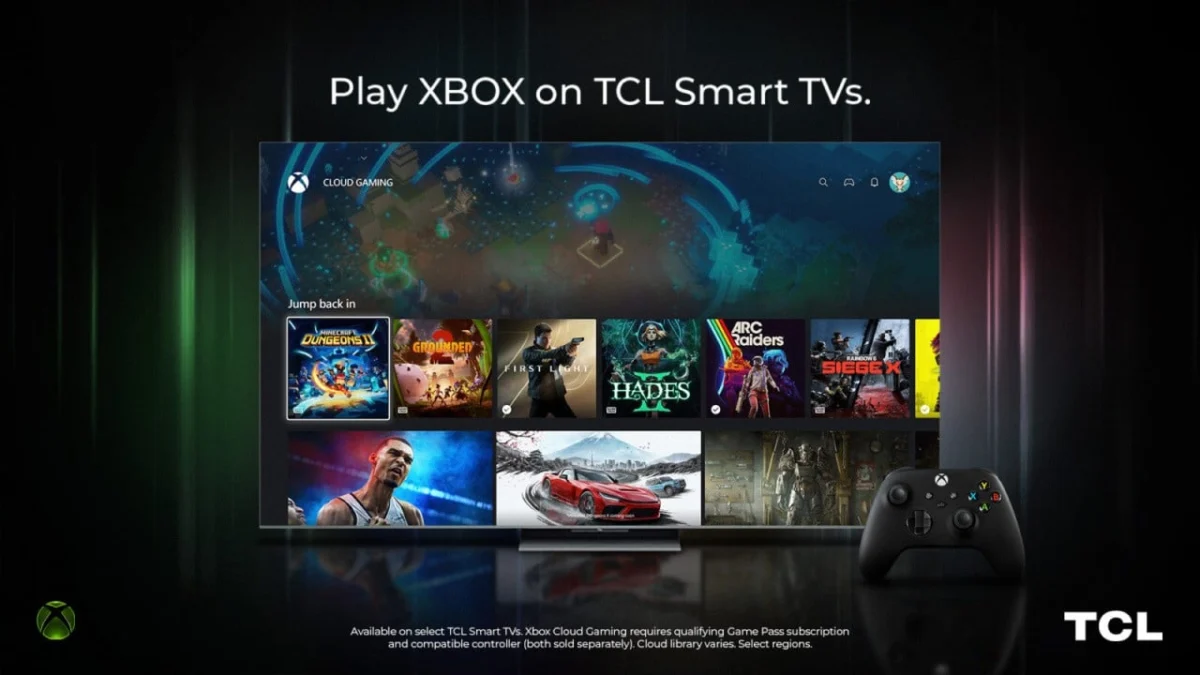
The expansion into the TCL ecosystem marks another milestone in Microsoft’s strategy to decouple the Xbox experience from dedicated hardware. By integrating the Xbox app directly into smart TV interfaces—a journey that began with Samsung in 2022 and recently expanded to Amazon Fire TV devices—Microsoft aims to lower the barrier to entry for casual gamers. Yet, the juxtaposition of hardware expansion with service restrictions has created a narrative of "one step forward, two steps back" among the brand’s most vocal supporters.
The TCL Partnership and Hardware Accessibility
The integration of the Xbox app into TCL Smart TVs represents a strategic victory for Microsoft’s cloud ambitions. TCL currently ranks as one of the world’s largest television manufacturers by volume, holding a significant market share in North America, Europe, and Asia. By bringing the Xbox app to this platform, Microsoft is targeting a demographic that may be interested in gaming but is unwilling to invest $300 to $500 in a Series X or Series S console.
Under the new partnership, select TCL models—likely those running on Google TV or Android TV operating systems—will receive a native Xbox app. Users will be able to sign in with their Microsoft accounts, sync a Bluetooth-enabled controller (such as the standard Xbox Wireless Controller, DualSense, or various third-party options), and stream games directly from Azure-powered servers. This development aligns with Microsoft’s long-stated goal of reaching three billion gamers worldwide, many of whom reside in markets where traditional console gaming is less prevalent than mobile or smart TV-based entertainment.
A Controversial Chronology: The Timing of the Announcement
The primary reason for the "awkward" reception of the TCL news is the immediate proximity to Microsoft’s announcement regarding "cloud playtime" limits. On the day preceding the TCL reveal, reports surfaced that Microsoft would be instituting a cap on the number of hours Game Pass Ultimate subscribers could stream games via the cloud each month. While the exact figures are subject to regional variation, the standard limit is expected to be approximately 30 hours per month, with the option to purchase additional "playtime blocks" or wait until the next billing cycle for a reset.
This policy shift represents a fundamental change in the value proposition of Xbox Game Pass Ultimate. Previously marketed as an all-you-can-play service, the introduction of a metered usage model has drawn sharp criticism. When the TCL announcement followed shortly thereafter, social media platforms were flooded with reactions from users who noted the irony of expanding the service to more screens while simultaneously restricting how much those screens can be used.
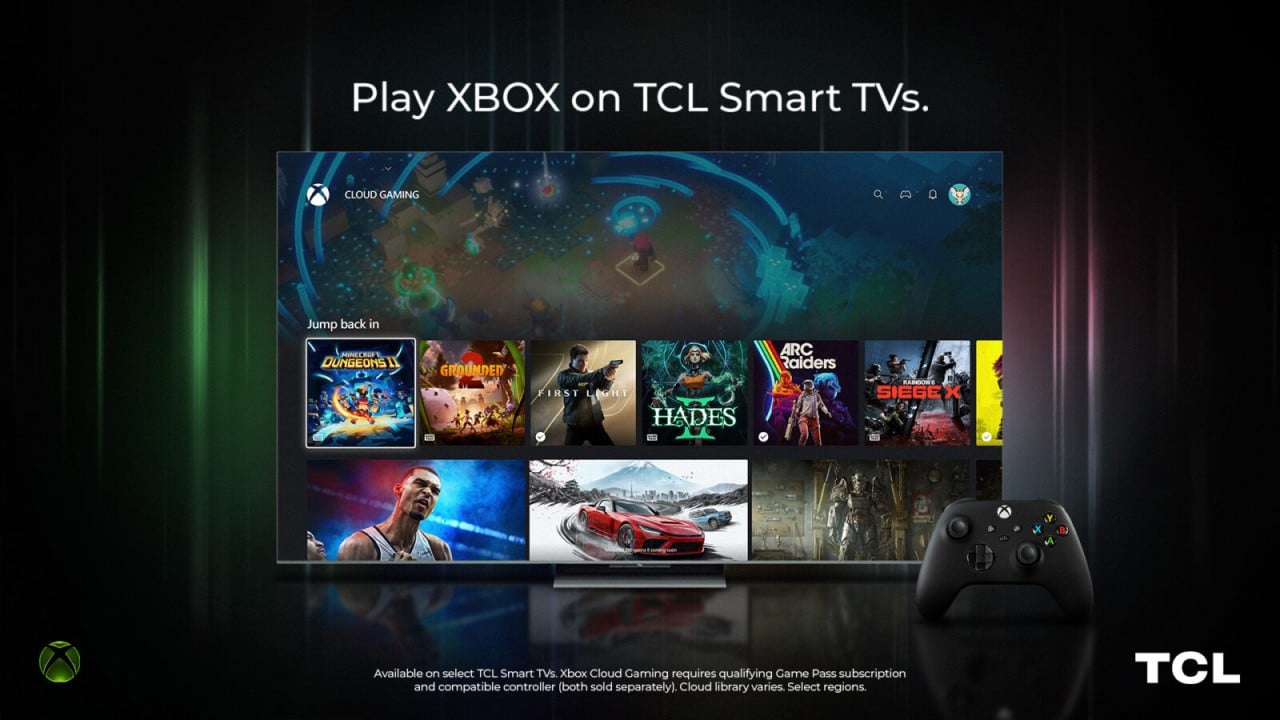
Industry analysts suggest that the timing was likely a result of pre-scheduled marketing beats for the TCL partnership clashing with the internal rollout of the new service terms. Nevertheless, the optics have forced Microsoft into a defensive position, as the company must now convince new TCL users that a metered service is still worth the investment.
The Shift Toward a "Pay-as-You-Go" and "BYOG" Model
Embedded within the TCL announcement was a subtle but critical shift in terminology. Microsoft’s promotional materials now frequently reference "cloud playtime," stating that users will need "cloud playtime included with Xbox Game Pass or sold separately" to access the service. This confirms that Microsoft is moving toward a more granular monetization strategy for cloud infrastructure.
Starting in November, Microsoft is expected to launch its "Bring Your Own Game" (BYOG) initiative. This will allow users to stream select games they already own in their digital library, even if those games are not currently part of the Game Pass subscription catalog. While this is a feature fans have requested since the inception of Project xCloud in 2019, it now appears to be tied to the "playtime" ecosystem. Users who do not subscribe to Game Pass may be able to purchase standalone cloud streaming hours to play their purchased titles on their TCL TVs, effectively turning Xbox Cloud Gaming into a pay-as-you-go utility.
Technical Data and the Economic Reality of Cloud Gaming
The decision to limit playtime and expand to more devices simultaneously is rooted in the high operational costs of cloud infrastructure. Unlike traditional digital storefronts, cloud gaming requires dedicated server blades—in this case, custom Xbox Series X hardware—running in Azure data centers for every single active session.
Supporting data suggests that the costs of electricity, hardware maintenance, and data egress for cloud gaming are significantly higher than those of standard downloads. By expanding to TCL TVs, Microsoft increases its potential user base, but it also increases the strain on its server clusters. The 30-hour cap is viewed by experts as a "load-balancing" measure designed to ensure that the heaviest users do not monopolize server availability, which would lead to long queue times for the casual audience Microsoft is courting through TV partnerships.
Furthermore, Microsoft has been testing an ad-supported tier for cloud gaming in select markets. This tier would theoretically allow users to earn "playtime" by watching advertisements, providing a free entry point for users on TCL TVs who are not ready to commit to a monthly subscription. Although not mentioned in the latest TCL press release, the infrastructure for this model is reportedly being finalized to coincide with the November service changes.

Official Responses and Player Feedback
In response to the initial backlash regarding the playtime limits, Microsoft spokespeople have emphasized the company’s commitment to the user experience. A representative stated that the company would "listen closely to player feedback before and after the change takes effect and share any adjustments we make." This suggests that the 30-hour limit may not be set in stone and could be adjusted based on average user data.
Internal telemetry likely shows that the vast majority of Game Pass subscribers do not exceed 30 hours of cloud-specific play per month, as many still prefer downloading games to their consoles or PCs for better performance. However, for the "cloud-only" audience—the very people the TCL partnership is designed to attract—a 30-hour limit could be reached in a little over a week of moderate gaming, presenting a significant hurdle for retention.
Broader Implications for the Gaming Industry
The evolution of Xbox Cloud Gaming serves as a bellwether for the broader industry. As Sony expands its cloud streaming capabilities for PlayStation Plus Premium and Nvidia continues to dominate the high-end market with GeForce Now, the industry is grappling with how to make cloud gaming profitable. Nvidia already utilizes a tiered system with time limits on its free version and "priority access" for paying members, a model that Microsoft seems to be gravitating toward.
The partnership with TCL also highlights the ongoing decline of the traditional console cycle’s importance. If a consumer can buy a $400 TCL 4K TV and play Halo Infinite or Forza Horizon 5 with just a controller, the necessity of owning an Xbox Series X diminishes. This "de-platforming" of the software is a bold gamble; Microsoft is essentially betting that service revenue and "playtime" sales will eventually outpace the margins made on console hardware, which is often sold at a loss.
Conclusion: A Pivot Point for Xbox
The expansion of Xbox Cloud Gaming to TCL TVs is a logical progression of Microsoft’s technological vision, yet it arrives at a moment of transition and friction. The introduction of "cloud playtime" as a purchasable commodity signals the end of the experimental, "unlimited" era of xCloud and the beginning of a more structured, commercially driven utility model.
As November approaches, the gaming community will be watching closely to see how the "Bring Your Own Game" feature and the playtime limits are integrated. For TCL owners, the arrival of the Xbox app is a feature-rich upgrade to their hardware. For the broader Xbox ecosystem, it is a reminder that the future of gaming is increasingly untethered from the living room console—but that this freedom may come with a new set of digital boundaries. Microsoft’s ability to balance the expansion of its footprint with the sustainability of its infrastructure will ultimately determine if the "Xbox Everywhere" strategy is a victory for consumers or a cautionary tale of subscription fatigue.