


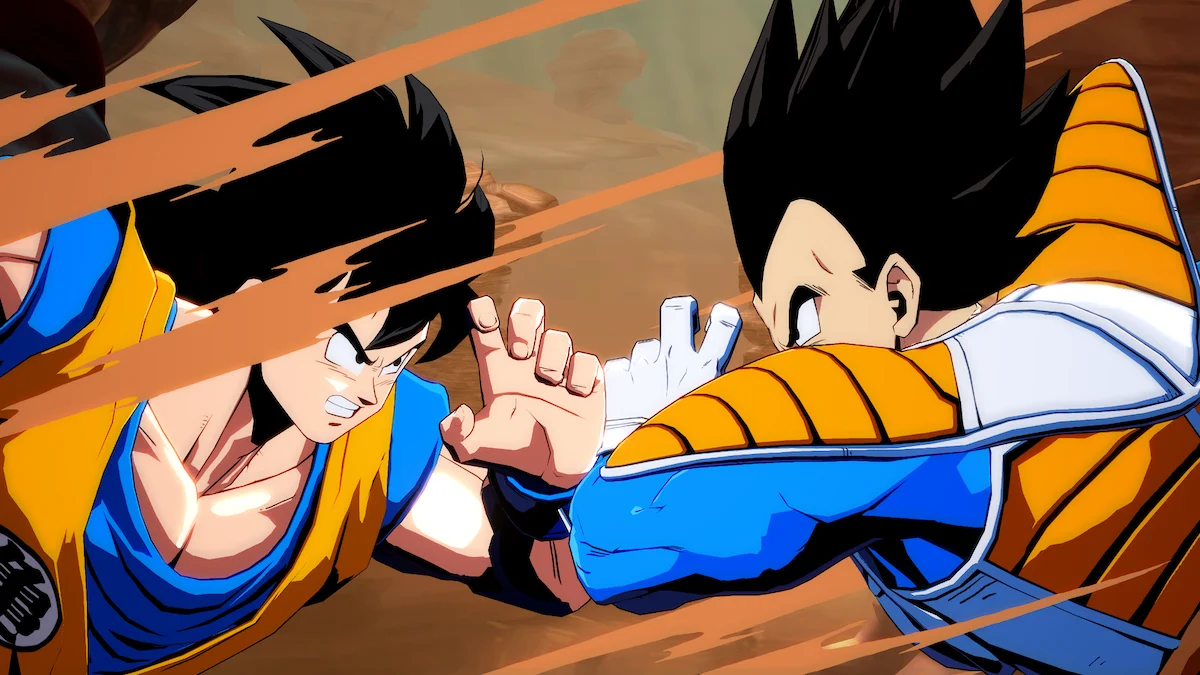
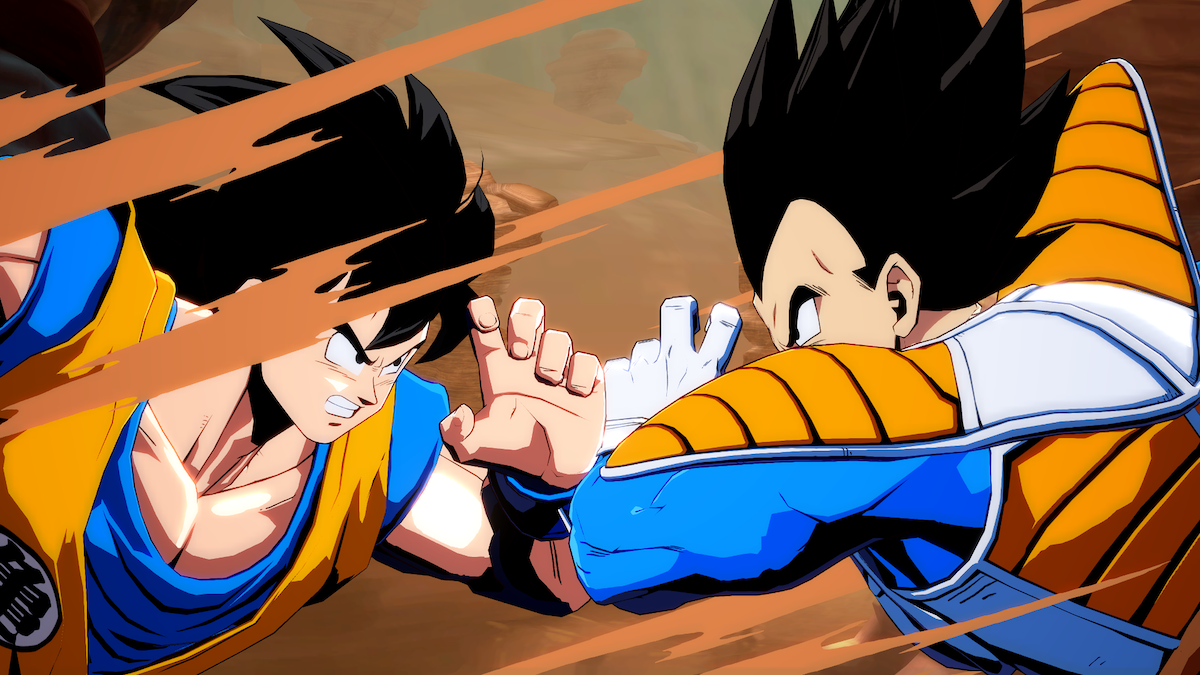
Dragon Ball FighterZ, the critically acclaimed fighting game developed by Arc System Works, has become the subject of widespread discussion among Xbox gamers, as an apparent loophole is allowing active Xbox Game Pass subscribers to acquire the title permanently, including its optimized Xbox Series X|S version, without purchase. This unexpected development, emerging during a standard "Free Play Days" promotional period, has sparked a mix of excitement, skepticism, and anticipation regarding its implications for both players and the platform holder, Microsoft.
The Genesis of a Digital Anomaly: How the Exploit Works
The core mechanism of this digital acquisition method is remarkably straightforward, leveraging the confluence of Xbox Game Pass, the Free Play Days program, and the console’s cross-generational upgrade pathways. Active subscribers to Xbox Game Pass (specifically those with Game Pass Ultimate or Core, which typically include Free Play Days benefits) are eligible to download and play the Xbox One version of Dragon Ball FighterZ at no additional cost for a limited duration. This is a standard feature of the Free Play Days initiative, designed to offer a temporary trial to encourage full purchase.
However, the loophole manifests once the Xbox One version of the game is launched. Upon entering the game’s menu, players are presented with an option to "upgrade" to the Xbox Series X|S optimized version. This upgrade prompt is usually a feature for users who already own the Xbox One version and wish to access the enhanced current-generation iteration. In this specific scenario, selecting the upgrade option appears to trigger a permanent entitlement for both the Xbox One and Xbox Series X|S versions of Dragon Ball FighterZ within the player’s owned games library, effectively bypassing the need for a direct purchase or the temporary nature of the Free Play Days access.
This peculiar interaction suggests a potential disconnect in the licensing verification process. Typically, Free Play Days grants a temporary license, which should not confer permanent ownership rights or unlock upgrade paths that are contingent on prior ownership. The system appears to be misinterpreting the temporary Free Play Days access as a form of "ownership" when processing the Series X|S upgrade request, thereby granting a full, perpetual license for both versions.
A Community Discovery: @Wario64 and the Initial Skepticism
The workaround first gained significant traction after being highlighted by Twitter user @Wario64, a widely followed account renowned for tracking and publicizing video game deals and promotions. @Wario64’s post quickly went viral within the gaming community, especially among Xbox users. Given the nature of such "free game" claims, the initial reaction was, understandably, met with a degree of skepticism in the comments section. Some users reported that the loophole did not work for them, suggesting potential regional restrictions, timing sensitivities, or specific account configurations might influence its success. However, subsequent reports from a growing number of players confirmed the exploit’s functionality, leading to its widespread adoption and discussion across various gaming forums and social media platforms. The reputation of @Wario64 for accurate deal reporting also lent significant credibility to the discovery, prompting many to attempt the process themselves.
A Legacy of Excellence: The Impact of Dragon Ball FighterZ
To fully appreciate the significance of this development, it is crucial to understand the standing of Dragon Ball FighterZ within the gaming landscape. Released in January 2018, the game was a collaborative masterpiece between Arc System Works, celebrated for its intricate and visually stunning fighting games like Guilty Gear and Blazblue, and Bandai Namco Entertainment, the publisher. It was immediately lauded by critics, achieving impressive scores on aggregators like Metacritic, with its Xbox One version boasting an average score in the high 80s. Reviewers praised its faithful adaptation of Akira Toriyama’s iconic Dragon Ball art style, its accessible yet deep combat mechanics, and its vibrant online community.
Commercially, Dragon Ball FighterZ was an unequivocal success. Within its first week, it shipped over two million units worldwide, a remarkable feat for a fighting game. By 2023, sales had surpassed eight million units globally, establishing it as one of the best-selling fighting games of its generation. Its success was not merely financial; it significantly revitalized the fighting game genre, drawing in a new wave of players who might have been intimidated by the genre’s perceived complexity. Its appeal lay in its ability to combine the beloved Dragon Ball universe with Arc System Works’ polished gameplay, creating an experience that resonated with both long-time fighting game enthusiasts and casual fans of the anime. The game’s inclusion in major esports tournaments further cemented its status as a competitive powerhouse, contributing to its enduring relevance years after its initial release.
The Xbox Ecosystem: Game Pass, Free Play Days, and Smart Delivery
The context of Xbox’s digital services is vital for comprehending the technical backdrop of this loophole. Xbox Game Pass, launched in 2017, has been a cornerstone of Microsoft’s gaming strategy. Described as "Netflix for games," it offers subscribers access to a rotating catalog of hundreds of games for a monthly fee. Its immense popularity is underscored by its reported subscriber count, which exceeded 30 million as of early 2023, making it a significant revenue driver and a key differentiator for the Xbox brand. Game Pass Ultimate further enhances the offering by bundling Xbox Live Gold (now Game Pass Core), PC Game Pass, EA Play, and cloud gaming.
The Free Play Days program, typically available to Game Pass Ultimate and Game Pass Core subscribers, is designed as a marketing tool. It allows players to try out select full games for a limited period, usually a weekend, with the intention of encouraging them to purchase the game if they enjoy it. All progress made during Free Play Days often carries over if the game is subsequently bought. This temporary access is clearly distinct from permanent ownership.
Furthermore, Microsoft’s "Smart Delivery" initiative, introduced with the Xbox Series X|S, aimed to simplify cross-generational gaming. It ensures that players who purchase an Xbox One game are automatically granted access to the optimized Xbox Series X|S version when they upgrade their console, without needing to buy the game again. For games not using Smart Delivery, publishers often provide manual upgrade options, which typically require proof of ownership of the base game. The Dragon Ball FighterZ exploit appears to subvert the intended functionality of both Free Play Days and the upgrade entitlement system, treating temporary access as permanent ownership for the purpose of unlocking the Series X|S version.
A Timeline of the Exploit
- January 2018: Dragon Ball FighterZ is initially released for Xbox One, PlayStation 4, and PC, garnering critical acclaim and commercial success.
- Late February 202X (Specific date not provided, but leading up to March 2): Xbox announces Dragon Ball FighterZ as part of its Free Play Days promotion, making the Xbox One version temporarily available to eligible Game Pass subscribers.
- February 28, 202X (Approximate): Twitter user @Wario64 discovers and publicizes the loophole, detailing the steps required to acquire permanent ownership of the game through the Series X|S upgrade option.
- February 28 – March 1, 202X: The workaround gains significant traction across social media and gaming communities, with numerous users confirming its effectiveness, despite initial skepticism.
- March 1, 202X: The exploit remains active and widely utilized, with no official acknowledgment or intervention from Microsoft or Arc System Works.
- March 2, 202X, 11:59 pm PST: The scheduled end time for the Dragon Ball FighterZ Free Play Days promotion. This date is critical as it marks the point after which temporary access will expire, potentially revealing the permanence (or revocation) of the acquired licenses.
The Silence from Redmond and Arc System Works
As of the current reporting, neither Microsoft, the platform holder, nor Arc System Works, the game’s developer, nor Bandai Namco, its publisher, has issued any official statement regarding the Dragon Ball FighterZ loophole. This silence is noteworthy, especially given the widespread attention the exploit has garnered across major gaming news outlets and social media.
Several inferred reasons could explain this lack of immediate response:
- Investigation in Progress: It is highly probable that both Microsoft and Arc System Works/Bandai Namco are actively investigating the technical root cause of the loophole. A thorough investigation is often required before formulating an official response or implementing a fix.
- Strategic Delay: Given that the Free Play Days promotion is set to expire on March 2, 11:59 pm PST, it is conceivable that the involved parties might be waiting until after this deadline before making a public statement. This could be to avoid drawing further attention to the exploit while it is still active or to simplify the post-event cleanup if licenses are to be revoked.
- Unawareness (Less Likely): While possible that the issue initially went unnoticed, the scale of public discussion makes continued unawareness improbable for major entities like Microsoft.
- Deliberation on Course of Action: Deciding how to address such an exploit involves complex considerations, including technical feasibility of a fix, potential public relations fallout from revoking licenses, and the overall impact on user trust and satisfaction. This deliberation process can take time.
Should an official statement eventually emerge, it could take several forms. It might acknowledge the "unintended consequence" of the Free Play Days promotion, explain the technical glitch, and outline the steps being taken. The most crucial aspect of any such statement would be the fate of the licenses acquired through this method.
Broader Implications and Analysis
The Dragon Ball FighterZ loophole presents a multifaceted challenge and offers several insights into the intricacies of digital game distribution:
For Players:
- Immediate Benefit: Thousands, potentially tens of thousands, of Xbox Game Pass subscribers have likely acquired a highly-rated game and its optimized next-gen version for free. This is a significant boon for players, especially those who might not have otherwise purchased the game.
- Uncertainty and Risk: The primary concern for these players is the potential for retroactive revocation of their acquired licenses. If Microsoft or Arc System Works decides to reclaim these "unjustly" obtained copies, players could lose access, leading to frustration and a sense of betrayal, particularly if they had invested time in the game.
- Ethical Considerations: While players are simply interacting with the system as presented, the ethical dimension of exploiting a known flaw is also a silent factor, though most players prioritize the opportunity to gain a free game.
For Microsoft and Xbox Game Pass:
- Reputational Challenge: Revoking licenses could lead to significant negative publicity and erode player trust in the Xbox ecosystem, particularly regarding Game Pass and digital ownership. On the other hand, allowing the exploit to stand could set a precedent or be seen as a weakness in their digital rights management.
- Revenue Impact: Each free copy represents a lost sale for Dragon Ball FighterZ and potentially for other games if similar loopholes exist. While the impact on Microsoft’s overall revenue might be negligible, it affects publisher relations.
- System Review: The incident necessitates a thorough review of the Free Play Days program’s integration with cross-generational upgrade paths and the broader digital entitlement system to prevent similar exploits in the future. This could lead to stricter protocols for future promotions.
For Arc System Works and Bandai Namco:
- Lost Sales: The most direct impact is the loss of revenue from potential sales of Dragon Ball FighterZ. While the game has sold millions, every "free" acquisition is a missed opportunity for further income.
- Increased Player Base (Minor Offset): A larger player base, even if acquired for free, could theoretically lead to increased engagement, which might translate into sales of DLC characters, season passes, or future titles. However, the conversion rate for free players to paid DLC customers is often lower than for those who initially purchased the base game.
- Trust in Platform: The incident might prompt publishers to review their agreements and trust in platform holders’ digital distribution security, potentially leading to more stringent oversight in future promotions.
Broader Industry Impact:
- Digital Rights Management (DRM) Scrutiny: This event highlights the inherent complexities and potential vulnerabilities within modern digital rights management and licensing systems. As games become increasingly digital, ensuring robust and foolproof entitlement management is paramount.
- Cross-Generational Complexity: The transition between console generations, especially with features like Smart Delivery and manual upgrades, creates intricate pathways that can be prone to oversights. This incident underscores the need for meticulous testing of all licensing scenarios.
- The "Free" Economy: The allure of free games, whether through subscription services, promotions, or exploits, continues to shape player behavior and industry strategies. This event serves as a stark reminder of the delicate balance between offering value and protecting intellectual property.
The Road Ahead: Awaiting Clarity
As the clock ticks towards the conclusion of the Dragon Ball FighterZ Free Play Days promotion on March 2 at 11:59 pm PST, the gaming community remains in suspense. The end of this temporary access period will likely be the catalyst for definitive answers. Will Microsoft and Arc System Works take swift action to revoke the licenses acquired through this unintended loophole, risking player backlash? Or will they, perhaps, quietly allow the situation to stand, treating it as an unexpected, albeit costly, promotional giveaway?
The lack of official communication thus far leaves a significant void, fueling speculation and maintaining a state of uncertainty for the players who have benefited from the exploit. Regardless of the eventual outcome, this episode serves as a compelling case study in the ever-evolving landscape of digital game distribution, underscoring the delicate interplay between platform functionality, promotional strategies, and player expectations. The resolution of this Dragon Ball FighterZ saga will undoubtedly offer valuable lessons for the entire gaming industry.