


The Evolution of a Competitive Cult Classic
The original Speedrunners first entered Steam Early Access in 2013 before its full release in 2016. It was praised for its simplicity and high skill ceiling, eventually moving millions of units across PC, Xbox One, PlayStation 4, and Nintendo Switch. The premise was deceptively simple: four players race through a looping 2D obstacle course, using grappling hooks and power-ups to maintain momentum. The objective is to outpace opponents until they fall off the edge of the screen.

In Speedrunners 2: King of Speed, the developers have sought to amplify this "trolling-centric" competitive loop. The most significant technical leap is the move from four-player to eight-player matches. This doubling of the player count necessitates larger, more complex map designs and a more robust networking infrastructure to handle the increased chaos of eight simultaneous grappling hooks and power-up deployments.
Core Gameplay Mechanics and the "Ring of Fire"
At its heart, the sequel retains the "sublime and layered" platforming of its predecessor. The movement set includes jumping, sliding, wall-bouncing, and the signature grappling mechanic. Success in the game is dictated by a player’s ability to maintain "flow"—the preservation of kinetic energy through precise environmental interactions.

The "Ring of Fire" mechanic remains the primary tool for concluding matches. Once the first player in a heat is eliminated, the screen’s borders begin to contract, glowing with a lethal orange hue. This shrinking play space forces the remaining contestants into closer proximity, heightening the tension and making every mistake potentially fatal. The sequel introduces new power-ups to this ecosystem, such as a multi-shot blaster, which joins returning favorites like the freeze-ray and the fireball. These items serve as equalizers, allowing trailing players to pull leaders back into the fray or disrupt a rival’s movement path.
Chronology of Development and Release
The journey to the release of Speedrunners 2: King of Speed has been one of long-term anticipation. Following the 2016 launch of the original, DoubleDutch Games focused on community-driven content, facilitating thousands of user-created maps through the Steam Workshop.

- 2013–2016: The original Speedrunners gains a massive following during its protracted Early Access period.
- 2017–2022: Continued support through DLC characters and community map spotlights.
- 2023: Initial rumors of a sequel begin to circulate following job postings at tinyBuild.
- 2025: Official announcement of Speedrunners 2: King of Speed, promising 4K visuals and expanded player counts.
- September 2026: The game launches across PC and current-generation consoles.
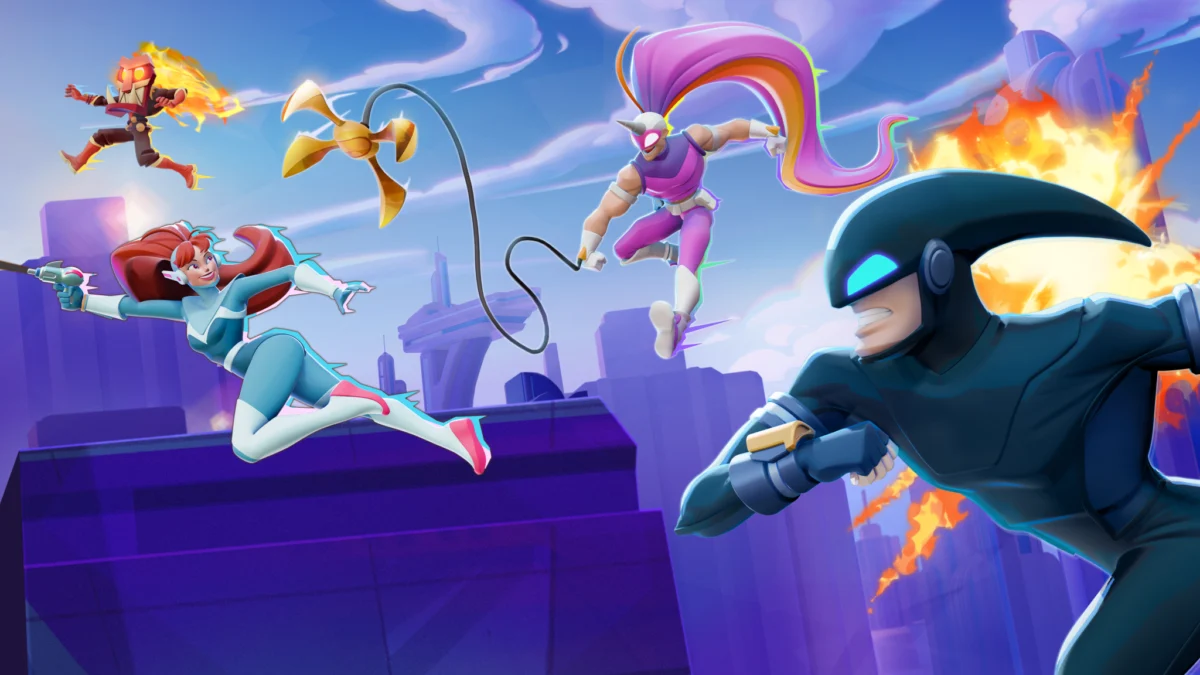
The sequel’s aesthetic shift is one of its most immediate upgrades. Moving away from the somewhat simplistic, comic-book style of the original, the new title features more detailed environments, fluid animations, and enhanced lighting effects, all while attempting to maintain the visual clarity required for high-speed competition.
Expanded Game Modes and the "Rush City" Campaign
In an effort to appeal to solo players, the developers introduced a single-player campaign centered on the fictional "Rush City." This mode follows a cast of superhero-themed runners as they navigate various districts to thwart a vague metropolitan threat. The campaign serves as an extended tutorial, introducing players to the nuances of each power-up and environmental hazard. It also features large-scale boss encounters that require the strategic use of items rather than pure racing speed.

Beyond the campaign, Speedrunners 2: King of Speed offers several new multiplayer modes designed to vary the traditional racing formula:
- Token Hunt Rally: In this mode, the "Ring of Fire" is removed in favor of a collection-based objective. Players must gather tokens scattered throughout the map and hold them until a timer expires. Taking damage or hitting obstacles causes players to drop their tokens, leading to a more defensive style of play.
- Lap Race: A traditional racing format where the screen-elimination mechanic is disabled. Players compete to complete three laps of a circuit, emphasizing consistency and optimal pathing over aggressive disruption.
- Skyfall Rush: A high-intensity variant of the classic mode that introduces randomized environmental hazards, intended to challenge veteran players who have memorized map layouts.
Technical Data and Connectivity Analysis
Despite the expanded scope, early reviews and technical reports have highlighted significant friction points within the user experience. A recurring criticism involves the game’s lobby system. In its current launch state, custom lobbies lack the ability to change game modes dynamically. If a group of players wishes to switch from "Classic" mode to "Lap Race," the host must disband the lobby, reform it with the new settings, and re-invite all participants. Analysts suggest this is a significant oversight for a title marketed as a "party game," where quick transitions between modes are essential for maintaining engagement.

Furthermore, connectivity issues have been documented during the launch window. Players on both Xbox Series X and PC have reported frequent lobby crashes and synchronization errors, particularly when attempting to fill the new eight-player slots. While tinyBuild has historically been proactive with post-launch patching, these initial stability problems have impacted the game’s early adoption rates.
Supporting Data: The Value Proposition
The original Speedrunners was often praised for its price-to-performance ratio, frequently appearing in digital sales for under £5 ($5). This low barrier to entry was instrumental in building its player base. Speedrunners 2: King of Speed enters the market at a higher price point, justified by its "AA" production values and expanded content.

However, industry data suggests that "more" content does not always equate to "better" for the core audience. The inclusion of an XP system and unlockable character skins follows modern "Live Service" trends, but some critics have noted that these systems feel disconnected from the gameplay loop. The XP gains currently offer little more than cosmetic progression, which some purists argue distracts from the skill-based purity of the original.
Industry Reactions and Official Responses
While the developers at DoubleDutch Games have not yet released a comprehensive roadmap for the sequel, representatives have acknowledged the feedback regarding the lobby UI and connectivity issues. In a brief statement via social media, the team indicated that they are "closely monitoring server stability and evaluating UI improvements based on community reports."

Market analysts have noted that Speedrunners 2: King of Speed is a litmus test for the "indie sequel" strategy. "The challenge for titles like Speedrunners 2 is balancing the simplicity that made the original a hit with the expectations of a modern $30 to $40 game," says gaming industry analyst Sarah Miller. "Adding a campaign and an XP system is the standard industry response to the ‘more of the same’ criticism, but in the competitive platforming space, players are often more interested in netcode stability and map variety than narrative."
Broader Impact and Implications
The release of Speedrunners 2: King of Speed comes at a time when the "party game" genre is increasingly crowded by titles like Fall Guys and various "battle royale" platformers. By sticking to its 2D, side-scrolling roots, Speedrunners 2 maintains a unique niche, but it now faces the pressure of sustaining a larger, more demanding player base.

The success of the sequel will likely depend on three factors:
- Technical Polish: Resolving the lobby and connectivity bugs is paramount for retaining the "party" audience.
- Community Tools: The original thrived on user-generated content. If the sequel can successfully integrate a 2D map editor for its more complex, eight-player environments, it could secure another decade of relevance.
- Content Refinement: Players have expressed a preference for the "Classic" mode over new additions like Token Hunt Rally. The developers may need to pivot toward refining the core competitive experience rather than expanding into experimental modes.
In conclusion, Speedrunners 2: King of Speed is a robust, if occasionally cluttered, sequel. It successfully preserves the "brilliant" core that made its predecessor a staple of competitive gaming while struggling to integrate its newer, more ambitious features. For fans of the original, the eight-player chaos and visual upgrades offer a compelling reason to return to Rush City, provided they can navigate the current technical hurdles of the lobby system. As the title matures through post-launch updates, it remains to be seen whether it will eclipse the legacy of the original or remain a prettier, but more fragmented, alternative.