


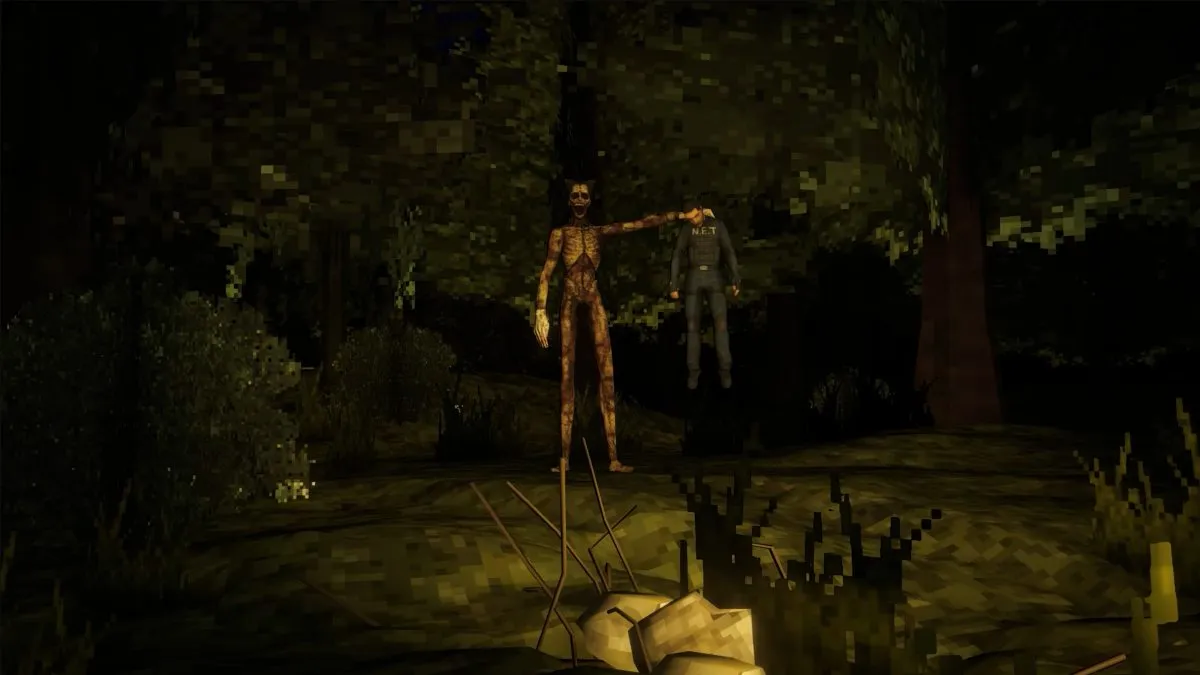
The eerie hum of the late-night convenience store is no longer just the backdrop to a mundane shift. For those working at the establishment featured in "Shift at Midnight," a new and terrifying reality has unfolded: the constant threat of doppelgangers and monstrous entities. This survival horror experience plunges players into a world where the line between human and horror blurs, demanding vigilance, sharp observation, and a willingness to confront the unnatural. Understanding the mechanics of identifying and neutralizing these threats is paramount to survival, as failure to do so can lead to escalating dangers and the emergence of far more sinister beings.
The core premise of "Shift at Midnight" revolves around a seemingly ordinary job that quickly devolves into a battle for survival against doppelgangers, entities that mimic human appearance but harbor malevolent intentions. These imposters attempt to infiltrate the workplace, and their successful infiltration can have dire consequences, not only for the player but for the very fabric of reality within the game’s world.
The Unsettling Art of Doppelganger Detection
Identifying a doppelganger is the first line of defense. While some imposters are overtly bizarre, like a "well-mannered bear or a naked man rolling between the aisles," the majority employ a more insidious form of deception. Players are tasked with scrutinizing every customer, looking for subtle discrepancies that betray their true nature.
Key indicators of a doppelganger include:
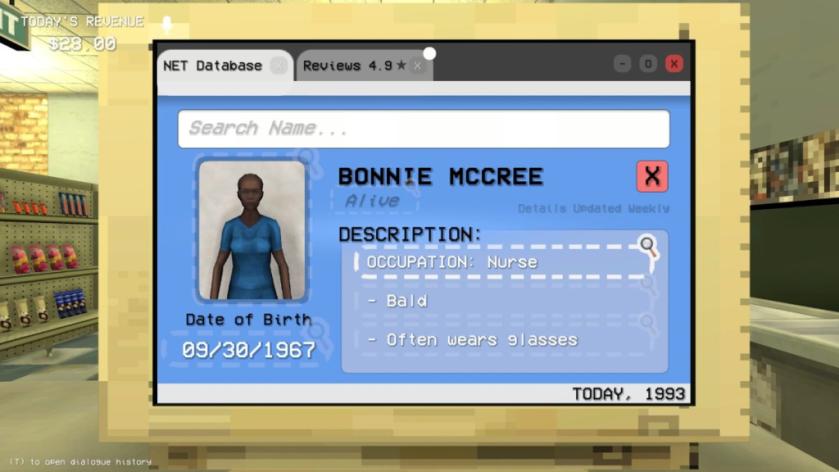
- Discrepancies in Identification: The most crucial aspect of identification is the examination of presented identification. Players must meticulously check for inconsistencies between the individual’s appearance and the details on their ID. This includes, but is not limited to, verifying the customer’s skin tone against their identification photo, ensuring the provided date of birth and occupation align with known information, and crucially, confirming the ID’s legitimacy by checking for a barcode or running it through the in-game computer system. The game explicitly mentions the use of passports or driving licenses as verification tools, highlighting the importance of proper documentation.
- Subtle Physical Anomalies: Drawing parallels to other games in the genre, such as "That’s Not My Neighbor," "Shift at Midnight" introduces subtle visual cues. These can range from a scar appearing on the wrong side of a person’s face to minor inconsistencies in their overall appearance that deviate from their ID. These seemingly insignificant details, when aggregated, can paint a picture of deception.
- Inconsistent Testimonies: Beyond physical checks, players must engage with customers through dialogue. Doppelgangers often falter when questioned about their personal details or their stated occupation. Inconsistencies in their answers, or an inability to recall basic information about themselves, can be a strong indicator of their artificial nature.
- The Ominous Confirmation of Death: Perhaps the most chilling identification marker is the discovery that a customer you are currently serving is, in fact, deceased. This implies a deeper, more unsettling connection to the supernatural, where the dead are being reanimated or impersonated.
The stakes are incredibly high. Allowing a doppelganger to pass through unchallenged is not merely a missed opportunity for identification; it is an invitation for them to return. The game’s mechanics suggest that any doppelganger spared will evolve into more formidable entities, strengthening the overall threat landscape for subsequent shifts. This cyclical nature of danger underscores the importance of rigorous identification protocols.
The Expanding Menagerie: A Guide to Entities
Should a doppelganger evade capture, or under specific environmental conditions, the workplace can become a hunting ground for a variety of supernatural entities. These beings, distinct from the doppelgangers they may have originated from, present a more direct and often lethal threat. Their appearance can be triggered at the start or during a shift, and their presence intensifies the survival challenge.
The game categorizes these entities, each with unique behaviors and specific countermeasures:
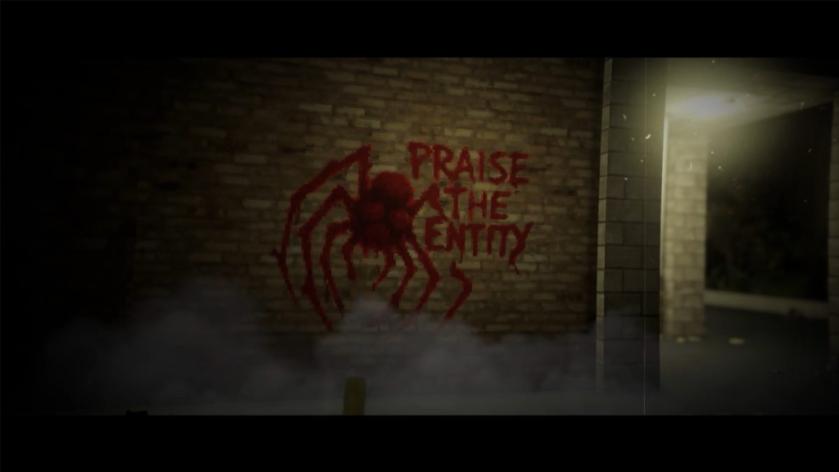
- The Entity (Spider): This primary antagonist is a horrifying fusion of human and arachnid, characterized by its eight legs sprouting from a human torso and its ability to spin webs. The Entity typically manifests during a "hunt" or a "Blood Moon" event. Survival against it involves hiding and utilizing weapons once the "Weapons Arsenal" is unlocked. Its presence is often signaled by environmental changes or specific in-game events.
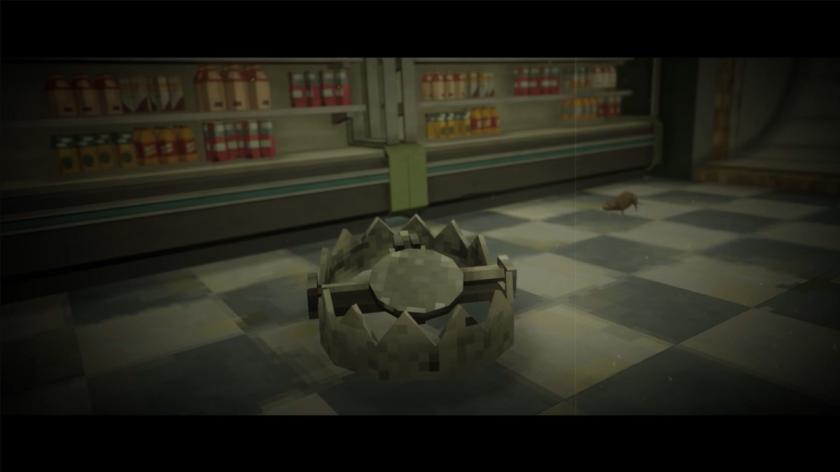
- Shrieking Doll: A diminutive entity that crawls along the floor, the Shrieking Doll is a stealthy threat. It can be neutralized effectively using traps and melee weapons, suggesting a need for close-quarters combat preparedness.
- Demented: This entity boasts long limbs and an unnerving speed, particularly when not directly observed. Its behavior is eerily reminiscent of SCP-173 from "SCP: Containment Breach" and the "Coil Head" from "Lethal Company." The core mechanic for surviving the Demented is maintaining direct visual contact. Looking away allows it to close the distance rapidly, while constant observation freezes it in place. This necessitates a strategic approach to movement and awareness.
- Marionette: A cloaked, floating figure, the Marionette is a more atmospheric threat. Its spawn is linked to a musical cue. Players must locate and rewind a music box on the shop floor before a specific song concludes for the third time. Failure to do so results in its appearance, demanding a race against time and auditory observation.
- The Dentist: This entity bears a striking resemblance to the "corpse" entity that can spawn in the break room. It is characterized by its predatory behavior, often stalking the surrounding forest and the bus area at the end of a shift. The recommended counter is to avoid open communication (presumably via voice chat), refrain from looking back once spotted, and to run until the entity disengages. This emphasizes evasion and situational awareness over direct confrontation.
- Camoflage: As its name suggests, this entity is adept at blending into its environment, specifically the stockroom walls. While its appearance can trigger a jump scare, it is not lethal. The counter is straightforward: shoot or strike the entity to remove it. This implies that not all threats require complex strategies, and some are simply tests of player reaction and resourcefulness.
The presence of these entities can be predicted or at least anticipated through in-game clues. Players are advised to read any notes left on the counter and check emails for new entity entries before their shift begins. This pre-shift intelligence gathering is presented as a critical component of survival, allowing players to prepare for the specific threats they might encounter.

The Ominous Shadow of the Blood Moon
The "Blood Moon" is a recurring event within "Shift at Midnight" that significantly escalates the danger. This celestial phenomenon acts as a direct precursor to increased entity activity. When a Blood Moon is active, entities are guaranteed to spawn after the shift concludes, making any venture outside the safety of the workplace a perilous undertaking. Each entity adheres to a specific set of rules during these events, and players are encouraged to pay close attention to on-screen instructions that appear when an entity manifests. This suggests a dynamic and responsive threat system, where the game actively guides the player through survival scenarios.
When Doppelgangers Unleash the Monsters
The ultimate consequence of failing to identify and eliminate doppelgangers during a shift is their transformation into monstrous variants that attack the player during the closing sequence of the workday. This post-shift encounter is a brutal gauntlet that demands swift action and strategic preparation.
Upon the realization that the closing time is compromised, players are granted a limited window of approximately 60 seconds to arm themselves, barricade the doors, and set traps. The game emphasizes the importance of fortifying the three main entrances with wooden planks, a process initiated by pressing the ‘E’ key. Once this brief preparation period concludes, entities will begin to spawn.
The primary survival strategy during this phase is to hide. The game offers ventilation shafts within the stockroom and shop as temporary refuges. However, these hiding spots are not permanent solutions. A disturbing mechanic involves a "mass resembling innards" descending through the ventilation shafts, inflicting damage and forcing the player out into the open, making them vulnerable.
Central to surviving these encounters is managing the "patience bar," which functions as both the entity’s health bar and a timer for their pursuit. An "eye" icon on the screen fills up when the player is within an entity’s line of sight. If this eye turns red, the entity will actively pursue the player. The ability to reset this meter relies on quickly breaking line of sight and finding cover. Auditory cues are also critical; excessive noise, whether from in-game footsteps or the player’s microphone, will alert the entity.
The "Weapons Arsenal" becomes accessible once the player reaches the halfway point on the patience bar. While the basic firearm offers some offensive capability, its damage output is described as minimal. For more potent weaponry, players must rely on the "EMERGENCY WEAPONS ARSENAL," which requires prior purchase through the in-game computer. This feature highlights a progression system where resource management and pre-emptive upgrades are vital for overcoming tougher challenges, especially when multiple entities spawn simultaneously due to prior failures.
It is important to note that even when an entity is defeated, whether through hiding or direct combat, it does not signify a permanent victory. The game states that entities will "run away and try again another night." Furthermore, the threat level escalates with each doppelganger that is allowed to roam free during a shift. This implies a meta-progression of difficulty, where consistent failures lead to increasingly formidable and persistent adversaries.
The implications of these mechanics extend beyond simple gameplay. "Shift at Midnight" appears to be exploring themes of identity, deception, and the consequences of overlooking the subtle signs of danger in everyday life. The game challenges players to be hyper-vigilant, to question appearances, and to understand that sometimes, the most terrifying threats are those that wear the most familiar faces. The escalating nature of the threats, from simple doppelgangers to powerful, unique entities, suggests a narrative that builds in intensity, mirroring a descent into madness or a desperate struggle against an encroaching cosmic horror. The player’s success hinges not just on reflexes, but on their ability to learn, adapt, and anticipate the ever-evolving dangers of their late-night employment.