


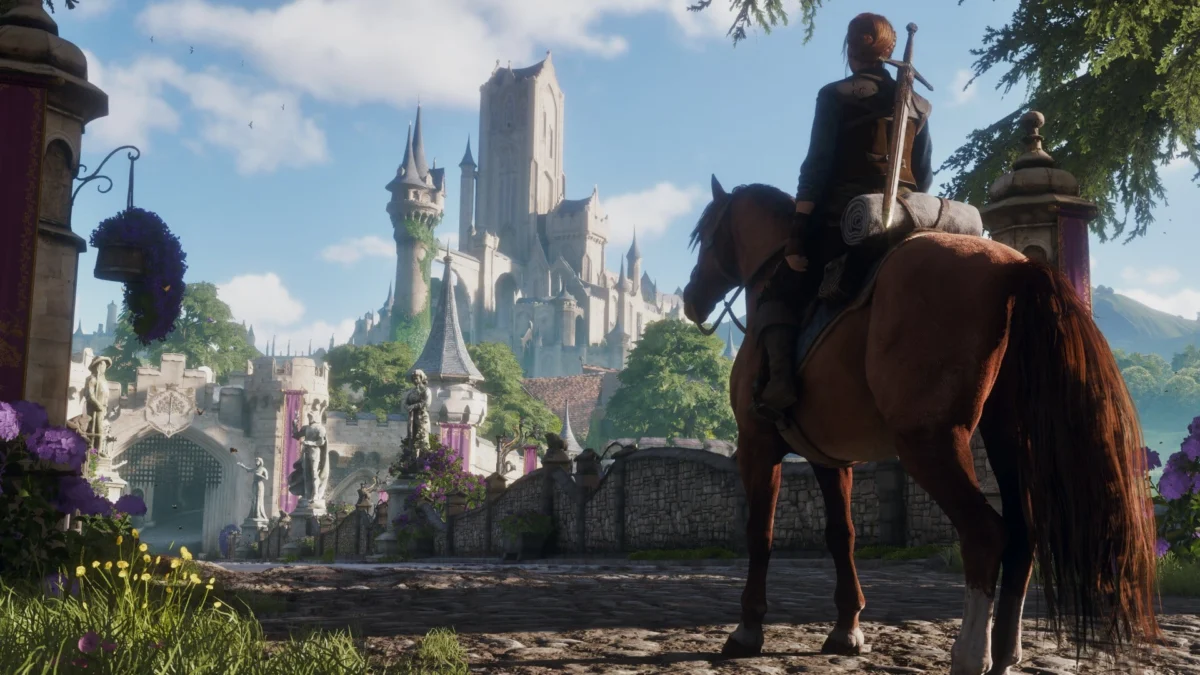
The highly anticipated reboot of Fable, developed by Playground Games, will offer players a main quest experience estimated to last between 15 and 20 hours, a significant reveal that positions the upcoming Xbox Game Pass title as the longest mainline narrative in the franchise’s history. This information, alongside details on additional content, emerged during a Q&A panel at Gamescom 2026, following the presentation of an 18-minute gameplay trailer that showcased the game’s vibrant world and refined mechanics.
A Measured Epic: Details Emerge from Gamescom 2026
Gamescom, one of the world’s premier gaming trade shows, served as the platform for this pivotal announcement regarding Fable. The event, held in Cologne, Germany, drew significant attention from the global gaming community, particularly for its Opening Night Live ceremony where many high-profile titles, including Fable, received new spotlights. Playground Games, a studio renowned for its work on the critically acclaimed Forza Horizon series, provided an extensive look at the fantasy role-playing game, rekindling excitement for a franchise that has been dormant for over a decade.
During a subsequent Q&A session, attended by journalists from various publications, including Polygon, Will Kennedy, Associate Game Director at Playground Games, elaborated on the game’s scope. Kennedy stated, "We have around 15-20 hours of mainline quest gameplay, we have around 15-20 of side and open-world exploration content gameplay…And then, of course, the life systems are limitless, so you can play them for as long as you want." This structured approach to content promises a substantial core experience complemented by a rich tapestry of optional activities and an open-ended "life system" designed for sustained engagement.
The initial reaction from industry observers and fans alike has largely been positive, with many considering a 30-40 hour total for the primary narrative and significant side content to be a well-balanced runtime for a modern RPG. This figure suggests a focus on narrative pacing and quality over an excessively sprawling map that can sometimes lead to player fatigue or perceived "quest bloat" in the genre.
The Legacy of Albion: Fable’s Storied Past and Future Ambitions
The Fable franchise holds a unique place in gaming history, known for its distinctive blend of British humor, morally impactful choices, and a charming fantasy world called Albion. Its revival under Playground Games marks a new chapter for a series that has experienced both critical acclaim and periods of uncertainty.
-
From Lionhead’s Vision to Playground’s Reimagining:
The original Fable series was conceptualized by the legendary game designer Peter Molyneux and developed by Lionhead Studios. The first title, released in 2004 for the Xbox, introduced players to a reactive world where their choices visibly shaped their character’s appearance and the world around them. Fable II (2008) and Fable III (2010) expanded on these concepts, adding depth to combat, world interaction, and companion systems, solidifying the series’ reputation for innovative RPG mechanics and a lighthearted tone. However, after the cancellation of Fable Legends in 2016 and the subsequent closure of Lionhead Studios, the future of the franchise became uncertain, leading to a prolonged hiatus that left many fans yearning for a return to Albion.The announcement in 2020 that Playground Games would be developing a new Fable title was met with both excitement and curiosity. Playground Games, primarily known for the open-world racing simulation of the Forza Horizon series, seemed an unconventional choice for an RPG. However, the studio established a second internal team specifically for Fable, bringing in experienced RPG developers to blend their proven open-world expertise with the narrative and character-driven demands of the fantasy genre. This strategic expansion underscored Microsoft’s commitment to reviving the beloved IP with significant resources and a fresh perspective.
-
The Road to Release: A Development Timeline:
The journey to the 2027 release has been a lengthy one, typical for a AAA RPG of this scale.- 2004: Original Fable released, setting the foundation.
- 2008: Fable II launched, expanding on the core mechanics and world.
- 2010: Fable III brought the series to a new generation, introducing further innovations.
- 2016: Fable Legends cancelled; Lionhead Studios closed, leading to the series’ dormancy.
- 2020: Microsoft and Playground Games officially announce the new Fable during the Xbox Games Showcase, generating immense anticipation.
- 2023-2025: Various development updates, concept art, and brief cinematic trailers trickle out, keeping the community engaged without revealing extensive gameplay.
- Gamescom 2026: A pivotal moment, featuring an 18-minute gameplay trailer and the crucial reveal of the game’s estimated runtime, indicating that development is progressing towards its final stages.
- February 23, 2027: Scheduled global launch on Xbox Series X|S and PC, with day-one availability on Xbox Game Pass.
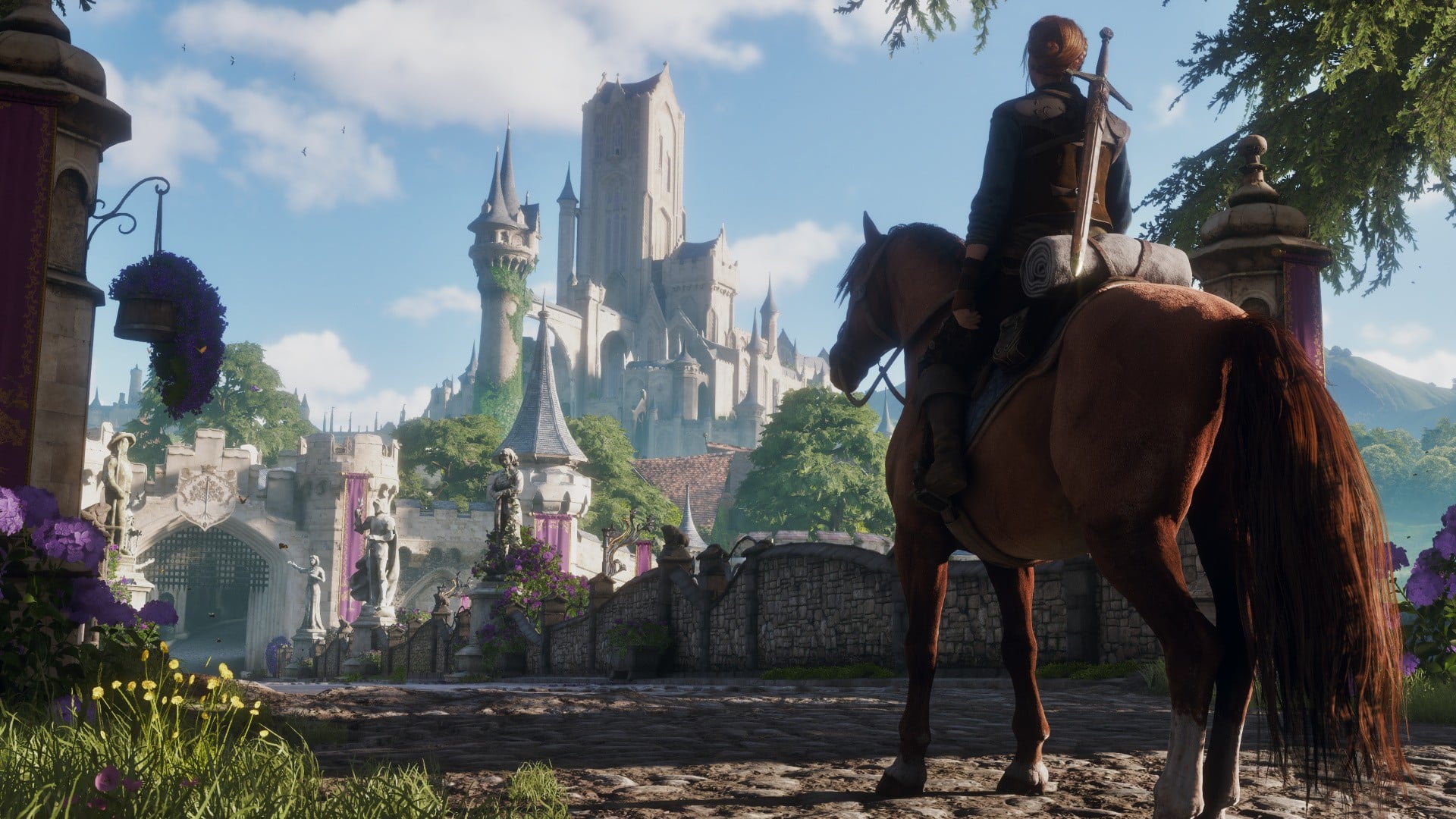
The long development cycle has allowed Playground Games to meticulously craft their vision for Fable, aiming to honor the series’ legacy while introducing modern gameplay elements and a stunning visual fidelity, as evidenced by the Gamescom trailer.
Navigating the RPG Landscape: Length, Scope, and Player Engagement
The discussion around game length in the RPG genre has become increasingly prominent in recent years. With titles like The Witcher 3: Wild Hunt, Cyberpunk 2077, Starfield, and Baldur’s Gate 3 often demanding hundreds of hours for full completion, developers are constantly weighing the balance between providing ample content and respecting players’ time.
-
The "Sweet Spot" in Modern RPG Design:
While some players relish the prospect of investing hundreds of hours into a single game, a significant portion of the gaming community often expresses concern over "quest bloat" – an abundance of repetitive or uninspired side quests that artificially extend game length without adding meaningful value. For many, a main quest of 15-20 hours, supplemented by an equal amount of engaging side content, strikes an ideal balance. This "sweet spot" allows for a deep, impactful narrative experience without becoming an overwhelming time commitment. It caters to players who enjoy a focused story but also appreciate the freedom to explore and engage with a world at their own pace.Playground Games’ decision suggests a deliberate strategy to offer a substantial yet manageable experience, ensuring that the primary storyline remains compelling and accessible. This approach can lead to higher completion rates and a more concentrated, memorable narrative, which is often crucial for an RPG looking to leave a lasting impression. The emphasis on quality over sheer quantity of hours aligns with a growing sentiment among players who prefer tightly crafted experiences.

-
A Series Benchmark: Comparing Runtimes:
The announced runtime for the new Fable represents a significant shift within the franchise itself. According to data compiled by HowLongToBeat.com, a popular resource for game length estimates, previous main entries in the Fable series offered shorter primary narratives:- Fable (2004): Approximately 12.5 hours for the main story, with "Main + Extras" extending to about 29 hours.
- Fable II (2008): Roughly 14 hours for the main story, with "Main + Extras" at around 37 hours.
- Fable III (2010): Averaged 12 hours for the main story, with "Main + Extras" reaching about 30 hours.
Comparing these figures, the new Fable’s estimated 15-20 hours for the mainline quest indeed positions it as the longest single-player narrative in the series’ history. This indicates a more ambitious and potentially more intricate story, allowing for deeper character development, more expansive world-building, and a richer progression through Albion’s challenges. When considering the "Main + Extras" category, the new Fable also appears to offer a comparable, if not slightly longer, overall package of curated content, reinforcing its position as a substantial entry in the beloved series.
Beyond the Main Quest: Exploring Albion’s Limitless "Life Systems"
Will Kennedy’s mention of "limitless life systems" is a particularly intriguing aspect of the Fable reveal, hinting at a robust layer of persistent gameplay that extends beyond the structured quests. While the core narrative and side missions provide a guided experience, these life systems are designed to offer ongoing engagement and replayability, aligning with the traditional Fable ethos of living a life within the game world.
These "life systems" could encompass a variety of features common in RPGs but perhaps with a unique Fable twist:
- Player Housing and Customization: The ability to acquire, decorate, and upgrade homes has been a staple of the Fable series. "Limitless" could imply extensive customization options, dynamic changes based on player choices, or even community-driven events tied to housing.
- Crafting and Economy: Deep crafting systems for weapons, armor, potions, and other consumables, coupled with a dynamic in-game economy, could provide endless opportunities for resource gathering, trading, and character progression outside of combat.
- Relationship and Reputation Systems: Fable has always emphasized player interaction and reputation. "Life systems" might include more intricate relationship mechanics with NPCs, dynamic faction affiliations, or a reputation system that evolves constantly based on every action, leading to emergent narratives and unique social interactions.
- Dynamic World Events: The world of Albion could feature continuously generating events, challenges, or quests that are not tied to the main narrative, encouraging exploration and spontaneous adventure. This could include monster hunts, trade routes, political intrigue, or seasonal festivals that change the game world over time.
- Character Progression and Specialization: Beyond the main quest, players might be able to continuously refine their character builds, unlock new abilities, or specialize in particular trades or lifestyles (e.g., master craftsman, renowned bard, notorious bandit) through ongoing activities.
These limitless systems suggest that while the narrative has a defined endpoint, the player’s journey in Albion does not. It fosters a sense of continued agency and provides avenues for players to carve out their own unique stories long after the credits roll, enhancing the game’s overall value and longevity.
Strategic Positioning: Fable in the Xbox Ecosystem
Fable’s highly anticipated launch is not just a significant event for the franchise but also a crucial moment for the Xbox ecosystem, especially given its day-one availability on Xbox Game Pass.
-
Day-One on Xbox Game Pass:
The decision to launch Fable directly into Xbox Game Pass on February 23, 2027, is a strategic move that aligns with Microsoft’s broader vision for its gaming platform. This approach ensures maximum accessibility for a vast subscriber base from day one, potentially leading to a much larger initial player count than a traditional retail-only launch. For players, it represents immense value, as they can experience a major AAA title without an additional purchase. For Playground Games, it guarantees a wide audience, fostering community engagement and potentially driving sustained interest through the "limitless life systems." This model has proven successful for other first-party titles, strengthening Game Pass as a compelling proposition for gamers. -
Shaping Expectations and Industry Trends:
The transparency regarding Fable’s runtime serves to manage player expectations effectively. In an era where game length can be a contentious topic, clearly communicating the scope of the main narrative and additional content helps players decide if the game aligns with their available time and preferences. It positions Fable as a substantial, yet not endlessly demanding, experience.Furthermore, Fable’s approach could influence industry trends. If a well-received, critically acclaimed RPG can succeed with a more focused core playtime, it might encourage other developers to prioritize narrative density and quality over sheer scale, potentially shifting the conversation around what constitutes a "good" RPG length. As a flagship first-party title, Fable carries the weight of representing Microsoft’s vision for its exclusive lineup and its commitment to delivering high-quality, memorable experiences on its platforms. Its success will undoubtedly contribute to the perception and appeal of the Xbox brand and its Game Pass service.
Expert and Community Perspectives
While official statements from industry analysts are yet to fully materialize, the inferred consensus leans towards Fable’s announced runtime being a prudent decision. Analysts are likely to view this as a strategic move by Playground Games and Microsoft to cater to a diverse player base, balancing the expectations of hardcore RPG enthusiasts with those of players who prefer more contained experiences. This mid-range length could be seen as an optimal balance that reduces the barrier to entry often associated with massive RPGs, making the game appealing to a wider demographic, especially those subscribing to Game Pass.
Community reactions, while varied, have shown a strong appreciation for the clarity. Many gamers have expressed satisfaction with the idea of a focused, yet substantial, narrative that respects their time, allowing them to fully engage with the story without feeling overwhelmed. The reassurance that "limitless life systems" will provide ample post-story content also addresses concerns from players who enjoy extended playtime, suggesting that the game offers both a satisfying conclusion and enduring replayability. This nuanced approach demonstrates that Playground Games is attuned to contemporary player preferences, aiming to deliver a Fable experience that is both authentic to its roots and relevant to modern gaming sensibilities.
The Road Ahead to February 2027
With the release date of February 23, 2027, now firmly established for Xbox Series X|S and PC, and with Xbox Play Anywhere support, the anticipation for Fable will only intensify. The Gamescom 2026 reveals have provided a clearer picture of the game’s scope, its commitment to a compelling narrative, and its potential for long-term engagement through its unique "life systems." As Playground Games continues its development, players worldwide will eagerly await further details, expecting a fresh yet familiar return to the enchanting, whimsical, and morally complex world of Albion. Fable is poised to be a pivotal title for Xbox, potentially revitalizing a beloved series and setting new standards for RPG design in the coming years.