


The weekend rush at a Milton Keynes CeX store paints a starkly different picture from the quiet aisles of many North American GameStop locations, prompting questions about a recent strategic pivot by the beleaguered American retailer. As customers in the UK navigate packed stores, eagerly sifting through shelves brimming with everything from PlayStation 2 classics to the latest PS5 titles, the contrast with the typically sparse GameStop experience, often dominated by Funko POP figures and a dwindling selection of new releases, becomes pronounced. GameStop’s announced shift towards a retro-focused model, a strategy heavily influenced by the successful UK chain CeX, represents a high-stakes gamble that could either revitalize the company or further alienate its customer base.
A Tale of Two Retailers: UK’s CeX Thrives While GameStop Struggles
For many in the United Kingdom, CeX (Complete Entertainment Exchange) is a ubiquitous presence, a vibrant hub for pre-owned electronics, movies, and, crucially, video games. Its appeal lies in its comprehensive buy-sell-trade model, which has fostered a strong community around the acquisition of both contemporary and retro gaming titles. This writer’s personal experience, spanning time in both Canada and the UK, highlights this disparity. In the UK, CeX stores are consistently busy, particularly during peak hours, with customers actively seeking out a wide range of consoles and games, from the enduring popularity of the PS2 and Wii era to the current generation of PS4 and PS5. The sheer volume of trade-ins and purchases fuels a constant refresh of inventory, creating an environment where discovery and value are paramount.
Conversely, GameStop in North America has faced significant headwinds in recent years. Reports and anecdotal evidence often describe a retail landscape characterized by empty stores, a heavy reliance on merchandise over core gaming products, and a perceived lack of engagement from shoppers. The recent decision to introduce a "GameStop Retro" initiative, essentially an attempt to emulate the CeX model, has been met with a mixture of skepticism and cautious optimism within the gaming community and among industry observers.
The Genesis of GameStop Retro: A Response to Market Realities
The strategic shift by GameStop did not materialize overnight, but its announcement on August 28th signaled a significant departure from its traditional retail strategy. While official statements have been reserved, insights from industry commentators, such as the YouTube channel Spawn Wave, suggest that the implementation of this new model may have been expedited, with employees reportedly having limited preparation time. This rapid transition hints at a company under pressure to adapt quickly to evolving consumer behaviors and a declining physical retail footprint.
The rationale behind GameStop’s move can be understood within the broader context of the video game industry’s changing landscape. The rise of digital downloads has profoundly impacted traditional brick-and-mortar game retailers. Physical game sales have seen a steady decline, forcing companies like GameStop to diversify their offerings. However, the success of CeX in the UK, a market with similar consumer habits and economic conditions, offers a compelling blueprint. CeX has demonstrated that a robust pre-owned market, coupled with a strong trade-in program and a focus on catering to a diverse range of entertainment needs, can sustain profitability.
CeX’s Cultivated Culture: The Power of Pre-Owned and Community
CeX’s enduring success in the UK is intrinsically linked to its cultivation of a culture around used games and electronics. For over three decades, the company has built a reputation for offering fair trade-in values and a wide selection of pre-owned items, creating a loyal customer base. This loyalty is further reinforced by a vibrant online community. YouTube channels like Retro Ghetto and TVM regularly feature content dedicated to unearthing hidden gems and documenting their shopping experiences at CeX stores. These videos not only entertain but also serve as a valuable resource for enthusiasts, showcasing the potential for great finds and highlighting the thrill of the hunt. This level of engagement is a testament to CeX’s ability to transform the act of buying and selling used goods into a community-driven experience.
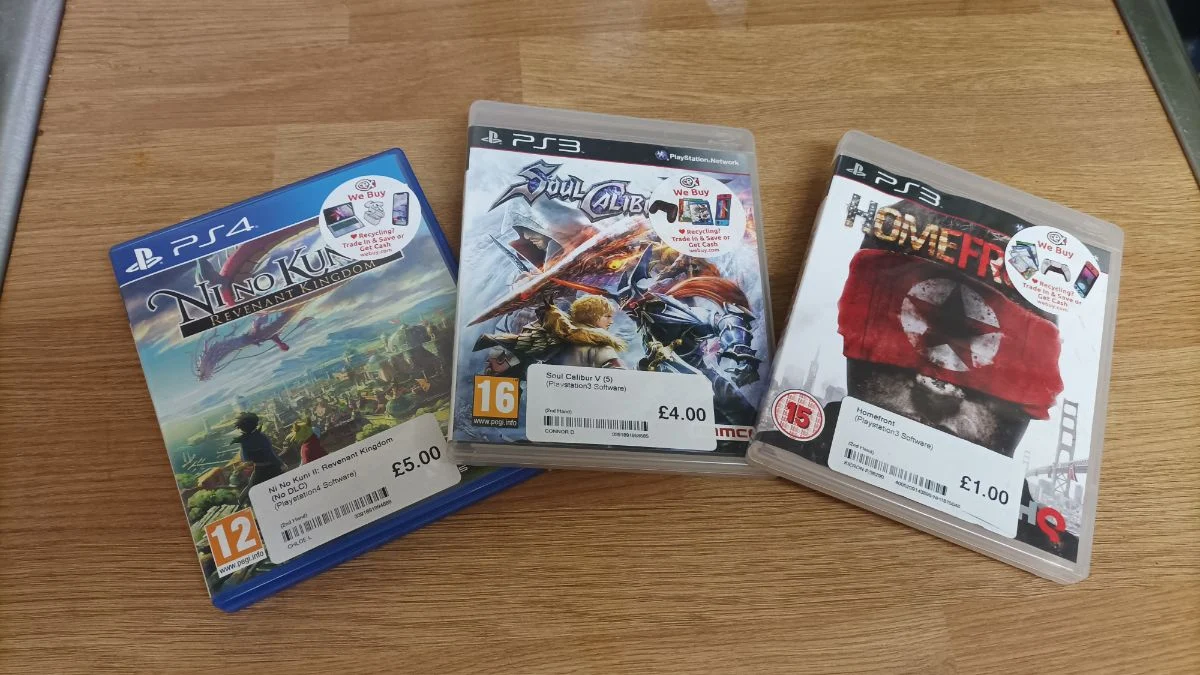
The convenience and transparency offered by CeX are also key differentiators. Their website provides real-time stock information for individual stores and immediate trade-in valuations, a stark contrast to the often opaque and unpredictable process at many North American retailers. This transparency allows customers to plan their visits and understand the value of their items, fostering trust and encouraging repeat business. The author’s personal experience of building an extensive PS3 and PS4 library in the UK for minimal cost, acquiring titles like "Alpha Protocol" and "Final Fantasy XIII," underscores the significant value proposition CeX offers.
The North American Retro Gaming Landscape: A Void Waiting to Be Filled?
In stark contrast, the North American market for retro games has historically been fragmented and often prohibitively expensive. While independent game stores exist in some urban centers, their reach is limited, leaving many consumers to rely on online marketplaces like eBay and Amazon. These platforms, while offering vast selections, often come with inflated prices and significant shipping costs, making the pursuit of a retro game collection a costly endeavor. The author’s own experience in Canada of being deterred by reseller prices highlights this challenge.
The advent of "GameStop Retro" has the potential to address this unmet need. If the company can effectively replicate CeX’s model of competitive pricing, fair trade-in values, and a curated selection of retro titles, it could significantly alleviate the frustrations faced by North American retro gaming enthusiasts. Early indications from Spawn Wave suggest that GameStop Retro’s pricing may indeed be competitive, offering a welcome alternative to the often-premium prices found on other resale platforms.
Analyzing the Implications: Can GameStop Retro Reverse the Trend?
The success of GameStop’s retro initiative hinges on several critical factors. Firstly, the company must effectively leverage its existing store footprint. If these stores can be transformed into appealing destinations for retro gaming enthusiasts, they could become a significant draw. This would require a careful curation of inventory, knowledgeable staff, and an environment that encourages browsing and discovery.
Secondly, GameStop’s ability to foster a community around its retro offerings will be crucial. CeX has benefited from organic growth of online communities that engage with their stores. GameStop will need to actively participate in and potentially cultivate such a community, perhaps through in-store events, social media engagement, and partnerships with retro gaming influencers.
However, GameStop faces a significant challenge in rebuilding consumer trust. Recent corporate decisions, such as the controversial shutdown of Game Informer and subsequent layoffs, have generated considerable backlash and damaged the company’s reputation among many gamers. Overcoming this negative perception and demonstrating a genuine commitment to the retro gaming community will be paramount.
Looking Ahead: The Road to Revival or Continued Decline?
The shift to a retro-focused model is a bold move by GameStop, a clear acknowledgment of the changing dynamics of the video game retail market. While the challenges are substantial, the potential rewards are equally significant. By emulating the successful blueprint laid out by CeX, GameStop has an opportunity to carve out a profitable niche and reconnect with a dedicated segment of the gaming population. The coming months will reveal whether this retro gamble will pay off, offering a much-needed lifeline to a retail giant in transition, or whether it will be another chapter in a story of missed opportunities. The success of GameStop Retro will not only be measured in sales figures but in its ability to foster a genuine connection with the retro gaming community and provide a valuable, accessible avenue for preserving and enjoying gaming’s rich history. The transformation of its physical stores into vibrant hubs for pre-owned games and electronics, coupled with transparent and competitive pricing, could indeed signal a turning point. However, the lingering shadow of past corporate actions and the intense competition in the digital realm mean that this is a battle GameStop must win on multiple fronts.