


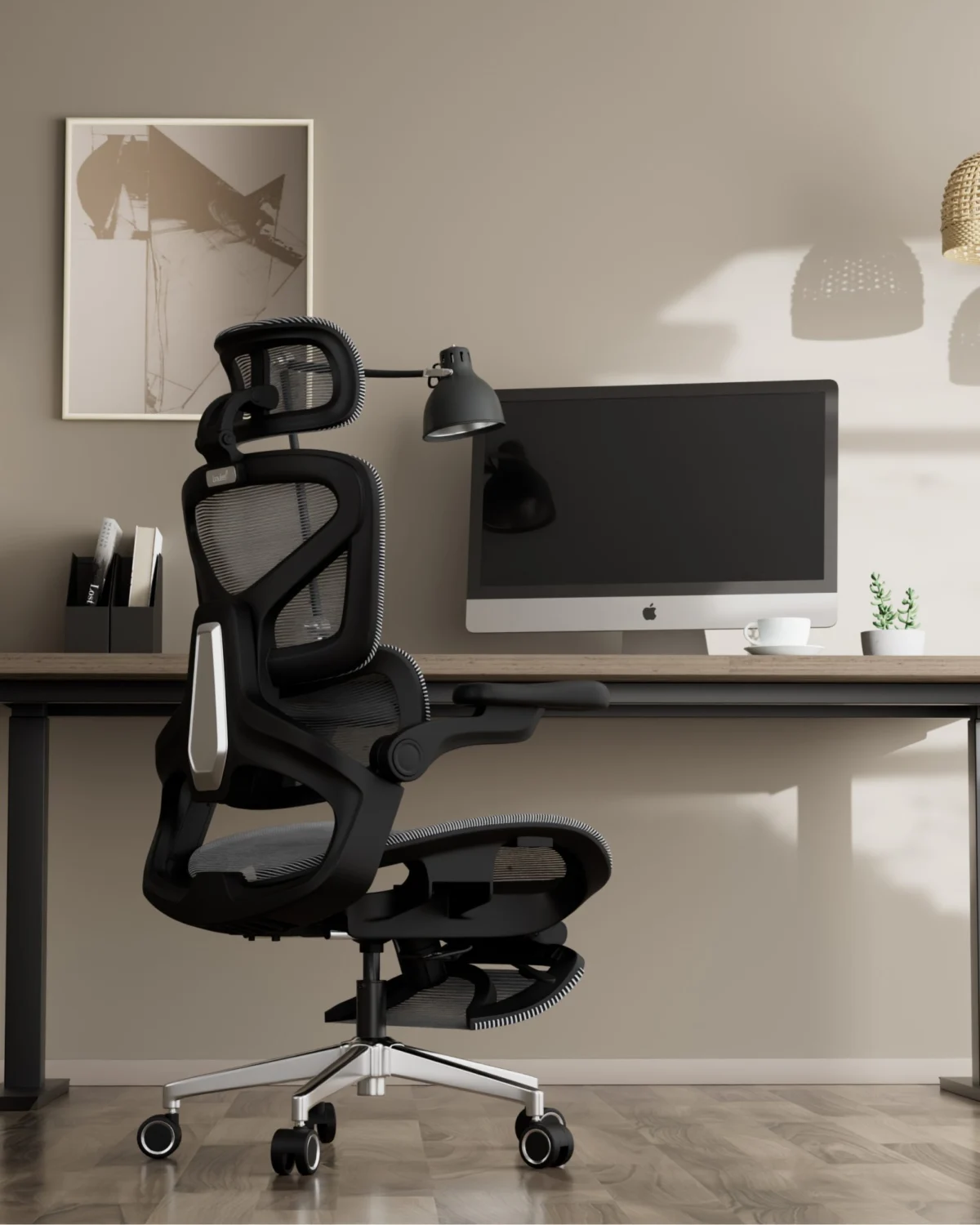
The Boulies EP500 fully-mesh ergonomic office chair has entered the competitive landscape of premium office furniture, positioned as a high-performance seating solution designed to complement modern workspace setups, such as the MagVida Standing Desk. As the demand for hybrid work environments continues to drive the market for ergonomic furniture, the EP500 aims to bridge the gap between executive aesthetics and orthopedic functionality. This report evaluates the chair’s design, assembly, and long-term utility based on recent performance testing and market specifications.
Market Context and Ergonomic Trends
The global ergonomic chair market has seen a significant surge since 2020, with a projected compound annual growth rate (CAGR) of over 5% through 2028. Consumers are increasingly moving away from traditional foam-padded chairs in favor of breathable mesh designs, which offer superior thermal regulation and localized support. Boulies, a manufacturer known for its high-end gaming and office seating, has developed the EP500 to target a specific demographic: professionals who require durable support for extended periods and those with larger physical frames.
In the context of ergonomic health, the EP500 is designed to address common sedentary issues such as anterior pelvic tilt and lumbar strain. By utilizing a full-mesh construction, the chair aligns with the industry shift toward sustainable and breathable materials that maintain structural integrity over several years of use.

Technical Specifications and Assembly Efficiency
The delivery and initial setup of the Boulies EP500 suggest a focus on consumer accessibility. The product arrives in a single, high-density shipping container. Despite the weight associated with high-grade components—such as the reinforced frame and gas lift—the unit remains manageable for individual assembly.
Logistical data from the assembly process indicates a streamlined workflow:
- Total Assembly Time: Approximately 20 minutes.
- Tools Provided: All necessary hardware and specialized wrenches are included in the packaging.
- Connection Points: Components such as the wheelbase, gas lift, seat plate, and backrest utilize standardized alignment pins and high-torque bolts, ensuring a seamless fit without the need for professional installation.
The efficiency of this assembly process is a notable advantage in the direct-to-consumer furniture market, where complex instructions often serve as a barrier to purchase.
Design Architecture and Material Performance
The EP500 is characterized by its "fully-mesh" design, a feature that distinguishes it from hybrid chairs that use foam seats and mesh backs. The proprietary mesh fabric used by Boulies is engineered for high tensile strength, allowing it to support significant weight without sagging.

Thermal Regulation and Maintenance
During periods of elevated ambient temperatures, the mesh fabric provides a distinct advantage in heat dissipation. Unlike PU leather or heavy fabrics, the EP500 allows for constant airflow, preventing heat buildup between the user and the chair. However, the material’s texture introduces specific maintenance considerations. Testing indicates that the mesh acts as a catch for particulate matter, including pet hair and dust. Furthermore, the frame includes a recessed "well" behind the seat that may require regular cleaning to prevent the accumulation of debris.
Lumbar Support Mechanics
The lumbar support system is one of the most prominent features of the EP500. It is designed to be highly visible and provides significant pressure to the lower spinal region. While the support is vertically adjustable, it lacks depth adjustment. This design choice favors users who require a fixed, aggressive lumbar curve. For individuals with specific postural needs, such as those correcting an anterior pelvic tilt, the firmness of the lumbar support provides the necessary resistance to maintain a neutral spine.
Ergonomic Adjustability and User Compatibility
A critical finding in the evaluation of the Boulies EP500 is its optimization for larger body frames. The chair features an exceptionally wide seat and backrest, providing ample "wiggle room" for users who find standard office chairs restrictive.
The Petite User Constraint
Data suggests that the chair’s ergonomics may not translate effectively for petite individuals. For a user standing 5’6” and weighing 57kg, several design elements present challenges:

- Headrest Positioning: Even at its lowest setting, the headrest may sit too high for shorter users, particularly when the aggressive lumbar support pushes the torso forward.
- Recline Tension: The recline mechanism is calibrated for higher body weights. Lighter users may find the internal spring tension too high to maintain a reclined position comfortably without constant physical exertion.
- Armrest Limitations: The armrests offer lateral (width) adjustment but lack height or angle customization. Crucially, the armrests are fixed to the backrest frame in a manner that causes them to point upward when the chair is reclined, which may be counter-intuitive for users seeking a relaxed gaming or viewing posture.
The Recline and Footrest System
The EP500 includes an integrated, retractable footrest, also constructed from breathable mesh. This feature is intended to transform the chair from a task-oriented workstation into a relaxation-oriented seat.
When combined with the recline feature, the footrest allows for a significant distribution of body weight across the chair’s surface area. However, the physics of the recline mechanism remains a point of contention for lighter individuals. The "catapult" effect—where the chair returns to an upright position due to insufficient counter-weight—suggests that the EP500’s sweet spot for weight starts at a higher threshold than the average lightweight adult.
Pricing and Value Proposition
The Boulies EP500 is positioned in the mid-to-high tier of the ergonomic market.
- Retail Price: £349.00
- Current Market Price: Approximately £289.99 (subject to seasonal promotions).
At the sub-£300 price point, the EP500 offers a build quality that rivals more expensive competitors. The use of premium mesh across all contact surfaces and the inclusion of a footrest provide a value-add that is often missing from entry-level ergonomic chairs. For corporate procurement or home office upgrades, the chair represents a durable investment, provided the user falls within the intended height and weight demographic.

Comparative Analysis: EP500 vs. Industry Standards
When compared to industry benchmarks like the Herman Miller Aeron or the Secretlab NeueChair, the Boulies EP500 holds its own in terms of material breathability and ease of assembly. While it lacks the highly granular "4D" armrest adjustments found in top-tier models, it compensates with a wider seating area and an included footrest, which are often expensive add-ons in other brands.
The EP500’s design philosophy prioritizes stability and firm support over soft cushioning. This makes it an ideal candidate for "power users"—those who spend upwards of eight hours a day at a desk and require a chair that will not lose its shape or support over time.
Implications for the Modern Workspace
The introduction of the EP500 reflects a broader trend in workplace ergonomics: the move toward "active sitting." By providing a firm, mesh-based surface, the chair encourages better posture compared to plush chairs that allow the user to "sink" and slouch.
Furthermore, the integration of the EP500 with standing desks like the MagVida suggests that manufacturers are increasingly viewing the office chair as part of a holistic ecosystem. The chair is not just a place to sit; it is a tool for productivity that must accommodate transitions between focused work, collaborative meetings, and periods of rest.

Conclusion and Final Assessment
The Boulies EP500 Ergonomic Chair is a robust, well-engineered seating solution that excels in specific areas while exhibiting limitations in others. Its primary strengths lie in its high-quality mesh construction, thermal efficiency, and suitability for users with larger frames. The assembly process is among the most efficient in its class, and the aesthetic appeal fits seamlessly into both professional and gaming environments.
However, the chair’s "one size fits most" approach has clear boundaries. Petite users or those who prefer highly customizable armrests may find the EP500’s fixed mechanics restrictive. The high tension of the recline mechanism and the lack of lumbar depth adjustment are factors that prospective buyers must weigh against the chair’s competitive pricing and durability.
In summary, for the taller or heavier professional seeking a premium mesh experience without the four-figure price tag of boutique ergonomic brands, the Boulies EP500 stands as a highly recommended option. It is a testament to the evolution of the home office, where comfort is increasingly defined by scientific support and material innovation rather than traditional padding.