


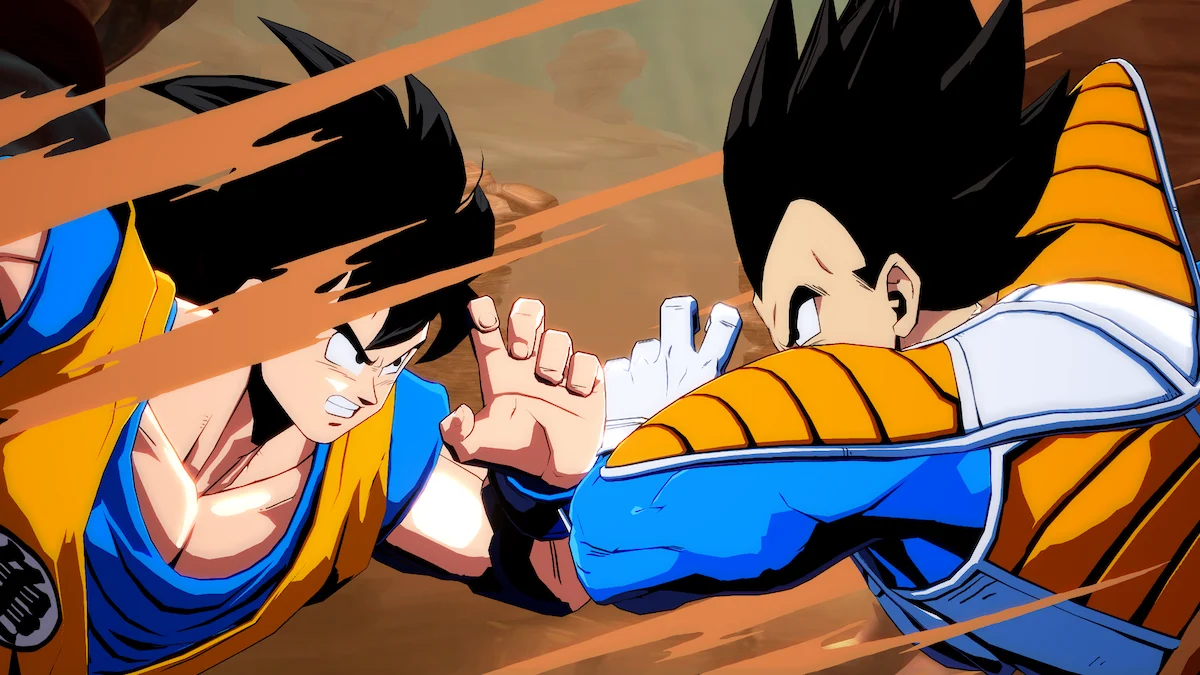
Gamers worldwide are currently leveraging what appears to be an unintended system exploit to acquire permanent ownership of Dragon Ball FighterZ, the critically acclaimed fighting game developed by Arc System Works, without cost. This unexpected development has unfolded within the Xbox ecosystem, primarily affecting active subscribers to Xbox Game Pass who are utilizing the platform’s "Free Play Days" promotion. The workaround, simple in its execution, has enabled players to add both the Xbox One and the enhanced Xbox Series X|S versions of the popular title to their digital libraries indefinitely, raising questions about digital rights management, platform promotions, and the potential implications for developers and publishers.
The Mechanism of Unintended Acquisition
The core of this acquisition method revolves around a specific sequence of actions available to Xbox Game Pass subscribers during the Dragon Ball FighterZ "Free Play Days" event. These events typically grant temporary, full access to select titles for a limited period, often a weekend, without requiring a purchase. In this particular instance, for users with an active Xbox Game Pass subscription, the Xbox One version of Dragon Ball FighterZ became available for free download as part of this promotion.
The crucial step, discovered and disseminated widely, involves an in-game prompt. After launching the temporarily acquired Xbox One version of Dragon Ball FighterZ, players are presented with a menu option to "upgrade" to the Xbox Series X|S optimized version. This upgrade feature is a common and usually seamless process designed to provide current-generation enhancements to players who already own the previous-generation title. However, in this unique context, selecting the upgrade option during the "Free Play Days" period appears to bypass the typical ownership verification, registering both the Xbox One and the Xbox Series X|S iterations of Dragon Ball FighterZ as permanently owned titles within the player’s Xbox account library. This effectively converts temporary access into perpetual digital ownership, circumventing the standard purchase requirement for a game that typically retails for $19.99 USD or more, depending on the edition.
Discovery and Dissemination: The Role of Wario64
The existence of this workaround was brought to widespread attention by Twitter user @Wario64, an account renowned within the gaming community for meticulously tracking and publicizing deals, discounts, and potential exploits related to video game acquisitions. @Wario64’s initial post detailing the method quickly garnered significant traction, being shared across various gaming forums, social media platforms, and dedicated communities.
As is often the case with such discoveries, the initial reception to @Wario64’s claim was met with a degree of skepticism. Comment sections across various platforms saw users questioning the validity of the exploit, with some reporting immediate success and others claiming the method did not work for them. This discrepancy could be attributed to several factors, including regional variations in Xbox Storefronts, differences in Game Pass subscription tiers, or simply user error in following the precise steps. Despite initial doubts, a growing consensus among users confirmed the viability of the loophole, leading to its widespread adoption by eager gamers looking to expand their digital libraries. The community’s rapid testing and verification underscored the collective vigilance and resourcefulness of gamers in navigating digital marketplaces.
The Acclaimed Legacy of Dragon Ball FighterZ
To understand the significance of this event, it is crucial to appreciate the standing of Dragon Ball FighterZ within the gaming landscape. Launched globally on January 26, 2018, Dragon Ball FighterZ quickly established itself as a monumental success, both critically and commercially. Developed by Arc System Works, a studio celebrated for its expertise in crafting visually stunning and mechanically deep fighting games (such as the Guilty Gear and BlazBlue series), and published by Bandai Namco Entertainment, DBFZ brought the beloved Dragon Ball universe to life with unparalleled fidelity and competitive depth.
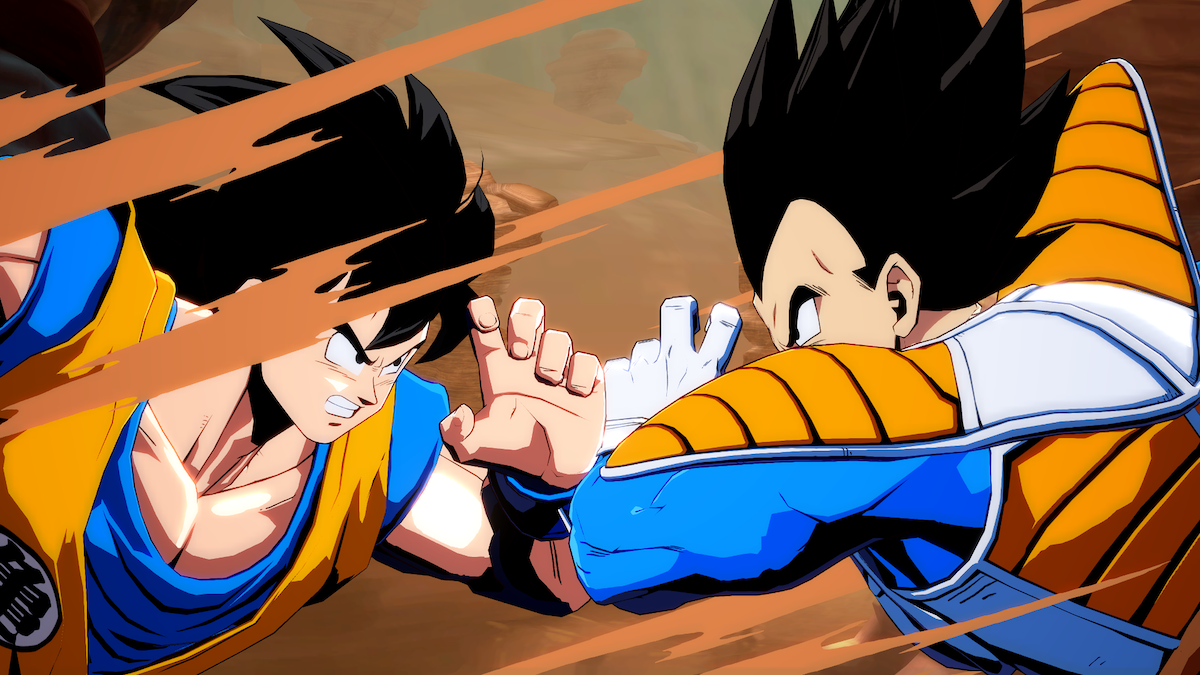
Upon its release, Dragon Ball FighterZ received universal acclaim, boasting aggregate scores such as 87/100 on Metacritic for its Xbox One version. Reviewers lauded its breathtaking 2.5D animation style, which meticulously replicated the look and feel of the anime, its accessible yet profound combat mechanics, and its robust online multiplayer experience. The game’s innovative tag-team system, allowing players to control three characters per match and strategically swap between them, added layers of tactical depth that resonated deeply with both genre veterans and newcomers.
Commercially, Dragon Ball FighterZ was an immediate triumph. Within its first week, it sold over two million units worldwide, a remarkable achievement for a fighting game. By early 2020, sales had surpassed five million copies, further solidifying its status as one of the best-selling Dragon Ball games and a flagship title for the fighting game genre in the modern era. Its success was not confined to sales figures; DBFZ quickly became a cornerstone of the professional fighting game circuit. It was a main stage title at major esports tournaments like the Evolution Championship Series (EVO), attracting a massive viewership and fostering a vibrant competitive community. Its ongoing support through downloadable content (DLC) characters, balance patches, and new features has maintained its relevance and popularity over several years, making it a highly desirable title for any fighting game enthusiast or Dragon Ball fan. The opportunity to acquire such a prominent title for free, therefore, represents a significant boon for many players.
Xbox Game Pass and Free Play Days: A Platform for Discovery and the Exploit’s Context
The environment in which this loophole emerged – the Xbox ecosystem, particularly through Xbox Game Pass and its "Free Play Days" promotions – provides essential context. Xbox Game Pass, launched in June 2017, has grown into a cornerstone of Microsoft’s gaming strategy. It operates as a subscription service offering subscribers access to a rotating catalog of hundreds of games, including first-party titles on day one of release. By late 2023, Xbox Game Pass boasted over 30 million subscribers, demonstrating its significant market penetration and influence. The service aims to increase player engagement, drive hardware sales, and establish a robust digital ecosystem.
"Free Play Days" is a supplementary promotional feature often tied to Game Pass or Xbox Live Gold subscriptions. These events are designed to allow players to sample full versions of games for a limited time, typically a weekend, with the hope that they will enjoy the experience enough to purchase the game afterward. The core intention is to drive sales and increase player exposure to various titles. In this specific scenario, the "Free Play Days" access to Dragon Ball FighterZ for Xbox One was the initial entry point that inadvertently allowed the subsequent upgrade loophole to occur.
The technical infrastructure of Xbox, particularly its approach to generational upgrades via "Smart Delivery," also plays a role. Smart Delivery is a feature introduced with the Xbox Series X|S consoles that ensures players always get the best available version of a game they own, regardless of whether they bought it on Xbox One or Series X|S. If a player buys an Xbox One game that also has a Series X|S version, Smart Delivery automatically provides the optimized version when played on the newer console. This system is designed for convenience and consumer-friendliness but, in this specific instance, appears to have been inadvertently leveraged to grant ownership rather than simply deliver an owned upgrade. The interaction between a temporary license (from Free Play Days) and the ownership verification within the Smart Delivery or upgrade pathway seems to be the critical point of failure.
Official Silence and Community Reactions
As of the current reporting, neither Microsoft nor Arc System Works, nor the game’s publisher Bandai Namco Entertainment, has issued any official statement acknowledging the existence of this loophole. This silence, while not uncommon in the immediate aftermath of such discoveries, fuels speculation regarding their awareness and potential course of action. It is plausible that the entities involved are still investigating the matter, assessing the scope of the exploit, or deliberating on a response strategy. Given the widespread nature of the information and the public nature of @Wario64’s original tweet, it is increasingly unlikely that they remain entirely unaware of the situation.
Within the gaming community, reactions have been a mix of excitement, apprehension, and curiosity. Players who successfully acquired the game express satisfaction at expanding their library without cost, especially for a high-quality title like DBFZ. However, there is also an undercurrent of concern regarding the longevity of this access. Many players are pondering whether Microsoft might choose to revoke licenses obtained through this method once the "Free Play Days" promotion concludes or if a patch is deployed. The precedent for such actions exists in the digital distribution space, where companies have occasionally reversed unintended free acquisitions or pricing errors. The lack of official communication only heightens this uncertainty, leaving players in a state of watchful waiting.
Potential Implications: Economic, Community, and Reputational
The implications of this widespread, unintended free acquisition are multi-faceted, touching upon economic, community, and reputational aspects for all parties involved.
From an economic standpoint, the most direct impact is a potential loss of revenue for Bandai Namco Entertainment and, to a lesser extent, Microsoft (through its share of digital sales). Each copy of Dragon Ball FighterZ acquired for free represents a lost sale, either at full price or during a promotional discount. While the exact number of players leveraging this exploit is difficult to ascertain, if it runs into the tens or hundreds of thousands, the cumulative revenue loss could be substantial. This also impacts future sales of DLC characters and season passes, as players who obtained the base game for free might be less inclined to purchase additional content if they fear their base game access might be revoked.
For the Dragon Ball FighterZ community, the immediate impact could be a sudden influx of new players. While this could inject fresh life into online multiplayer lobbies and potentially boost the game’s overall active player count, it might also lead to temporary imbalances in skill-based matchmaking as many new players enter the competitive ecosystem. Long-term, if the free access remains, it could lead to a sustained increase in the game’s player base, extending its lifespan and relevance.
Reputationally, the situation presents a delicate challenge for Microsoft. On one hand, the incident highlights a potential vulnerability in their digital storefront and promotional mechanics. On the other hand, how they choose to address it will significantly influence public perception. If licenses are revoked without clear communication or adequate compensation, it could lead to user backlash and erode trust in the Game Pass service and the Xbox platform. Conversely, if Microsoft allows players to retain their free copies, it might be seen as a generous, albeit unintentional, gesture that could enhance customer goodwill, though at a financial cost. Such an outcome could also set a precedent, encouraging users to actively seek out and exploit similar glitches in the future.
Precedents and Future Actions
The history of digital game distribution is replete with instances of pricing errors, accidental free releases, and system exploits. For example, in 2020, Epic Games Store accidentally made Grand Theft Auto V free for a period longer than intended, leading to a massive surge in downloads. While not identical, these situations often force platform holders and publishers to make difficult decisions regarding whether to honor unintended transactions, revoke licenses, or simply patch the vulnerability without retrospective action.
The immediate deadline for definitive answers concerning this Dragon Ball FighterZ loophole is March 2 at 11:59 pm PST, which marks the scheduled end of the "Free Play Days" access. Once this period concludes, Microsoft and the associated publishers will have several options:
- Do Nothing: Allow all players who used the loophole to retain their copies. This would be the most player-friendly approach but would entail the largest financial loss.
- Revoke Licenses: Identify all accounts that acquired the game through the exploit and remove the game from their libraries. This would address the revenue loss but risks significant community backlash.
- Offer a Discounted Purchase: Allow players to keep the game if they purchase it at a heavily reduced price, effectively converting free access into a deeply discounted sale.
- Patch the Exploit: Implement a fix to prevent future occurrences without necessarily affecting existing acquisitions. This is almost certain to happen regardless of other actions.
The decision will likely hinge on a careful balance of financial impact, public relations considerations, and the technical feasibility of identifying and acting upon the affected accounts.
Conclusion
The unintended free acquisition of Dragon Ball FighterZ for Xbox Game Pass subscribers during a "Free Play Days" promotion represents a significant, if accidental, event in the current gaming landscape. It underscores the complexities inherent in digital distribution systems, where the intricate interplay of promotions, generational upgrades, and digital rights management can sometimes lead to unforeseen outcomes. While players revel in the unexpected windfall, the silence from Microsoft, Arc System Works, and Bandai Namco leaves the ultimate fate of these "free" copies uncertain. As the March 2nd deadline approaches, the gaming community watches closely to see how this situation will resolve, setting a potential precedent for how similar digital distribution anomalies might be handled in the future. The incident serves as a stark reminder of the dynamic and sometimes unpredictable nature of the modern video game marketplace.