


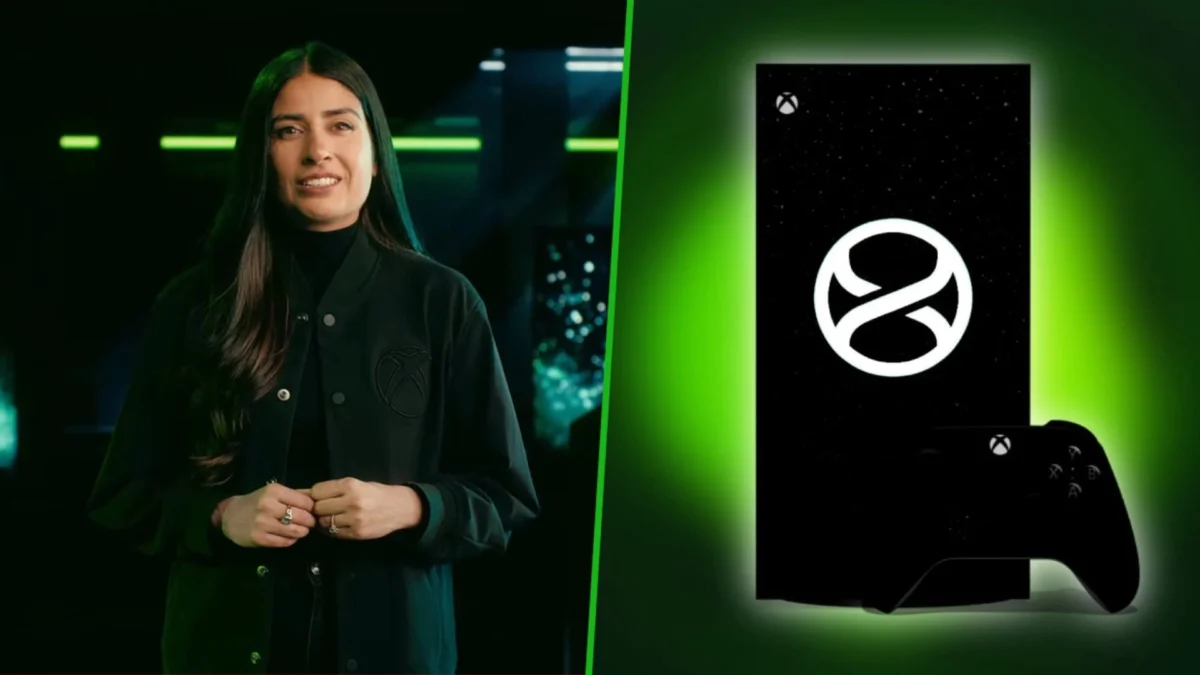
Xbox lead Asha Sharma has utilized the platform of Gamescom 2026 in Cologne, Germany, to outline the strategic direction for the company’s upcoming hardware, codenamed Project Helix. In a comprehensive interview with the BBC, Sharma emphasized that the next generation of gaming hardware must prioritize "efficiency" and "affordability," a departure from the traditional industry focus on raw power and escalating specifications. This shift in philosophy comes as the global technology sector continues to grapple with a protracted component crisis that has fundamentally altered the economics of semiconductor manufacturing and consumer electronics distribution.
As the gaming industry gathers for its largest annual European trade show, the discourse surrounding Project Helix has shifted from theoretical performance metrics to the practical realities of a strained supply chain. Sharma’s comments suggest that Microsoft is pivoting its hardware division to navigate a landscape where the cost of high-end materials and the availability of precision components are no longer guaranteed. The "efficiency" mentioned by Sharma refers not only to power consumption and thermal management but also to the logistical and manufacturing efficiency required to maintain a sustainable product line through 2027 and beyond.
The Economic Context of the 2026 Component Crisis
The backdrop of Sharma’s remarks is a challenging macroeconomic environment for hardware manufacturers. While the early 2020s were defined by a semiconductor shortage driven by the pandemic, the "crisis" of 2026 is characterized by different pressures: the rising cost of rare earth minerals, increased energy costs in manufacturing hubs, and a transition to more complex 2nm and 3nm chip architectures. Earlier in June 2026, Xbox leadership warned that the component crisis is expected to intensify for consoles in 2027, potentially leading to higher MSRPs or restricted stock if manufacturers do not adapt.
Sharma noted that the industry as a whole is entering uncharted territory. "All of the industry needs to start to innovate on affordability and efficiency," Sharma told the BBC. "That is something that we have not had to do previously." In previous console cycles, Moore’s Law generally allowed for significant leaps in performance with relatively stable manufacturing costs over time. However, as the cost-per-transistor plateaus and global logistics remain volatile, the traditional model of subsidizing expensive hardware to recoup costs through software sales is facing unprecedented pressure.
Chronology of Project Helix and Recent Developments
The development of Project Helix has been marked by a series of strategic reveals and industry speculation throughout 2026. To understand the current position of the hardware, it is necessary to look at the timeline of announcements leading up to Gamescom:
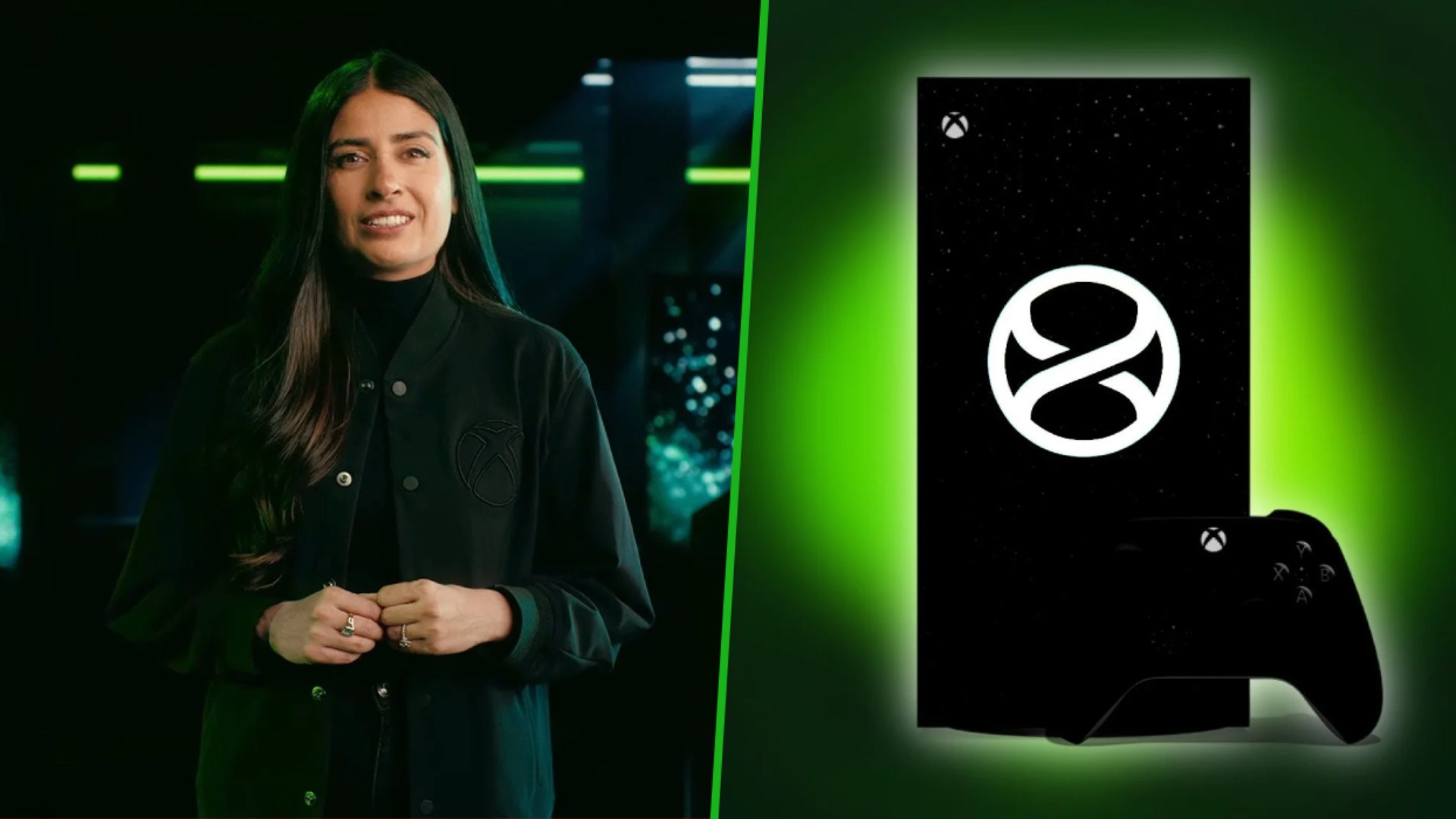
- March 2026: Microsoft officially announces Project Helix, confirming that the next-generation console will feature native compatibility with PC games, effectively blurring the lines between the Windows ecosystem and the Xbox console environment.
- June 2026: Internal reports and public statements from Xbox executives indicate that the global component crisis is not abating. The company warns that the 2027 fiscal year may see the peak of these hardware challenges.
- July 2026: Rumors begin to circulate regarding the physical specifications of Project Helix, specifically whether the unit will include an optical disc drive. These rumors gain significant traction on social media, reflecting consumer anxiety over the preservation of physical media.
- August 2026 (Gamescom): Xbox announces the "Disc to Digital" program. This initiative is designed to allow owners of physical Xbox media to verify their discs and receive digital licenses, facilitating a transition for users who may move to disc-less hardware.
- August 2026 (BBC Interview): Asha Sharma clarifies the "efficiency and affordability" mandate, while remaining non-committal on the presence of a physical disc drive in the final Helix hardware.
Innovation Through Efficiency: Storage and Memory
A significant portion of Sharma’s interview focused on the technical innovations required to keep hardware accessible to the average consumer. She highlighted that "hardware efficiency" must extend to how the system utilizes its core resources, such as storage and memory. As game sizes continue to grow, exceeding 200GB for many AAA titles, the cost of high-speed NVMe storage remains a significant portion of a console’s Bill of Materials (BOM).
Industry analysts suggest that Project Helix may utilize advanced compression technologies or tiered memory architectures to reduce the reliance on expensive, high-capacity physical RAM. By optimizing how data is streamed from storage to the GPU, Microsoft may be able to deliver a high-end experience without the "price per unit" becoming prohibitive. This focus on "price per unit" is a clear indicator that Microsoft is aiming to avoid the $600+ price points that have historically hindered the adoption of new console generations.
The Disc to Digital Program and the Future of Physical Media
The announcement of the Disc to Digital feature is perhaps the strongest signal of Microsoft’s long-term hardware trajectory. By allowing players to convert "thousands of physical games" into digital versions, the company is addressing a major hurdle for the transition to all-digital ecosystems. Sharma described this as a "key choice" for consumers, providing a bridge for those with extensive physical libraries to move into a hardware environment that may not support optical media.
However, when pressed by the BBC on whether Project Helix would include an integrated disc drive, Sharma declined to provide a definitive answer. This ambiguity has led to two primary schools of thought among industry observers. The first suggests that Project Helix will be a strictly digital-only device, potentially supported by an optional, external USB-C disc drive for those who require it. This would allow Microsoft to lower the base price of the console—improving "affordability"—while still offering a path for physical media enthusiasts. The second theory posits that Microsoft may release two tiers of Helix hardware, similar to the Series X and Series S model, but with a greater emphasis on the digital-first entry point.
Industry Reactions and Market Implications
The reaction to Sharma’s comments from the broader gaming community and market analysts has been one of cautious pragmatism. Financial analysts at firms like Wedbush and Niko Partners have noted that if Microsoft can successfully launch a "Project Helix" console that plays PC games at a competitive price point, it could significantly disrupt the hardware market. The ability to access the vast Steam or Epic Games Store libraries on a streamlined, affordable console would be a unique value proposition that Sony’s PlayStation 6 (expected in the same timeframe) may struggle to match if it remains a closed ecosystem.
However, the "efficiency" mandate also raises questions about the raw power of the machine. If Microsoft prioritizes affordability and component availability, will Project Helix be able to compete with high-end PC builds or a potentially more powerful, yet more expensive, competitor? Sharma’s response to this is centered on "choice." By integrating the Xbox and PC ecosystems, Microsoft is moving away from a model where the console is the only way to play, positioning the Helix as one of many entry points into the Xbox platform.

Environmental and Sustainability Goals
While not the primary focus of the BBC interview, the "efficiency" mentioned by Sharma also aligns with Microsoft’s corporate sustainability goals. Reducing the physical footprint of the console, utilizing more efficient power supplies, and potentially removing the mechanical components of a disc drive all contribute to a lower carbon footprint for the device’s lifecycle. In a 2026 market where environmental, social, and governance (ESG) factors influence both investor sentiment and consumer choice, a "green" and "efficient" console may be as much a marketing necessity as an economic one.
The manufacturing of optical drives involves complex mechanical parts and lasers that are sensitive to supply chain fluctuations. By phasing these out, Microsoft can simplify its assembly lines and reduce the rate of hardware failure, further contributing to the long-term "efficiency" of the platform.
Conclusion: A Pivot Toward the Pragmatic
As Gamescom 2026 continues, the narrative surrounding the next generation of Xbox is becoming clearer. Under Asha Sharma’s leadership, the company is preparing for a future where the "brute force" approach to console design is replaced by a more nuanced, economically resilient strategy. The focus on affordability is a direct response to the global component crisis, ensuring that the next generation of gaming remains accessible to a broad demographic rather than becoming a luxury niche.
The refusal to confirm a disc drive for Project Helix, coupled with the "Disc to Digital" initiative, suggests that Microsoft is preparing its audience for a significant shift in how games are owned and accessed. Whether Project Helix ultimately includes an internal drive or relies on external peripherals, the message from Xbox is consistent: the future of gaming will be defined by the flexibility of the platform and the efficiency of the hardware, rather than just the number of teraflops on the spec sheet. Further details regarding the final specifications, pricing, and launch window for Project Helix are expected to be disclosed in the final quarter of 2026, as the company moves closer to a projected 2027 release.