



Amidst a global surge in living costs and escalating food prices, consumers are increasingly seeking innovative ways to manage discretionary spending, making smart strategies for affordable video gaming more crucial than ever. The entertainment industry, including video games, often represents a significant portion of household budgets, and as economic pressures mount, finding value becomes paramount. With the price of new AAA titles frequently hitting $70 USD (and often higher in other currencies like CAD or EUR), and the constant influx of new releases, the cumulative cost of maintaining a vibrant gaming habit can quickly become prohibitive. This article delves into a comprehensive array of methods that savvy gamers can employ to significantly reduce their expenditures without sacrificing the joy of exploring virtual worlds.
The Evolving Landscape of Game Economics
For decades, the standard model for acquiring video games involved purchasing physical copies at full retail price. However, the advent of digital distribution, the rise of subscription services, and the flourishing secondary market have dramatically altered this landscape. Understanding these shifts is key to leveraging the most effective cost-saving strategies. The average cost of a video game has seen a gradual increase over time, with major publishers justifying higher price points due to increased development budgets and technological advancements. This upward trend, coupled with broader inflationary pressures, creates a challenging environment for consumers. Data from various market research firms indicates that while overall spending on gaming remains high, there’s a growing segment of players actively seeking discounts, bundles, and alternative access models.
Public Libraries: A Gateway to Free Gaming
One of the most surprising and underutilized resources for gamers looking to save money is their local public library. Far from being repositories solely for books, many modern libraries have expanded their collections to include video games across various platforms, often available for free rental with a valid library card. This initiative reflects a broader trend in public library services to cater to diverse community interests and provide access to expensive media that might otherwise be out of reach.
For instance, institutions like the Edmonton Public Library (EPL) and numerous systems across North America have robust video game collections. While the latest AAA titles might have a waiting list, typically becoming available a few weeks to a month after release, this delay offers an excellent opportunity to catch up on popular franchises or critically acclaimed games that a player might have missed. Personal anecdotes frequently highlight the value of this service, with individuals reporting being able to complete entire series, such as Resident Evil or Fire Emblem, without purchasing a single title. Library game collections often span multiple console generations, from PlayStation and Xbox to Nintendo Switch, providing a wide array of genres and experiences. This not only saves money but also promotes a culture of sharing and community engagement, aligning with the core mission of public libraries. The American Library Association (ALA) frequently publishes reports on how libraries are adapting to modern demands, with digital media and video games increasingly featuring in their offerings as a means of fostering digital literacy and providing equitable access to entertainment.
Navigating the Digital Deal Hunt: Websites and Online Communities
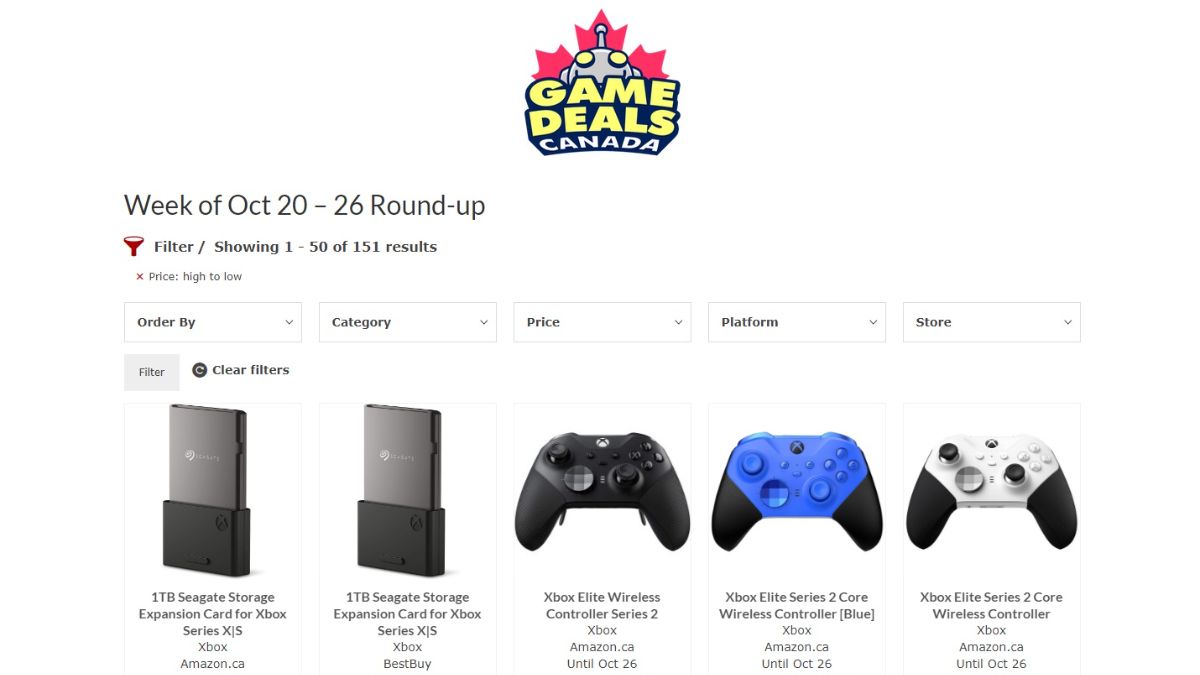
The internet is a treasure trove for bargain hunters, and video games are no exception. Dedicated deal-searching websites and vibrant Reddit communities serve as indispensable tools for finding the best prices. Websites such as Cheap Ass Gamer have long been a go-to for North American gamers, meticulously compiling sales, price drops, and promotions across various retailers and digital storefronts. Similarly, regional sites like Game Deals Canada offer localized deals tailored to specific markets. These platforms often feature forums where users share tips, discuss pricing trends, and alert others to fleeting discounts.
The power of crowd-sourcing is particularly evident on Reddit, where communities like r/GameDeals and platform-specific subreddits such as r/NintendoSwitchDeals thrive. These groups are constantly updated by thousands of users who monitor digital storefronts (Steam, PlayStation Store, Xbox Store, Nintendo eShop), physical retailers, and independent key sellers. They often provide historical price data, allowing consumers to gauge whether a current deal is genuinely good or if a better price might emerge later. During major sales events like Black Friday, Cyber Monday, or platform-specific seasonal sales (e.g., Steam Summer Sale), these communities become especially invaluable, offering real-time updates and comparisons that can save consumers significant sums. The analytical insights provided by these communities can help gamers make informed purchasing decisions, distinguishing genuine bargains from perceived ones.
The Thriving Secondary Market: Facebook Marketplace and Beyond
For those who prefer physical media or seek savings on recently released titles, the second-hand market offers compelling opportunities. Facebook Marketplace has emerged as a particularly strong platform for peer-to-peer game sales. Unlike traditional retailers that purchase used games at a low price and resell them at a higher margin, private sellers on platforms like Facebook Marketplace often offer more competitive prices, especially for games that have been out for a few months.
The speed of transaction and the potential for significant savings are key attractions. A new release that might still command a premium price at a major retailer can often be found for $10-20 less from a private seller, sometimes even in pristine condition. For example, finding titles like Final Fantasy XVI or Armored Core VI Fires of Rubicon for $60 CAD ($45 USD) a few months post-launch from a single seller illustrates the potential for substantial savings. Beyond Facebook, other platforms like Craigslist, local gaming forums, and even dedicated used game stores (though their prices are often less aggressive than private sales) contribute to a robust secondary market. This market not only provides affordable access to games but also supports a circular economy, extending the lifecycle of physical game copies. Data from market analysis firms indicates that the used game market, despite the rise of digital-only consoles, remains a significant segment of the industry, driven by consumer demand for value and the tactile appeal of physical collections.
Game Bundles: Curated Collections at Unbeatable Prices

For PC gamers, and increasingly console players through digital promotions, game bundles represent an excellent way to acquire multiple titles for a fraction of their individual cost. Retailers like Humble Bundle and Fanatical have perfected this model, offering themed collections of games, often with a charitable component.
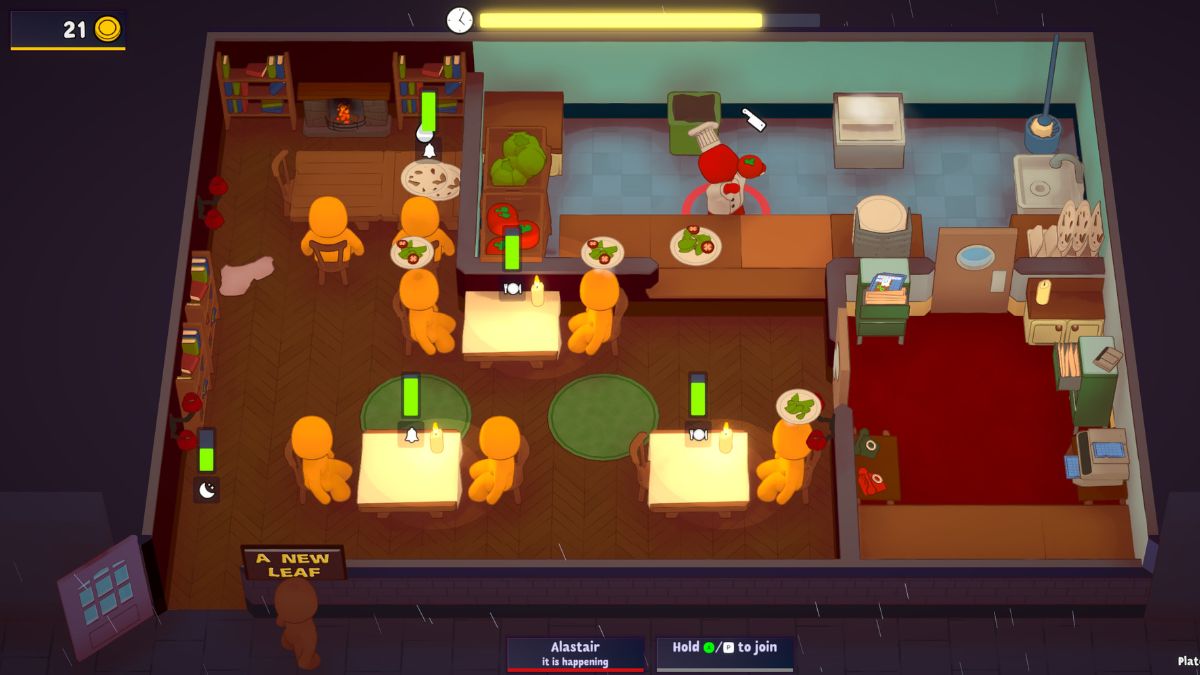
Humble Bundle, a pioneer in this space, is renowned for its "pay-what-you-want" model, where customers can choose their price tier, with a portion of proceeds often going to charity. This creates a win-win scenario: gamers get fantastic deals while supporting a good cause. For example, a "Laugh Till You Die: Multiplayer Mayhem" charity bundle in October 2023 included seven popular games like PlateUp! and Ultimate Chicken Horse for around $10 USD. Considering PlateUp! alone typically retails for $19.99 USD, the savings are substantial. These bundles are frequently themed, focusing on specific genres, developers, or publishers, allowing gamers to expand their libraries in areas of interest.
Fanatical offers similar compelling deals, often featuring "build your own bundle" options. This allows customers to select a set number of games from a curated list for a fixed, low price. An October "Build Your Own Play As You Go Premium Edition" bundle, for instance, featured high-quality titles such as Wolfenstein 2: The New Colossus, Doom, The Walking Dead: The Telltale Series The Final Season, and The Ascent. Purchasing three games might cost around $10, while seven could be about $20, yielding massive savings compared to buying each game individually. These bundle platforms not only provide incredible value but also serve as excellent discovery tools for indie games and hidden gems that players might not otherwise encounter. The success of these platforms highlights a consumer demand for curated experiences at accessible price points, influencing publishers to consider more flexible pricing strategies.
The Social Dimension of Gaming: Lending Among Friends
Perhaps the simplest and most cost-effective method of all is leveraging one’s social network. Asking a friend to lend a game they’ve finished or aren’t currently playing can provide access to new experiences at no cost. This practice is most applicable to physical game copies, making the argument for physical media’s continued relevance in certain contexts. If a friend is deeply immersed in Diablo 4 but owns Call of Duty: Modern Warfare 3, a polite request to borrow the latter could grant free access to a new release. This method relies on trust and mutual respect, with the understanding that games will be returned promptly and in good condition. Beyond the financial savings, game lending fosters a stronger sense of community among friends, encouraging shared experiences and discussions about favorite titles. It’s a testament to the enduring human desire for shared resources and collective enjoyment.
Unearthing Bargains: Thrift Stores and Pawn Shops
For the adventurous and patient gamer, thrift stores and pawn shops can be surprisingly fruitful hunting grounds. While the inventory is often unpredictable and requires frequent visits, the potential for significant savings and unique finds is high. Pawn shops, in particular, often stock more recent titles. The author’s personal experience of finding Mario Tennis Aces, a Nintendo Switch title often retailing for $60, for $35 CAD ($25 USD) at a pawn shop exemplifies the kind of deals that can be found. These establishments acquire games from individuals looking for quick cash, and their pricing models are often designed to move inventory quickly, leading to lower prices than traditional retail.
Thrift stores, on the other hand, are more likely to yield retro gems. While the chances of finding a modern AAA title are slimmer, they are excellent places to discover older console games, sometimes including rare or valuable PlayStation 2 or original Xbox titles. The thrill of the hunt – sifting through dusty shelves to uncover a valuable PS2 port of Harry Potter and the Sorcerer’s Stone – adds an exciting dimension to saving money. These outlets cater to both casual players and collectors, offering a tangible connection to gaming history at accessible prices.
Traditional Retailer Strategies: Flyers and Digital Deal Pages
Despite the rise of digital and community-driven deal finding, traditional retail channels still play a vital role. Weekly flyers, though less common in some regions, remain a staple in others (like Canada) and often contain surprising discounts on video games. For those in areas where physical flyers are less prevalent, checking the dedicated "deals" or "sales" sections on major retailer websites (Walmart, Best Buy, Target, Amazon) is an essential practice.
These online deal pages are continuously updated and can offer substantial savings on popular titles. For example, a random check on Walmart’s website in October revealed Yoshi’s Crafted World for $10 off and The Legend of Zelda: Link’s Awakening for $20 off. These discounts often coincide with promotional events, seasonal sales, or inventory clear-outs. By regularly monitoring these pages and signing up for retailer newsletters, consumers can stay abreast of official price drops. Combining this approach with deal aggregator websites ensures comprehensive coverage of both digital and physical retail promotions, maximizing the chances of securing a good deal. Retailers are increasingly aware of the competitive pricing environment and use these promotions to drive traffic and move inventory.
The Subscription Model: Xbox Game Pass and PlayStation Plus Extra/Premium
For many gamers, subscription services have become the most impactful way to access a vast library of games for a relatively low monthly fee, effectively acting as the "Netflix of gaming." Xbox Game Pass and PlayStation Plus Extra/Premium stand out as the leading contenders in this space, each offering compelling value propositions.
Xbox Game Pass is widely regarded for its exceptional value, primarily due to its commitment to launching all first-party Xbox titles on the service day one. This means subscribers can play major new releases like Starfield and Forza Motorsport immediately upon launch without an additional purchase. Beyond first-party titles, Game Pass also features an extensive and constantly updated library of third-party AAA games, acclaimed indies (e.g., Celeste, Inside), and beloved franchises like Halo and Gears of War. With tiers like Game Pass Ultimate including PC games, cloud gaming, and an EA Play subscription, the breadth of content for less than $20 a month is unparalleled. The service boasts millions of subscribers globally, indicating a strong market acceptance for this model.
PlayStation Plus, with its tiered structure (Essential, Extra, Premium), also offers significant savings. The Extra tier, comparable to Game Pass, provides access to a large catalog of PS4 and PS5 games, including critically acclaimed titles like Ratchet & Clank: Rift Apart, Demon’s Souls (PS5 remake), and Marvel’s Spider-Man: Miles Morales. It’s an excellent way to catch up on games missed at launch, as demonstrated by the inclusion of titles like NieR Replicant. The Premium tier further enhances this by adding classic PlayStation games and game trials. While PlayStation doesn’t offer day-one access to its biggest first-party titles, the sheer volume and quality of games available still make it a highly cost-effective option for console owners. The growth of these subscription services reflects a significant industry shift towards recurring revenue models and broader game accessibility, allowing players to explore diverse genres and experiences without the financial commitment of individual game purchases. Market analysts predict continued growth in the subscription gaming sector, solidifying its role as a primary method for affordable gaming.
Loyalty and Reward Programs: Earning Free Play
Beyond direct discounts and subscriptions, several platforms offer loyalty programs that reward players with points redeemable for gift cards or even free games. These programs incentivize engagement and platform loyalty, turning everyday gaming habits into tangible savings.
Microsoft Rewards, often associated with the Bing search engine, is a prime example. By using Bing for daily searches, participating in quizzes, and completing simple tasks, users accumulate points. These points can be redeemed for Xbox gift cards, which can then be used to purchase games, DLC, or even Xbox Game Pass subscriptions. Many users report saving $50 or more annually through this passive method. The program also offers redemption options for in-game currency for popular free-to-play titles like Overwatch or League of Legends, further enhancing its value proposition. It’s a clever way for Microsoft to drive engagement with its services while providing a clear benefit to its users.
PlayStation Stars is Sony’s equivalent loyalty program. It rewards users with points for purchases made on the PlayStation Store and for completing specific in-app tasks, such as playing games from the monthly PlayStation Plus lineup or checking out new titles. These accumulated points can then be redeemed for digital gift cards for the PlayStation Store or even specific digital games like Cuphead. This program encourages active participation within the PlayStation ecosystem, making purchases and gameplay contribute directly to future savings.
Nintendo also has its own loyalty program, My Nintendo, which awards Gold Points for digital purchases on the Nintendo eShop. While the return rate is typically lower ($4 back on an $80 game), these points can be applied as discounts on future eShop purchases. While it lacks the additional task-based earning opportunities of Microsoft Rewards or PlayStation Stars, it still provides a passive form of savings for loyal Nintendo players. These loyalty programs represent a subtle but effective way for platforms to reward their most engaged users, turning regular spending and interaction into a pathway for future, more affordable gaming experiences.
Conclusion: Empowering the Savvy Gamer

In an economic climate where every dollar counts, the ability to enjoy the rich and diverse world of video games without excessive financial strain is more important than ever. From the unexpected bounty of public libraries to the collaborative power of online deal communities, the strategic use of second-hand markets, and the incredible value offered by game bundles and subscription services, gamers have a multitude of avenues to explore. Loyalty programs further sweeten the deal, turning routine activities into opportunities for tangible savings.
By adopting a multi-pronged approach, combining diligent research, patient waiting, and a willingness to explore alternative acquisition methods, consumers can significantly reduce their gaming expenditures. This not only makes the hobby more accessible to a broader audience but also encourages a more mindful approach to consumption. The video game industry continues to evolve, and with it, the strategies for smart, affordable gaming will also adapt. The savvy gamer, armed with these insights, is well-equipped to navigate this dynamic landscape, ensuring that the joy of play remains within reach, regardless of economic pressures.