


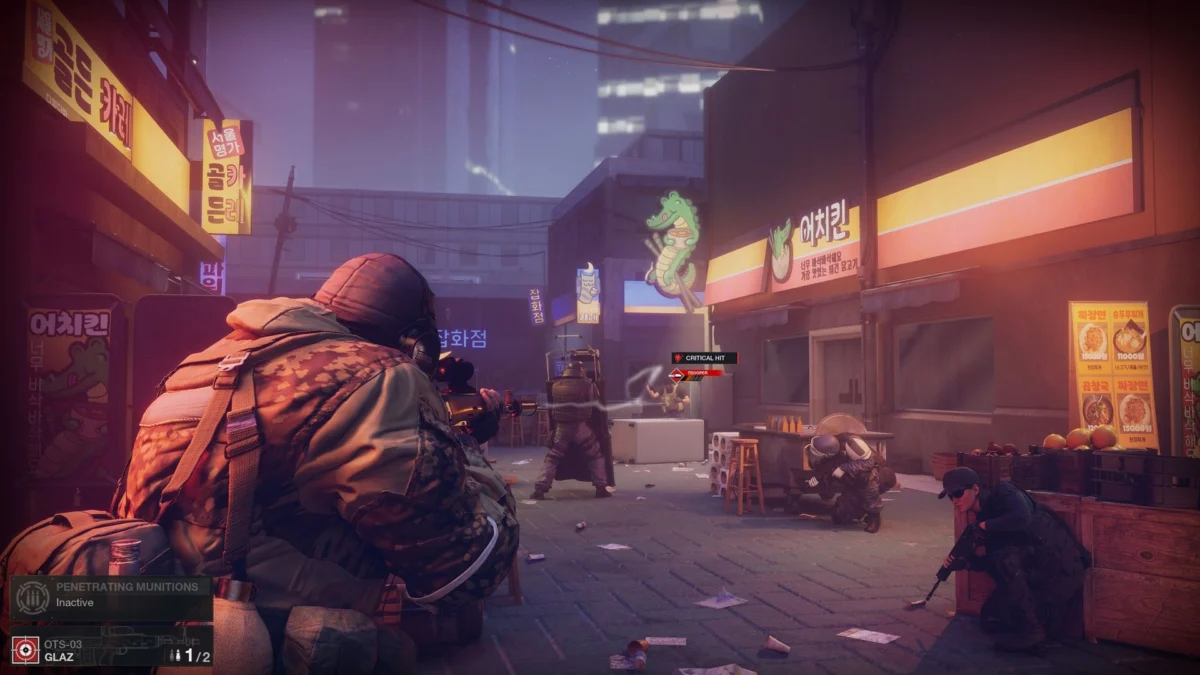
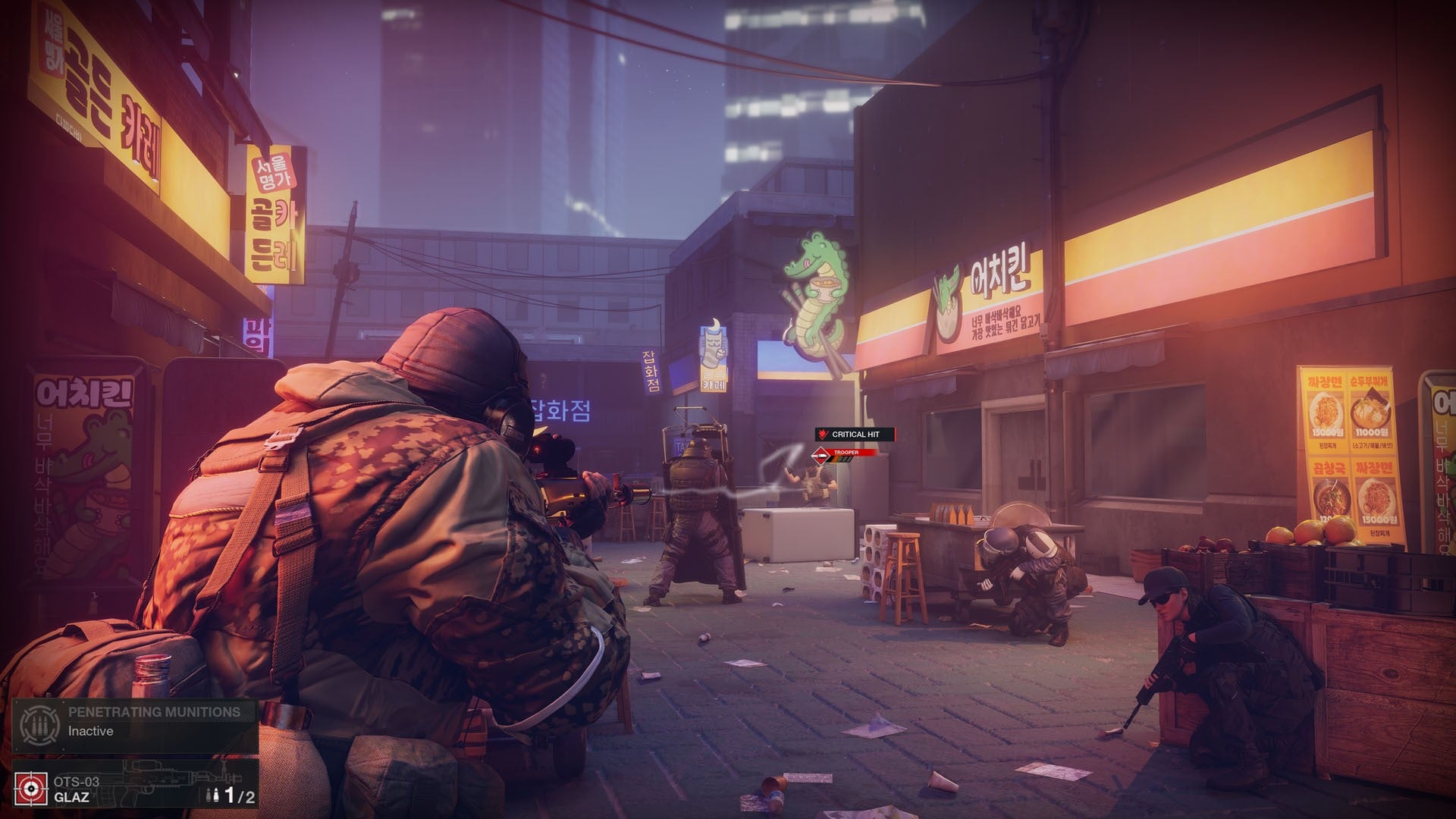
Ubisoft officially unveiled Tom Clancy’s Rainbow Six Tactics during the Gamescom 2026 Opening Night Live event, signaling a significant genre shift for one of the most enduring franchises in the tactical shooter category. Moving away from the high-octane, first-person hero shooter mechanics that defined the immensely successful Rainbow Six Siege, this new installment introduces a turn-based, top-down tactical perspective designed specifically for single-player engagement. The title is confirmed for release on Xbox Series X|S and PC, marking a strategic expansion of the Tom Clancy IP into the strategy genre, a space previously occupied by titles like XCOM and Gears Tactics.
The announcement trailer, showcased during the high-profile Gamescom pre-show, highlighted a fundamental departure from the series’ traditional "aim-down-sights" gameplay. Instead of direct manual control over a single operator’s firearm, players will assume the role of a commander, overseeing a squad of elite operators from a bird’s-eye view. The core gameplay loop focuses on meticulous planning, synchronized breaching maneuvers, and the utilization of environmental destruction to gain a tactical advantage over entrenched adversaries.
A New Vision for Tactical Combat
Rainbow Six Tactics is positioned as a narrative-driven experience where players must unravel a global conspiracy while managing a roster of specialized operators. According to the official project description provided by Ubisoft, the game emphasizes "tense battles" and "synchronized breaches," forcing players to adapt their strategies in real-time as missions evolve and environmental conditions change.
The shift to a turn-based system allows for a deeper level of tactical granularity that is often lost in the chaotic pace of real-time shooters. Players will be tasked with coordinating the movements of multiple units simultaneously, setting "Go-Codes" for synchronized entries, and utilizing the franchise’s signature destruction physics to create new lines of sight or entry points. This focus on "exploiting destruction" suggests that the destructible environments seen in Rainbow Six Siege will be translated into a grid-based or modular tactical system, where a well-placed breach charge can fundamentally alter the battlefield’s geometry.
Gamescom 2026 and the Xbox Showcase Context
The reveal occurred during a particularly dense Opening Night Live (ONL) broadcast, which featured 11 distinct Xbox-related announcements. Gamescom 2026 has been characterized by industry analysts as a pivotal moment for Ubisoft, as the company seeks to diversify its portfolio following several years of reliance on established open-world formulas and live-service models.
Geoff Keighley, the host and producer of Opening Night Live, noted during the broadcast that the inclusion of Rainbow Six Tactics represents a "bold reimagining" of a legacy brand. The game was showcased alongside other major titles, but its unique positioning as a single-player tactical spin-off garnered significant attention from both the press and the community. While a specific release date was not provided, the confirmation of Xbox Series X|S and PC platforms suggests that Ubisoft is targeting the current generation of hardware to deliver high-fidelity environmental physics and complex AI behavior.
Historical Context: The Evolution of Rainbow Six
To understand the significance of Rainbow Six Tactics, one must look at the 28-year history of the franchise. Based on the 1998 novel by Tom Clancy, the original games developed by Red Storm Entertainment were pioneers of the "tactical shooter" subgenre. Titles like the original Tom Clancy’s Rainbow Six (1998) and Rainbow Six: Rogue Spear (1999) focused heavily on the planning phase, where players mapped out routes and timed actions before the mission even began.
As the industry moved toward the mid-2000s, the series shifted toward more action-oriented gameplay with the Rainbow Six: Vegas series, which introduced cover-based mechanics and a third-person perspective. The release of Rainbow Six Siege in 2015 transformed the brand into a premier competitive e-sport, focusing almost exclusively on multiplayer environments and "hero" abilities.
Rainbow Six Tactics appears to be a spiritual return to the franchise’s cerebral roots, emphasizing the "thinking man’s shooter" philosophy but through the lens of modern turn-based strategy. By removing the requirement for twitch-based reflexes, Ubisoft is opening the franchise to a demographic of players who value strategic depth and narrative progression over competitive multiplayer rankings.
Industry Trends and Supporting Data
The decision to develop a turn-based tactical game is supported by a growing trend in the gaming industry. The "Tactical RPG" and "Turn-Based Strategy" (TBS) markets have seen a resurgence in recent years. Data from market research firms suggests that the success of titles like XCOM 2, Marvel’s Midnight Suns, and the Mario + Rabbids franchise (also developed by Ubisoft) has proven there is a substantial audience for high-budget tactical games.
Furthermore, Rainbow Six Siege currently boasts a player base exceeding 85 million registered users. While Siege remains a cornerstone of Ubisoft’s revenue, internal data likely indicates a demand for single-player content within that universe. The previous attempt at a spin-off, Rainbow Six Extraction, focused on cooperative PvE (Player vs. Environment) gameplay but received mixed critical reception. By pivoting to a completely different genre—turn-based tactics—Ubisoft avoids direct competition with its own flagship shooter while leveraging the brand recognition of the Rainbow Six name.
Anticipated Features and Technical Integration
While Ubisoft was brief on specific technical details, the trailer and subsequent press releases have outlined several key pillars for Rainbow Six Tactics:
- Synchronized Breaching: A return to the "plan-then-execute" style of early Rainbow Six games, where players can time multiple events to occur at the exact same moment.
- Destructible Environments: Utilizing a specialized engine to allow for tactical destruction, such as blowing through floors to surprise enemies below or destroying cover to expose high-value targets.
- Operator Customization: Players will likely be able to recruit and upgrade a squad of operators, each with unique skill trees and equipment tailored for specific tactical roles (e.g., intel gathering, heavy demolition, or stealth).
- Narrative Campaign: Unlike Siege, which lacked a traditional story mode, Tactics is centered around a conspiracy-driven plot, promising a cinematic experience for solo players.
From a technical standpoint, the game is expected to take full advantage of the Xbox Velocity Architecture to ensure rapid loading of complex tactical maps. On PC, Ubisoft has historically supported a wide range of hardware, and Tactics is expected to feature scalable settings to accommodate both high-end enthusiast rigs and mid-range systems.

Official Responses and Market Implications
In a statement following the reveal, Ubisoft representatives emphasized that Rainbow Six Tactics is intended to coexist with, rather than replace, current franchise offerings. "We wanted to explore the tactical DNA of the Rainbow Six universe from a new angle," a Ubisoft spokesperson stated. "This game is for the players who love the lore and the tension of the series but want a more deliberate, strategic experience."
Market analysts suggest that this move is part of a broader strategy by Ubisoft to maximize the value of its intellectual properties. By expanding into different genres, Ubisoft can reach diverse player segments. The turn-based strategy genre is particularly popular on PC, but it has also found a comfortable home on Xbox consoles, especially with the integration of mouse and keyboard support and the success of the Xbox Game Pass service, which has become a primary hub for strategy enthusiasts.
The broader impact on the Tom Clancy brand is also noteworthy. With Ghost Recon and The Division also under the Ubisoft umbrella, the success of Rainbow Six Tactics could pave the way for other tactical spin-offs. If the game performs well, it may signal a shift in how major publishers approach their long-running franchises, opting for genre-diverse "universes" rather than iterative sequels.
Conclusion and Future Outlook
Rainbow Six Tactics represents a calculated risk for Ubisoft. By taking one of the world’s most popular first-person shooter brands and stripping away the first-person perspective, the company is betting on the strength of the "Rainbow Six" identity and the enduring appeal of tactical strategy.
As Gamescom 2026 continues, more details regarding the roster of operators and the specific mechanics of the "conspiracy" plot are expected to emerge. For now, the announcement serves as a clear signal that the Rainbow Six franchise is evolving, looking back to its tactical heritage while embracing a modern, strategic format. With its arrival confirmed for Xbox and PC, the game is set to become a focal point for tactical enthusiasts in the coming year, offering a bridge between the classic planning-heavy sims of the 90s and the sophisticated strategy games of the current era.